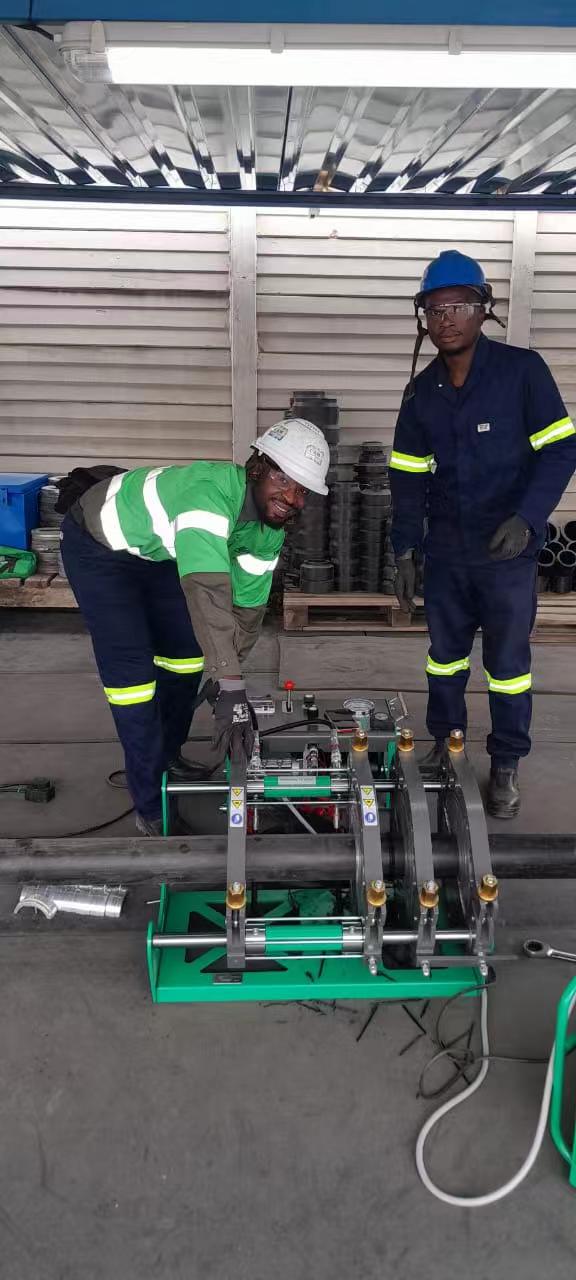
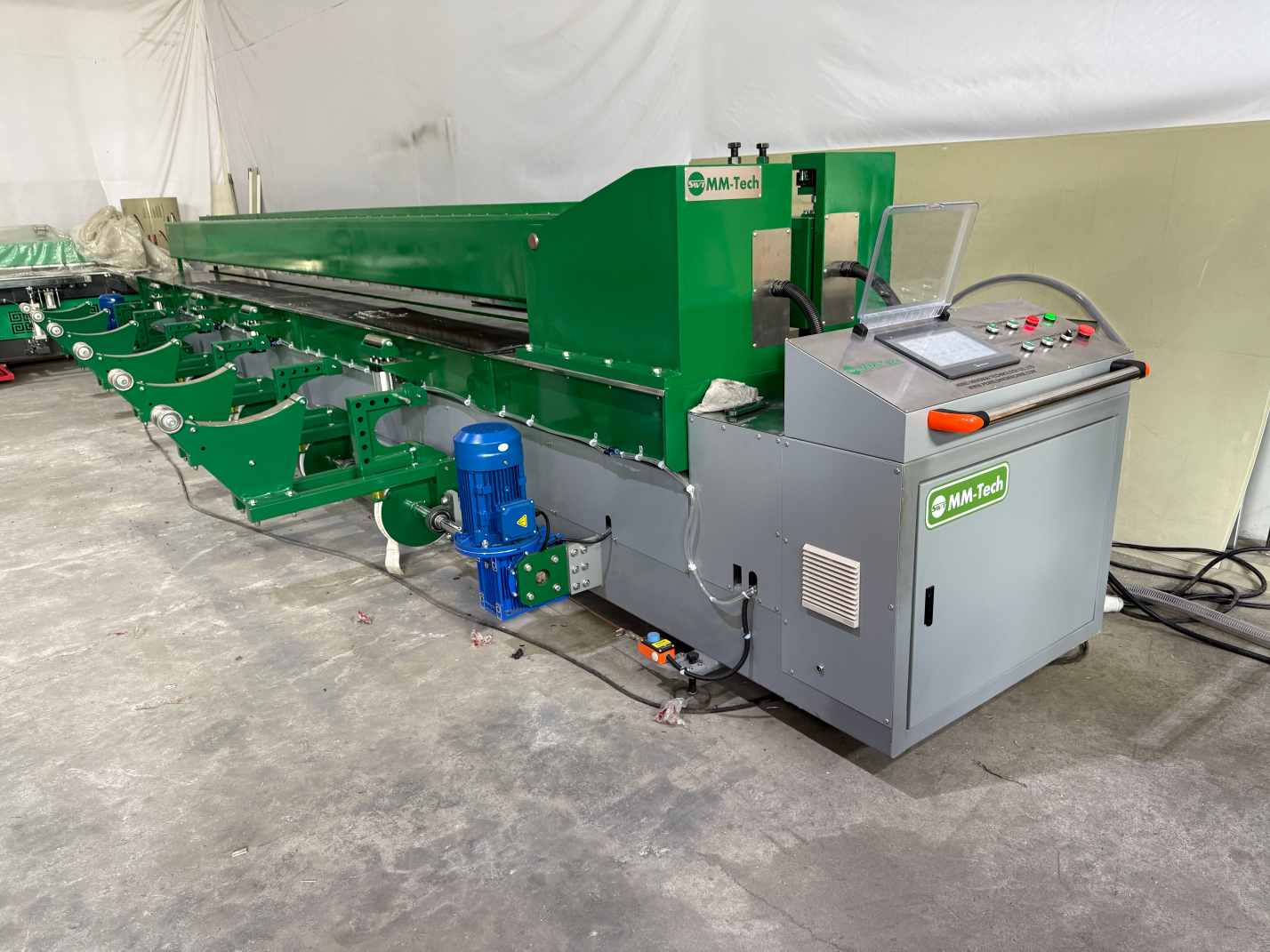
Sheet butt fusion welding machines, such as MM-Tech’s SWT-PH6000, have revolutionized plastic pp sheet butt fusion welding machine use in Indian tank manufacturing. Manufacturers now achieve seamless joints that prevent leaks, even when handling harsh chemicals. Strong, uniform welds result from precise pressure and heat control, making it possible to fabricate thick-walled tanks with confidence. India’s plastic industry has seen HDPE market volumes reach 3450 thousand tonnes in FY2023, with a projected rise to 5500 thousand tonnes by FY2030. As demand for advanced solutions grows, automation and modern welding technology deliver unmatched efficiency and reliability.
Key Takeaways
Sheet butt fusion welding machines make strong, leak-proof joints in plastic tanks.
Automation in welding machines saves time and reduces human error.
These machines work with many materials like PP, PE, and PVC.
Manufacturers can make large tanks that handle harsh chemicals safely.
Using these machines helps companies meet high-quality standards.
India’s Plastic Industry And Fabrication Trends
Growth In Chemical And Environmental Sectors
India’s plastic industry has experienced rapid growth, especially in the chemical and environmental sectors. Companies in cities like Ahmedabad and Gujarat have expanded their operations to meet rising demand for safe and durable storage solutions. Chemical processing plants and water treatment facilities now require tanks that can withstand harsh substances and extreme conditions. These industries have shifted focus from traditional metallic tanks to advanced polymer-based options. Corrosion-resistant materials, such as polypropylene and fiber-reinforced plastics, have become the preferred choice due to their durability and low maintenance needs. This trend supports the development of infrastructure that prioritizes safety, efficiency, and long-term performance.
Demand For PP, PPH, And HDPE Tank Solutions
The demand for PP, PPH, and HDPE tank solutions continues to rise as industries seek reliable storage for chemicals, water, and waste. Manufacturers now use advanced tank fabrication methods, including butt-fusion welding and spiral winding, to produce tanks that meet strict quality standards. Customization has become essential, with tanks designed to handle specific chemical properties, temperature ranges, and pressure requirements. Accessories like nozzles, manholes, and level indicators are integrated to fit operational needs. Sheet butt fusion welding machines and sheet bending welding machines play a key role in this process, ensuring strong, leak-proof joints and consistent results. Polypropylene tanks, in particular, offer improved lifecycle efficiency and structural integrity, making them a popular choice for modern manufacturing facilities.
Note: The adoption of advanced welding technology and quality control measures ensures that tanks remain structurally sound and leak-proof, supporting the steady growth of India’s plastic and chemical processing industries.
Challenges In Traditional Plastic Sheet Welding
Manual Hot Air Welding Limitations
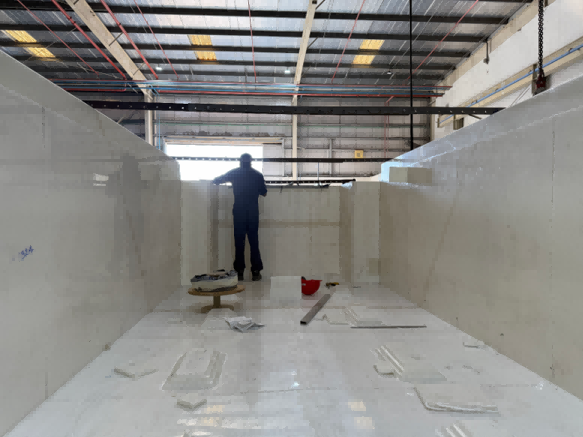
Manual hot air welding remains a common method in many Indian fabrication shops. Operators use handheld tools to join plastic sheets, but this process often leads to uneven heating and inconsistent pressure. As a result, the welded seams may not achieve the required strength or durability. When fabricators attempt to build large tanks or thick-walled structures, manual methods struggle to deliver the uniformity needed for leak-proof welded joints. The risk of operator fatigue and human error increases with larger projects, making manual hot air welding less reliable for demanding industrial applications.
Inconsistent Quality And Labor Dependency
Traditional welding techniques depend heavily on the skill and experience of individual workers. Variations in technique can cause weak spots, misaligned seams, or even leaks. This inconsistency poses a significant challenge for manufacturers who must meet strict industry standards. Labor shortages or high turnover rates can further disrupt production schedules. Many companies find it difficult to maintain a steady output of high-quality tanks when relying solely on manual processes. Sheet butt fusion welding machines and sheet bending welding machines help address these issues by automating critical steps and reducing the impact of human error.
Production Efficiency Issues
Manual welding methods often slow down production lines. Operators must carefully align sheets, monitor temperatures, and apply pressure by hand. This time-consuming process limits the number of tanks that can be fabricated each day. As demand for chemical and water storage solutions grows, manufacturers need faster and more reliable alternatives. Automated solutions, such as sheet butt fusion&bending welding machines, offer a way forward. However, Indian manufacturers face several challenges when transitioning to automation:
Poor process selection and understanding can lead to costly mistakes.
Inadequate fixture and tooling design often causes technical failures.
Vendor-driven decisions based only on price may result in unreliable systems.
Cultural resistance and lack of workforce engagement can slow adoption.
By addressing these obstacles and investing in advanced welding technology, manufacturers can improve efficiency and product quality.
Sheet Butt Fusion Welding Machine Technology
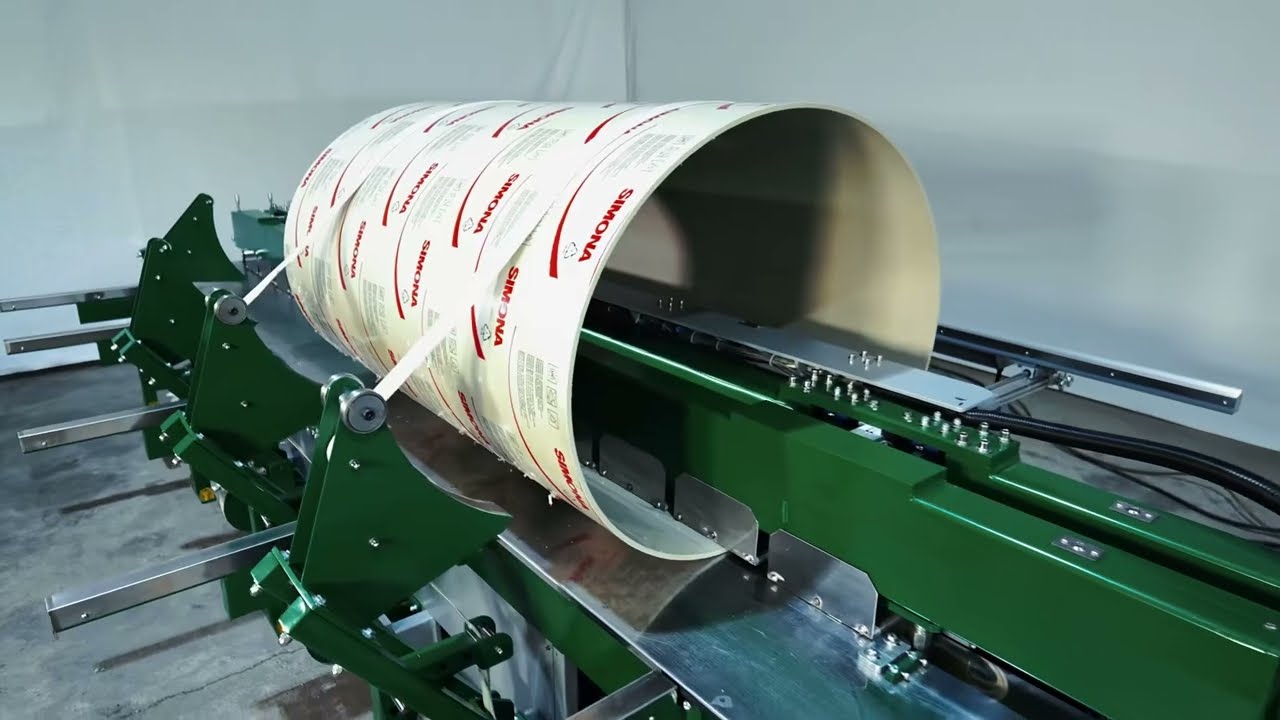
What Is A Plastic PP Sheet Butt Fusion Welding Machine
A plastic pp sheet butt fusion welding machine is a specialized device designed to join thermoplastic sheets, such as polypropylene, by applying controlled heat and pressure. This machine creates strong, seamless joints that are essential for fabricating large tanks and vessels. MM-Tech’s SWT-PH6000 stands out as an advanced solution in this field. It features a robust frame, high-density clamping, and a wide working width, making it ideal for handling large-format sheets. The machine supports both horizontal and vertical welding, which allows manufacturers to produce tanks and pipes with complex shapes and high chemical resistance. Sheet butt fusion&bending welding machines and sheet bending welding machines also play important roles. The sheet butt fusion&bending welding machine combines both fusion and bending functions, streamlining the fabrication process for tanks with curved or angled sections. The sheet bending welding machine focuses on precise bending and joining, which is crucial for creating custom tank designs and ensuring leak-proof seams.
Working Principle And Automation Features
The plastic pp sheet butt fusion welding machine operates by aligning two thermoplastic sheets, heating their edges to a specific temperature, and then pressing them together under controlled pressure. This process forms a homogeneous bond that matches the strength and chemical resistance of the original material. Automation features set advanced machines like the SWT-PH6000 apart from manual methods. The machine uses CNC controls and a digital pressure setting system to regulate every step of the welding process. Operators can monitor and adjust parameters through a user-friendly touch screen interface. The system includes pneumatic locking clamps and a multi-point control clamp lifting system, which ensure precise alignment and consistent pressure. These features reduce human error and improve process control.
Automation in sheet butt fusion welding machines brings several benefits:
Mechanized welding with a carriage ensures accurate and steady movement, minimizing mistakes.
Intelligent software provides easy setup and automatic regulation, leading to consistent weld quality.
Active monitoring allows for precise adjustments, further reducing errors and improving reliability.
The modern interface also saves setup time and supports quality control throughout the equipment’s lifecycle. These automation features help manufacturers achieve higher productivity and uniform results, even when working with thick polypropylene sheets.
Feature | Benefit |
|---|---|
Dual-wire tandem welding | Increases welding speed and productivity by 40-80% over single-wire processes. |
Intelligent TCS software | Provides easy system setup and automatic arc regulation for consistent quality. |
Active arc monitoring | Allows for precise independent adjustments of arcs, enhancing control and reducing errors. |
Material Compatibility: PP, PE, PVC, PVDF, More
The sheet butt fusion welding machine offers broad material compatibility, making it suitable for a wide range of industrial applications. Manufacturers can use the machine to weld polypropylene, polyethylene (PE), polyvinyl chloride (PVC), polyvinylidene fluoride (PVDF), and other advanced thermoplastic welding materials. This flexibility supports the fabrication of tanks and pipes that require high chemical resistance and durability. The SWT-PH6000 can handle sheet thicknesses from 3mm to 50mm for hard sheets and up to 80mm for hollow sheets. This adaptability allows manufacturers to meet diverse project requirements, from water treatment tanks to chemical storage vessels. The machine’s ability to process different materials ensures that tanks and pipes maintain their structural integrity and chemical resistance, even in harsh environments.
Note: The machine complies with DVS2207 and other international welding standards. Operators can adjust temperature and pressure settings to match the specific requirements of each material, ensuring safe and reliable operation.
The control panel makes operation straightforward and safe.
The machine supports welding for HDPE, PP, PVC, and PVDF, meeting the needs of various industries.
Compliance with DVS2207 guarantees that every weld meets strict quality standards.
Applications In Tank And Pipe Manufacturing
Sheet butt fusion welding machines play a vital role in modern tank and pipe manufacturing techniques. These machines enable the production of large, leak-proof polypropylene tanks used in chemical processing, water treatment, and environmental management. The high chemical resistance of polypropylene and other compatible materials ensures that tanks can safely store aggressive substances. Manufacturers also use these machines in pipe manufacturing technologies, where precise and uniform welds are critical for maintaining flow integrity and preventing leaks. The sheet butt fusion&bending welding machine and sheet bending welding machine further expand the range of possible designs, allowing for custom shapes and complex assemblies. These technologies support advanced pipe manufacturing techniques, making it possible to fabricate pipes and tanks that meet the highest standards for strength, durability, and chemical resistance.
By integrating sheet butt fusion welding machines into their operations, Indian manufacturers can achieve superior results in both tank and pipe manufacturing. The combination of automation, material versatility, and compliance with international standards positions these machines as essential tools for any facility focused on quality and efficiency.
Efficiency And Advantages Of Sheet Butt Fusion Welding
Higher Welding Strength And Seam Uniformity
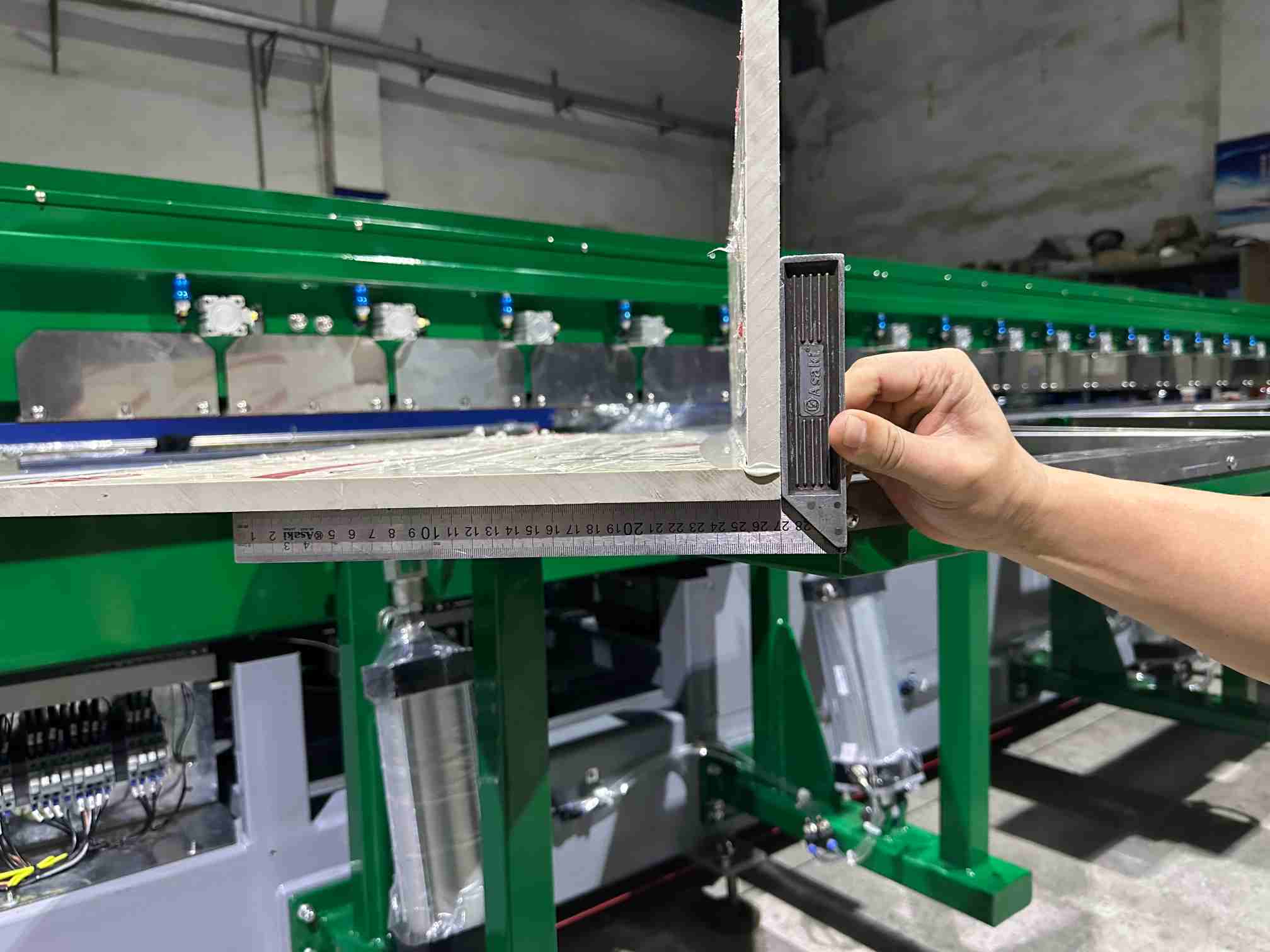
Sheet butt fusion welding machines deliver exceptional welding strength and uniformity in polypropylene tanks. Manufacturers in India have observed that these machines produce strong seams, which prevent leaks and withstand harsh chemicals. The technology ensures that every weld matches the original material’s strength, supporting long-term performance and sustainability. The following table compares weld quality and speed between traditional manual welding and sheet butt fusion welding machine methods:
Method | Weld Quality | Speed | Risk of Leaks |
|---|---|---|---|
Traditional Manual Welding | Uneven, variable | Slow | High |
Sheet Butt Fusion Welding Machine | Seamless, strong | Fast | Very Low |
Manufacturers rely on sheet butt fusion welding machines to achieve consistent results, especially when fabricating large polypropylene tanks. The seamless joints created by these machines enhance structural integrity and reduce maintenance needs. Many companies report improved process efficiency and fewer failures in demanding applications.
Improved Production Efficiency And Time Savings
Sheet butt fusion welding machines transform manufacturing operations by increasing efficiency and reducing production time. Automated welding cycles allow operators to process multiple sheets quickly, minimizing downtime. The machines’ digital controls and pneumatic clamps streamline setup and alignment, enabling faster fabrication of polypropylene tanks and pipes. Companies in India’s chemical and environmental sectors have reported significant time savings after adopting sheet butt fusion welding machine technology. They can now meet tight deadlines and scale production to match market demand. The sheet butt fusion&bending welding machine further enhances efficiency by combining fusion and bending functions, supporting complex tank designs and pipe manufacturing projects. This advancement contributes to sustainability by reducing energy consumption and material waste.
Tip: Manufacturers who invest in automated welding solutions experience faster turnaround and higher throughput, giving them a competitive edge.
Reduced Operator Skill Dependency
Automation in sheet butt fusion welding machines minimizes reliance on highly skilled operators. The machines use controlled heating and pressing cycles, ensuring consistent weld quality regardless of operator experience. Manufacturers benefit from reduced training requirements and lower risk of human error. The sheet bending welding machine also supports this advantage by automating precise bends and joints in polypropylene tanks. Companies can maintain steady output even during labor shortages, improving manufacturing reliability. The welding machine benefits extend to quality assurance, as automated systems monitor temperature and pressure throughout the process. This approach supports sustainability by reducing rework and material waste.
Reliability For Large Plastic Tanks
Sheet butt fusion welding machines provide unmatched reliability for large polypropylene tanks. Manufacturers trust these machines to deliver durable, leak-proof joints that withstand aggressive chemicals and extreme conditions. The technology supports fabrication of tanks with thick walls, ensuring long-term performance and safety. Real-world applications in India include water treatment systems, chemical storage, and environmental management projects. Companies use sheet butt fusion welding machines to produce tanks and pipes that meet strict industry standards. The machines’ automation features and material compatibility enable consistent manufacturing outcomes, supporting sustainability and operational excellence.
Note: Sheet butt fusion welding machines have become essential tools for manufacturers seeking reliable, high-quality polypropylene tanks and pipes. Their efficiency, strong seams, and reduced skill dependency drive improved process efficiency and sustainable growth.
Choosing The Right Thermoplastic Welding Solution
Automation And Fabrication Standards
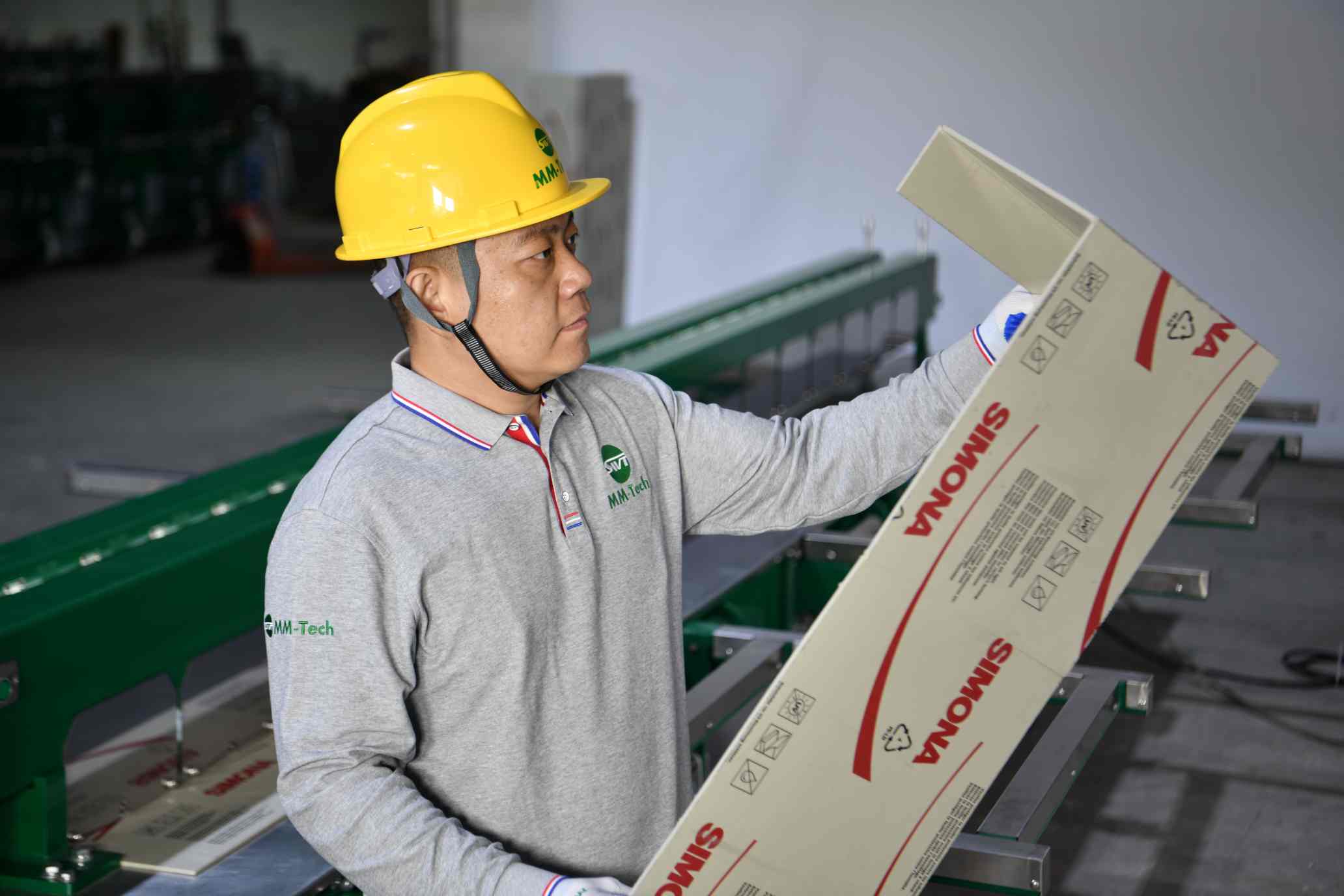
Manufacturers in India face many choices when selecting a thermoplastic welding solution. They must consider automation features, fabrication standards, and the specific needs of their projects. Sheet butt fusion welding machine technology offers advanced automation, including digital pressure control and CNC systems. These features help operators achieve consistent welds and reduce errors. Compliance with standards like DVS2207 ensures that tanks and pipes meet industry requirements. Sheet butt fusion&bending welding machine and sheet bending welding machine options provide flexibility for complex tank designs and pipe manufacturing. Manufacturers should evaluate machines based on their ability to deliver uniform weld quality, ease of operation, and compatibility with various materials.
Tip: Manufacturers should always check for machines that support automated welding cycles and digital monitoring. These features improve efficiency and reduce skill dependency.
Comparing Sheet Butt Fusion Welding Machine Options
Manufacturers must compare different sheet butt fusion welding machine models to find the best fit for their operations. Key factors include working width, material compatibility, and automation level. Machines like MM-Tech’s SWT-PH6000 offer a wide working width and support for multiple materials, including PP, PE, PVC, and PVDF. Pneumatic locking clamps and touch screen interfaces make operation easier and more reliable. The table below highlights important features to consider:
Feature | Benefit |
|---|---|
CNC Control | Precise welding adjustments |
Digital Pressure | Consistent weld quality |
Wide Working Width | Supports large tank projects |
Material Compatibility | Flexible for pipes and tanks |
Manufacturers should select machines that match their production volume and project complexity. Sheet butt fusion&bending welding machine and sheet bending welding machine options expand possibilities for custom designs.
MM-Tech Support And Industry Applications
MM-Tech provides strong support for manufacturers using sheet butt fusion welding machine technology. Their team offers guidance before and after purchase, helping operators maximize machine performance. MM-Tech’s warranty covers two years, giving manufacturers peace of mind. The company supplies machines for industries such as chemical processing, water treatment, and pipe manufacturing. Sheet butt fusion welding machine solutions from MM-Tech help manufacturers produce reliable tanks and pipes for demanding applications. Their expertise ensures that every welding project meets high standards for quality and durability.
Note: MM-Tech’s commitment to service and innovation makes them a trusted partner for Indian manufacturers seeking efficient welding solutions.
Sheet butt fusion welding machines, such as the SWT-PH6000, help Indian manufacturers overcome traditional fabrication challenges. These machines deliver automation, precision, and reliability for tank and pipe production. The industry now shifts toward advanced technologies, including sheet butt fusion&bending welding machines and sheet bending welding machines. Key recommendations for manufacturers include:
Invest in multi-process machines to boost efficiency.
Build in-house R&D centers for innovation.
Create training centers for modern equipment.
Adopt automation and robotics for better productivity.
Indian plastic tank fabrication will continue to embrace automation, AI, and eco-friendly practices for long-term success.
FAQ
What materials can a sheet butt fusion welding machine handle?
A sheet butt fusion welding machine works with PP, PE, PVC, PVDF, and more. This flexibility allows manufacturers to fabricate tanks and pipes for chemical, water, and environmental applications.
How does automation improve welding quality?
Automation ensures precise control of temperature and pressure. Machines like the sheet butt fusion welding machine deliver consistent, strong welds and reduce human error, resulting in higher product reliability.
What is the difference between a sheet butt fusion&bending welding machine and a sheet bending welding machine?
A sheet butt fusion&bending welding machine combines welding and bending functions for complex tank designs. A sheet bending welding machine focuses on accurate bending and joining, ideal for custom shapes and tight seams.
Are these machines suitable for large tank fabrication?
Yes. Sheet butt fusion welding machines support wide working widths and thick sheets. They help manufacturers produce large, leak-proof tanks for demanding industrial uses.
What support does MM-Tech offer for these machines?
MM-Tech provides pre- and post-purchase support, a two-year warranty, and expert guidance. Their team helps manufacturers maximize machine performance and ensure reliable tank and pipe production.