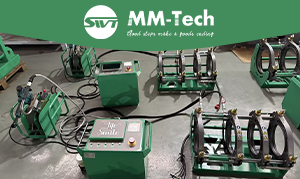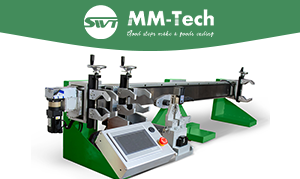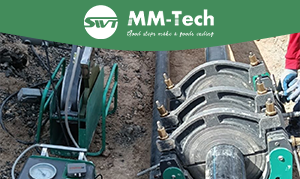
Choosing the right butt welding machine for your workshop in 2025 means you need to look beyond just the basics. You want a machine that works every time you need it and fits your pipes and projects. Think about these important points:
New machines now offer smart features like automation and IoT connections.
Safety standards keep getting stricter, so check for quality certifications.
Look at the total cost, not just the price tag—energy use and maintenance matter.
Pick a butt welding machine for sale that can grow with your workshop and handle future upgrades.
When you focus on these details, you set your workshop up for success.
Key Takeaways
Consider smart features like automation and IoT when choosing a butt welding machine. These can enhance efficiency and ease of use.
Always check for safety certifications. Machines that meet strict safety standards protect you and your team from accidents.
Look beyond the initial price. Evaluate the total cost, including energy use and maintenance, to ensure long-term value.
Select a machine that matches your current and future pipe sizes. This ensures it can grow with your workshop’s needs.
Prioritize reliable brands with good support and warranty options. This helps you avoid costly repairs and downtime.
Types and Applications
Manual vs. Automatic
When you look for a butt welding machine for sale, you will see both manual and automatic options. Manual machines work best for small jobs or repairs. You control the settings and the process. This gives you flexibility, but it can also lead to mistakes if you are not careful. Automatic machines do most of the work for you. They set the right pressure and heat, so you get the same result every time. These machines work faster and help you avoid errors. If you want something in the middle, semi-automatic machines let you set some things yourself but still offer good speed and quality.
Tip: Automatic machines save time and reduce mistakes, but manual machines give you more control for special projects.
Here’s a quick look at the main types and what they do:
Type of Machine | Primary Applications |
|---|---|
Manual Butt Welding Machines | Small projects, repairs, joining PE, PP, PPR, PVDF pipes. |
Semi-Automatic Butt Welding Machines | Medium projects, higher efficiency, better weld quality. |
Fully Automatic Butt Welding Machines | Large projects, pipeline construction, industrial manufacturing. |
Pipe Compatibility
You need to match your machine to the pipes you use. Most machines work with HDPE, PP, and PVDF pipes. The EP Series Butt Fusion Welding Machines handle all these materials. You can also use these machines for elbows, tees, outlets, reducers, and caps.
Pipe Material | Compatible Butt Welding Machine |
|---|---|
HDPE | EP Series Butt Fusion Welding Machines |
PP | EP Series Butt Fusion Welding Machines |
PVDF | EP Series Butt Fusion Welding Machines |
You can join many pipe shapes, like:
Elbows
Tees
Outlets
Reducers
Caps
Common Uses
Butt welding machines show up in many industries. You might see them in oil and gas, power plants, or even food factories. Each place uses them for different reasons. For example, oil and gas companies use them to build strong pipelines. Power plants need them for high-pressure jobs. Food factories use them to make clean, smooth welds that are easy to keep clean.
Industrial Sector | Specific Applications |
|---|---|
Oil & Gas Industry | Pipelines for oil and gas, safe flow under high pressure. |
Power Plants | Boilers, turbines, strong and durable welds. |
Chemical & Petrochemical Industries | Pipes for harsh chemicals, leak and corrosion resistance. |
Shipbuilding | Joining large metal plates, watertight connections. |
Water & Wastewater Treatment Plants | Leak-resistant welds for water transport. |
Food & Beverage Industry | Hygienic equipment, smooth and easy-to-clean welds. |
If you know what you need to weld and where you will use it, you can pick the right machine for your workshop.
Key Features
Reliability
You want a butt welding machine that works every time you turn it on. Reliability means fewer breakdowns, less downtime, and more finished projects. When you look at different brands, check their reorder rates and certifications. Machines with higher reorder rates often mean customers trust them and come back for more.
Product Name | Supplier | Reorder Rate | Certification |
|---|---|---|---|
180-450mm Semi-automatic Hydraulic Machine | Hangzhou Welping Machinery | 32% | ISO 9001 |
HDC500 Hydraulic PE Pipe Welder | Zhejiang Huajin | 18% | ISO/CE |
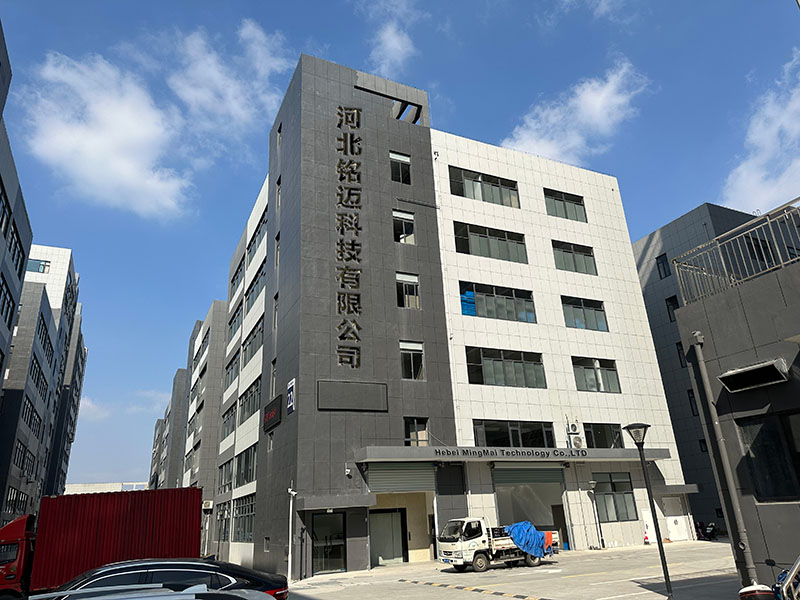
Automatic HDPE Sheet Welder | Hebei Mingmai | 10% | N/A |
Frame strength also matters. A strong frame keeps your machine steady and helps it last longer. If you plan to use your machine outdoors, look for weather-resistant features and temperature compensation systems. These help your machine work well in any season.
Tip: Always check for ISO or CE certifications. These show the machine meets global quality standards.
Safety
Safety should always come first in your workshop. Modern butt welding machines must meet strict safety standards. You want a machine that protects you and your team from accidents. Look for machines that follow these important standards:
Standard | Scope | Key Requirements | Applications | Advantages | Limitations |
|---|---|---|---|---|---|
ISO 21307 | Polyethylene pipe welding for water and gas | Temperature control, three-stage pressure, data logging recommended | Water, gas pipelines | Global acceptance, flexible sizes | Less real-time data tracking |
DVS2207/1 | High-precision welds for industry | No surface porosity, temp gradient limits, post-weld inspection | Chemical plants, mining pipelines | Strict quality, versatile materials | Complex documentation |
ASTM F2620 | Gas pipelines, high-pressure systems | 24-hour pressure test, hydraulic precision, third-party certification | Offshore gas, cooling systems | High safety, automation compatible | Higher equipment costs |
Some machines come with extra safety features like emergency stop buttons, automatic shut-off, and clear warning lights. These features help you avoid accidents and keep your team safe.
Heating and Pressure Control
Getting the right weld depends on how well your machine controls heat and pressure. If the temperature is off by just a few degrees, your weld can fail. Too little pressure makes weak joints. Too much pressure can cause cracks or other problems. You need a machine that keeps both heat and pressure steady.
Precise heating and pressure control help you get strong, clean welds every time.
Inconsistent pressure can lead to weak spots or leaks.
Good control systems boost your productivity and keep your welds safe.
Modern machines often include digital temperature management. This keeps the fusion process within a tight range, usually within ±3°C. Some machines also have touchscreen controls. You can log in, track your projects, and even run remote diagnostics.
Feature | Description |
|---|---|
Digital Temperature Management | Keeps fusion within ±3°C for stronger joints |
Operator Interface & Data Control | Touchscreen for login, project tracking, remote diagnostics |
Project Tracking | Lets you monitor jobs for better management and quality assurance |
Data logging tracks every weld and keeps quality records.
You can access weld data by USB for easy compliance checks.
These features help you meet industry standards and pass inspections.
When you shop for a butt welding machine for sale, match the specs to your workshop needs. Think about these factors:
Factor | Description |
|---|---|
Environmental Adaptability | Weather-resistant, temperature compensation for outdoor work |
Maintenance and Support | Easy service access, clear maintenance guides |
Machine Size and Pipe Compatibility | Handles all pipe sizes you use now and in the future |
Power Source and Heating Element | Accurate temperature control, fits your workshop’s power supply |
Pressure Control Systems | Reliable gauges, automated pressure maintenance |
Data Recording and Quality Control | Built-in data logging for quality checks |
Jobsite Mobility Requirements | Easy to move and set up wherever you need it |
Warranty and After-Sales Support | Good warranty, training, and technical help |
Note: The right features make your machine safer, more reliable, and easier to use. Always check if the machine fits your current and future projects.
Choosing a Butt Welding Machine for Sale
When you start looking for a butt welding machine for sale, you want to make sure it fits your workshop and your projects. Let’s break down what you need to check before you buy.
Size and Compatibility
The first thing you should look at is the size range of the machine. Not every butt welding machine for sale will work with the pipes you use. Some machines handle small pipes, while others are built for big industrial jobs. Here’s a quick table to help you see the differences:
Machine Type | Pipe Size Range | Operation Type | Key Features |
|---|---|---|---|
Semi-Automatic Machine | 63mm – 315mm | Hydraulic control | Precision welding, portable setup |
Automatic CNC Machine | 160mm – 630mm | Fully automated | Touch screen control, high productivity |
Workshop Welding Machine | 200mm – 1200mm | Stationary unit | Ideal for prefabrication & production |
If you mostly work with pipes under 315mm, a semi-automatic machine might be perfect. For bigger jobs, you’ll want a workshop welding machine. Always check the pipe size range before you buy. This way, you won’t end up with a machine that’s too small or too big for your needs.
Tip: Think about the future. If you plan to take on larger projects, pick a machine that can handle bigger pipes, even if you don’t need it right now.
Cost and Value
Price matters, but it’s not the only thing you should think about. When you look at a butt welding machine for sale, you’ll see prices all over the place. Some machines cost less than $1,000, while others go up to $300,000. Here’s a table to show you the range:
Machine Type | Price Range (USD) |
|---|---|
General Butt Welding Machine | $1,400 – $300,000 |
Automatic Pipe Flange Butt Welding Machine | $20,100 – $300,000 |
Hot Sale Best Price Automatic Candid China Weld Butter Butt Welding Machine | $1,518 – $1,670 |
Butt Welding Machine with High Efficiency | $1,500 – $20,000 |
Semi-Automatic HDPE Pipe Welding Machine | $12,000 – $12,500 |
AC Intermediate Frequency Welding Machine | $990 – $999 |
Thermofusion Butt Welder | $1,050 – $1,100 |
Hydraulic Plastic Jointing Equipment | $10,200 – $10,350 |
You might wonder why the prices are so different. Here are some reasons:
Machines with more features or higher automation cost more.
The type of materials you can weld affects the price.
Bigger machines for larger pipes usually cost more.
Don’t just look at the price tag. Think about what you get for your money. A more expensive machine might save you time and labor, which means you finish jobs faster and make more money. Newer machines with smart controls can also help you cut down on mistakes and repairs.
The market for these machines is growing fast. Many workshops upgrade to new models because they want better efficiency and lower labor costs. If you invest in a modern butt welding machine for sale, you could see a good return on your money over time.
Note: Always compare machines based on features, not just price. Look for adjustable heat settings, easy controls, and strong build quality.
Support and Warranty
Support and warranty are just as important as the machine itself. You want to know that if something goes wrong, you can get help fast. Most butt welding machines last 7 to 10 years if you take care of them. But repairs can get expensive, especially for hydraulic parts.
Warranties usually cover 2 to 3 years for key parts. This can save you a lot of money if you need repairs early on. Here’s what some top brands offer:
Manufacturer | Warranty | After-Sales Support Options |
|---|---|---|
McElroy | 2 years | Training, troubleshooting, maintenance support, custom solutions |
WELPING | 18 months | Technical support, diagnosis via photos/videos, assistance for out-of-warranty products |
You should also look for these support options:
Training for you and your team
Troubleshooting help by phone or video
Maintenance support and spare parts
Custom solutions for special projects
If you buy a butt welding machine for sale from a company with good support, you’ll have fewer headaches down the road.
When you compare machines, check reviews and talk to other workshop owners. Reliable brands like Leister Technologies, Widos, and Polyweld have strong reputations for support and quality. Make sure the machine meets industry standards and comes with the right certifications.
Checklist for Choosing the Right Machine:
Match the pipe size range to your projects.
Balance the price with the features you need.
Check the warranty and after-sales support.
Pick a machine that can grow with your workshop.
Make sure it meets safety and quality standards.
Choosing the right butt welding machine for sale is a big decision. Take your time, ask questions, and think about what will work best for you now and in the future.
Innovations for 2025
Smart Controls
You’ll notice big changes in butt welding machines for 2025. Smart controls make your job easier and safer. Machines now use IoT integration, so you can monitor and collect data in real time. This helps you keep track of every weld and spot problems before they slow you down. You get user-friendly interfaces that let you adjust settings with just a few taps. The machine can even change settings automatically based on the pipe material and thickness. You don’t have to guess or waste time with trial and error.
Here’s what you get with smart controls:
Automatic adjustment for different materials and thicknesses.
Easy-to-use screens for quick navigation.
Real-time monitoring for steady weld quality.
Built-in safety features to protect you and your team.
Lightweight designs for easy transport.
Smart controls help you finish jobs faster and with fewer mistakes. You spend less time fixing errors and more time getting work done.
Energy Efficiency
You want a machine that saves power and cuts costs. New butt welding machines use high-efficiency transformers and inverter technology. These upgrades mean your machine uses less electricity than older models. Traditional machines often waste energy because they lack these features. With energy-efficient machines, you lower your bills and help the environment.
Advancement Type | Description |
|---|---|
Energy Efficiency | Machines use less power and create less waste. |
Data Analytics Integration | Predictive maintenance helps you avoid downtime and boosts efficiency. |
Energy-efficient machines let you work longer without worrying about high power bills. You also do your part to reduce waste.
Advanced Safety
Safety matters more than ever. Butt welding machines in 2025 come packed with new safety features. You get digital temperature controls for precise welding. Ergonomic handles make the machine comfortable to use. Automated trimming systems speed up your work and keep you safe. Emergency stops let you shut down the machine instantly if something goes wrong. Stable clamping keeps pipes secure, so accidents are less likely.
Feature | Description |
|---|---|
Digital Temperature Controls | Keeps welds precise and safe. |
Ergonomic Handles | Reduces fatigue and improves comfort. |
Automated Trimming Systems | Makes welding faster and safer. |
Emergency Stops | Shuts down machine quickly in emergencies. |
Stable Clamping | Holds pipes steady to prevent mishaps. |
Logging Welding Parameters | Tracks welds for quality assurance. |
Safety Feature | Description | Impact on Safety |
|---|---|---|
Safety Interlocks | Stops unsafe operation | Reduces accidental activation |
Emergency Stops | Immediate shutdown in emergencies | Minimizes injury risk |
Temperature Controls | Monitors and regulates heat | Prevents overheating and fires |
With these safety upgrades, you protect yourself and your team. You also meet strict industry standards and keep your workshop running smoothly.
You want the right butt welding machine for your workshop. Start by following these steps:
Think about the welding material and thickness.
Check the welding process and your production needs.
Look at weld quality, reliability, and safety features.
Review costs and support options.
Mistakes happen when you skip these steps. Here’s how to avoid them:
How to Avoid It | |
|---|---|
Wrong electrode | Match electrode to material and position. |
Poor joint preparation | Use the right joint type and bevel edges. |
Improper equipment use | Maintain and set up your machine correctly. |
Make a shortlist by comparing features, support, and warranty. Plan for upgrades like safer covers, better controls, and easy maintenance. This way, you set your workshop up for success now and in the future.
FAQ
What pipe materials can I weld with a butt welding machine?
You can weld HDPE, PP, and PVDF pipes with most modern butt welding machines. Always check your machine’s specs to make sure it matches your pipe material.
How often should I maintain my butt welding machine?
You should clean and inspect your machine after every use. Schedule a full maintenance check every 3 to 6 months. This keeps your machine running smoothly and safely.
Do I need special training to use an automatic butt welding machine?
Yes, you should get basic training. Automatic machines are easier to use, but you need to know how to set them up and follow safety steps. Many suppliers offer training sessions.
What safety features should I look for?
Look for these safety features:
Emergency stop button
Automatic shut-off
Clear warning lights
These features help protect you and your team during every weld.