You need pipe joints that do not leak in water projects. A manual butt fusion welding machine helps you join HDPE, PP, and PVDF pipes. The SWT-V160M makes welding strong and safe. Pipe joints can fail if they are not lined up right. Here are some ways joints can be misaligned:
Type of Misalignment | Causes of Misalignment |
|---|---|
Hi-lo misalignment | Pipes are cut the wrong way |
Lateral misalignment | Pipes do not have enough support |
Angular misalignment | Pipes are handled wrong or get damaged |
Vertical offset | Pipes do not fit well or are measured wrong |
Key Takeaways
The SWT-V160M manual butt fusion welding machine makes strong joints. These joints do not leak. It works for HDPE, PP, and PVDF pipes. This helps water systems last a long time.
Getting pipes ready and lined up is very important. Clean the ends of the pipes. Put them in clamps. Make sure they are straight. This helps stop leaks.
Always follow safety rules. Wear safety gear. Take care of the machine often. This keeps welding safe and works well.
Manual Butt Fusion Welding Machine Overview
What Is a Manual Butt Fusion Welding Machine
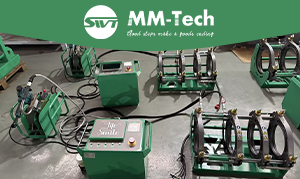
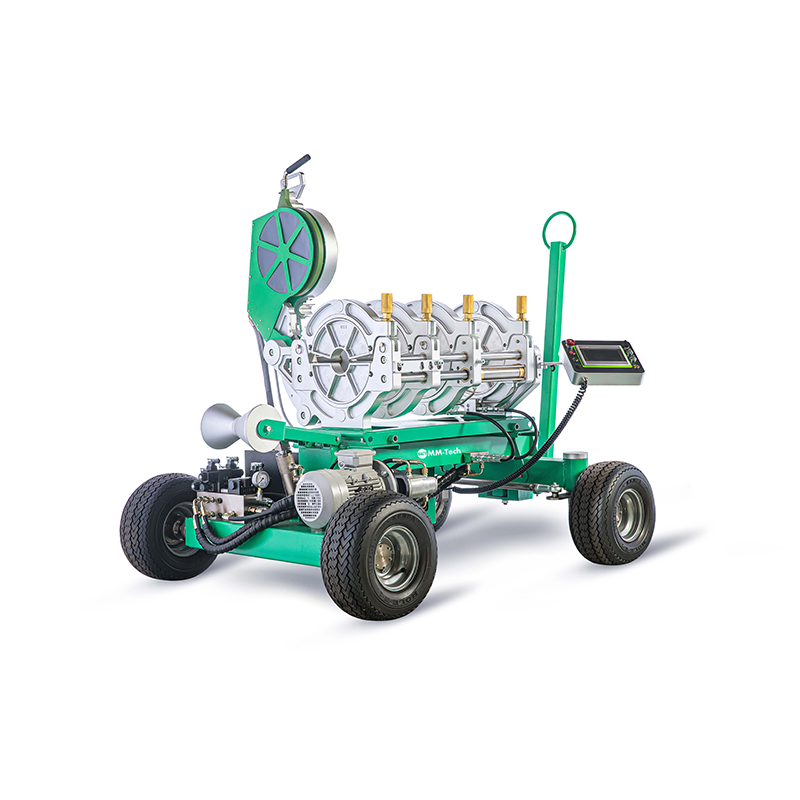
A manual butt fusion welding machine helps join plastic pipes. People use it for water projects in cities and towns. The machine heats the ends of two pipes. When the pipes get hot enough, you press them together. The melted ends stick and form a strong joint. This joint does not leak. It helps water systems work well for a long time.
The main parts of the manual butt fusion welding machine work together. Each part has a job to do:
Component | Function |
|---|---|
Heating Element | Heats two pieces of thermoplastic material to a specific temperature for fusion. |
Clamps | Holds the pipe or fitting in place during welding, adjustable for different sizes. |
Pressure Gauge | Measures the pressure applied to the fusion joint, ensuring proper fusion conditions. |
Facing Tool | Prepares the ends of the pipe for welding, ensuring a clean surface for a strong bond. |
Key Features of SWT-V160M
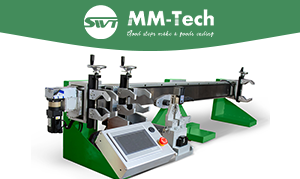
The SWT-V160M manual butt fusion welding machine has special features. These features make it safe and easy to use. There is a heating plate with a handle and a digital screen. You can set the temperature up to 300ºC. The heating plate has Teflon coating. This helps heat every pipe evenly. The machine weighs 59 kg. You can carry it in a strong plywood box.
Safety is important when using welding machines. The SWT-V160M has a trimmer with a safety switch. This switch stops accidents while you work. The Teflon-coated heating plate lets you control the temperature by itself. This adds more safety.
Safety Feature | Description |
|---|---|
Trimmer with safety switch | Prevents accidental operation during use. |
Teflon-coated heating plate | Offers independent temperature control for safety. |
Supported Pipe Materials and Sizes
You can use the SWT-V160M manual butt fusion welding machine with many pipes. It works with pvc, PP-R, PE, and PVDF pipes. The machine fits pipes from 50 mm to 160 mm wide. This size range is good for most city water projects.
Material | |
|---|---|
PP-R | 50-160MM |
PE | 50-160MM |
PVDF | 50-160MM |
Tip: Always check the pipe type and size before welding. This helps you get the best results with your manual butt fusion welding machine.
Equipment Selection and Preparation
Choosing the Right Welding Machine
You have to pick the best welding machine for your water project. The SWT-V160M is good for small and medium jobs. It is not heavy, so you can carry it easily. The strong box keeps it safe when you move it. This machine is great for quick repairs or work far from the city. You can use it to fix pipes fast and for short pipe jobs.
Here is a table to help you look at important things when picking a manual butt fusion welding machine:
Criteria | Description |
|---|---|
Project Scale | Manual machines are better for small jobs. Big jobs may need automatic machines. |
Budget | Manual machines are cheaper at first. |
Operator Expertise | Manual machines need workers who know what to do. |
Efficiency Requirements | Automatic machines are faster for big jobs. |
Mandatory Project Requirements | Some rules say you must use certified machines. |
Tip: Always think about what your project needs before you pick a machine.
Preparing Pipes and Work Area
You need to get your pipes and work area ready before welding. Do these steps to get the best results:
Wipe the pipe ends with a clean cloth to get rid of dirt and grease.
Put the pipe in the clamps and make sure it is straight.
Use a trimmer tool to make the pipe ends smooth and flat.
Wear gloves, safety glasses, and clothes that protect you from heat.
Make sure your work area is clean, dry, and safe.
Check your welding machine and safety gear before you start.
Keep your work area bright and let air move through.
Take away anything that can catch fire.
Follow the instructions from the company that made the machine.
Note: Getting ready the right way helps you make strong, leak-free joints and keeps you safe.
Welding Guidelines for Municipal Water Projects
Machine Setup and Calibration
You must set up your manual butt fusion welding machine before you start. Place the machine on a flat, stable surface. Plug in the heating plate and check the digital display. Set the welding temperatures based on the pipe material. For HDPE, use a range between 200°C and 240°C. This temperature helps you get strong, leak-proof welds. For pvc and PVDF, always follow the manufacturer’s instructions for the right settings.
Check that all parts of the machine work well. Look at the clamps, trimmer, and safety switch. Make sure the heating plate is clean and free from old plastic. Calibrate the temperature control so it matches the display. This step keeps your welds consistent and safe.
Tip: Always let the heating plate reach the set temperature before you start welding. This helps you avoid weak joints.
Pipe Alignment and Clamping
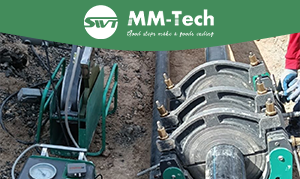
Proper pipe alignment is key for watertight integrity. You need to secure both pipe ends in the clamps. Make sure there are no gaps between the ends. Adjust the clamps if one side is higher than the other. Aim for a smooth fusion point that looks like a single piece of pipe.
Here are some best practices for alignment and clamping:
Lock the pipe ends into place without leaving spaces.
Tighten the clamp on the side that sits too high.
Check the alignment from top to bottom.
Adjust until you see a seamless transition between the two pieces.
Method | Description |
|---|---|
Specialized Clamps | Narrow clamp designs help align pipe ends perfectly, preventing misalignment during welding. |
Tight Grip | Clamps grip the pipe tightly to ensure secure clamping. |
Alignment Check | Allows for checking alignment before starting the fusion process, ensuring accuracy. |
If you do not align the pipes correctly, you may face problems:
Leaks at the joints can cause soil erosion and ground instability.
Gaps can let debris build up, leading to blockages.
Over time, pressure from shifted soil can make the pipe collapse.
Note: Taking time to align and clamp the pipe well will protect the integrity of your project.
Heating and Fusion Steps
You must follow the critical welding steps to get strong welds. Start by pressing the pipe ends against the heated plate. Wait until the ends melt and form a soft bead. For HDPE, keep the ends on the plate until they reach the right softness. This usually takes a few minutes, depending on the pipe size.
Remove the heating plate quickly and press the melted ends together. Hold them with steady pressure. Do not twist or move the pipes during this step. The joint should look even and smooth.
Here are the key indicators of a successful fusion:
Key Indicator | Description |
|---|---|
Ensure enough heating time for melting without overheating. | |
Cleanliness | All surfaces must be clean for a strong bond. |
Correct Alignment | Pipes should be aligned properly before joining. |
Cooling Process Management | Avoid movement during cooling to prevent weakening of joints. |
Tip: Always use clean tools and keep the work area free from dust and grease. This helps you make strong, reliable welds.
Cooling and Inspection
After joining the pipes, let the weld cool without moving the joint. For pipes with a diameter of 6 to 24 inches, allow at least 11 minutes of cooling time per inch of wall thickness. This cooling time keeps the joint strong and prevents cracks.
You must inspect the welds to make sure they meet the standards for municipal water systems. Use these inspection methods:
Inspection Method | Description |
|---|---|
Check the surface features, such as the external weld bead and alignment. | |
De-beading Technique | Remove the external weld bead and bend it back to check for contamination. |
Volumetric Non-Destructive Testing | Use Ultrasonic Testing (UT) to find hidden flaws and check the weld’s integrity. |
Look for a smooth, even bead around the joint. The bead should not have gaps or cracks. If you see any problems, cut out the bad section and repeat the welding process.
Callout: Careful cooling and inspection help you achieve watertight integrity and long-lasting welds in every project.
Butt Fusion Advantages
Leak-Proof Joints
You want your water system to work well. Butt fusion joins pipe ends using heat and pressure. This makes the joint strong and smooth. There are no weak spots, so leaks do not happen. You do not need flanges or rubber gaskets. You also do not need extra parts that can break. The pipe material melts together and becomes one piece. This gives the joint the same strength as the pipe. Butt fusion works for pipes under high stress and pressure. Glued or mechanical joints can leak, but butt fusion joints do not. These joints last for many years, even underground. The fusion bead covers the joint and protects it.
Butt fusion welds keep water inside the pipe.
The joint does not let dirt or roots get in.
The fusion bead adds a layer that keeps the joint safe.
Durability and Efficiency
You want pipes that last a long time. Butt fusion welded joints in HDPE pipes can last fifty years or more. The fusion process makes a tough connection. It can handle high pressure and stress. The fusion bead helps stop damage and keeps the joint strong. You save money and time with butt fusion. It lowers repair costs and helps water flow well. The process is fast, especially with machines that work by themselves.
Benefit | Description |
|---|---|
Durable Connections | Leak-proof joints help keep water safe. |
High Pressure Resistance | Smooth joints can handle lots of pressure. |
Reduced Operational Costs | Less fixing means your water system works better. |
Quick Installation | Machines and easy steps make the job faster. |
Industry Standards Compliance
You must follow rules for water projects. Butt fusion welding meets standards like ISO 12176, DVS 2207, and ASTM F2620. These rules make sure your work is safe and strong. The fusion bead helps you meet these standards by protecting the joint. You can use butt fusion for many kinds of pipe, like pvc, and know you are doing it right.
Standard | Description |
|---|---|
ISO 12176 | Rules for butt fusion welding machines |
DVS 2207 | German rules for butt fusion welding |
ASTM F2620 | American rules for butt fusion welding |
Tip: Always check your machine and process to make sure they follow the rules before you start.
Common Challenges and Solutions
Alignment Issues
Sometimes, pipes do not line up right when welding. You might see joints that look crooked. Weld beads can look uneven too. This means the pipe is not clamped tight enough. Sometimes, the machine does not center the pipe well. You can stop these problems by using machines with automatic centering. Rigid clamps and guide rails help keep pipes straight. Another problem happens after cooling. If you let go of the pipe too soon, the edges can pull apart. This is because the pipe shrinks as it cools. Always keep the pipe clamped until it is cool. For big pipes, change the preheat to help stop shrinking.
Issue | Symptoms | Causes | Solutions |
|---|---|---|---|
Crooked joints, bead shape changes | Pipe not clamped tight or bad machine alignment | Use automatic centering and strong clamps. | |
Misalignment from Pipe Shrinkage During Cooling | Weld moves after cooling, edges pull apart | Letting go too soon or pipe shrinking | Keep pipe clamped until cool. Change preheat for big pipes. |
Tip: If you line up and clamp pipes well, you will not get leaks. Your pvc pipe joints will stay strong.
Heating Inconsistencies
Heating problems can make welds weak. Check the heating plate for dirt before you start. A clean plate heats pipes evenly. Set the temperature for your pipe type. If the power changes, heating can be uneven. Use a voltage stabilizer to fix this. Follow these steps for better welds:
Clean the heating plate before you weld.
Pick the right temperature for your pipe.
Check the power and use a stabilizer if you need it.
Environmental Factors
Welding outside can be hard. Humidity makes pipes wet. Wet pipes can turn water into steam. Steam stops heat from spreading well. This can make weak joints. Humidity also rusts machine parts. Rust can make pipes line up wrong and heat unevenly. You need a plan to stop rust. Dry the pipe before welding. Keep machines in dry places. Check for rust often and follow your plan to keep machines safe.
Note: If you have a good plan to stop rust, your machine will last longer. Your welds will stay strong.
Safety and Maintenance
Safety Precautions
You need to follow safety steps when using the manual butt fusion welding machine. These steps help keep you safe and make strong pipe joints. The table below lists important safety rules and what they mean for your work:
Safety Precaution | Description |
|---|---|
Pipe Cleaning | Clean pipe ends well to get rid of dust, dirt, and grease. |
Temperature Control | Keep the heating plate between 200°C and 250°C so the pipes melt right. |
Pressure Control | Change the pressure for each pipe size and material to stop weak welds. |
Cooling Time | Hold the pressure until the joint cools to stop cracks or bending. |
Equipment Maintenance | Check and fix the machine often to get good welds. |
Operating Standards | Learn the safety rules and follow them every time you work. |
Environmental Requirements | Cover the welding area from wind, sand, or rain for the best results. |
Tip: Always wear gloves and eye protection. This keeps you safe from burns and sparks.
Routine Maintenance
You need to take care of your welding machine so it works well. Follow these steps for routine maintenance:
Turn off the power and unplug wires after you finish.
Put the machine in a dry place to stop rust.
Clean off dust and look for oil leaks often.
Check electrical parts and clamps for damage.
Set temperature and pressure controls as the maker says.
Write down maintenance and teach all workers.
Keep the machine safe from heat, dust, and wet air to stop rust.
Note: Regular care helps your machine last longer. It also helps protect your pvc pipe systems.
Troubleshooting
If you see problems like uneven welds or leaks, check the machine for loose parts or dirt. Look for rust on metal parts. Make sure the heating plate gets hot enough. If you find oil leaks or broken wires, fix them before welding again. Good troubleshooting helps keep cathodic protection working and stops future problems.
Callout: Fast action and good protection keep your machine safe and your pipe joints strong.
Support and Warranty
MM-Tech Service and Training
You get more than just a machine when you choose the SWT-V160M. MM-Tech gives you strong support and training. You can ask for help if you have questions about your welding machine. MM-Tech offers custom solutions for your project needs. You can join training programs to learn how to use the machine the right way. If you have a problem, you can get help at your work site. MM-Tech also gives you after-sales service to keep your machine working well.
Here is a table that shows the types of support and training you can use:
Type of Support/Training | Description |
|---|---|
Custom Manufacturing | Get solutions made for your special project needs. |
Technical Support | Receive help for troubleshooting and using your machine. |
Comprehensive Training | Learn with in-depth programs to use the machine safely and well. |
After-Sales Service | Keep your machine in top shape with ongoing support. |
On-Site Solutions | Get help at your location when you need it most. |
Premium Service | Enjoy high-quality service for your important projects. |
Tip: You can always reach out to MM-Tech for guidance or extra training. This helps you get the best results from your welding machine.
Warranty Coverage
You get peace of mind with the SWT-V160M. MM-Tech gives you a 24-month warranty. This warranty covers the main parts of your machine. If you find a problem during normal use, MM-Tech will repair or replace the part. You do not have to worry about extra costs for covered repairs. Always keep your purchase documents safe. Show them if you need warranty service.
The warranty helps protect your investment.
You can trust your machine to last for many projects.
MM-Tech stands behind the quality of the SWT-V160M.
Note: Read the warranty terms in your manual. This helps you know what is covered and how to get service if you need it.
You can make pipe joints that do not leak with the SWT-V160M manual butt fusion welding machine. Always use safety steps and follow welding rules. Pick good equipment for your project. Use support and warranty to keep your work safe and get good results.
FAQ
How do you ensure better installation with a manual butt fusion welding machine?
You should clean pipe ends, align them carefully, and follow each welding step. This process gives you better installation and strong, leak-proof joints.
Can you use the SWT-V160M for cleaning pipes before welding?
You can use pvc and kee hp membrane cleaner to remove dirt and grease from pipe ends. Clean pipes help you make strong welds.
What safety gear should you wear during butt fusion welding?
You should wear gloves, safety glasses, and protective clothing. These items protect you from heat and sharp tools.