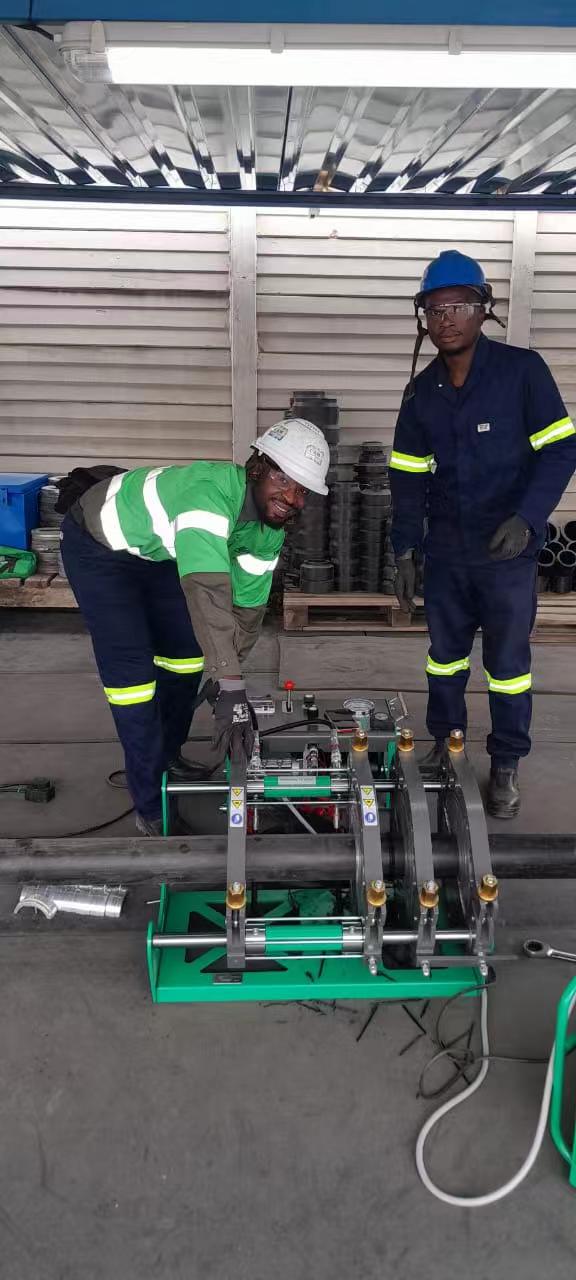
Choosing the right welding method for plating jobs depends on a few important things. The thickness of the material often helps pick the best way. How strong the weld is matters for safety and how long it lasts. What the project needs can also change the choice. Knowing when to use an extrusion welder helps make sure the results are strong and dependable.
Key Takeaways
Choose an extrusion welder for thick materials and strong joints. It is ideal for building or repairing large plating tanks.
Use a hot-air welder for thin sheets and small repairs. It is lightweight and perfect for detailed work in tight spaces.
Consider the thickness of the material and the type of joint needed. This will help you select the right welder for your project.
Extrusion vs. Hot-Air Welders: Comparison
Key Differences
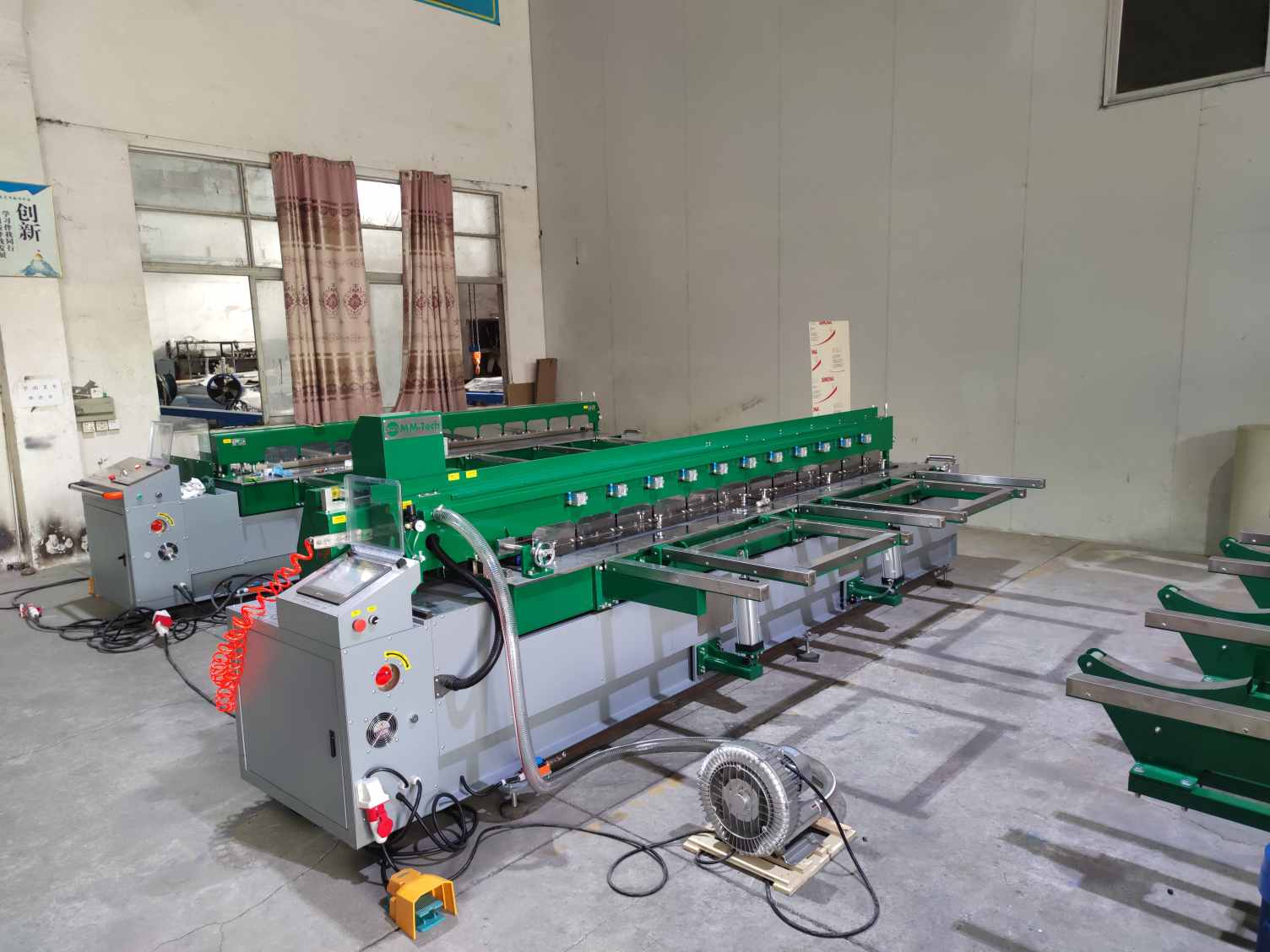
The main difference between an extrusion welder and a hot air welder is how they join plastic. An extrusion welder uses a screw to push melted plastic into the joint. A hot air welder blows heated air to melt the edges of the plastic. The sheet butt fusion welding machine joins large sheets by heating and pressing them together.
Feature | Extrusion Welder | Hot Air Welder | Sheet Butt Fusion Welding Machine |
|---|---|---|---|
Material Thickness | Thick | Thin to medium | Large sheets |
Weld Strength | High | Moderate | Very high |
Speed | Fast for thick joints | Fast for small areas | Fast for large sheets |
Typical Uses in Plating
Plating tanks and pipes often need strong, leak-proof joints. The extrusion welder works best for thick plastic walls and large tanks. Hot air welders are good for thin sheets, small repairs, and detailed work. Sheet butt fusion welding machines are used for joining big sheets before making tanks.
Tip: Use a hot air welder for small fixes and an extrusion welder for building or repairing thick tanks.
Pros and Cons
Extrusion Welder
Pros: Strong welds, good for thick materials, fast for big jobs.
Cons: Heavier, needs more skill.
Hot Air Welder
Pros: Lightweight, easy to use, great for small or detailed work.
Cons: Not for thick materials.
Sheet Butt Fusion Welding Machine
Pros: Best for joining large sheets, strong seams.
Cons: Not for small repairs.
When to Use an Extrusion Welder
Ideal Scenarios
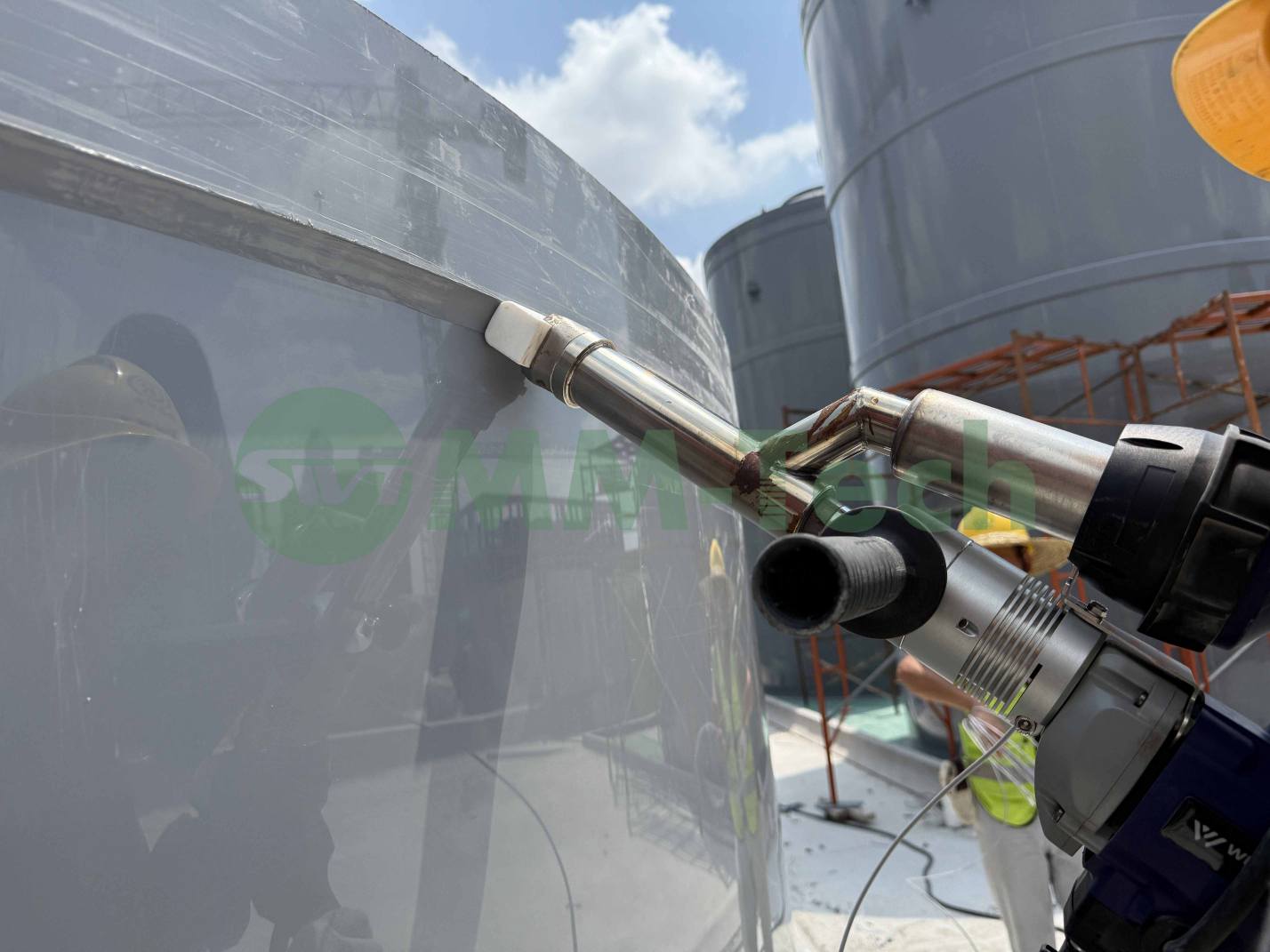
An extrusion welder works best for jobs that need strong and thick joints. Plating tanks often use thick plastic sheets. Pipes in plating systems must handle chemicals and pressure. Large tanks and pipes need welds that will not leak. The extrusion welder can join thick sections quickly. It is a good choice for building new tanks or repairing old ones.
Note: Use an extrusion welder when the material is thick and the weld must be strong.
Advantages and Limitations
The extrusion welder offers several advantages for plating tasks:
It creates strong welds that last a long time.
It works well on thick materials, such as tank walls and pipe fittings.
It can finish big jobs faster than other welding methods.
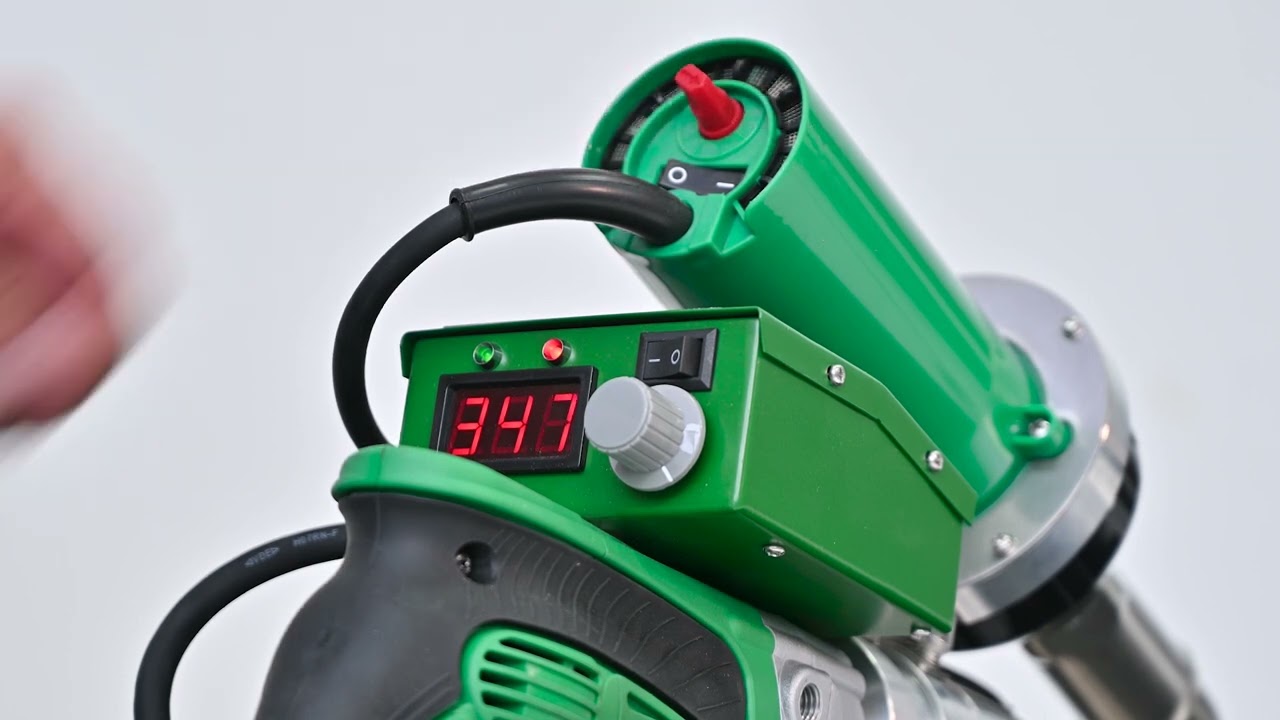
The MM-Tech SWT Hand Extruder series includes models like SWT-NS600 and SWT-610. These models have features that help users work with different materials. The SWT-610 series is lightweight and easy to use in tight spaces. The SWT-NS600 series is built for precision and durability. Both series help users make reliable welds.
Feature | Benefit |
|---|---|
Strong welds | Prevents leaks and failures |
Fast operation | Saves time on large projects |
User-friendly controls | Easy for beginners and experts |
Some limitations exist. The extrusion welder is not ideal for thin materials. It works best on thick sections. It may require more skill to operate than a hot air welder.
Plating Industry Examples
Plating tanks must hold chemicals safely. Many factories use extrusion welders to build these tanks. For example, a company may use the MM-Tech SWT Hand Extruder to weld the corners and seams of a large tank. Pipes that carry plating solutions also need strong joints. Workers use extrusion welders to join pipe sections and repair leaks.
Building a new plating tank with thick plastic walls
Repairing a crack in a large tank seam
Joining pipes for chemical transport
🛠️ Tip: The MM-Tech SWT Hand Extruder helps users make strong and reliable welds in plating tanks and pipes. It is a trusted tool for many professionals in the plating industry.
When to Use a Hot-Air Welder
Best Applications
Hot-air welders work best for thin plastic sheets and small parts. These tools use a stream of hot air to melt the edges of the plastic. The melted edges join together and form a strong bond. Hot-air welders help workers make neat and precise welds. Many people use them for detailed work where accuracy is important.
Some common uses include:
Sealing seams on thin plastic liners
Repairing small cracks or holes in tanks
Welding corners and edges in tight spaces
Making small fittings for plating systems
The MM-Tech hot air welder is a good example of this tool. It is lightweight and easy to hold. Workers can use it for long periods without getting tired. The MM-Tech hot air welder heats up quickly and gives users control over the temperature. This helps make clean and even welds.
Tip: Choose a hot-air welder when you need to work on thin materials or make detailed repairs.
Benefits and Drawbacks
Hot-air welders offer several benefits for plating tasks. They are simple to use and do not require much training. The tools are light and easy to move. This makes them perfect for working in small or hard-to-reach places. Hot-air welders also allow for careful control, which helps prevent damage to thin materials.
Here is a table that shows the main benefits and drawbacks:
Benefit | Drawback |
|---|---|
Easy to use | Not for thick materials |
Good for detailed work | Welds are less strong |
Lightweight and portable | Slower for large projects |
Quick setup and operation | May need more passes |
Hot-air welders do not work well on thick plastic. The welds are not as strong as those made by extrusion welders. For large or heavy-duty jobs, another tool may be better.
Common Plating Tasks
In the plating industry, hot-air welders help with many tasks. Workers use them to repair small leaks in tanks. They seal seams on thin liners that protect the inside of tanks. Hot-air welders also help make small parts, such as nozzles and fittings.
Here are some examples:
Fixing a pinhole leak in a tank wall
Sealing the edge of a plastic liner
Attaching a small fitting to a pipe
Repairing a corner seam inside a tank
Hot-air welders are different from extrusion welders. Extrusion welders work best on thick materials and large joints. Hot-air welders are better for thin plastics and detailed work. When choosing a tool, think about the size of the job and the thickness of the material.
Note: Use a hot-air welder for small, precise tasks. Use an extrusion welder for thick, heavy-duty jobs.
Small-Scale Internal Welding After Sheet Butt Fusion
Step-by-Step Process
After joining large plastic sheets with a sheet butt fusion welding machine, small internal welds may be needed. These welds help seal corners and reinforce seams inside plating tanks. Here is a simple process:
Clean the area where the weld will go. Remove dust and grease.
Mark the spot for the internal weld.
Choose the right tool. Use an extrusion welder for thick spots. Use a hot air welder for thin or small areas.
Heat the plastic edges until they start to melt.
Add filler material if needed. Move the tool slowly along the seam.
Let the weld cool before touching or testing it.
Tip: Always wear gloves and safety glasses when welding plastic.
Recommended Tools
The right tool makes the job easier and safer. Here is a table to help you choose:
Task Type | Best Tool |
|---|---|
Thick internal seams | Extrusion welder |
Small cracks or corners | Hot air welder |
The MM-Tech SWT Hand Extruder works well for thick welds. The MM-Tech hot air welder is best for detailed repairs.
Quality Tips
Keep the welding speed steady for smooth seams.
Check the weld for gaps or bubbles.
Practice on scrap plastic before working on the tank.
Let the weld cool fully before testing for leaks.
Note: Good internal welds help keep plating tanks safe and leak-free.
Choosing the Right Welder: Key Factors
Decision Criteria
Selecting the right welder for plating tasks depends on several important factors. First, look at the type of joint you need to weld. Thick joints or large seams often require an extrusion welder. Thin sheets or small repairs usually work best with a hot-air welder. Next, check the material thickness. Extrusion welders handle thick plastics, while hot-air welders suit thinner materials. Speed also matters. Large projects may need a faster tool like an extrusion welder. Consider your skill level. Some welders need more training to use safely. Budget is another key point. Choose a tool that fits your project and your resources.
Practical Tips
Here are some helpful tips to get the best results when choosing and using a welder for plating tasks:
Use copper-tungsten electrodes (RWMA-11) for a good mix of conductivity and hardness.
Design the electrode tip for steady weld current. A rectangular tip with a notch can help.
Try different weld heat profiles, such as Upslope/Weld, Dual Pulse, or Pulsation, to see what works best.
Keep negative polarity on the Dumet wire electrode to lower the chance of sticking.
Make the electrode wider to reduce sticking by keeping the tip cooler.
Tip: Testing on scrap material helps you find the best settings before starting your main project.
Questions to Ask
Before making your final choice, ask yourself these questions:
What is the thickness of the material I need to weld?
Do I need strong, leak-proof joints or small, precise repairs?
How much experience do I have with welding tools?
What is my budget for this project?
Will I need to work in tight or hard-to-reach spaces?
A simple checklist like this can help you pick the right welder for your plating tasks.
Picking the right welder for plating jobs depends on what your project needs.
Welding electrodes make sure the joints are strong and last a long time.
Think about how thick the material is, how strong the weld should be, and if the equipment works well together.
Look at the MM-Tech SWT Hand Extruder details to see if it is the best choice for your job.
FAQ
What is the main difference between extrusion and hot-air welders?
Extrusion welders use melted plastic for thick joints. Hot-air welders melt edges for thin materials and small repairs.
Can I use a hot-air welder for thick plating tanks?
Hot-air welders work best on thin sheets.
For thick tanks, extrusion welders give stronger, safer joints.
Which MM-Tech model suits tight spaces?
Model | Feature |
|---|---|
SWT-610 Series | Compact, easy to handle |