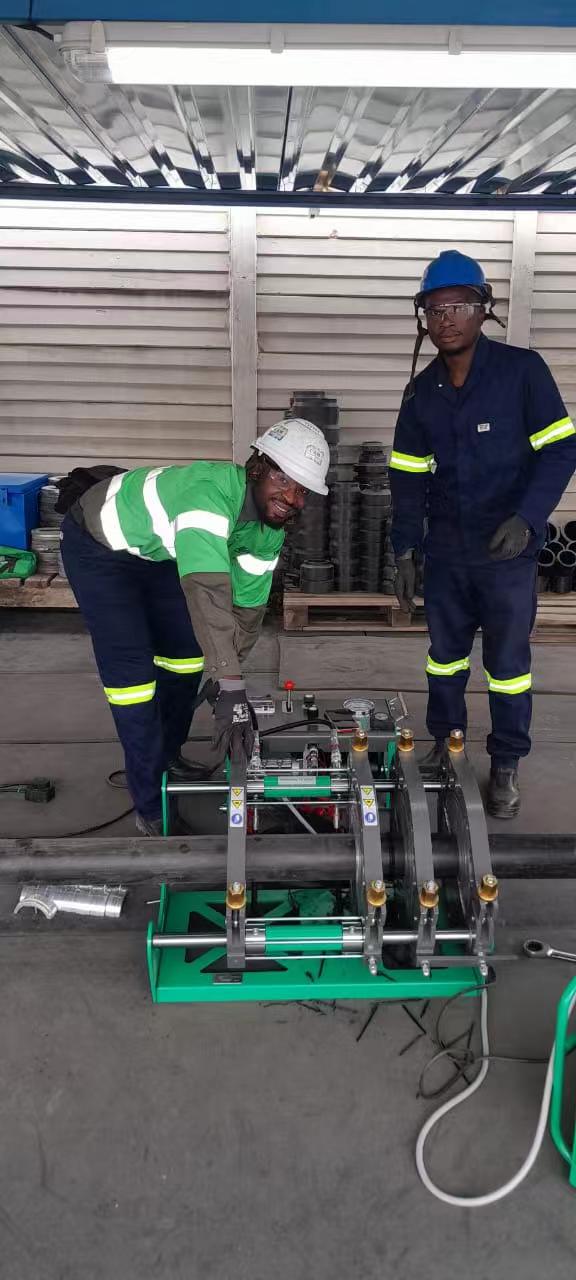
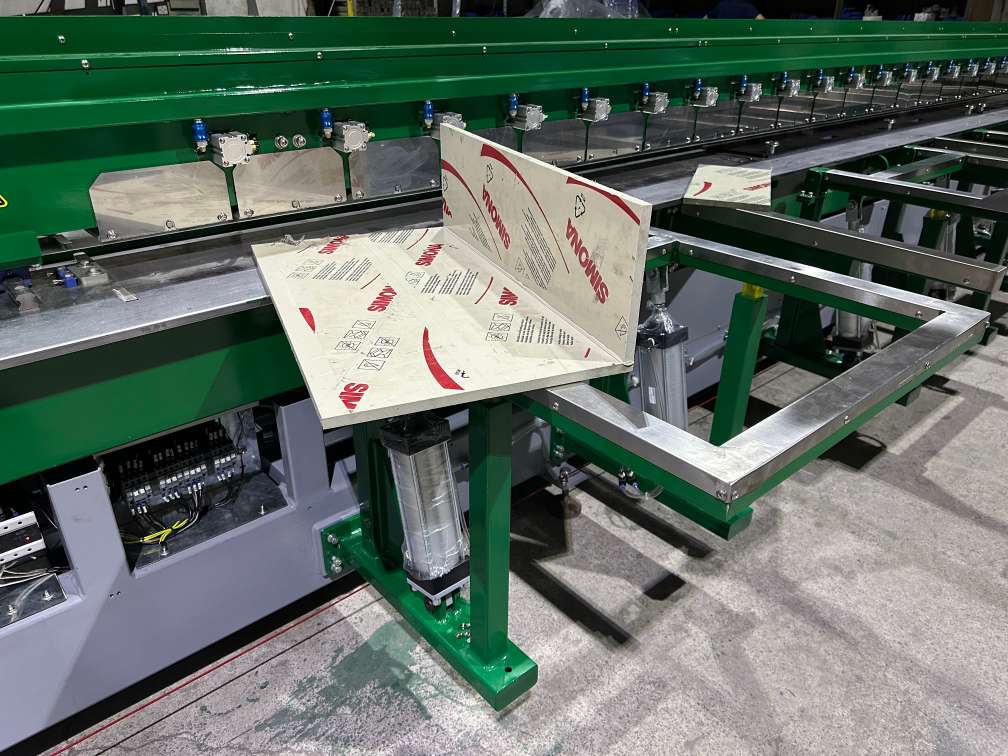
You can weld PP, PE, and PVC sheets easily using the MM-Tech Plastic Welding Machine for PP PE PVC sheet. MM-Tech leads the industry with reliable machines. You must select the correct welding method for each material. This helps you achieve strong, clean welds every time.
Tip: Always check your material type before starting the welding process.
Key Takeaways
Pick the correct MM-Tech machine for your plastic. Use butt fusion to make strong joints. Use hot air for fixing small spots.
Get your sheets ready before you start welding. Clean the surfaces well. Make sure there is good airflow. This helps make strong welds.
Watch the temperature and pressure carefully when welding. This stops weak joints from happening. It also helps the weld look neat.
MM-Tech Plastic Welding Machine for PP PE PVC Sheet
Machine Types and Functions
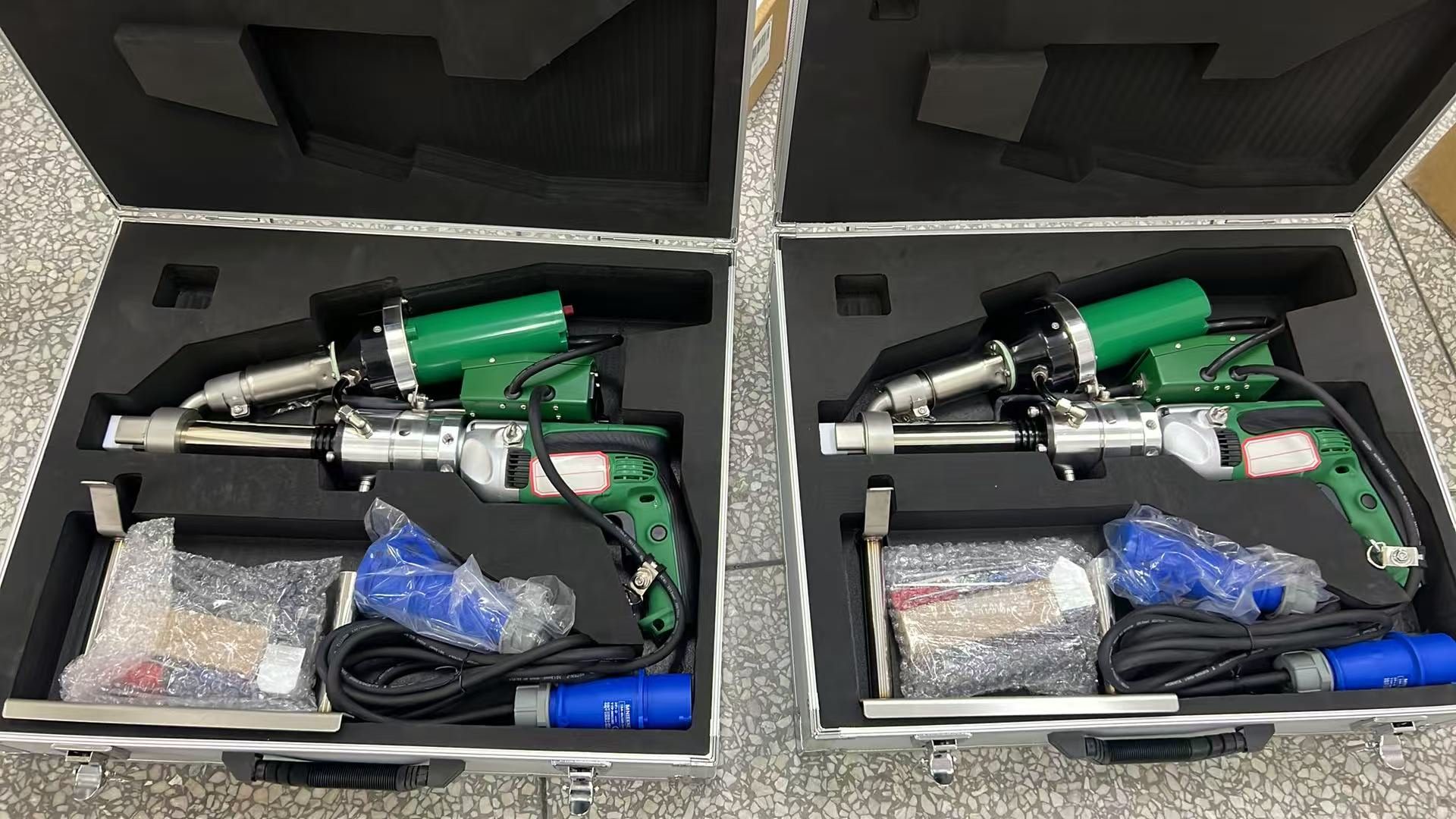
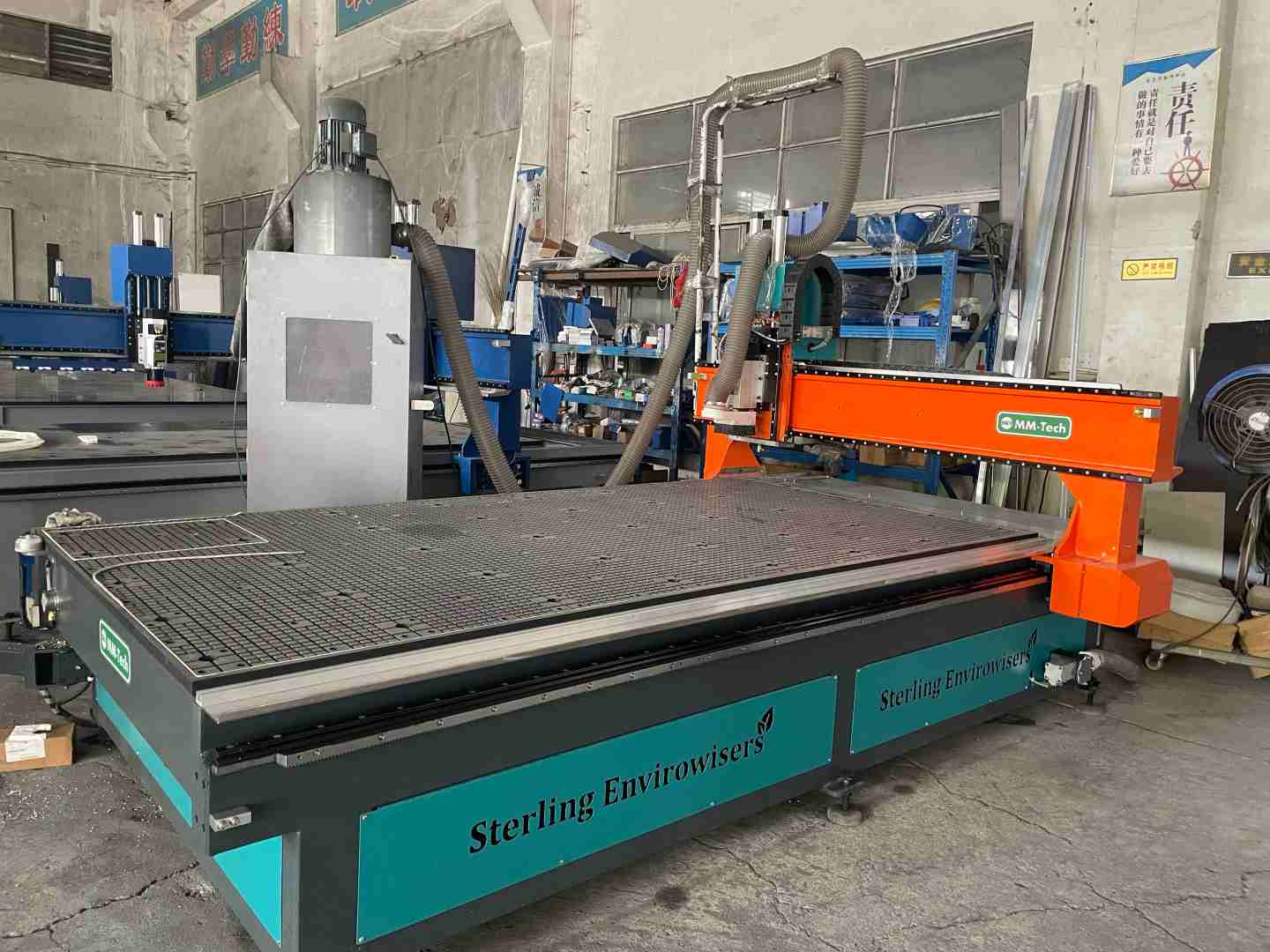
There are different MM-Tech Plastic Welding Machines for PP PE PVC sheet. You can pick from butt fusion machines, bending and welding machines, CNC routers, sheet cutters, hot air guns, and extrusion welders. Each machine does a special job. Butt fusion machines join sheets at the edges. This makes a strong and smooth joint. Bending and welding machines help you bend and connect sheets at angles. CNC routers and sheet cutters cut sheets to the size and shape you need. Hot air guns and extrusion welders are good for fixing things and doing small jobs. MM-Tech machines work well in the field or in a workshop. Many people all over the world use these machines. They like them because they are easy to use and work well.
Compatible Materials and Thickness
You can use the MM-Tech Plastic Welding Machine for PP PE PVC sheet with many plastics. These include PP, PE, PVC, PVDF, and ABS. The machines can weld solid sheets from 3 mm to 30 mm thick. For twin-wall sheets, you can weld up to 80 mm. This means you can use the machines for small fixes or big building jobs.
Welding Methods Overview
There are three main ways to weld: hot air welding, extrusion welding, and butt fusion welding. Hot air welding melts the sheet and filler rod with hot air. It is best for small seams and repairs. Extrusion welding is good for making tanks and big things. It uses a tool to put melted plastic into the joint. Butt fusion welding makes the strongest joints. It heats and presses the sheet edges together. You can see how they are different in the table below:
Welding Method | Best For | Equipment Used | Notes |
|---|---|---|---|
Hot Air Welding | Small seams, repairs | Hot air plastic welders | Lower strength |
Extrusion Welding | Structural seams, tanks | Handheld extrusion welders | Filler rod required |
Butt Fusion Welding | Full joints, pipelines | Plastic sheet butt welder | Highest strength |
Note: MM-Tech machines are made of strong steel. You can use them to build tanks and other strong things for building projects.
Step-by-Step Welding Guide
Preparation and Setup
You need to prepare your plastic sheets and MM-Tech Plastic Welding Machine for PP PE PVC sheet before you start welding. Follow these steps for a safe and effective setup:
Clean the surfaces of your sheets with isopropyl alcohol. This removes dirt and oil.
Avoid using too much solvent. Too much solvent can weaken the weld.
Allow enough drying time. This helps the sheets bond well.
Make sure your workspace has good ventilation. This keeps you safe from fumes.
Check that your MM-Tech Plastic Welding Machine for PP PE PVC sheet is working properly.
Set the machine to the correct temperature for your material.
Tip: Always wear safety gloves and goggles when you work with welding machines.
Welding PP Sheets
PP sheets need careful handling. You must use the right temperature and pressure. Here are the steps:
Set the welding temperature between 220°C and 260°C.
Align the sheets so the edges match perfectly.
Use the butt fusion method for strong joints.
Apply steady pressure during welding.
Let the weld cool before moving the sheets.
Common problems include uneven heating, process instability, and misalignment. You can solve these by:
Using a controlled butt fusion system with stable temperature and pressure.
Checking your equipment for proper performance.
Following the recommended welding temperatures.
Note: If you see bubbles or weak spots, check your machine settings and sheet alignment.
Welding PE Sheets
PE sheets are flexible and need precise control. You should follow these steps:
Set the welding temperature between 210°C and 240°C.
Clean and dry the sheets before welding.
Use butt fusion or extrusion welding for best results.
Keep the pressure even across the joint.
Allow the weld to cool slowly.
If you notice poor weld quality, make sure you apply enough energy and adjust the welding time. Dry sheets prevent seam contamination. Position the sheets correctly in the fixture.
Tip: Use fixture materials with low absorption rates to get better welds.
Welding PVC Sheets
PVC sheets require careful temperature control. Too much heat can damage the material. Follow these steps:
Align the sheets and secure them in place.
Use hot air or extrusion welding for small seams and repairs.
Apply proper pressure to ensure fusion.
Monitor heating and cooling times to avoid stress.
Here is a table showing best practices for welding PVC sheets:
Factor | Description |
|---|---|
Temperature | Keep between 180°C and 230°C. Too low makes weak joints. Too high damages PVC. |
Pressure | Apply enough pressure for fusion. Avoid distortion. |
Timing | Heat and cool at the right time. Prevent internal stress. |
Note: Always check the weld for smoothness and strength after cooling.
Troubleshooting and Tips
You may face some challenges when welding with MM-Tech Plastic Welding Machine for PP PE PVC sheet. Here are solutions and tips:
Make sure you apply enough energy to the parts. This prevents weak welds.
Adjust the welding time. Too short or too long can cause problems.
Use fixture materials with low absorption rates. This helps energy reach the joint.
Keep sheets dry and free of moisture. Wet sheets can contaminate the seam.
Position sheets correctly in the fixture. Proper placement improves weld quality.
Try a higher frequency if you need to reduce vibration and protect sensitive parts.
Tip: Practice on scrap sheets before welding your final project. This helps you learn the machine settings and improve your skills.
You can achieve strong, clean welds by following these steps and tips. MM-Tech Plastic Welding Machine for PP PE PVC sheet gives you reliable results for many types of plastic sheets.
You can join PP, PE, and PVC sheets with the right MM-Tech machine. Pick the correct machine and follow easy steps. First, look at the material and its thickness. Next, decide which weld type you need. Use this table to help you choose fast:
Material | |
|---|---|
HDPE | Butt fusion, Extrusion |
PP | Butt fusion, Extrusion |
PVDF | Extrusion, Hot air, Butt fusion |
If you need help, ask MM-Tech for expert advice.
FAQ
How do you choose the right welding method for your plastic sheet?
You should check the material type and thickness. Use butt fusion for strong joints. Try hot air or extrusion welding for repairs or small seams.
What safety gear do you need when welding plastic sheets?
Wear safety gloves and goggles. Work in a space with good airflow. This keeps you safe from heat and fumes.
Can you weld different types of plastic sheets together?
Tip: Always match the same plastic type for best results. Welding different plastics can cause weak joints or poor fusion.