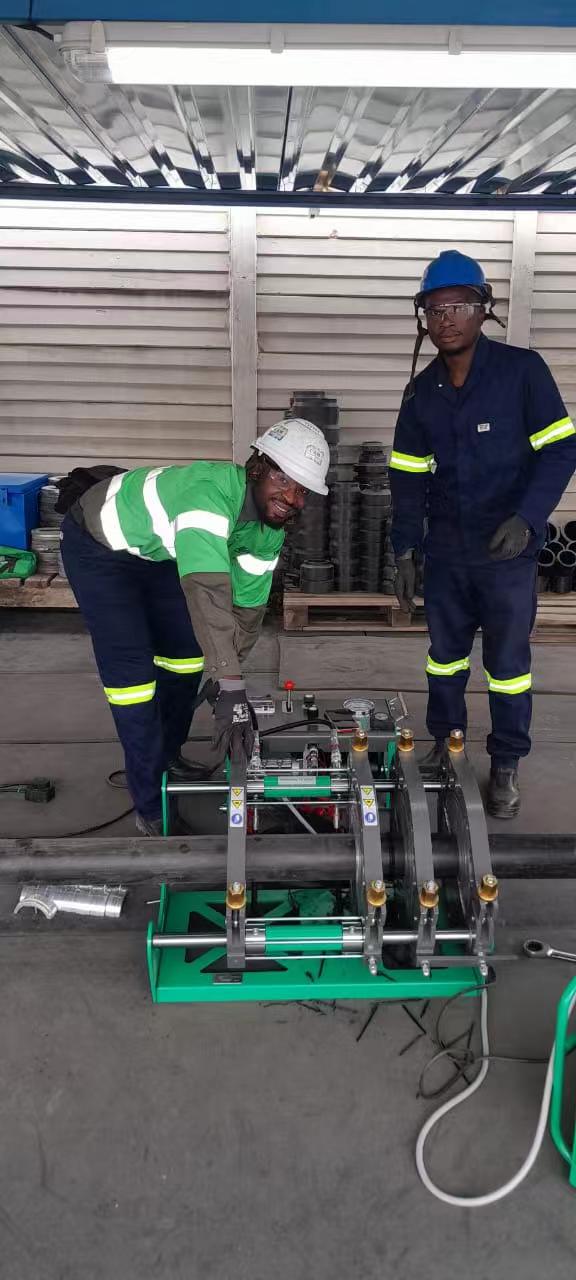
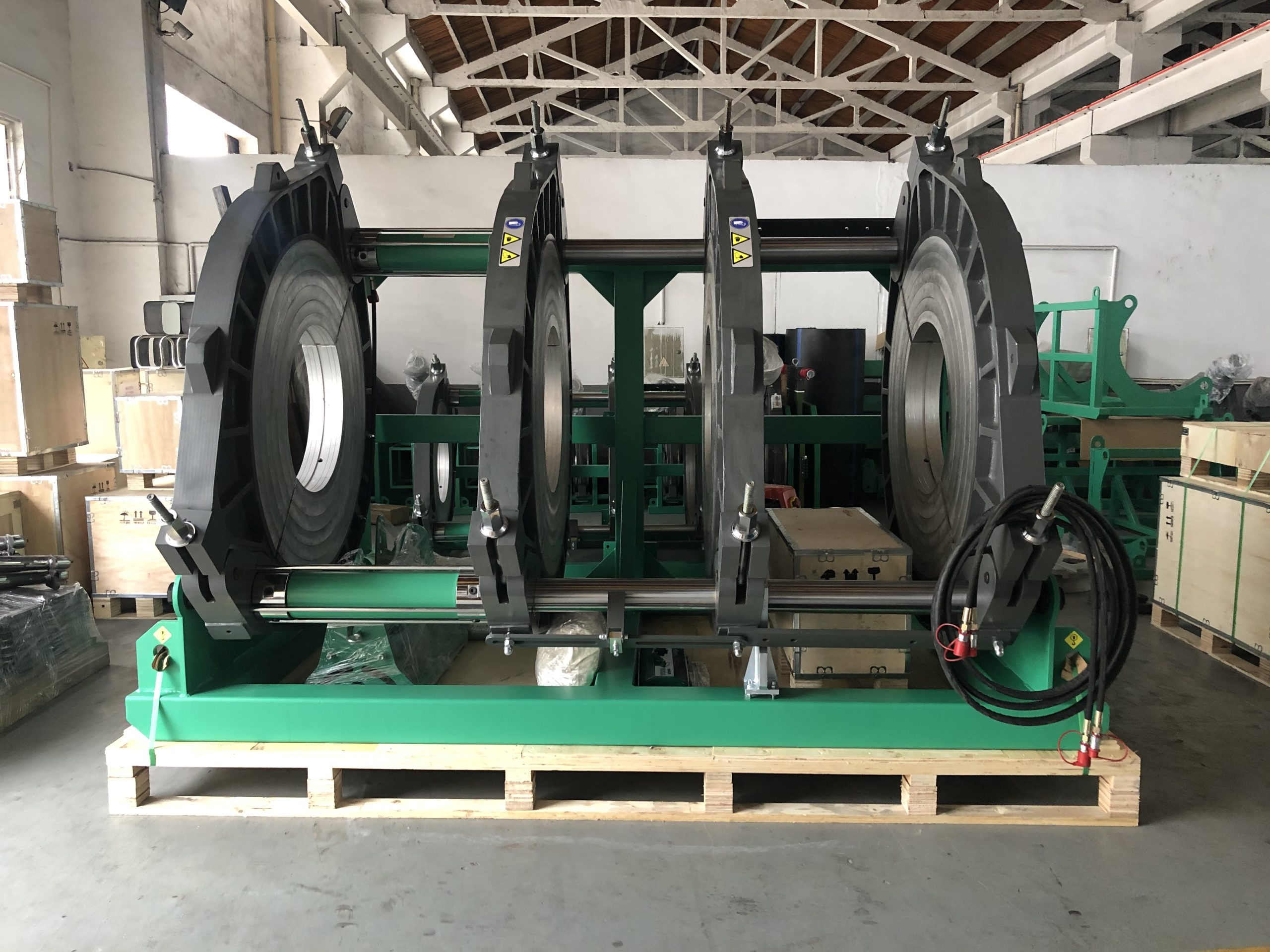
You face a unique challenge when building water transmission lines across harsh deserts. The hydraulic butt fusion welder stands at the heart of your success, making zero-leakage possible for a 45km mega-scale project. In recent years, you have seen large-diameter HDPE pipes become the top choice for water transmission. These pipes offer bigger inside diameters, which boost flow and cut back pressure. Cities now choose HDPE pipes because they work well with older ductile iron systems and help modernize aging water networks. For every joint, the hydraulic butt fusion welder must deliver perfect fusion, even with thick walls and high temperatures. With advanced hydraulic butt fusion welder technology, you can meet the toughest reliability standards in the world’s most demanding environments. The hydraulic butt fusion welder transforms each joint into a strong, seamless connection, ensuring your pipeline stands up to extreme conditions.
Key Takeaways
Hydraulic butt fusion welding is essential for creating strong, leak-free joints in water transmission systems, especially in harsh desert environments.
Using HDPE pipes offers long-term benefits, including resistance to corrosion and lower maintenance costs, making them ideal for large-scale projects.
The SWT-V1200H welder provides precise control and stability, ensuring consistent quality and durability in every weld, even with thick pipe walls.
Digital traceability features in modern welding machines enhance safety and compliance, allowing for real-time monitoring and documentation of welding processes.
Implementing best practices, such as choosing the right materials and machines, can lead to more efficient, sustainable, and cost-effective water infrastructure projects.
Water Transmission Project Challenges
Scale and Environmental Demands
You face enormous challenges when you build water transmission projects in desert regions. The scale of these projects stretches for dozens of kilometers. You must move water across harsh landscapes where temperatures soar and sandstorms threaten your equipment. The environment puts stress on every pipe and joint. Water is precious in these areas, so every drop counts. You need to ensure that your water transmission system can withstand extreme heat and shifting ground. The size of the pipes and the length of the network make the task even harder. You must plan carefully to keep water flowing without interruption.
The Zero-Leakage Requirement
Water loss in desert transmission projects can cause serious problems. When leaks occur, system pressure drops rapidly while precious water escapes through cracks, threatening the hydraulic stability of the network. This shortens the life of your infrastructure and leads to environmental damage. In places like Jordan, more than half of the drinking water supply disappears because of leaks and theft. Lebanon also loses a large portion of its water due to poor maintenance and illegal connections. These losses create economic strain and threaten the sustainability of your projects. You must aim for zero-leakage to protect both the environment and your investment.
💡 Tip: Zero-leakage is not just a goal. It is a necessity for water transmission projects in desert regions. You must use reliable welding methods and strong pipes to achieve this standard.
HDPE vs. Traditional Materials
You have several choices when selecting pipe materials for water transmission projects. Traditional pipes, such as ductile iron or steel, often require expensive coatings and regular maintenance. These materials can corrode and fail in harsh environments. HDPE pipes offer a better solution for large-scale water projects. HDPE pipes cost more at first, but their durability and low maintenance make them a smart choice over time. HDPE resists corrosion and scaling, so you do not need to invest in extra protection. The smooth interior of HDPE pipes keeps water moving efficiently. You can bend HDPE pipes to fit the terrain, which helps you build networks across mountains and deserts. Advanced welding technology, like hydraulic butt fusion, ensures that every joint is strong and leak-free. You can trust HDPE pipes and modern welding methods to deliver reliable water transmission for your projects.
Hydraulic Butt Fusion Welder Solution
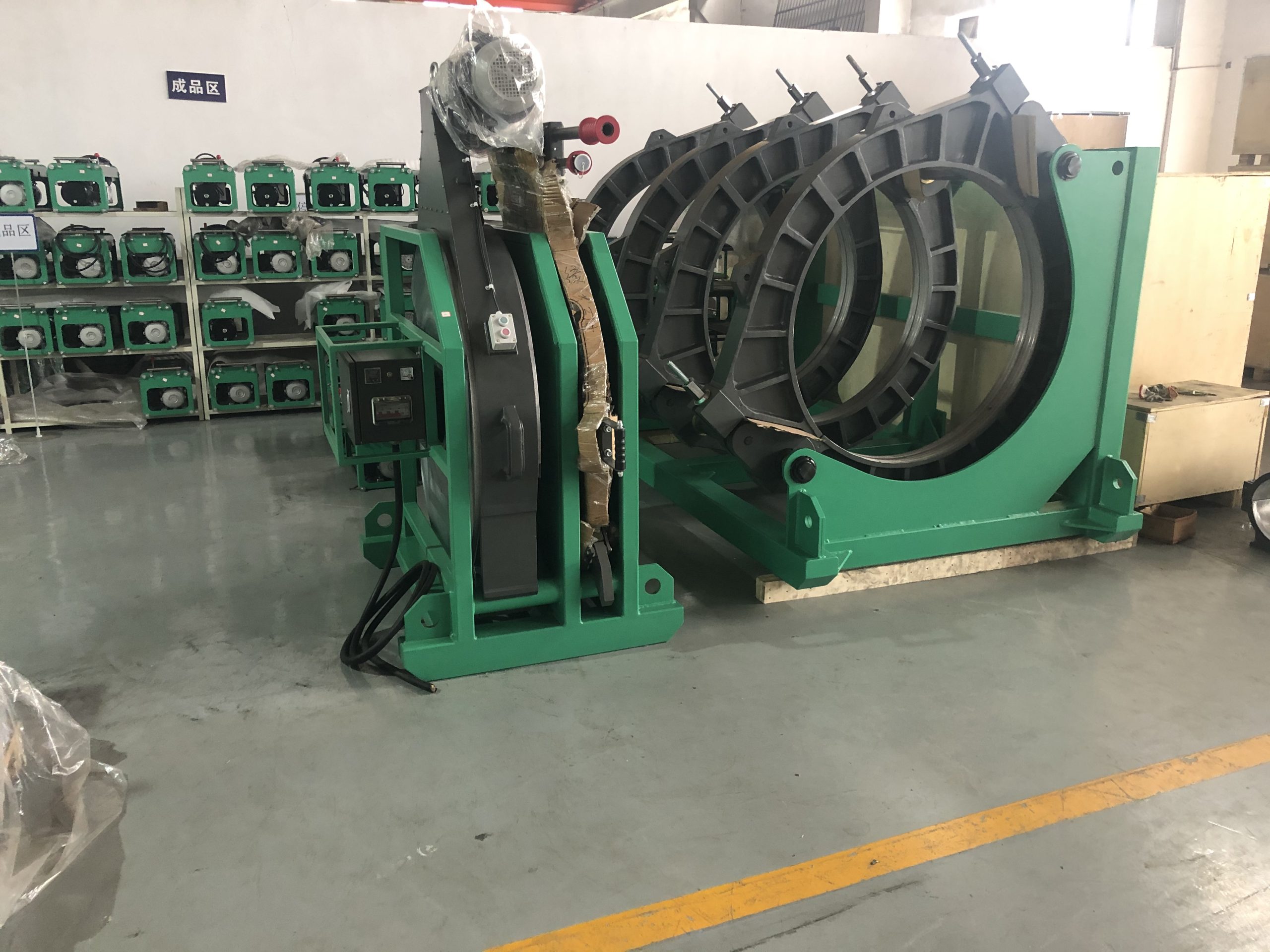
SWT-V1200H Technical Profile
You need a machine that can handle the toughest jobs in water transmission. The SWT-V1200H stands out among hydraulic butt fusion machines. It gives you the power and control needed for large-diameter pipe welding. You can see its core technical specifications in the table below:
Specification | Details |
|---|---|
Product Item | SWT-V1200H |
Voltage | 380V/415V |
Power | 29.5 KW |
Material | HDPE (PE100/PE80), PP, PVDF |
Welding Range | 630-1200MM |
Unique Features | Lightweight, high strength material; 45° clamp opening angle; low starting pressure; digital pressure meter; separate two-channel timer; removable PTFE coated heating plate with accurate temperature control. |
You can use this machine for heavy-wall HDPE, PP, and PVDF pipeline applications. The wide welding range lets you work on many types of projects. The machine uses a removable PTFE coated heating plate. This feature gives you accurate temperature control for every butt fusion joint. You also get a digital pressure meter and a two-channel timer. These tools help you monitor each welding cycle and keep your work consistent.
Key Features for Large-Diameter Welding
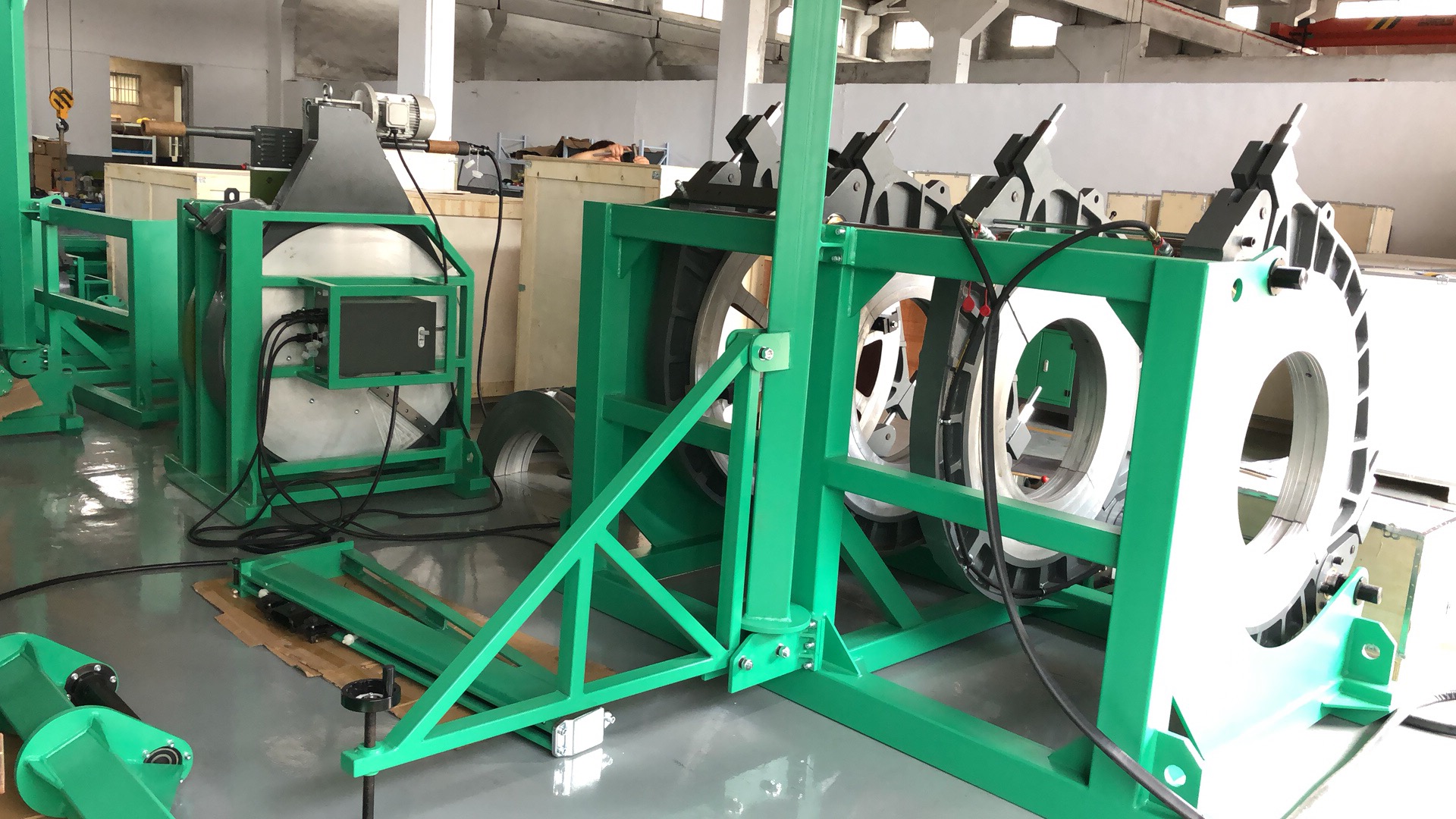
When you work with large-diameter pipes, you need hydraulic butt fusion machines that deliver both strength and precision. The SWT-V1200H uses a heavy-duty frame. This frame keeps the machine stable during every welding operation. You do not have to worry about misalignment or frame bending. The 45° clamp opening angle makes it easy for you to load and unload pipes, even when you work with the largest sizes.
The hydraulic system in this machine gives you constant pressure. You can trust it to hold the right force during the entire butt fusion process. This is important for hdpe welding, especially when you work with thick pipe walls. The machine’s low starting pressure helps you avoid damage to the pipe surface. You get smooth, even fusion every time.
You will notice the efficiency of the SWT-V1200H right away. The separate two-channel timer lets you track both heating and cooling times. This feature helps you follow the correct welding steps for each pipe. The PTFE coated heating plate spreads heat evenly across the pipe ends. You get uniform melting, which is key for strong butt fusion joints. These features make the SWT-V1200H one of the top hydraulic butt fusion welding machines for mega-scale projects.
🚩 Note: Using hydraulic butt fusion machines with a heavy-duty frame and precise heating gives you better safety and efficiency. You reduce the risk of joint failure and keep your project on schedule.
Compliance and Digital Traceability
You must meet strict safety and quality standards in every water transmission project. The SWT-V1200H supports you with advanced compliance features. The digital pressure meter gives you real-time feedback during welding. You can check and record the pressure at every stage. This helps you avoid mistakes and ensures each butt fusion joint meets project requirements.
The machine also offers a digital traceability system. You can use this feature to log temperature, time, and pressure data for every weld. This record helps you prove the quality of your hdpe welding work. Third-party inspectors can review your digital logs and confirm that you followed all safety rules. You save time on paperwork and reduce the chance of human error.
Hydraulic butt fusion machines with digital traceability give you peace of mind. You know that every pipe joint is safe, strong, and ready for service. You also build trust with your clients and project partners. They can see that you use the best technology and follow the highest standards.
💡 Tip: Always use hydraulic butt fusion machines with digital traceability for large-scale hdpe projects. This practice improves safety, efficiency, and long-term reliability.
Welding Performance in Mega Projects
Achieving Homogeneous Fusion
You need hydraulic butt fusion machines that deliver consistent joint strength for every hdpe pipe. These machines use precise heating and hydraulic pressure to create a seamless connection. You can trust the butt fusion process to reorganize the molecular chains in the pipe material. This method gives you a joint that matches or exceeds the strength of the original pipe. You see this strength in laboratory tests:
Hydrostatic Internal Pressure Test measures long-term joint integrity by applying constant internal hydraulic pressure to the sealed fused pipe specimen in a temperature-controlled water bath.
Tensile Test with Waisted Specimen checks if the fused joint fails before the parent pipe, showing the integrity of the welding.
Hydraulic butt fusion machines help you achieve homogeneous fusion. You get reliable performance for every joint, even when you work with large-diameter hdpe pipes.
Overcoming Extreme Pipe Wall Thickness
You face tough challenges when welding pipes with thick walls. Hydraulic butt fusion machines like the SWT-V1200H give you the power and control to handle these extreme conditions. The machine’s heavy-duty frame and hydraulic system keep the pipe aligned and stable. You can apply steady pressure and uniform heat across the pipe ends. This ensures deep thermal penetration and strong butt fusion. You avoid weak spots and internal voids. The machine maintains efficiency even when you weld pipes with wall thickness over 100mm. You get flawless performance and strong joints every time.
Field Stability and Quality Assurance
You must follow strict protocols to guarantee the stability and reliability of each butt fusion joint. Hydraulic butt fusion machines support you with advanced features for quality assurance. You can use the digital traceability system to record every welding cycle. You also follow these protocols in the field:
Protocol Type | Description |
|---|---|
Operator Qualifications | Operators must hold active certifications for the specific class of butt fusion machine they operate. |
Documentation | Comprehensive records must trace every joint back to the environmental conditions and operator details. |
Pressure Testing | Hydrostatic pressure tests validate pipeline integrity, conducted in segments of 200–300 meters. |
Visual Inspection | Trained operators visually inspect the fusion bead to assess the internal integrity of the weld. |
Field Inspection Checklist | A rigorous checklist must be completed before backfilling, including daily test butt fusion connections. |
Non-destructive Testing (NDT) | Operators perform Ultrasonic Testing (UT) or automated phased array scans on the fused joint to inspect internal integrity without damaging the pipe. |
Hydraulic butt fusion machines give you stable welding performance in mega projects. You build confidence in your pipeline and protect your investment. You see the efficiency and reliability of these machines every day in the field.
Project Results and Lessons
Field Case Study: 45km Middle East Water Main
You can see the impact of hydraulic welding technology in the 45km Middle East water main project. This project faced extreme desert heat and required a high level of durability for every joint. You used hydraulic butt fusion machines to weld thousands of large-diameter pipes. The welding process created seamless connections that passed every quality test. During hydrostatic testing, you filled the entire pipeline and raised the pressure to 1.5 times the design level. The result was impressive—zero leakage across all joints. This outcome proved the strength and reliability of your welding work. You delivered a water transmission system that supports critical infrastructure and meets strict sustainability goals.
Measurable Outcomes and Client Feedback
You achieved measurable success in this project. The hydraulic welding machines performed under maximum load, even with thick pipe walls. You maintained energy efficiency and reduced downtime. The project team reported that the welding process ensured consistent quality and durability. Clients praised the stability of the hydraulic system and the flawless performance during field operations. They noted that the project set a new standard for cost-effective and sustainable water infrastructure. You demonstrated that advanced welding technology can deliver both high quality and long-term sustainability.
Best Practices for Future Projects
You can apply several best practices from this project to future hydraulic welding projects. These practices help you improve energy use, durability, and sustainability in large-scale infrastructure work.
Best Practice | Description |
|---|---|
Low-energy designs and cost savings | Modern machines reduce energy consumption, helping meet sustainability targets and control budgets. |
Longer machine life with durable materials | Machines made with durable materials reduce replacement frequency and environmental impact. |
Matching machine capacity to project needs | Aligning machine capacity with project requirements prevents overbuying and ensures project efficiency. |
Avoiding common mistakes when choosing machines | Proper evaluation and training are crucial to avoid downtime and ensure effective use of machines. |
Balancing upfront costs with long-term ROI | High-quality machines may have higher initial costs but lead to lower lifecycle costs and compliance benefits. |
You also learned important lessons from the 45km project:
Select the appropriate PE pipe pressure rating (e.g., SDR11) suited for local soil and pressure requirements.
Engineer robust pipe bedding and backfill systems to ensure long-term structural support for large-diameter pipelines.
Use precise planning and material selection for complex infrastructure crossings.
By following these best practices, you can deliver cost-effective, energy-efficient, and sustainable hydraulic welding projects that meet the highest standards for durability and quality.
You saw how the SWT-V1200H hydraulic butt fusion welder helped you achieve zero-leakage and unmatched safety in the 45km water transmission project. You relied on advanced welding technology to build a pipeline that saves energy and protects water resources. You can follow these best practices for future projects:
Choose machines with strong environmental protection to keep safety high.
Use data logging to track weld quality and improve safety.
Match generator size to machine power for reliable energy use.
Select durable equipment to withstand dust and heat, ensuring safety and energy efficiency.
Maintain consistent interfacial pressure to prevent voids and save energy.
Key Trend | Impact on Projects |
|---|---|
Smart pipe systems | Boost safety and energy monitoring |
Automation | Improve weld consistency and energy |
Green procurement | Lower energy use and raise safety |
You can expect more projects to use HDPE pipes and hydraulic butt fusion welding. You will see new materials and smart systems that help you manage energy and safety. You can build pipelines that last longer, use less energy, and meet strict safety standards.
FAQ
What makes hydraulic butt fusion welding machines suitable for water supply networks?
You can use hydraulic butt fusion welding machines to create strong, leak-free joints in water supply networks. These machines help you maintain high water quality and reduce maintenance needs. You get reliable connections that last for many years.
How do heavy-duty hdpe pipes improve sustainability in hydraulic butt fusion welding machines?
You benefit from heavy-duty hdpe pipes because they resist corrosion and scaling. These pipes support sustainability in hydraulic butt fusion welding machines by reducing the need for repairs. You also save resources and lower your environmental impact.
Can I use these machines for wastewater treatment plants or gas projects?
You can use hydraulic butt fusion welding machines for wastewater treatment plants and gas pipelines. The machines work with different pipe materials and sizes. You get safe, secure joints for many types of infrastructure.
What safety features and ease of operation do these machines offer?
You will find ease of operation and safety features in modern machines. Digital controls, pressure meters, and automatic timers help you work safely. These features reduce mistakes and protect both you and your project.
Are hydraulic butt fusion welding machines cost-effective and energy-efficient?
You get cost-effective solutions with hydraulic butt fusion welding machines. Energy-efficient designs help you save power and lower costs. You can complete large projects while keeping your budget under control.