Industrial chemical storage units require core plastic welding machines: large sheet butt fusion machines, handheld extrusion welders, and hot air hand tools. Industrial chemical tanks store aggressive acids and alkalis. Plant operators must prevent any dangerous chemical leak or structural collapse to safeguard surrounding environments. High-performance welding machines produce reliable leak-proof welded joints across heavy structural materials. Fabricators deploy a sheet butt fusion welding machine to construct strong polypropylene tanks without seam defects. Robust welding machines join thermoplastics including high-density polyethylene, polypropylene, polyvinyl chloride, and polyvinylidene fluoride. These welding machines stop every liquid leak across long service lifespans in storage tanks and processing tanks.
Key Takeaways
Sheet butt fusion machines join large plastic plates quickly to build strong, leak-proof chemical storage tank walls.
Handheld extrusion welders force molten plastic into deep corners to create super strong seams on thick tanks.
Lightweight hot air tools accurately tack small internal parts like drains and baffles before main welding starts.
Following DVS 2207 standards ensures precise heat control, strong structural joints, and complete operator safety during tank fabrication.
Essential Plastic Welding Machines for Chemical Tanks
Large Plastic Sheet Welding Machine Systems
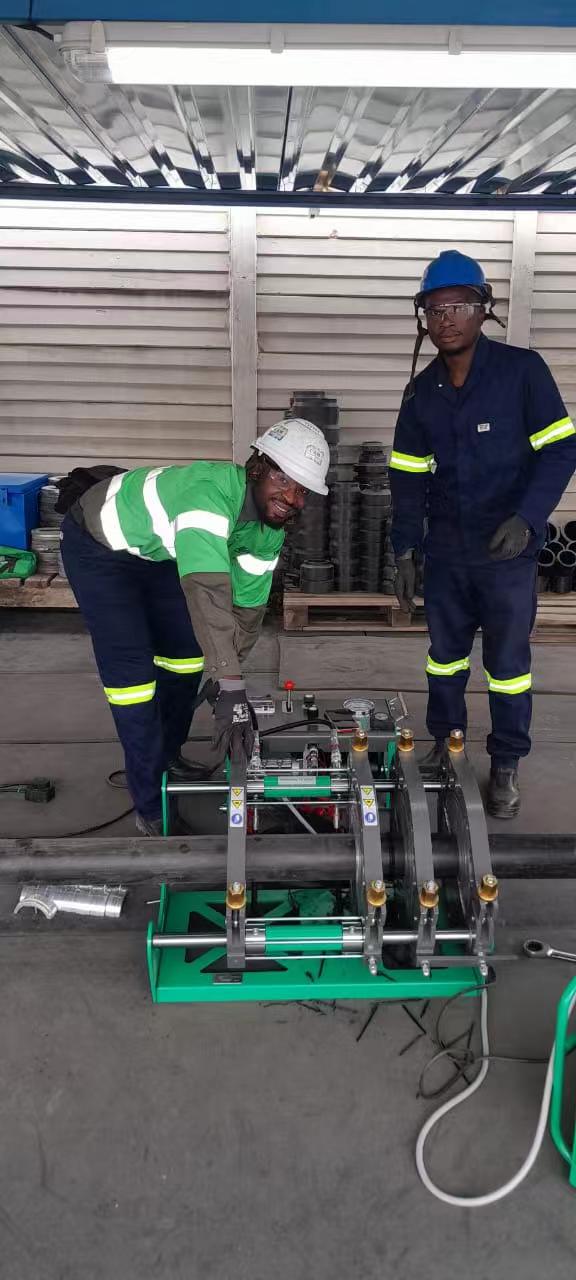
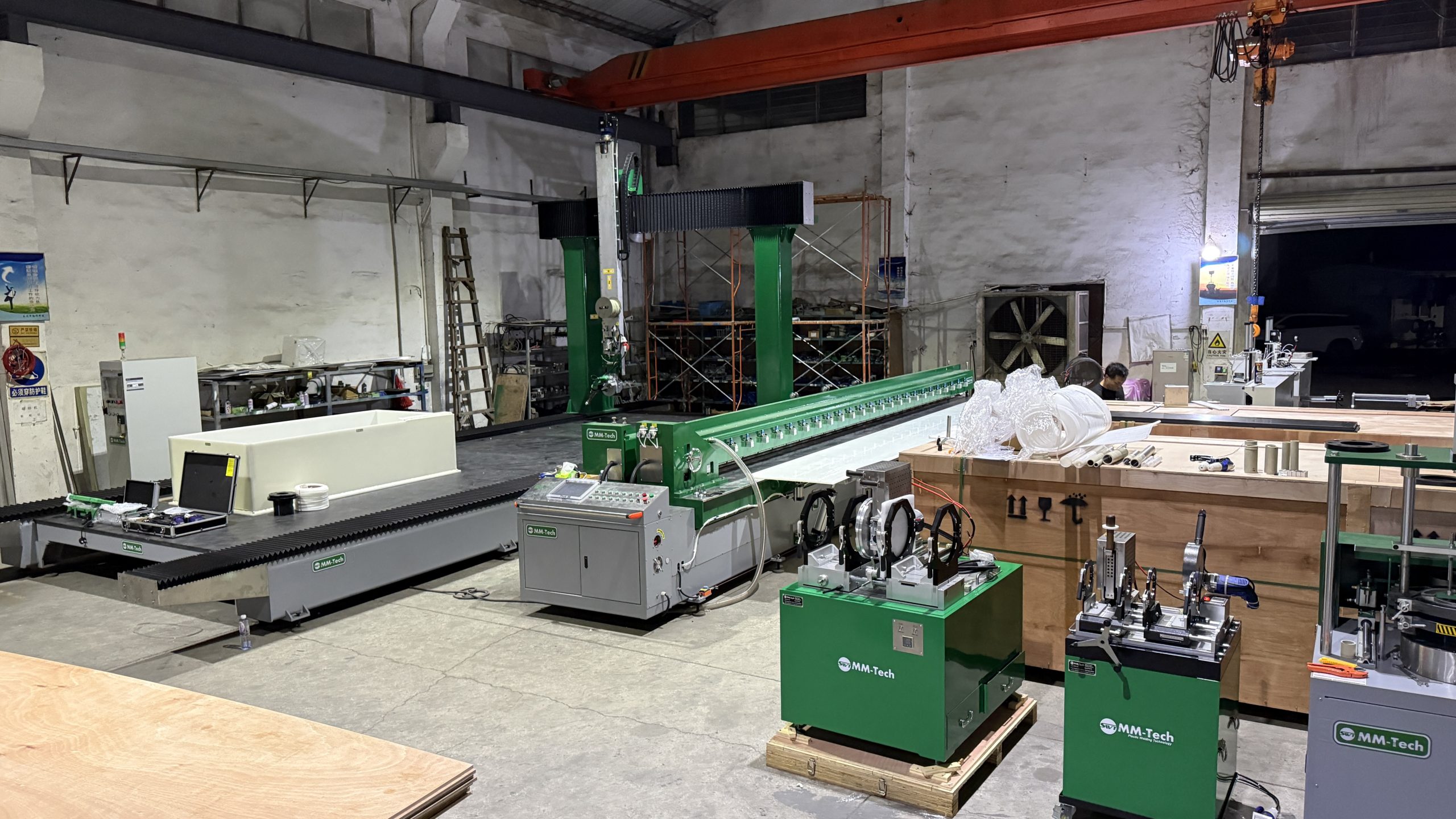
Industrial fabricators rely on a plastic sheet welding machine to join large thermoplastic plates. Hydraulic clamping beds hold the panels securely during heating. A central heating plate melts sheet edges directly without requiring filler rods. This sheet butt fusion welding machine yields up to 45% productivity gains over manual processing. Fabricators deploy this sheet butt fusion welding machine to construct robust polypropylene tanks for aggressive chemical storage.
For most water utility and mining chemistry at ambient temperature, HDPE (PE100) serves as the primary material. For higher temperatures or stronger acids, polypropylene (PP-H) offers superior resistance.
Every plastic sheet welding machine processes standard synthetic materials smoothly. Operators use a sheet butt fusion welding machine to create seamless joints across heavy plates. A sheet butt fusion welding machine ensures high structural strength along major flat panels. These strong plastic welding machines eliminate local stress concentration areas across long chemical storage units.
Parameter | Thickness Range | Material/Application Context |
|---|---|---|
Machine Capability | 3 mm to 80 mm | General range for HDPE and polypropylene plates |
Typical Application | 10 mm to 25 mm | Polypropylene tanks wall fabrication |
Extrusion Welding Machines for Heavy Seams
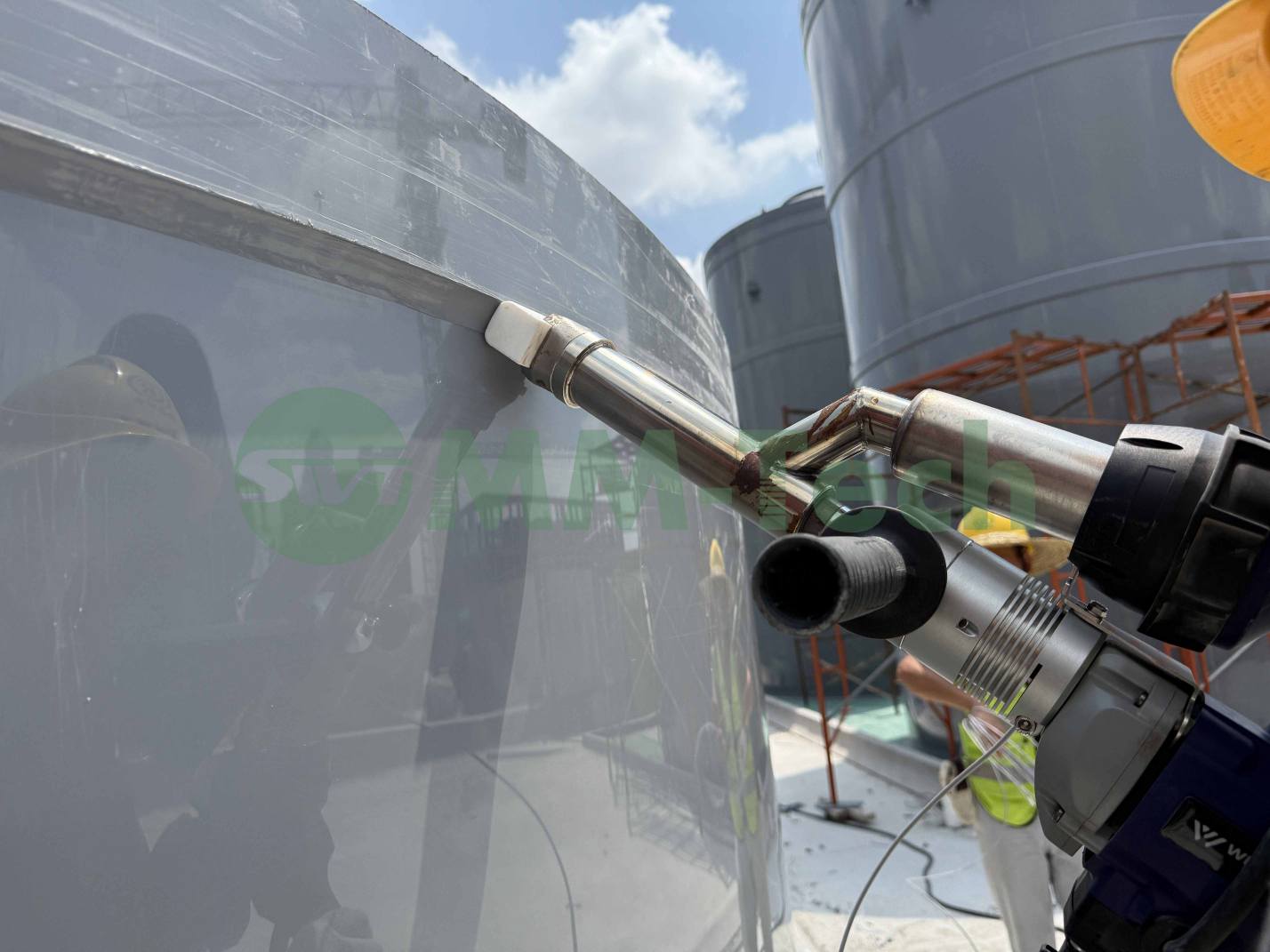
Fabricators use handheld extrusion welders for deep corner fillets and 3D structural joints. These portable welding machines force molten plastic rods through heating barrels. Pre-heated hot air softens base tank panels ahead of the weld zone. A specialized Teflon shoe shapes plastic beads to deliver strong seams along complex internal edges. Handheld extrusion welders help engineers construct tanks holding 1,000 to 55,000 liters.
Automated production lines also integrate 6-axis robotic extrusion welding machines for large cylindrical vessels. These automated welding machines move continuous extrusion heads along programmed three-dimensional paths. Modern welding technology speeds up assembly while maintaining uniform bead quality across heavy polypropylene vessels. Operators trust these specialized welding machines to process dense polymers like high-density polyethylene and polyvinylidene fluoride. Industrial plants deploy handheld extrusion welders and fixed plastic sheet welding machine setups to manufacture leak-proof storage units. A reliable sheet butt fusion welding machine combined with an extrusion plastic sheet welding machine delivers durable container structures.
Precision Welders for Tank Fittings and Accessories
Chemical storage vessels demand precision welding for external connections and internal structural components. Fabricators secure secondary components to prevent a chemical leak. Technicians employ specialized tools to complete delicate assemblies around nozzles, sumps, and baffles. Operators position these accessories before heavy structural passes on chemical tanks.
Hot Air Hand Tools for Internal Details
Lightweight hot air tools deliver exceptional precision in tight interior spaces. Operators use these portable devices to tack internal baffles, drains, and sumps into exact position. Bulky handheld extrusion welders cannot reach narrow internal corners. Compact hot air guns direct continuous heat onto targeted polymer surfaces.
Preliminary tacking stabilizes internal components and prevents part movement during high-output extrusion passes inside storage tanks.
This thermal process creates preliminary seamless joints along complex internal seams. Technicians maintain high precision while adjusting heating elements to soften base materials without burning adjacent polypropylene structures. Clean heat distribution preserves material density inside compact sumps. Fabricators rely on these tools across custom industrial tanks and processing tanks. Specialized hand units provide support before primary welding machines join heavy plates.
Pipe and Socket Fusion Equipment
External plumbing integrations require specialized socket fusion devices and pipe butt welders. Dedicated plastic welding machines fuse inlet ports, outlet connections, and flange assemblies onto primary tank shells. These thermal fusion tools melt pipe ends and mating sockets simultaneously. Mechanical clamps maintain precise alignment under controlled hydraulic pressure. High-integrity connections eliminate potential liquid leak risks near valves attached to chemical tanks.
Engineers deploy precision welding systems to integrate polypropylene tanks into piping networks. Facilities utilize automatic welding machines alongside specialized flange tools. Modern welding machines create continuous molecular bonds along critical liquid transport lines. Heating plates maintain target melt temperatures across all joint faces.
Fabricators select advanced welding machines to attach valve assemblies onto storage tanks. Operators apply steady mechanical pressure until joint interfaces fuse completely. High-performance welding machines produce strong bonds across industrial processing tanks. Specialized welding machines guarantee stability, while precision welding technology ensures safety across all storage tanks.
Automated Fabrication and Material Preparation Equipment
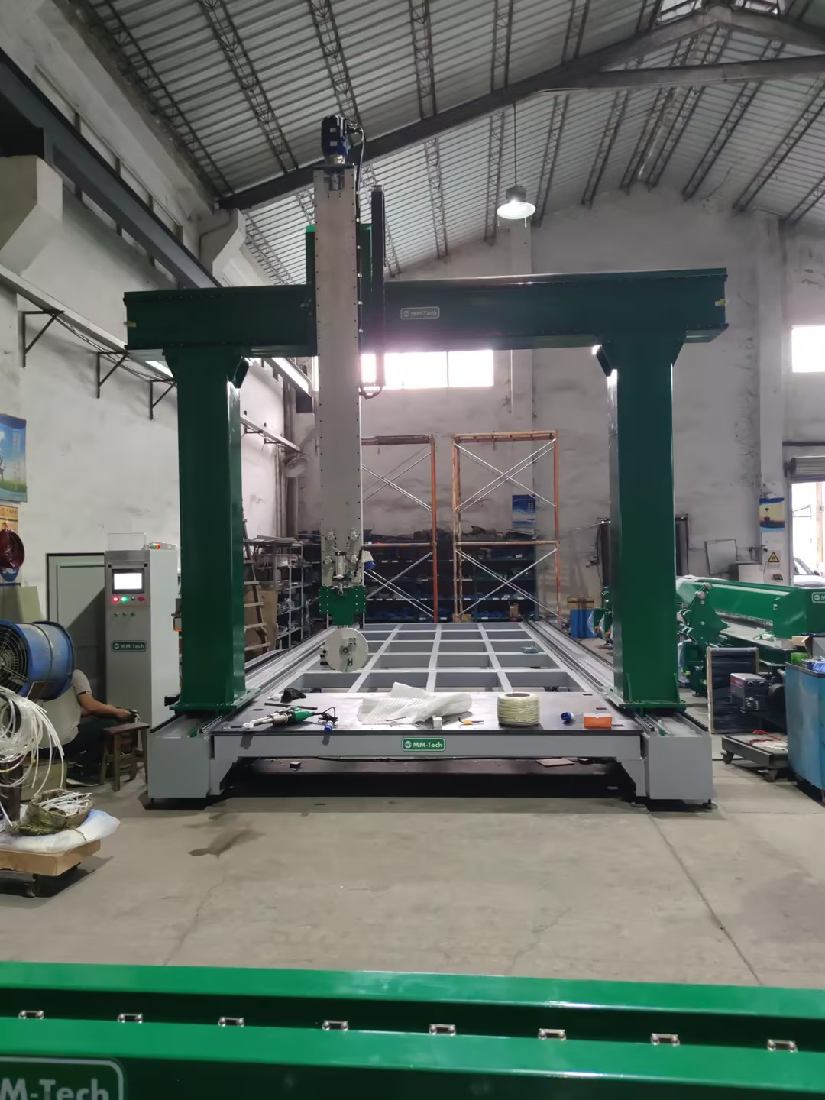
Modern industrial manufacturing relies on automated material preparation to ensure uniform joint fitment. Computer-controlled cutting systems shape heavy polymer panels with extreme precision before thermal processing. Fabricators deploy automated tools to prepare flat sheets for a sheet butt fusion welding machine. Proper edge squaring removes surface contaminants and irregularities. Seamless alignment increases joint integrity across heavy chemical vessels. High-speed routers carve accurate edge bevels along flat plates. Precise bevel angles allow deep weld penetration during secondary joining operations.
CNC Routers and Sheet Bending Equipment
Computerized routers cut thick plastic panels according to digital designs. Technicians utilize specialized bending machinery to form continuous cylindrical bodies for industrial storage containers. Heating elements soften specific fold lines across dense polymer plates. This controlled thermal softening allows smooth 90-degree bends without cracking structural materials. Integrated bending machinery reduces the total number of long linear welds on custom tanks.
A specialized plastic sheet welding machine joins bent panel ends into rigid container shells. Fabricators achieve exact wall dimensions while utilizing a sheet butt fusion welding machine on longitudinal seams. Using advanced thermoplastic welding methods ensures high structural strength across bent corner profiles. Modern workshops combine automated routing with a plastic sheet welding machine to maximize daily production efficiency.
Automated Systems in Fire Truck Water Tanks and Industrial Processing
Emergency vehicle fabricators require robust container construction to endure dynamic road conditions. Industrial shops build fire truck water tanks using automated machinery to eliminate human fatigue. Robotic systems operate continuously during complex fabrication cycles. Specialized machinery secures high-pressure connections across heavy mobile vessels.
Automated Welding System | Function in Tank Production | Key Advantage |
|---|---|---|
Robotic Arm Extrusion Welding System | Welds long seams on large tanks automatically using a 6-axis robot arm | Eliminates human fatigue, ensures even heat distribution, prevents weak spots, and produces super strong seams on thick tanks |
Pipe and Socket Fusion Welding Equipment | Joins pipes, drains, fill ports, and valves to the tank body | Creates solid, leak-proof joints that withstand high water pressure, violent shocks, and engine vibrations |
Automatic Flange Machines | Joins heavy valves and pipe parts to tank walls | Produces extremely tough fused joints that handle high pump pressure without leaks |
Automated welding machines increase overall structural integrity during continuous production runs. Operators install heavy internal baffles using precise robotic arms. These automated welding machines eliminate structural weak spots across large processing units. Modern shops deploy automated welding machines to assemble durable fire truck water tanks. Engineers rely on precision manufacturing to prevent stress fractures near high-vibration engine mounts.
Technicians maintain tight tolerances using modern precision welding controls. Digital sensors monitor thermal delivery during automated processing passes. Sophisticated welding technology regulates heating cycles across heavy polymer sections. Industrial plants utilize reliable sheet butt fusion welding machine setups and automated welding machines to manufacture durable processing tanks.
Selection Criteria and Regulatory Quality Standards
Fabricators consider several core factors when selecting plastic welding machines for heavy industrial fabrication. Material selection directly influences machine choice. Polypropylene handles aggressive chemical environments at higher temperature ranges up to 80-100°C, while high-density polyethylene suits outdoor storage tanks. Material thickness dictates the primary welding process. Extrusion tools handle heavy joints above 10 mm, whereas heated tool butt welding creates full-depth material fusion on flat seams.
Digital Controls and Heating Capacity
Modern welding machines integrate Siemens PLC touchscreens and digital temperature controls to maintain exact thermal delivery. Precise thermal monitoring prevents polymer degradation during heating cycles. Overheating polypropylene damages the material structure rapidly. High-output extruders deliver over 4 kg/hr of molten plastic for thick structural seams, while mid-range units output 1–3 kg/hr for general construction.
Temperature precision remains critical because overheating polymer chains reduces structural strength and causes a premature liquid leak in chemical storage tanks.
Digital interfaces display live temperature profiles to ensure consistent melt layers. Controlled heating eliminates thermal fluctuations along long tank seams. Fabricators rely on digital controls to maintain high precision across every joint pass. Modern welding machines give operators total control over thermal parameters during complex container assembly.
Compliance with DVS 2207 Standards
Strict industrial standards govern high-performance fabrication. The DVS 2207 guidelines dictate specific heating durations, changeover speeds, and cooling pressures for plastic joinery. A specialized sheet butt fusion welding machine ensures strict compliance with these European parameters during longitudinal seam processing. Using an automated sheet butt fusion welding machine guarantees proper joint alignment without human error.
Machinery Feature | Technical Specification | Operational Benefit |
|---|---|---|
Regulatory Compliance | DVS 2207 / Machinery Directive 2006/42/EC | Prevents structural failure and stops chemical leak risks |
Inverter Power Control | Energy-efficient welding machines | Reduces power consumption by up to 30% |
Compliance with the Machinery Directive 2006/42/EC guarantees operator safety during continuous factory operations. Modern energy-efficient welding machines use advanced inverter technology to reduce power consumption by up to 30%. Certified machinery prevents structural failure and stops any dangerous chemical leak across heavy industrial tanks.
Integrating a sheet butt fusion welding machine, handheld extrusion welders, and fitting equipment builds an efficient production line. Fabricators construct heavy polypropylene tanks with total structural integrity. A specialized plastic sheet welding machine creates seamless joints across thick panels. This sheet butt fusion welding machine applies even pressure and controlled heat to prevent any sudden chemical leak. Technicians operate secondary welding machines to join accessories with exact precision. Precision welding secures external ports without material defects. Exact temperature regulation under DVS 2207 standards stops polymer damage across heavy storage tanks. Proper surface preparation prevents another unexpected leak. Advanced chemical tanks rely on automated welding machines to stop every dangerous leak.
FAQ
What thickness range can plastic sheet butt fusion machines process?
Large plastic sheet butt fusion welding machines process material thicknesses from 3 mm to 80 mm. Fabricators typically use sheet thicknesses between 10 mm and 25 mm when constructing sturdy wall panels for industrial chemical tanks.
Why do fabricators use handheld extrusion welders on heavy seams?
Handheld extrusion welders create strong 3D structural joints and deep corner fillets. They deliver molten polymer through Teflon shoes to prevent a chemical leak across containment vessels holding 1,000 to 55,000 liters.
Which regulatory quality standards govern industrial plastic welding equipment?
Fabricators follow DVS 2207 standards to regulate heating durations, changeover speeds, and cooling pressures. Equipment compliance with Machinery Directive 2006/42/EC ensures operator safety during daily industrial operations.
How do hot air hand tools support internal detail work?
Lightweight hot air tools provide preliminary tacking in tight interior spaces. Technicians position sumps, drains, and baffles inside tanks accurately before completing heavy extrusion passes, preventing a liquid leak around narrow joint profiles.