Modern industrial plastic fabrication relies on automatic thermoplastic sheet welding machines to join polymer materials efficiently. This advanced welding technology lowers production cost while ensuring process consistency.
Manual welding suffers from seam inconsistency and heat control failures through variable speed or torch angle.
Automated welding maintains precise parameters via a sheet bending welding machine with automatic controls.
Key Takeaways
Automatic sheet welding machines create strong, leak-proof joints that meet strict international safety standards.
Automated controls increase factory production speed, lower material costs, and improve worker safety during fabrication.
Working Principles of Automatic Thermoplastic Sheet Welding Machines
CNC Control and Heating Systems
Modern automatic thermoplastic sheet welding machines use Siemens or Mitsubishi PLC systems. These digital setups feature 10-inch color touch screens. The central system controls temperature, pressure, and timing during every welding process. Operators manage all settings easily from one panel. Advanced welding technology ensures consistent heating across the entire joint area. This precision prevents material burning and improves overall production speed.
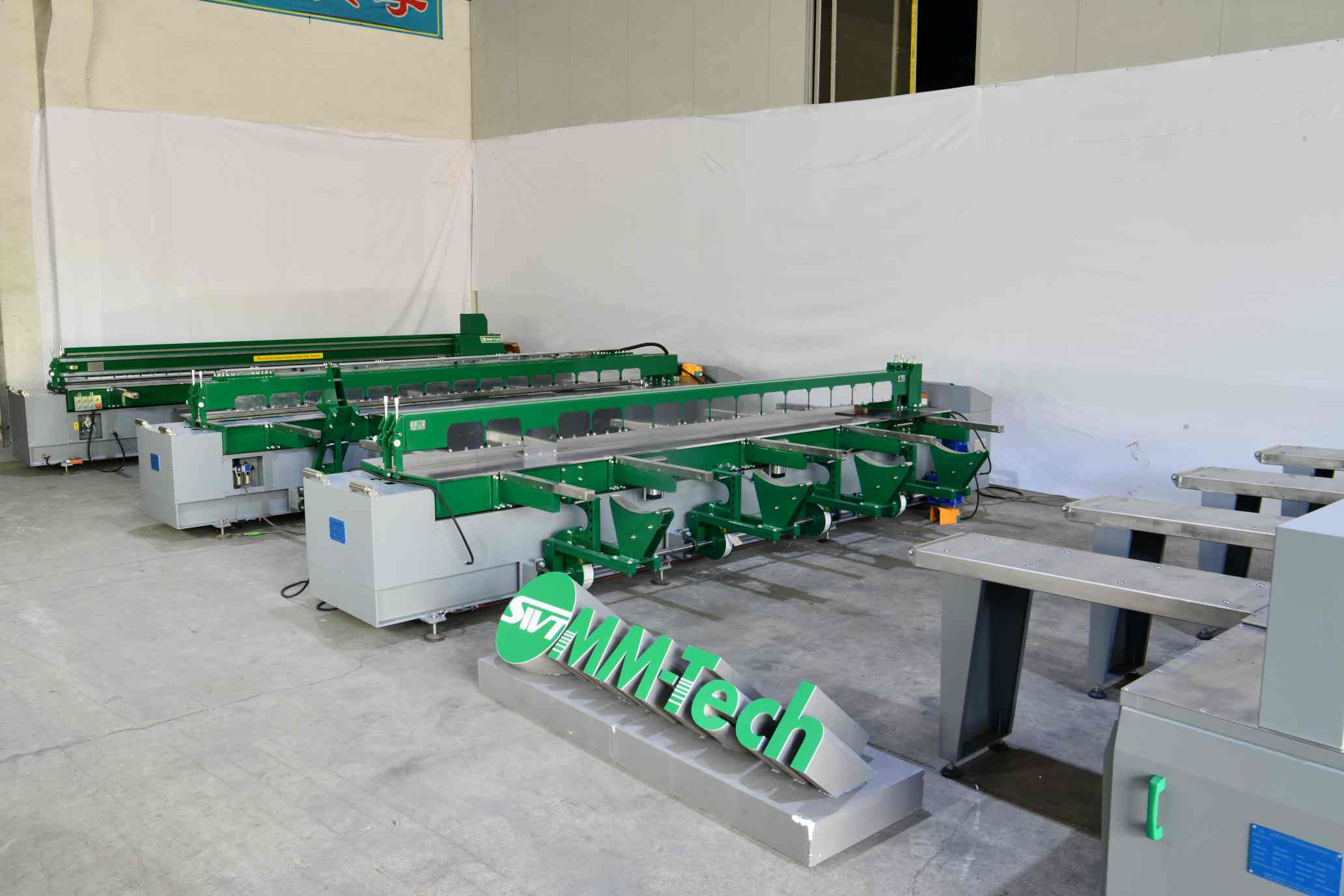
A sheet bending welding machine offers dual functionality within a single unit. The system performs standard butt fusion welding for flat panels. It also executes precise bending from an angle range of 5° to 95°. Built-in safety features protect operators during heating cycles. Industrial-grade components ensure smooth movements. Festo pneumatic clamps hold heavy plastic material firmly. Schneider Electric systems maintain exact sheet alignment. These automatic features eliminate manual errors during intense production cycles.
Supported Thermoplastics and Sizes
Fabricators process many technical materials using this automated sheet bending welding machine platform. The equipment processes identical polymer formulations effectively. Matching base polymers guarantees maximum joint integrity.
Polyethylene (PE/HDPE)
Polypropylene (PP)
Polyvinyl Chloride (PVC)
Polyvinylidene Fluoride (PVDF)
Polycarbonate (PC)
Acrylonitrile Butadiene Styrene (ABS)
Acrylic
Large industrial sheet bending welding machine units handle heavy panels easily. Machines accommodate thermoplastic sheets up to 2000 mm in sheet width. Standard system capacities support material thickness from 3 mm to 25 mm. High CNC welding control manages current stability and pressure execution. The CNC welding system produces uniform joints on ultrathin or thick sheets. Automatic operation creates less splashes during fusion. This reliable sheet bending welding machine design boosts structural strength for demanding industrial projects.
Structural Weld Strength and Compliance
Monolithic Fusion and Leak Prevention
Modern industrial chemical processing demands high structural integrity from containment structures. Standard manual heating methods frequently create uneven seams. Varied hand torch movements fail to deliver stable welding quality during continuous shop operations. In contrast, automatic thermoplastic sheet welding machines heat raw plastic sheet edges to the ideal fusion temperature. The machinery presses the molten material edges together to form a seamless joint. This mechanical process eliminates internal voids and surface gaps. Tensile destructive testing confirms that final joint strength matches or exceeds base material strength. The resulting assembly functions as a single monolithic piece of durable material.
Automation ensures repeatability by maintaining consistent welding parameters (current, voltage, speed, position) across every weld, whereas manual welding suffers from human inconsistencies that accumulate over a shift and are the primary source of rework in safety-critical joints.
Precise digital control systems continuously monitor force application and heating temperature throughout the operational cycle. This exact thermal regulation prevents polymer degradation during heating stages. Industrial tank fabricators rely on an automatic sheet bending welding machine to prevent structural defects in massive fluid vessels. Automatic operations create high-quality seams that resist aggressive chemical attack and severe thermal stress. The automatic heating cycle delivers a reliable connection for long-term hazardous fluid containment.
Aspect | Manual Welding | Automatic Fusion |
|---|---|---|
Joint Quality | Inconsistent heat creates weak seams | Uniform pressure yields high-quality joints |
Leak Risk | Manual errors cause leaks at seams | Seamless fusion eliminates gaps and leak paths |
Durability | Tanks deform or crack under pressure | Robust seams meet safety standards and extend lifespan |
Adherence to DVS and ISO Standards
Industrial plastic sheet fabrication requires absolute compliance with established global manufacturing specifications. Certified industrial equipment meets strict technical guidelines, including DVS 2207 and DVS 2208 criteria. Automated systems also fulfill ISO 12176-1 requirements for physical equipment performance and quality output. Independent laboratory technicians regularly verify mechanical strength using ASTM D638 tensile testing procedures. An automatic sheet bending welding machine maintains strict operational parameters across every work shift. This automatic control guarantees a reliable connection on every single fabrication project.
Real-world industrial installations prove these performance capabilities under demanding workplace conditions. LYNAS MALAYSIA SDN BHD relies on heavy PP and PVC-U chemical storage tanks. These severe-service vessel structures feature wall sheet thicknesses of 10mm and 20mm. Rigorous quality testing conditions confirm zero-leak performance and high overall structural stability. Automatic pneumatic pressure systems easily manage these thick polymer panels without causing material degradation. Automated machinery streamlines the entire plastic welding process for plant engineers. It maximizes safety and reliability in hazardous chemical containment systems. Fabricators deliver consistent welds that withstand high mechanical loads and aggressive environmental stress.
Industrial Applications and Efficiency
Automatic Operations and Cost Savings
Automated systems transform standard industrial plastic fabrication. Modern automatic thermoplastic sheet welding machines replace physical manual labor with automated heating, mechanical alignment, and pneumatic clamping systems. Operators load raw plastic sheets directly into the heavy workspace frame. The automatic control system governs heating cycles, sheet positioning, and joint pressure without continuous human intervention. This automatic mechanical control increases total production speed while preserving high structural joint strength. Manufacturing plants achieve a total productivity gain of 25-30% through these equipment upgrades. Furthermore, precise mechanical process control slashes overall consumable cost during continuous shop floor operations.
Automated machinery significantly improves shop floor environment conditions for production technicians. Integrated safety features shield workers from hot heating elements and heavy panel movements. Heavy-duty pneumatic clamps hold large thermoplastic sheets tightly against structural guides. Operators no longer maneuver heavy polymer components or handle dangerous hot tools during the welding process. These automatic features eliminate human handling errors during continuous production cycles. Consequently, modern processing facilities enhance overall plant safety and reliability during complex industrial fabrication runs. Integrated automatic safety controls protect shop staff throughout every operational shift. Modern production facilities use advanced welding technology to maintain consistent output quality across every work shift.
Fabrication of Heavy Chemical Tanks
Heavy industrial plastic fabrications require maximum structural integrity to prevent catastrophic leaks in chemical plants. Fabrication shops use a sheet bending welding machine to build durable chemical processing vessels, heavy acid scrubbers, and electroplating baths. Consistent mechanical clamping eliminates gap variations before the heat sequence begins. Automatic butt fusion forms a reliable connection along long longitudinal seam lines. Precision CNC welding controls monitor applied join pressure continuously to prevent internal material stress during joint fusion. Specialized fabrication shops rely on these automatic features to complete high-quality projects on tight scheduled deadlines. Automated sheet handling prevents physical surface damage on expensive polymer sheets.
Automated welding systems support diverse industrial production needs across multiple heavy manufacturing sectors.
Chemical storage tanks
Water treatment systems
Electrical enclosures
Agricultural machinery
Industrial piping
Fabrication teams build industrial air ventilation ducts, exhaust systems, and large aquaculture containers using this versatile equipment. A single multi-functional sheet bending welding machine performs both straight seam joins and precise angle bends on one platform. Automatic heating cycles process thick wall sections smoothly without degrading fundamental polymer properties. Digital temperature sensors maintain proper thermal transfer across the entire joint seam area. This precise mechanical design optimizes overall plant production efficiency across daily factory shifts. Operating manufacturing companies lower overall operational expense while producing durable, leak-proof fluid containment structures.
Manual plastic fabrication causes weak seams. Modern automatic thermoplastic sheet welding machines solve these consistency problems. An automatic sheet bending welding machine delivers stable welding quality and creates high-quality joints. Compliance with DVS and ISO standards ensures safety. This automatic process provides a reliable connection while reducing material cost. Investing in automatic plastic machinery maximizes plant profitability.
FAQ
Which standards govern thermoplastic sheet welding quality?
Machinery must comply with DVS 2207 and DVS 2208 international standards. An automatic welding system also meets ISO 12176-1 criteria to ensure high joint strength and leak prevention.
What materials can an automatic sheet welding machine process?
An automatic sheet bending unit processes major thermoplastics. Compatible materials include HDPE, PP, PVC, PVDF, PC, ABS, and acrylic across various panel thicknesses.
How does automatic control improve shop floor productivity?
Continuous automatic positioning and heating replace manual operations. This mechanical control accelerates production cycles, reduces labor costs, and improves overall workplace safety during heavy fabrication tasks.