Modern chip factories, drug makers, and high-tech chemical plants require extremely clean liquids. In high-purity chemical processing applications, engineers increasingly use advanced thermoplastic materials such as PVDF, PFA, PP, and PE because of their excellent chemical resistance and clean processing characteristics. You protect important liquid lines from harmful leaks by using these materials throughout complex piping systems.
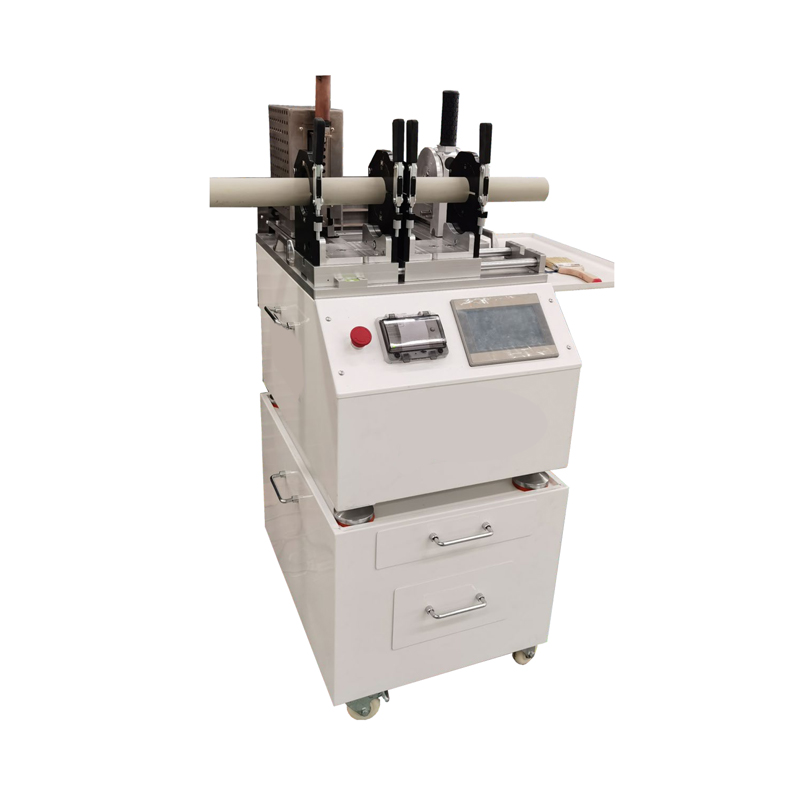
The MM-Tech IR-110 infrared welding machine creates stronger pipe joints in cleanrooms. Regular hot plates touch the plastic directly, but this no-touch heating tech warms each pipe end cleanly. This heating method helps reduce contamination risks and supports smooth, consistent weld bead formation. You build dependable pure-water pipelines while keeping your sensitive process liquids completely safe.
Key Takeaways
Infrared non-contact heating warms pipe ends cleanly without touching hot metal plates.
Clean inside pipe surfaces stop harmful chemical buildup and keep pure fluids safe.
Smart tools reduce people’s mistakes and create strong, leak-proof pipe connections every time.
Built-in printers quickly create paper records to prove high quality during job site checks.
Challenges in High-Purity Fluid Transportation
Contamination Risks in Chemical Distribution
Modern industrial plants transport strong, super-clean chemicals every single day. You need to move harsh liquids through complex pipe networks without ruining the materials. Chemical liquids quickly destroy regular metal pipes in a very short time. Because of this, engineers pick advanced plastics like PVDF, PFA, PP, and PE for these lines. These tough materials offer great protection against very harsh chemical fluids. You keep your whole pipe system strong and working well for years by using these special plastics.
Small bits of dirt can ruin entire product batches in high-tech factories. You must keep your liquids pure at every spot along your pipe lines. Rough pipe walls trap tiny dirt particles and cause harmful chemical buildup. Even small contamination issues disturb sensitive liquid lines and damage delicate machines. You need smooth inner pipe walls to protect your work output and keep the whole system running reliably.
Limitations of Traditional Hot-Plate Welding
Standard hot-plate welding creates big safety risks for clean liquid systems. Old joining tools press melted plastic right against hot metal plates. Sticky plastic bits often stay on the hot heater surface while it warms up. This leftover plastic damages the heating tool after a short time of use. Also, direct melting forces extra melted plastic inside the pipe center. This extra material forms a big, rough inner bump that blocks smooth liquid movement.
Rough inner joints create trapped liquid areas inside your special chemical lines. These dead zones catch bad dirt and chemical waste during normal daily work. You fix these tough heating problems by switching to contactless welding tools instead. The no-touch method warms plastic pipe ends using heat rays without any direct contact. This clean heating approach reduces the potential risks associated with direct heater contact. You get smooth, clean joints on every plastic pipe line while keeping welds strong.
IR-110 Infrared Thermal Fusion Principles
Non-Contact Infrared Heating Mechanism
The MM-Tech infrared welding machine warms plastic pipes using clean ray heat. An accurate heat monitor controls the hot plate from 180°C to 600°C. Pure heat rays jump across a tiny gap into pipe ends. The heating part avoids touching the soft plastic throughout this warming step.
This no-touch heat ray method transfers warmth without any direct contact. Since the heater does not directly contact the pipe surface during heating, the risk of contamination caused by heater adhesion or residue can be reduced. The clean warmth makes super smooth joints on every single try. You keep liquids clean through all your factory pipe networks. You save chemical tubes from surface harm while building tough welds with deep heating action. You get reliable joint power across all pure plastic networks without introducing bad dirt into your materials.
Step-By-Step Automated Fusion Process
You run this tool with simple steps for 20–110 mm pipe sizes. First, you secure the plastic parts inside the tight clamps. Next, you slide the trimmer tool by hand to make ends flat. You then pull back the trimmer and place the heater by hand.
The IR-110 uses automatic program control to manage welding parameters while operators manually complete the milling and heating device positioning steps.
This approach to automation in the welding industry not only increases the efficiency and quality of production, but also affects work safety by reducing the risk of errors and product non-compliance.
You finish the non-contact welding routine by following three easy steps:
Shave the plastic ends flat using the handheld trimming tool.
Warm the pipe ends until the plastic melts completely even.
Press the melted ends together to form a tight joint.
The tool presses the joint tightly until the plastic cools down completely. You open the clamps and check the done pipe joint carefully. This solid method makes a clean joint with a small outer ring. The strong joint holds back heavy fluid pressure without leaking once. Every finished joint passes hard purity tests easily.
Key Features of the IR-110 Infrared Welding Machine
Parameter Control and Printable Documentation
You run the IR-110 infrared welding machine with an easy-to-use touchscreen interface. This helpful display lets you choose preset settings to get ready quickly. Also, you can enter your own heat and timer settings for special plastic parts. The system handles your pipeline profiles using smooth process automation. You cut down user mistakes and get strong weld quality on every joint you make.
You print paper notes right away after each job using the built-in printer. This setup lets your team support project quality documentation and inspection requirements. You write down important details like heat times, squeeze force, and cooling speed. These printed papers help your site check steps and boost your overall QA/QC protocol. You keep these paper notes to prove your strict QA/QC metrics for final project sign-offs.
Ergonomic Clamping and Heavy-Duty Construction
You lock down your tubes fast by using the self-locking main clamps. This unit includes magnetic inner inserts for pipe sizes from 20 to 90 mm, plus a fixed 110 mm clamp size. You switch out these magnetic parts without grabbing any extra hand tools. This smart setup speeds up your daily pipe matching jobs. Your team aligns every single plastic tube section nicely before any heating starts.
Requirement Area | Key Points |
|---|---|
Material Traceability | Heat numbers, lot codes, and mill test reports follow materials from receipt to delivery; physical identification prevents mixing of different grades. |
Welding Procedure Control | WPS and PQR define essential variables; welder qualifications are tracked, renewed, and documented. |
Documentation and Record Control | Controlled documents ensure current procedures are available; records are retained and retrievable for audits. |
You can use this unit inside rough work areas because it has a tough IP65 protection rating. The hard body blocks dirt and water drops during normal cleanroom work. Each model includes a 2-year warranty for the pressure unit, heater elements, and electronic controls. Plus, the maker offers 10-year spare parts availability for long-term machine performance. You keep your gear safe while clearing every strict site check with high confidence.
Primary Application Fields in High-Tech Industries
Semiconductor UPW and High-Purity Water Pipelines
You put important liquid lines inside microchip factories and super-clean work rooms. Making computer chips needs very high cleanliness levels for moving fluids every day. The IR-110 welding tool lets you build strong pure-water pipes without adding extra dirt. No-touch heat rays melt PVDF and PFA pipe ends without hitting hot metal tools.
You stop delicate chip parts from getting tiny liquid flaws while making them. Old contact tools leave dirty plastic bits behind, but ray heat creates smooth inner walls. Ultra-clean water setups must meet high liquid cleanliness levels to keep factory work steady.
Parameter | Specification |
|---|---|
Resistivity | >18.18 MΩ·cm at 25°C |
TOC | <1 ppb |
Particles (>0.05 μm) | <1 particle/mL |
Bacteria | <0.1 CFU/mL |
You stop rough inner joint bumps by applying exact heat ray settings. Smooth inside walls prevent unsafe germ growth in ultra-clean water lines. The steady heating step keeps your clean joints safe through every single work circle.
Biopharmaceutical and Specialty Chemical Processing
Drug factories and science labs need reliable, clean pipe joints for daily use. You send harsh chemical liquids through tough plastic pipes made from PVDF, PFA, PP, and PE materials. The IR-110 unit welds different joint shapes, like pipe-to-pipe lines, pipe-to-fitting parts, and fitting-to-fitting pieces. You quickly change the fast-locking clamps to match different work plans inside special medicine plants.
You keep total control over all welding steps using automated heat plans. Steady heat energy soaks into plastic walls evenly without spoiling materials or leaving burn spots. Clean joints keep strong chemicals flowing smoothly through narrow laboratory pipe networks. You print paper cycle logs right after finishing each joint to meet strict medical record rules. The steady ray method promises leak-free chemical flow across your full high-purity plant layout.
Application Case: PVDF Installation in a Specialty Chemical Facility
Facility Requirements and IR-110 Deployment
You oversee factory liquid lines inside tough chemical processing facilities every single day. Modern manufacturing sites need strong plastic pipe systems to transport harsh liquids across busy work zones without leaking.
A water treatment facility in the southeastern US ran 98 percent sulfuric acid through a newly installed PVDF piping system.
These hard working conditions demand total liquid safety and long-lasting pipe reliability. Standard heat plates often leave dirt on clean plastic parts during early setup steps. You bring in the MM-Tech IR-110 infrared welding machine to remove touch-dirt risks on every connection. This tool uses no-touch heat rays to warm plastic pipe ends evenly without touching soft surfaces. The smart non-contact heating action protects your sensitive liquids and builds pure water pipelines with total trust.
Joint Verification and Performance Outcomes
You make solid plastic pipe joints by using precise heat ray controls. The no-touch warming method creates clean welds on every single pipe connection across your plant. The automated system records your exact heating times and push forces during each joining step. Every finished joint stays smooth along the entire line run. You print paper logs right after each weld to track all work steps for every joint. These printed logs help your quality team pass tough inspection standards during official site reviews.
Your work crew checks each joint for flaws by running hard pressure tests on all finished lines. The automatic welding system stops human mistakes and delivers top weld quality across all pipe sizes. Every solid joint handles high fluid pressure while keeping inside walls clean. You maintain smooth inner channels that easily meet strict pure water pipeline rules. This clean no-touch joining method speeds up site work and prevents costly labor delays. Finally, your plant leaders approve the tested pipe layout using official safety compliance rules.
You solve severe contamination risks and joint failures by choosing the MM-Tech IR-110 infrared welding machine. This smart system heats pipe ends without direct contact. Therefore, non-contact welding keeps your high-purity chemical pipelines completely clean. You create a smooth weld inside every single pipe joint.
The reliable machine processes tough plastic materials like PVDF, PFA, PP, and PE. Built-in automatic programs control exact heating cycles for your project. Furthermore, the internal printer outputs traceable paper logs after every weld. You protect sensitive liquids in semiconductor and pharmaceutical facilities. Non-contact infrared thermal radiation sets the new standard for reliable liquid transportation in future high-tech plants.
FAQ
Which materials can you weld with the MM-Tech IR-110 machine?
You can join tough industrial plastics using this unit. It works on PVDF, PFA, PP, and PE pipes. The no-touch heating ray warms pipe ends neatly. You build strong welds for tough chemical systems without touching hot plates directly.
How does the machine maintain consistent weld quality?
The unit relies on smart automatic controls to stop user mistakes. An exact heat system guides temperatures from 180°C up to 600°C. You choose saved standard settings or type special plans. This steady method delivers reliable joint strength on every try.
What documented records does the system provide for site inspection?
You print paper parameter notes right after every work cycle using the built-in printer. The printout saves exact warming times and force details. These paper sheets guide your team during official quality reviews.
How does the IR-110 support QA/QC in high-purity water pipelines?
No-touch heat rays stop heater contact and keep materials clean. You construct smooth inside pipe walls for clean-water lines without big bumps. Printed data notes boost your qa/qc work for strict project approvals.