You must protect clean room circulating water in every semiconductor factory. Traditional contact heating methods require direct contact between the heating plate and pipe surfaces. In high-purity piping systems, reducing external contact during the heating process can help improve cleanliness control and process consistency. Radiant heating technology changes this pipe joining process completely. An infrared welding machine heats thermoplastic high purity piping without touching raw material surfaces.
This clean installation method helps minimize direct contact during the heating process. Non-contact ir fusion forms a smooth inner weld bead across every pipe joint. Automated CNC controls deliver exact heating, while printable data logs guarantee quality tracking for your utility system. Advanced infrared fusion ensures better overall working safety.
Key Takeaways
Infrared welding warms plastic pipes without touching them so it can stop loose dust particles.
Smooth internal weld profiles help reduce potential dead spaces and support stable fluid flow in high-purity piping systems.
Non-contact radiant heat safely connects top-quality plastics such as PVDF, PFA, and PP together.
Automatic CNC controls remove human mistakes by using exact pressure and heat settings.
Inside printers make instant data reports to ensure full quality tracking for every joint.
Semiconductor Ultrapure Water Delivery Systems: Contamination Challenges
Purity Demands in Wafer Fabrication
Modern chip making requires constant wafer washing to remove tiny leftover bits completely. You depend on high purity fluid lines to wash sensitive silicon wafers after strong chemical steps. High purity water systems keep liquid extremely clean across every factory facility. You need this super-clean liquid supply to wash off small surface dirt entirely. This steady liquid supply guards sensitive microchip circuits from tiny flaws during daily factory work.
Tiny bits of dirt and metal ions cause major chip flaws and operational breakdowns. Semiconductor manufacturing requires extremely strict control of particles, ions, and other contaminants because they may affect wafer quality and production yield. Leached chemicals lower overall chip power and total product yield. Your cmp cleaning equipment water system needs super-pure liquid quality to prevent expensive wafer damage.
Risks of Contact Weld Bead Contamination
Classic hot-plate contact joining creates serious physical dirt hazards inside your high-purity thermoplastic piping. Physical heating plates touch plastic pipe ends directly during old-style thermal fusion. Raw polymer material melts and clings to hot metal heat plates during thermal cycles. This direct physical contact tears plastic material and drops loose bits right into your purified water stream. Floating loose matter then travels through your high-purity pipeline, risking overall wafer output.
Rough weld beads make hidden pockets inside your pipe wall. Still water gathers inside these rough gaps over time. Microscopic bacteria grow quickly inside trapped liquid spaces, creating major biological pollution. Dirty ultrapurified water ruins sensitive silicon surfaces during active wafer washing. Process engineers must stop bead tears and potential joint weak points to protect basic fluid cleanliness. You keep strict ultrapure quality rules across your whole water utility setup by stopping rough hot-plate weld contact.
How an Infrared Welding Machine Enhances High Purity Piping
Non-Contact Thermal Radiation Principles
You shield delicate fluid lines by swapping hot metal plates for non-contact heat rays. An infrared welding machine shines direct heat onto plastic pipe ends to warm them. Standard welding techniques press hot metal tools right against plastic surfaces instead. Radiant heat works across a wide temperature range of 180–600°C to soften high-purity pipes safely. You eliminate physical touching entirely during this initial warming step. Stopping physical contact stops floating bits from shedding and keeps melted plastic off hot tools. You keep cleanroom water loops super clean by using this fresh joining method. Heating without touching guards raw plastic surfaces from chemical dirt and rough rubbing forces. Heat energy sinks evenly into the plastic wall to set up great joining conditions. Engineers trust clean radiant heat to keep water super pure across high-tech factory systems.
Heat moves right into the plastic material structure during this contactless heating process. You get balanced heat soaking through the full thickness of the pipe wall. Controlled radiant heat creates even melted areas across all plastic surfaces. Steady heat flow gives you strong joints without burning any raw materials. Heating with infrared rays creates smooth inner weld beads right at the pipe joint. These smooth shapes remove hidden gaps, stopping still water and dangerous bacteria growth inside your system. Radiant heat keeps the inside flow path totally flat for steady liquid movement. Smooth bead shapes stop tiny bits of dirt from sticking to inner pipe walls.
PVDF ir fusion requires a precise temperature range of 220–280°C to guarantee uniform melt zones and smooth inner weld beads.
Material Compatibility for PVDF, PFA, and PP
Modern infrared fusion handles high-performance plastics across chip factories very well. You can join PVDF, PFA, PP, PPH, and ECTFE plastics with automated machinery. Touch-free radiant heating keeps plastic clean by skipping metal heating plates completely. You protect full chemical purity inside all cleanroom fluid lines. Plastic materials keep their original chemical shield strength during these hot pipe joining projects. Advanced radiant heat adjusts quickly to different plastic melting speeds and expanding rates. Every plastic type drinks in infrared rays well without surface burning or chemical breakdown. Factory workers easily set heating controls to match each plastic type.
This material matching works across different pipe sizes and shapes in modern microchip plants. You can weld straight pipes, tight elbows, tees, and heavy end flanges safely. Clean plastic heat fusion stops material damage on specialized PFA and PVDF lines. An automated infrared welding machine gives steady heat rays for every single pipe joint. This exact non-contact heat method protects crucial pure water lines from loose inner bits. Trusty heat fusion keeps your factory working safely for years through this contact-free method. Modern chip plants need high structural strength and pure water across all supply pipes. Touch-free radiant joining hits these high standards on every installed pipe piece. You remove weak spots in complex pipe setups by keeping melting depth even everywhere.
Automated CNC Control and Ultrapure Quality Traceability
Servo Pressure Control and Smooth Bead Formation
Modern cleanroom building needs total consistency across thousands of pipe joints in chip plants. You get great precision using this automated joining method. Advanced servo drive tech guides machine position during the whole welding job. Servo drive technology provides accurate positioning and controlled fusion pressure. High precision parts keep rigid alignment during heating and pressing steps. These smart hardware units remove human worker errors completely. You guarantee stable joint strength because built-in computer controls move pipes automatically.
The automated control system handles the key switch step right after heating pipe ends. Old pipe joining steps rely on human workers to pull heat plates away by hand. Human delays let hot plastic ends cool down too fast in open room air. An automated pull-back mechanism removes the radiant heat plate instantly without human help. Fast plate movement stops heat drops during critical state changes. This fast mechanical action cuts heat loss and stops surface skinning on soft plastic ends.
Servo drive controls adjust pushing forces with high accuracy during the final joining step. The machine presses melted plastic pipe ends together using exact pressure curves. Exact force control creates a smooth inner bead shape around the inside pipe joint. You prevent rough material rollover inside the high purity fluid line very well. Smooth inner bead shapes remove still water pockets and stop dangerous bacteria growth inside water lines. This reliable fusion method boosts total pipe assembly speed across large chip building projects. Engineers trust automated work to keep strong joint strength and protect clean liquid paths.
Parameter Logging and Data Report Printing
Modern microchip plants need full paperwork for every utility pipe building step. Fully automated machines save exact heat recipes to keep raw material pure across all jobs. Workers pick set standard parameter modes right from easy touchscreen menus during setup. You can also enter custom settings easily for special plastic brands and different wall thicknesses. Custom setups allow exact control over melt depth across various plastic materials. The automated controller guides heating temp settings exactly across a wide range from 180°C to 600°C.
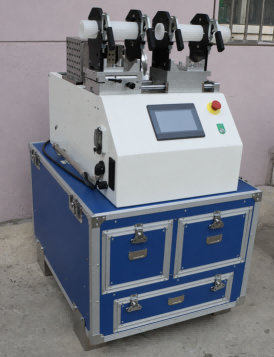
The main computer system tracks key work numbers during every active ir fusion cycle. Built-in digital sensors record exact pressure numbers, heating times, and cooling cycle times continuously. The infrared welding machine saves full work data automatically to protect long term process consistency. You check that every single pipe joint meets strict building rules through automated record collecting. Touchscreen menus guide workers through step by step notes to cut setup errors on job sites.
A built-in label printer prints permanent physical weld reports right after finishing a joint. You stick these printed labels right onto finished pipe pieces for fast factory checks. Quality review teams check printed heat records, joining forces, and clear time notes easily during site checks. Printed reports show detailed work numbers for every pipe connection. This full tracking setup helps meet strict quality rules across semiconductor ultrapure water jobs. Advanced ir fusion tech shields delicate water lines while making field checks easy for work teams.
Advanced Pipe-to-Fitting Installation Solutions
Precision Alignment for Complex Flanges and Elbows
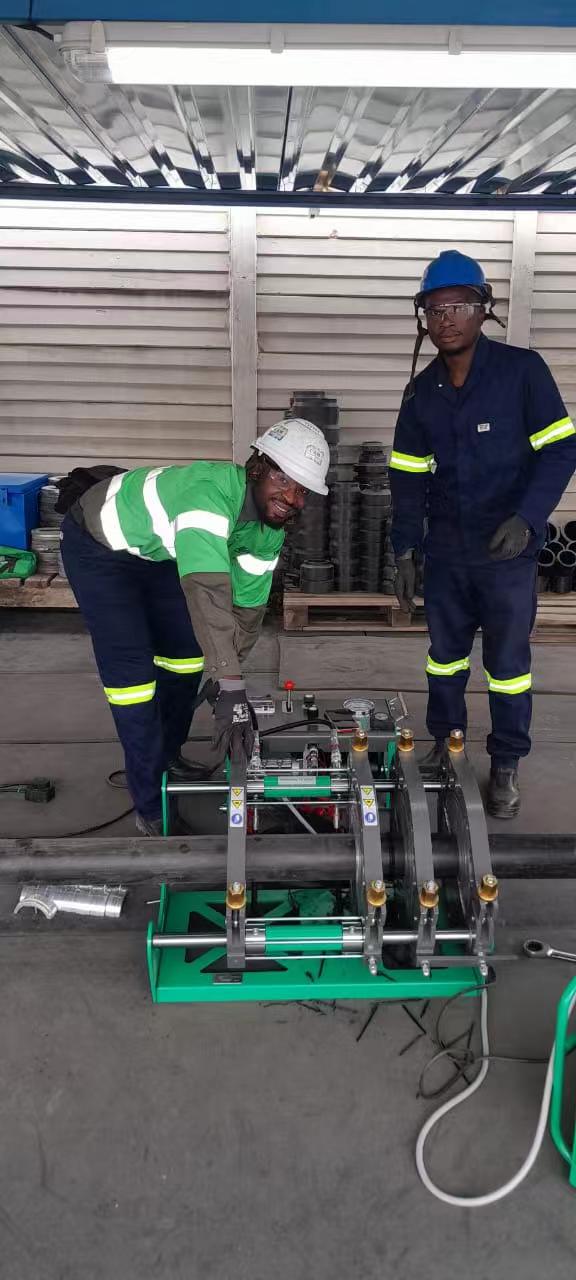
You build tricky clean fluid lines with special tool clamps. Regular blocks cannot hold short pipe parts tightly in small factory spaces. You fix this hard fitting problem by using special wide and narrow accurate clamps. The main machine holds quick-lock clamping parts and magnetic inner grips for pipe sizes from 20 mm to 110 mm. Workers lock short elbows, branch tees, and thick end flanges firmly without twisting or slipping.
Crooked pipe ends ruin total joint strength during hot joining. You get perfect straight alignment using multi-axis movable centering parts. Built-in knobs shift clamped parts up, down, forward, or backward easily. You line up plastic pipe ends across both physical directions accurately before heating begins. Proper tool positioning makes non-contact radiant heating hit the pipe evenly. Even melted areas seal every plastic joint smoothly without creating internal material stress.
Field Performance in Fab Expansion Projects
Think about a big chip factory build that needs fast utility pipe setup. Work teams placed hundreds of meters of PVDF clean piping through tight cleanroom areas. The crew picked fully automated infrared welding machines that use contact-free heating. Workers set up pre-made heat steps for long pipes, short elbows, and thick flanges easily. Fast-change clamp parts made tool setup much quicker on busy work floors.
The automated joining unit ensured steady heating quality for every single pipe piece. Servo motor controls held exact pushing forces during the final hot joining step. Built-in label printers made lasting parameter notes right after finishing each pipe joint. Quality check teams reviewed heat levels, pressing forces, and cooling times with total precision. This great job performance gave 100% data tracking across the whole pure water pipe network, stopping costly factory delays and protecting future output.
Non-contact ir fusion technology transforms high-purity fluid distribution in semiconductor facilities. An automated infrared welding machine warms pipe ends without touching them directly. This safe warming method stops tiny dirt bits from getting into your system. Servo drive systems deliver repeatable fusion pressure, while smooth internal bead profiles preserve liquid purity inside your critical water lines. Integrated label printers record joint parameters automatically to ensure complete quality tracking.
Upgrading to non-contact thermal fusion protects your long-term operational safety and utility infrastructure.
Fab facility managers and process engineers must adopt automated infrared equipment. Touch-free joining tools protect your total chip output by keeping pure water lines completely clean and reliable.
FAQ
What plastic materials work with non-contact infrared fusion?
You can weld strong plastics like PVDF, PFA, PP, PPH, and ECTFE using this method. Touch-free radiant heat warms these polymers safely from 180°C to 600°C without physical touching. You protect material purity and keep solid joint strength across your whole high-purity water system.
How does infrared heating prevent ultrapure water contamination?
You completely remove direct physical contact with hot metal plates. Radiant heat warms plastic pipe ends without ever touching them directly. This touch-free method stops loose particle shedding and prevents dangerous bead tears. Smooth inner weld beads stop still water pockets, protecting your delicate wafer cleaning tasks.
How do automated machines ensure consistent joint quality?
Automated servo systems control pipe position and joining forces with high precision. Built-in CNC software saves heating times, joining pressures, and temperature numbers automatically. An infrared welding machine prints clear label reports after every joint, giving your quality check team total work tracking for process review.
What pipe sizes and fittings can you install with this equipment?
You can set up high-purity pipes and fittings from 20 to 110 mm. Special wide and narrow clamps hold short elbows, branch tees, and end flanges firmly. Multi-axis centering parts let you line up plastic pipe ends accurately before heating work starts.