Manual extrusion welding creates big seam damage. It causes leakage risks during plastic tank fabrication. Chemical storage tanks need total leak-tightness. They also need steady structural strength. Today, plants adopt a plastic sheet butt fusion welding machine for pp pe tank fabrication. This helps to improve build quality. Modern sheet butt fusion welding machines join heavy plastic sheets. They melt polypropylene and polyethylene sheets together smoothly. This advanced welding technology joins thermoplastic panels cleanly. It links them at the molecular level. This process maximizes factory efficiency. Automated heat fusion strengthens overall tank integrity. It also stops chemical leaks. The specialized technology ensures long service life. It protects heavy-duty storage tanks for years.
Key Takeaways
Automated sheet fusion machines stop human mistakes.
They prevent bad leaks in chemical tanks.
Heat fusion joins plastic sheets very tightly.
It keeps the full strength of materials.
Smart machines control heat and hydraulic pressure.
They speed up tank building a lot.
Exact heat control keeps plastic from bending.
It makes strong seams that do not leak.
Quality Issues in Manual Plastic Tank Fabrication
Factory workers face big problems using old tank building ways. Hand methods hurt strength and lower safety.
Limitations of Hand Extrusion and Rod Welding
Old hand welding uses basic hot air tools. These tools make uneven heat on plastic panels. Workers cannot control heat zones on plastic sheets. So, hand welding makes weak bonds on thick seams.
Note: Hand heat tools cannot keep even heat on thick edges.
Pinhole Leaks and Chemical Permeation Risks
Handmade chemical tanks suffer from cracks on seam lines. Harsh acids attack bad joints over time. Trapped air makes tiny hidden leaks inside the seam. These small holes cause dangerous chemical leaks in tanks. Big factory tanks need zero leaks for dangerous liquids.
Inconsistent Seam Geometry from Human Error
Tired workers directly cause bad welds during tank building. Hand work causes uneven pressure and wrong timing.
Manual Process Variable | Operator Dependency & Potential Errors | Impact on Weld Seam Consistency |
|---|---|---|
Temperature Control | Uses basic meters needing hand checks and fixes. | Heat changes cause uneven surface melting on seams. |
Pressure Application | Applied by hand pumps using personal feeling. | Uneven joining pressure causes weak joint strength. |
Heating & Change-over Timing | Depends on worker speed and personal timing choices. | Slow moves let hot surfaces cool too fast. |
Skill & Shift Variations | Affected by tired workers and changing shifts. | Weld quality changes a lot between worker shifts. |
Human mistakes lower quality across hard building jobs. Bad pressure makes uneven joints on big plastic parts. These weak spots lower safety for chemical and water tanks. Factory managers need fast machines to fix weak tank welds.
Mechanics of Sheet Butt Fusion Technology
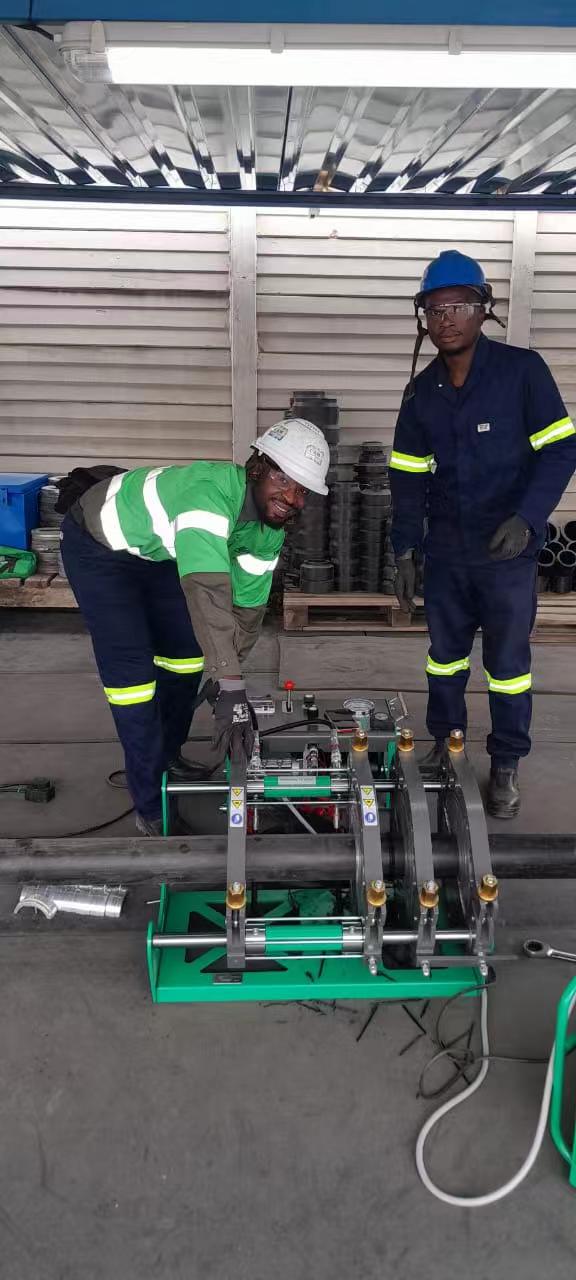
Shops use plastic sheet butt fusion welding machines. These tools join plastic sheets for tank building. They make strong and solid seam lines. Machines stop human errors during panel assembly. Sheet butt fusion welding machines hold panels tightly. Hydraulic clamps press evenly on seam lines. Hot plates warm the plastic edges directly.
Automated Heated Plate Pressure Welding
Smart computer systems control the welding process. Plates melt sheet edges before high pressure joins them. Sensors check heating data during each cycle. Heating plates keep temperatures steady across all surfaces. This steady heat melts thin and thick sheets well.
Thermoplastic Material | Heating Temperature Range (°C) | Applied Pressure Range (N/mm²) |
|---|---|---|
HDPE | 200 to 220 | 0.01 to 0.15 |
PP | 200 to 220 | 0.01 to 0.10 |
PVC-U | 222 to 238 | 0.01 to 0.60 |
PVDF | 232 to 248 | 0.01 to 0.10 |
Straight edges stop internal stress in plastic sheets. Workers use a CNC router and sheet cutting machine. These tools make square edges before heating. Good prep work makes very strong seams.
Homogeneous Molecular Interdiffusion Across Seams
Hot surfaces unlock key benefits of heat fusion. Heat untangles long plastic molecules at melted edges. Pressed edges mix liquid plastic strands completely. This mixing creates homogeneous molecular interdiffusion across joints.
The heat fusion joint achieves identical chemical resistance and mechanical strength compared to the base raw material sheet.
Hardened seams form strong bonds without filler rods. Plastic sheets merge into one solid piece. Smooth joints resist harsh chemicals in tanks. Workers use extrusion welders or hot air welders for small parts. Fusion machines make neat and even seam beads. Good beads boost factory work speed.
Forming Cylindrical Vessels Beyond Standard Sheet Sizes
Big tanks need very long plastic sheets. Butt fusion machines join flat panels together. Operators roll these long sheets into circles. A sheet bending welding machine shapes round tank walls.
Automated tools speed up total build times. Workers use pipe butt fusion welding machines for pipes. They also use pipe socket fusion welding machines. An infrared butt fusion welding machine handles clean pipes. Automation helps factories build items much faster.
Guests can watch these machines work in plants. Buyers can visit a factory in France to see them. Good machines increase daily plant production outputs.
Plastiques de l’Aisne: Improving Tank Welding Quality
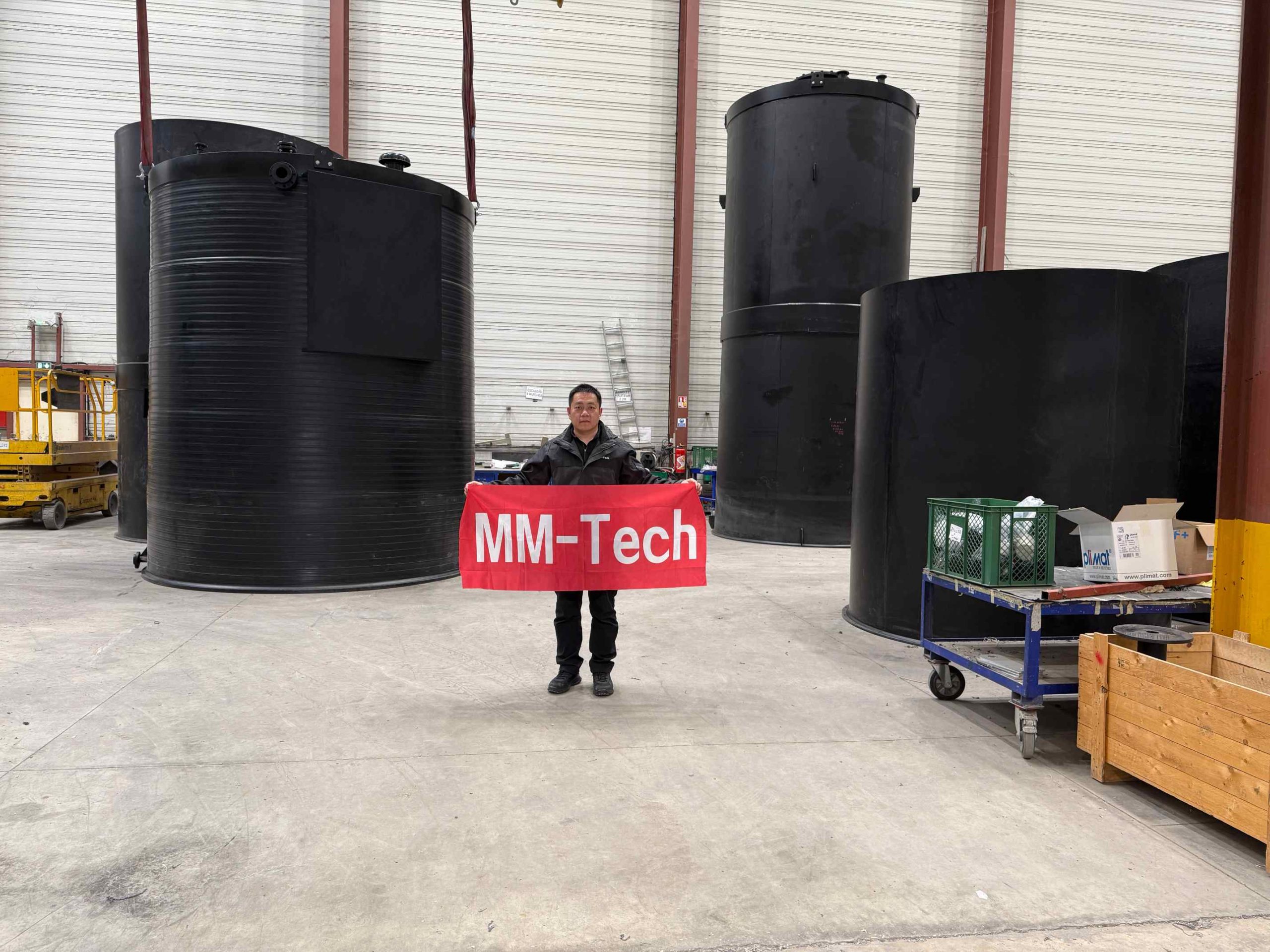
French container makers follow strict building rules. Builder Plastiques de l’Aisne upgraded its shop. This change boosted work reliability.
Transitioning to Automated Sheet Butt Fusion
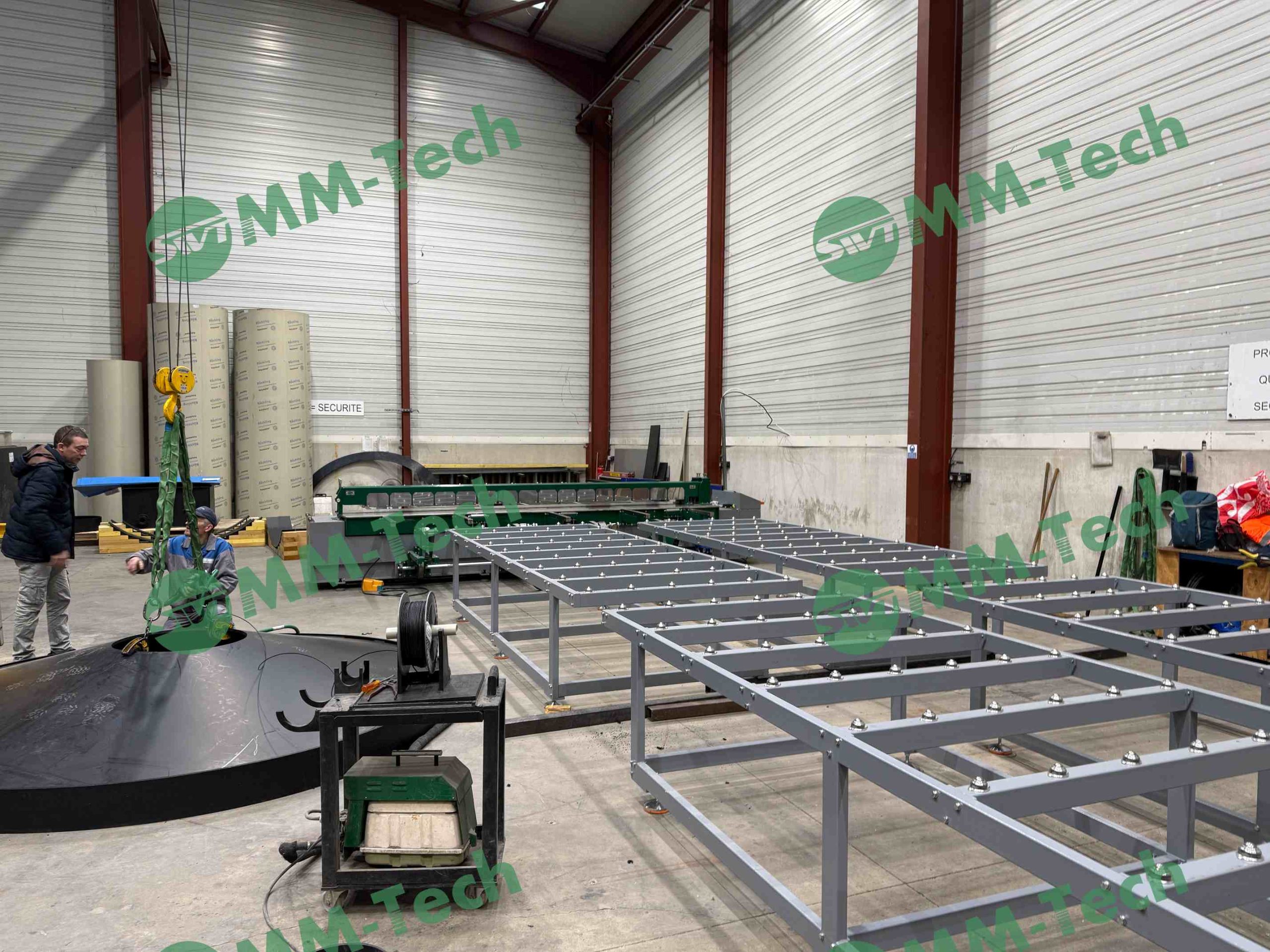
The company installed sheet fusion tools. This step removed old hand welding errors. The new systems handle heavy plastic boards. They work with PP, HDPE, and PVDF. MM-Tech built these heavy-duty units. They process large chemical tanks well.
The French factory added automated tools daily:
Heavy sheet fusion machines align thick boards.
A sheet fusion machine shapes smooth cylinders.
Automated systems raise shift work efficiency.
European buyers can skip China trips. They can visit France instead. They can watch live machines work there.
Achieving Superior Joint Tensile Strength
This upgrade improved overall joint strength. Hot plates melt plastic along seams. This method gives maximum weld strength. It keeps pickling tanks completely leak-proof.
Standard Specification | Engineering Focus Area | Technical Benefit |
|---|---|---|
DVS 2205 | Thermoplastic Joint Evaluation | Guarantees long-term stress resistance in welded seams. |
NF EN 12573 | Static Non-Pressurized Tanks | Verifies structural safety and precise wall thickness. |
The firm follows DVS 2205 rules. It also follows NF EN 12573. Dense plastic stops harsh acid attacks. Smooth joints hold heavy liquid loads. Tanks pass tough rules for hazardous fluids.
Reducing Scrap Rates and Inspection Failures
Smart machines remove human mistakes now. The plant reduced waste material quickly. Pickling tanks no longer have pinholes. Steady heat control brings top results daily.
[Material Preparation] ➔ [Automated Fusion] ➔ [Robotic Finishing] ➔ [Zero-Defect Inspection]
New machine upgrades added more plant power:
Flexible 3-axis and 6-axis arms weld small corners.
Automatic flange welders build tight pipe joints.
Automatic bead tools peel excess material away.
Modern 3-axis punching tools cut clean holes.
This full tech setup ensures high quality. The plant makes more items every day. High output speeds up product deliveries. Sheet fusion machines build strong long-lasting tanks.
Key Parameters for Thermoplastic Fusion
Precise Temperature Control for PP and PE
PP sheets need precise heat for tank building. Modern sheet fusion tools keep plate heat steady. Fast sensors watch the plastic melt closely. Accurate heat makes thick panel welds strong. Good heat control stops panel damage during joining. Smart heat settings raise daily plant output fast.
Smart heat tools keep melt depth exact on edges.
Hydraulic Alignment and Pressure Equalization
Strong hydraulic tools line up chemical tanks before heating. Equal joining force pushes PP panels evenly together. Smart clamps join edges without gaps or bad stress. Heavy fusion machines press evenly on long seam lines. Steady pressure balance raises total shop work speed.
Fusion Parameter | Process Target | Operational Outcome |
|---|---|---|
Heating Pressure | Low Contact Force | Uniform Surface Melting |
Joining Pressure | High Equalized Force | Homogeneous Seam Core |
Cooling Pressure | Sustained Clamping Force | Zero Panel Distortion |
Cooling Cycle Management to Prevent Warping
Safe cooling cycles stop strong plastic tanks from bending. Proper clamp force stops inner stress in thick plates. A custom sheet fusion machine holds hot panels firmly. Solid timing joins thick edges in big tanks safely. Better cooling steps speed up shop work and output.
Choosing a Plastic Sheet Butt Fusion Welding Machine for PP PE Tank Fabrication
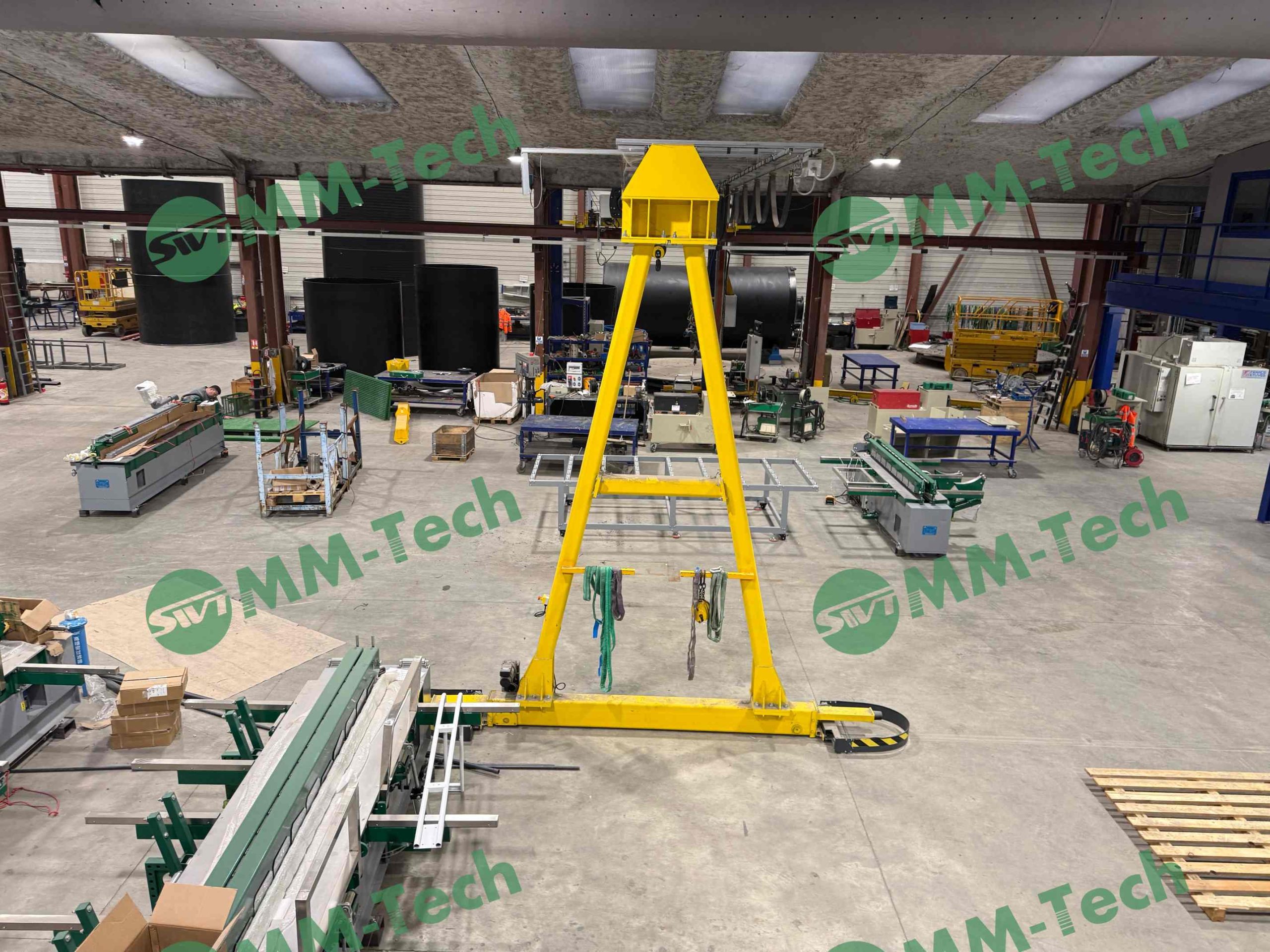
Shops pick fusion machines based on panel sizes. Modern units join PP panels with ease.
CNC Controls and Automated Data Logging
Digital updates increase daily shop output fast. Fusion units use smart CNC screens for settings. Fusion tools record live heat and pressure data. Panel fusion joins sheets cleanly now. Smart systems track quality along every seam line. Workers save cycle logs to protect tank strength. Better fusion tech speeds up shop work. Smart monitoring stops hidden tank flaws completely.
Integrated 90-Degree Bending Capabilities
Versatile fusion machines offer sheet folding tools. Workers shape round and box tanks directly. This sheet bending machine shapes PP panels fast. Cutting extra seams raises shop work speed. Strong fusion joints help tanks last longer. Plants build tough chemical tanks for hard jobs. Better machine design improves daily build quality. Workers assemble strong transport tanks with ease.
Automated sheet butt fusion welding machines prevent liquid leaks. They also stop structural failures in factories. Modern joining technology welds materials closely. It binds them at the molecular level. Factories increase total production efficiency this way. They also keep full original material strength.
Upgrading to a plastic sheet butt fusion welding machine for pp pe tank fabrication optimizes daily output.
Plant managers build safer storage tanks now. They also make chemical tanks for high safety.
FAQ
What primary advantage does a plastic sheet butt fusion welding machine for pp pe tank fabrication offer over manual methods?
This automated equipment eliminates human errors. It stops hidden pinhole leaks. The machine creates homogeneous molecular joints. It joins sheet seams easily. This process boosts joint strength. It improves operational efficiency. It increases chemical safety. It protects heavy-duty industrial tanks.
Which materials can fabricators process using modern sheet butt fusion welding machines?
Workers process thermoplastics very easily. They weld HDPE, PPH, PVC, and PVDF. Modern machines control heat and pressure. They make consistent seam quality. Materials stay strong during sheet fabrication.
How do shops form circular vessels from flat panels?
Workers join flat panels with hot plates. Next, bending machines shape the panels. They turn sheets into seamless cylinders. Automated fusion tools build heavy vessels fast. The process maintains total structural integrity.
Can prospective buyers observe these automated processing units in Europe?
Yes. Buyers can visit a French facility. They inspect active equipment directly. This visit lets plant managers judge tools. They evaluate high-grade plastic storage tanks easily.