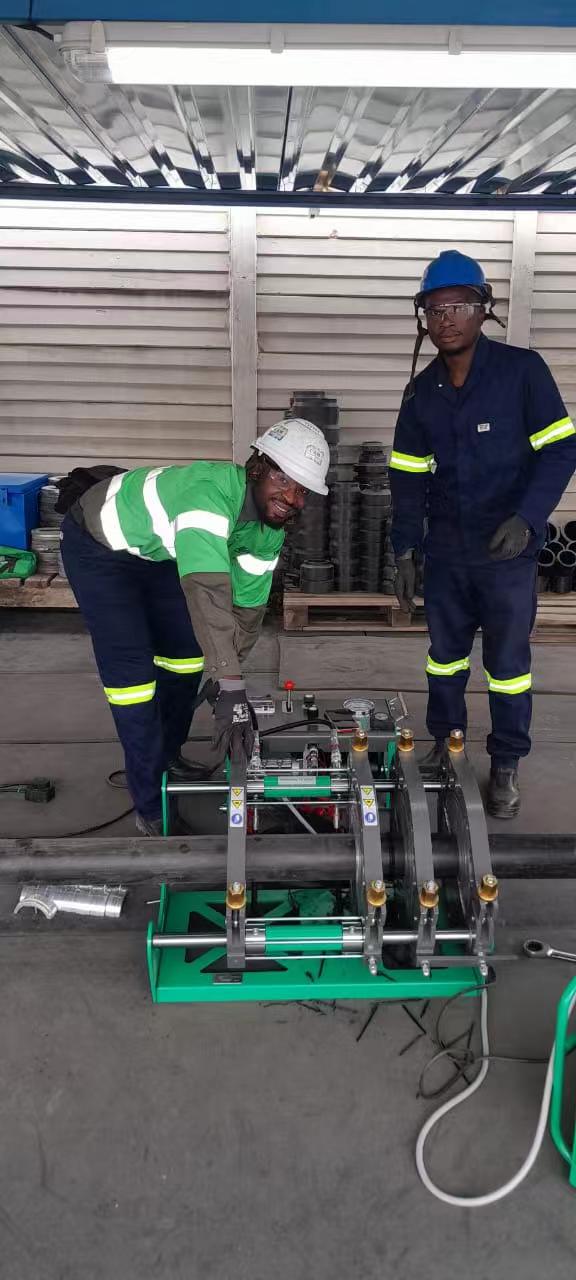
Today’s industrial water treatment plants strictly forbid tiny dirt particles and rusting. Clean, high-purity water pipelines carry important process liquids safely. Traditional contact heating methods may create additional challenges in high-purity applications, such as potential surface contamination and strict control requirements. These flaws weaken plastic pipe performance in delicate systems. Touch-free welding fixes these pollution risks entirely. Radiant heat warms pipe ends evenly without any tools touching them. This clean process connects PVDF, PP-H, and PE pipe networks smoothly. The MM-Tech IR-110CNC infrared welding machine offers a smart, computer-controlled option. Engineers trust non-contact ir welding to create reliable, strong pipe joints in tough water treatment settings.
Key Takeaways
Non-contact infrared welding uses invisible heat rays to melt plastic pipes without ever touching them.
Reworded paragraph content**: “` Heating without direct contact removes burned plastic waste and forms smooth inside pipe walls to protect clean water.
The MM-Tech IR-110CNC uses smart computer controls to automatically run the heating, pressing, and cooling steps.
Exact pipe positioning creates sealed joints that withstand harsh factory chemicals and heavy liquid force.
High-Purity Requirements in Industrial Water Systems
Purity and Chemical Resistance Demands
Industrial factories need clean pipe systems to keep their work running smoothly. Plants making electronics, medicine, and special chemicals rely on pure water lines for clean liquids. Small bits of dirt ruin delicate work steps, lower product output, and break costly machinery. Factory engineers must stop liquid pollution by choosing clean pipes and safe joining ways.
Plastic pipe networks offer great strength and chemical safety when moving harsh industrial liquids. Advanced materials like PVDF resist strong chemicals, harsh oxidizers, and high heat without leaking dirt.
PVDF offers excellent resistance to many aggressive chemicals, making it widely used in chemical treatment and high-purity piping systems, with only concentrated sulfuric acid above 120°C causing significant degradation.
Purity rules set strict limits on allowed liquid dirt inside modern water treatment loops. Electronics factories enforce tight cleaning measures to protect their product quality.
High-purity industries such as semiconductor and pharmaceutical manufacturing require extremely strict control of particle contamination in water systems.
Limitations of Traditional Hot Plate Fusion
Standard plastic joining methods create serious purity risks inside super-clean liquid pipe systems. Old hot plate fusion presses a hot metal tool directly against raw pipe ends during heating. High contact heat burns local material, leaving scorched bits and loose dust that ruin pure water lines.
Direct contact heating causes structural damage right along the joining line. Melted plastic sticks to the Teflon cover when workers pull the hot tool away. This sticking pulls the soft pipe surface, making uneven inner weld beads. Big weld beads slow liquid flow, drop pressure, and create quiet dead zones. These hidden dead spaces trap dirt and help bacteria grow inside industrial water pipes.
Fundamentals of Non-Contact IR Welding
Radiant Energy Thermal Transfer Mechanics
Infrared heat radiation transforms high-purity thermoplastic joining processes by eliminating direct physical contact. Non-contact ir welding uses high-intensity radiant energy sources placed between facing pipe ends. Radiant heat waves travel across the air gap and absorb directly into the plastic material. This thermal energy increases molecular motion evenly across the entire pipe cross-section. The pipe ends reach their precise melting temperature without touching any physical heating element.
Traditional contact heating tools physically touch the plastic surfaces during the heating cycle. That contact causes molten plastic to stick to heating plates when workers pull tools away. Heated metal plates can also create burnt, carbonized particle debris on pipe faces.
In contrast, non-contact infrared thermal transfer completely eliminates sticking and surface contamination. The radiant energy heats the crystalline structure of high-performance plastics uniformly. Pipe ends transform into a soft, molten state across controlled heating zones. This uniform melt depth allows the pipe faces to fuse together under precise mechanical pressure. Operators achieve clean welds that maintain the original chemical structure of the plastic.
The process supports various high-performance thermoplastic materials used in modern treatment facilities:
Polyvinylidene Fluoride (PVDF) for aggressive chemical resistance
Polypropylene-Homopolymer (PP-H) for high thermal stability
Polyethylene (PE) for flexible, durable fluid transport
Polypropylene (PP) for general industrial process water
Prevention of Contamination and Encrustation
Smooth inner pipe geometry protects clean fluid distribution networks from operational failures. Standard hot plate welding creates large, irregular internal melt beads inside pipe bores. These large beads block fluid movement, increase friction loss, and create severe turbulence. Irregular bead profiles also form static fluid dead zones inside high-purity water pipelines. Dead zones collect tiny physical particles, chemical precipitates, and biological matter over time. Stagnant water in these pockets promotes bacterial growth and encrustation along pipeline walls.
Engineers prevent these flow disruptions by implementing non-contact welding techniques. Controlled radiant energy creates minimal, symmetrical weld bead profiles along internal pipe boundaries. Smooth bead transitions maintain uniform fluid velocity and eliminate stagnant fluid zones entirely. Purified water moves continuously through the system without meeting physical obstructions.
This clean non-contact process prevents carbonized particle formation during the heating phase. The absence of foreign particle generation helps maintain high cleanliness requirements for sensitive fluid applications. for sensitive process applications. Furthermore, the precise alignment during fusion produces strong joints that resist intense pressure surges and chemical exposure. Facilities achieve clean welds that reduces potential accumulation areas inside the pipeline. inside critical process loops. Process engineers preserve long-term pipeline hygiene, protect downstream filtration equipment, and ensure continuous water purity standards.
Capabilities of MM-Tech IR-110CNC Infrared Welding Machine
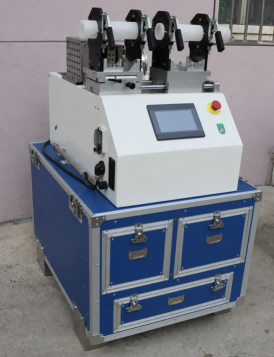
Modern industrial water treatment facilities demand total control over pipe assembly. The MM-Tech IR-110CNC infrared welding machine delivers stable performance through smart mechanical automation. Process engineers rely on this machine to build pure fluid systems for chemical factories, chip plants, and power facilities. Automation turns hard pipe joining steps into very reliable, easy work routines for job site workers.
Automated CNC Parameter Management
Exact computer control technology directs every single phase of the pipe fusion process. Old manual plastic welding methods often introduce quality flaws from human mistakes made during heating or pressing. The IR-110CNC system removes these work risks by storing standardized parameter settings directly inside its computer memory.
The smart controller handles four main heating parameters automatically:
Radiant heating temperature levels set across the whole pipe face
Controlled heat exposure times without touching any metal surface
Exact joining pressure forces applied during the fusion phase
Required cooling time cycles finished before opening the pipe clamps
Operators pick the right material program before starting the pipe joining work. The IR-110CNC runs every step following strict engineering guidelines. The system tracks the radiant heating element constantly to keep heat energy balanced across the pipe face. Smooth mechanical drives press the soft pipe ends together using exact joining force. Computerized timers keep the joint tight under pressure until the cooling period finishes. This strict parameter control guarantees strong, matching welds across thousands of pipe joints within large factory water networks.
Digital tracking systems record process details for future quality inspections. Plant managers check digital weld records to confirm heating cycles and joining pressure levels. This complete data recording feature helps plants meet strict industrial safety rules and pass site audits in demanding fields like medicine making, chemical processing, and microchip production.
Precision Alignment and Clamping Systems
Perfect pipe positioning stays vital for building strong, high-purity plastic piping lines. Misaligned pipe ends create structural weak spots and uneven weld beads inside clean liquid channels. The MM-Tech IR-110CNC infrared welding machine uses heavy-duty clamping units built to align clean plastic pipes correctly.
System Component | Engineering Function | Performance Benefit |
|---|---|---|
Rigid Machine Bed | Prevents frame bending under heavy push loads | Keeps pipe ends straight during joint fusion |
Specialized Pipe Clamps | Holds PVDF, PP-H, and PE pipe walls tight | Stops pipe slipping during strong mechanical pressing |
Linear Facing Tool | Trims pipe ends flat before applying heat | Ensures complete surface contact across the joint |
The strong clamping assembly holds pipe pieces tight during trimming, heating, and joining steps. Dual linear guide rails direct all machine motion along a straight middle axis. The built-in facing tool shaves pipe ends flat to get smooth, parallel faces before radiant heat turns on. Perfect alignment lets radiant heat warm the plastic material to an even depth across the whole pipe face.
Proper alignment prevents uneven inner walls along the pipe line. Matching wall thickness keeps the pipe strong and prevents high pressure from cracking single spots. Smooth inner joints protect clean liquids from rough flow and stop dirt from gathering inside. Factories build clean, durable pipe networks that safely move harsh chemicals, factory wastewater, and pure water over long operating years.
Step-by-Step IR-110CNC Welding Workflow
Pipe Facing and Radiant Heating Cycle
Operators begin the welding workflow by clamping thermoplastic pipes securely inside the rigid machine frame. The integrated facing tool automatically moves into position between the two pipe ends. High-precision rotary blades trim both pipe faces simultaneously to remove surface roughness and contamination. This facing process creates flat, perfectly parallel surfaces across the entire pipe wall. Clean, flat surfaces ensure even thermal absorption during the subsequent heating phase. Operators retract the facing tool after completing the trimming cycle.
The system then initiates the non-contact heating phase. The infrared welding machine advances an intense radiant heating element into the open space between the pipe ends. Radiant heat waves penetrate the plastic surfaces directly without touching the pipe walls. This thermal radiation raises the surface temperature of PVDF, PP-H, or PE pipes uniformly across the heating zone. Touch-free heat transfer prevents molten plastic from sticking to heating tools. The clean thermal process eliminates carbonized material debris on the pipe faces entirely.
Controlled Fusion and Thermal Monitoring
Once the plastic material reaches its ideal melt depth, the machine retracts the radiant heater rapidly. Automated mechanical drives push the softened pipe ends together along precision linear guide rails. The CNC system regulates the joining pressure force with high accuracy during initial contact. Precise force control prevents excessive material displacement along the inner pipe bore. This controlled pressing action forms clean welds with symmetrical, low-profile internal melt beads.
The clamping mechanism holds the joined pipes firmly throughout the designated cooling period. Automated sensors monitor thermal levels and pressure stability continuously across the cooling cycle. Steady cooling allows polymer chains to bond properly across the fusion interface. This controlled cooling phase produces strong joints capable of handling high fluid pressure and aggressive process chemicals. The computer stores all recorded parameter logs in its memory for future quality audits.
Target Applications in Water Treatment Facilities
Reverse Osmosis and High-Purity Water Distribution
Factories use special non-contact pipe joining methods for important water cleanup steps. Power plant reverse osmosis setups, water softening loops, and filter units require perfect pipe lines. Joints made with the MM-Tech IR-110CNC machine stay smooth on the inside. These smooth surfaces stop pipe clogs and keep water flowing steadily through initial treatment stages. Chemical factories build clean water lines using non-contact infrared machines to protect pricey filter screens from burnt dirt specks.
Strict clean rules control fluid lines inside computer chip, electronic, and medicine factories. Chip makers must use super-pure water that contains almost no tiny dirt bits. The SEMI F63 rule limits tiny particles inside liquid lines. Touch-free infrared joining removes hot tools and stops extra dirt from forming during pipe assembly. Medicine plants build pure water lines to move clean liquids safely without growing tiny bacteria.
Chemical Dosing and Industrial Wastewater Processing
Chemical feeding systems move harsh liquids inside water cleaning plants. Factory workers send strong acids, tough bases, and harsh soaps through PVDF plastic pipes. PVDF material fights off strong chemicals like 98% sulfuric acid up to 80°C. The MM-Tech IR-110CNC welds PVDF pipes without weakening their natural strength. Clean radiant heat forms tight joints that handle strong chemicals and sudden water pressure spikes.
Factory wastewater cleaning systems benefit greatly from tough plastic pipe lines. Used factory water holds dangerous chemicals, heavy metals, and rusting liquids. Plastic materials like PP-H and PE resist strong chemical damage very well. Useful infrared welding methods help engineers build leak-proof pipe joints across large treatment plants. Smart computer control keeps pipelines working for years, saving factory managers money on repairs.
Quality Assurance and Industry Standard Compliance
Adherence to DVS and SEMI Guidelines
Modern industrial water treatment facilities demand strict adherence to recognized technical standards. Official technical guidelines from DVS govern high-purity thermoplastic pipe joining processes across global manufacturing plants. These standards define mandatory heating temperatures, precise changeover timing, fusion pressure levels, and cooling durations for materials like PVDF and PP-H. Automated machine execution eliminates human operational error and ensures total alignment with these rigorous plastic welding codes.
Semiconductor fabrication plants enforce the SEMI F63 standard to protect ultra-pure water distribution loops. This microelectronics specification sets strict limits on allowable particulate contamination within fluid lines. Non-contact radiant heating technology fulfills these purity rules by eliminating heating tool contact during the thermal cycle. Piping installation teams reliably satisfy both DVS parameters and SEMI cleanliness benchmarks through automated computer numerical control. This verified process consistency reduces project installation risks significantly.
Parameter Optimization for Defect Prevention
System operators prevent structural weld defects through precise digital parameter control. The advanced infrared welding machine manages radiant heat intensity, mechanical motor speeds, and joining forces automatically. Precise thermal regulation prevents surface burning, thermal degradation, and carbonized particle formation on pipe faces. Controlled physical movement produces smooth, symmetrical weld beads along internal pipe boundaries.
Uniform temperature distribution across the pipe face prevents wall sagging and preserves steady fluid flow dynamics within high-purity piping systems.
Equal melt depth across both pipe ends preserves the structural stability of the final joint. Automated cooling cycles hold the joined pipes under steady pressure while polymer chains realign correctly across the fusion boundary. This controlled cooling phase eliminates internal stress cracks, prevents joint separation, and yields exceptionally strong joints. Built-in digital logging systems record thermal values, pressure levels, and timing metrics for every completed weld. Quality assurance managers review these digital parameter logs to confirm full industry standard compliance before plant commissioning.
Non-contact infrared thermal radiation eliminates pollution risks in industrial water treatment pipelines. Old heating tools touch pipe surfaces directly, but non-contact welding warms plastics evenly across an air gap. This pure heating method stops burnt particles and creates clean welds inside liquid channels. The MM-Tech IR-110CNC infrared welding machine joins smart CNC precision with steady thermal monitoring. Its custom clamping systems offer exact mechanical alignment for PVDF, PP-H, and PE piping systems. Process engineers, system integrators, and plant managers can shield pure liquid loops by improving their pipe welding methods. Using the automated IR-110CNC machine guarantees long-term operational safety across tough factory settings.
FAQ
How does non-contact ir welding prevent fluid contamination?
Heat waves warm pipe ends through open space without tools touching them. This contact-free heating stops soft plastic from sticking and prevents burnt dirt from forming on pipe faces.
Which thermoplastic materials can the MM-Tech IR-110CNC process?
The MM-Tech IR-110CNC welds PVDF, PP-H, PE, and PP pipe systems easily. These strong plastics offer great chemical resistance and long life in tough water treatment setups.
How does automated CNC control improve plastic welding consistency?
The CNC machine manages heat levels, heating times, pressing force, and cooling steps automatically. Smart computer controls remove human mistakes to deliver matching, high-quality joints across large pipe networks.
Why do high-purity water lines require smooth internal weld beads?
Smooth inner weld shapes keep liquid moving steadily and remove quiet dead spots. Clearing out still water stops bacteria from growing and keeps dirt from gathering inside process pipes.