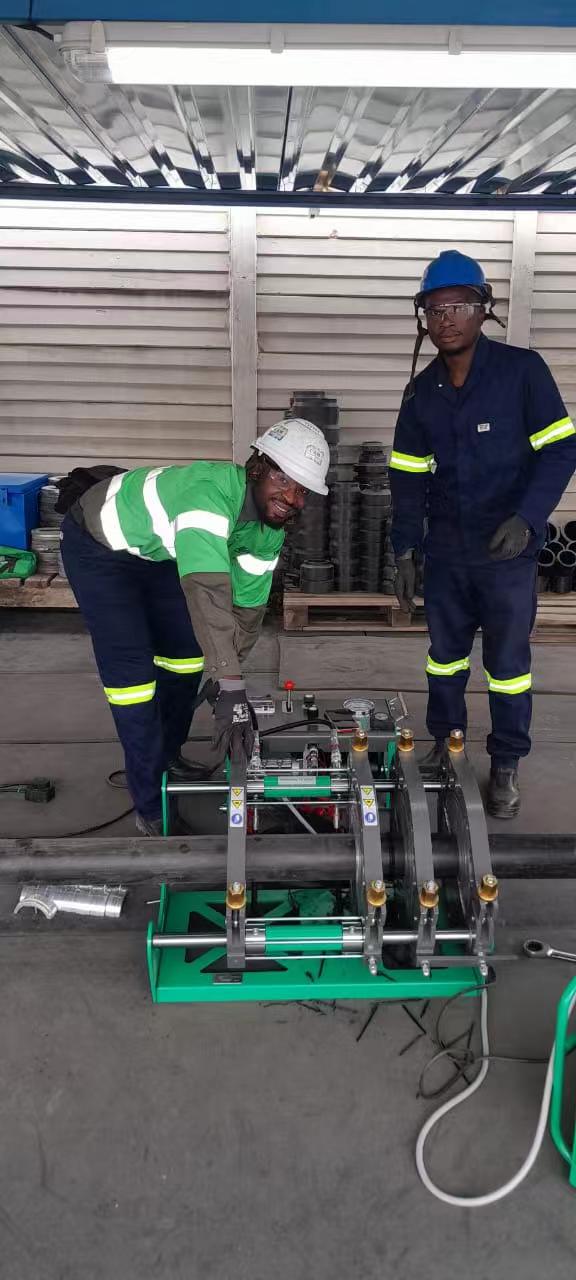
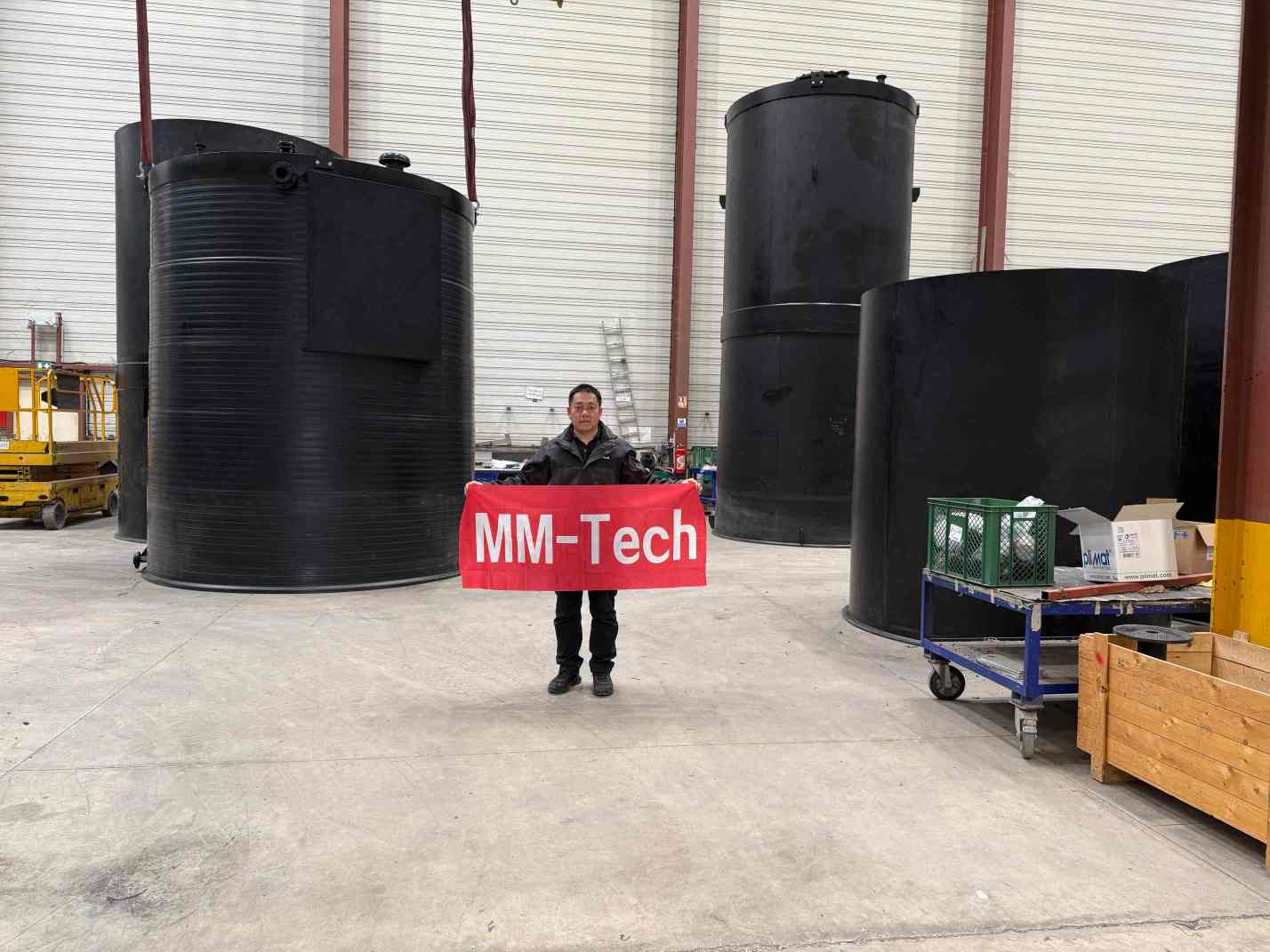
A Plastic Sheet Welding Machine connects thermoplastic sheets. These sheets make chemical storage tanks used in Europe. Advanced welding technology helps tanks follow tough safety rules. It uses real-time checks and tests that do not harm the tanks. This stops problems and keeps tanks safe by following rules like API 650. Plastiques de l’Aisne is a top company in this field. They have skilled teams, a big factory, and quick service. MM-Tech works with them to give standard and custom welding solutions. This helps make tanks that are reliable, efficient, and follow the rules.
Key Takeaways
Plastic Sheet Welding Machines connect thermoplastic sheets to build tanks that do not leak.
HDPE and PP are used for tanks because they can handle chemicals and bad weather.
Butt welding is often used to make strong and leak-proof joints in tanks.
New machines like MM-Tech’s help tanks pass tough European safety rules.
Automation and real-time checks help make tanks faster and with fewer mistakes.
Plastic Sheet Welding Machine in Tank Manufacturing
Tank Assembly Applications
Plastic Sheet Welding Machines are very important for making chemical storage tanks. They join thermoplastic sheets together to build tanks that do not leak. Most companies in Europe use HDPE and PP for their tanks. These materials are good for chemical storage for many reasons:
Application | Description |
|---|---|
HDPE and PPH do not get damaged by chemicals, so they are great for storing chemicals. | |
Lightweight | These materials are lighter and easier to move than older materials. |
Weather Resistance | They can handle different weather, so they last a long time. |
Customization | Tanks can be made in many sizes and shapes for different needs. |
It is important to line up the sheets and heat them evenly when welding. This keeps the tank walls and seams strong, even with chemicals inside. The Plastic Sheet Welding Machine helps workers control the heat and pressure during welding.
Welding Methods and Materials
Manufacturers pick the welding method based on the tank’s design and material. The most used methods are butt welding and extrusion welding. Butt welding is common because it makes strong joints that do not leak. It works with many materials and thicknesses. It is good for both small and big projects. Here is a table that shows the main welding methods and their good points:
Welding Method | Advantages |
|---|---|
Butt Welding | Makes strong, leak-proof joints; works with many materials and thicknesses; good for many uses. |
Butt welding has more good points:
It lets you make big sheets from small ones.
It is good for making big things like tanks and pans.
It works well for small and big jobs.
HDPE and PP are the most used materials for tanks in Europe. HDPE is strong against chemicals, not expensive, and lasts a long time. It is used for big tanks, food, and oil. PP is also good with chemicals, light, and not costly. It is used for storing acids and other strong liquids.
Material | Key Properties | Applications |
|---|---|---|
HDPE | Strong against chemicals, not expensive, easy to use, lasts long | Big tanks, food, oil |
PP | Good with chemicals, light, not costly | Storing acids and other strong liquids |
Standard and Custom Equipment
Plastiques de l’Aisne and MM-Tech give many types of machines for making tanks. Standard machines are sheet butt fusion welding machines, CNC routers, and extrusion welders. These machines do most tank jobs with good accuracy.
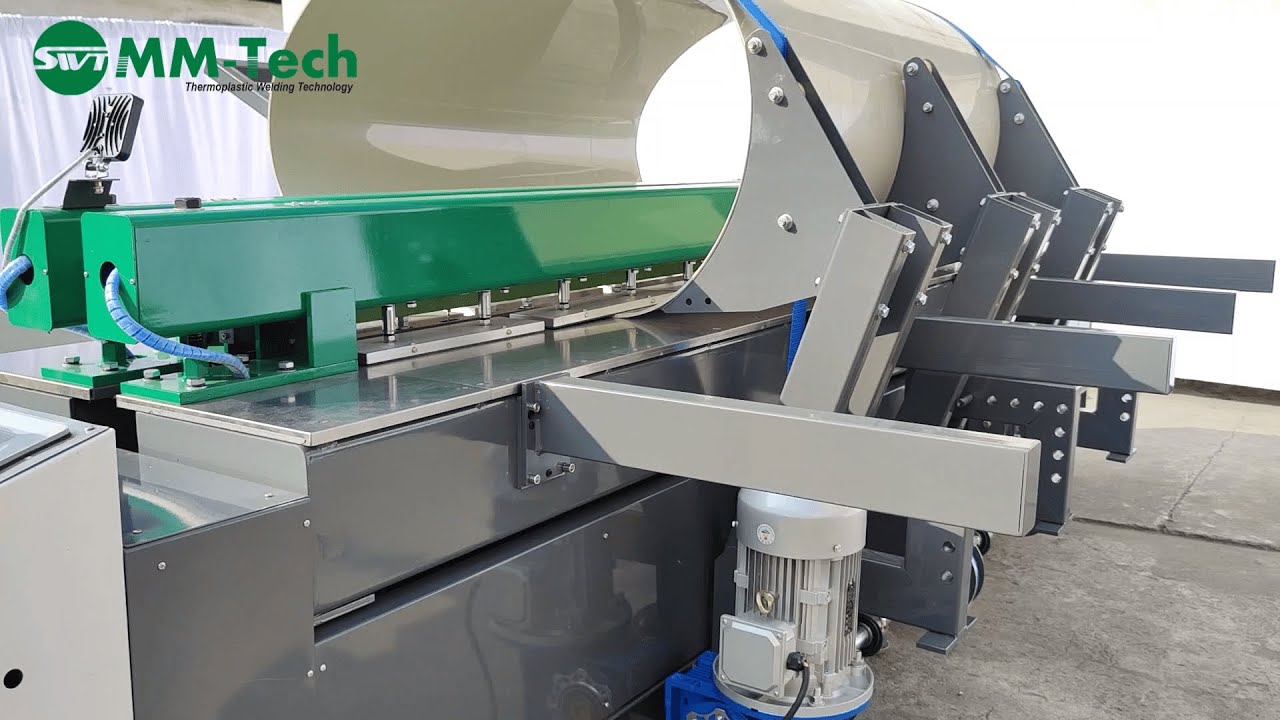
For special needs, there are custom machines. These include robot arms for welding, automatic welding for lots of tanks, and special tools for hard tank shapes. MM-Tech has a special Plastic Sheet Welding Machine for European tanks. This machine follows DVS rules and can weld from 1500 mm to 8000 mm. It can weld sheets from 3.0 mm to 50.0 mm thick. It can do line welding, round welding, and vertical welding at 90°.
MM-Tech’s vertical welding uses 23 air suckers and vacuum to hold sheets steady. It changes for sheet thickness and makes sure corners are welded at 90°. The machine has a Delta servo motor, TBI lead screw, and 0.01 mm heating plate for very good accuracy. The welds are even and strong, with a stress of 4–5 MPa.
Plastiques de l’Aisne has a big factory over 15,000 square meters and 30,000 square meters outside. They keep a lot of stock, with over 12,000 items. This means they can ship fast, usually in 24 to 48 hours. Customers get everything they need in one place, which helps solve problems and makes work faster.
Tip: Picking the right machines and materials keeps tanks safe, strong, and following European rules.
Compliance with European Standards
Regulatory Requirements
Europe has strict rules for chemical storage tanks. These rules help keep people and the environment safe. Standards like DVS and EN 3834-2 tell how to design and test tanks. They make sure tanks hold dangerous chemicals without leaking. Companies must use approved materials like HDPE and PP. They need to follow exact welding steps and write down each part of the job. Every tank gets checked from start to finish. This means picking the right materials and testing the finished tank. Following these rules keeps workers and nature safe.
Ensuring Compliance with Welding Technology
Advanced welding machines help companies follow European rules. The Plastic Sheet Welding Machine from MM-Tech is made for Europe. It supports DVS welding standards. It can weld sheets from 1500 mm to 8000 mm long. It works with sheet thicknesses from 3.0 mm to 50.0 mm. The machine can do line, round, and vertical welding at 90°. For vertical welding, it uses 23 air suckers and a vacuum system. This holds the sheets in place and changes for different thicknesses. It helps weld corners at 90° without moving.
The machine uses a Delta servo motor and TBI lead screw. It also has a heating plate that moves with 0.01 mm accuracy. These parts help make even welds and strong joints. The welds have a stress of 4–5 MPa, which matches European standards.
Feature/Capability | Description |
|---|---|
Equipment made to meet safety and worker protection rules. | |
Mastery of welding processes | Skilled teams make sure welds are strong and even. |
Investment in technology/training | Teams get new tools and learn new skills often. |
Adherence to EN 3834-2 | Teams can work with many materials, even special alloys. |
MM-Tech gives a one-stop solution for making tanks. This stops problems like machines not working together. It also stops mistakes in the process. Companies save money and work faster. Every tank meets the tough European rules.
Note: Using the best welding machines helps companies follow the rules. It also helps customers and inspectors trust the tanks.
Quality and Durability Benefits
Leak-Proof and Strong Tanks
A Plastic Sheet Welding Machine helps make tanks that do not leak. It also makes them strong. The machine joins HDPE or PP sheets with great care. This makes seams that keep chemicals inside. MM-Tech machines use the DVS welding standard. This standard is trusted in Europe for chemical storage tanks. These machines can weld sheets from 1500 mm to 8000 mm long. They also work with thicknesses from 3.0 mm to 50.0 mm.
Modern machines can do different types of welding:
Welding Line
Circular Welding
Vertical Welding at 90°
Vertical welding uses 23 air suckers and a vacuum. This keeps the plastic sheets still. It also changes for different thicknesses. It lets workers weld corners at 90°, which makes tanks stronger. The welds are even and have high strength, up to 4–5 MPa. This meets the tough rules in Europe.
Performance and Reliability
New technology has made tank making better. CNC welding replaced manual work. This change lowered mistakes from 5–9% to less than 2%. The time to retest each tank dropped from 70 minutes to just 10 minutes. CNC welding makes every weld the same, no matter who uses the machine.
Some features help the machines work well:
Delta servo motor for smooth moves
TBI lead screw for exact spots
Heating plate with 0.01 mm accuracy
These parts help make welds that are even and strong. Tanks made this way last longer and do not leak, even with strong chemicals. MM-Tech’s one-stop solution stops problems with machines not matching. It also fixes process mistakes. This makes tank building faster and saves money.
Tip: Using new welding machines helps tanks stay safe and work well for a long time.
Efficiency and Production Advantages
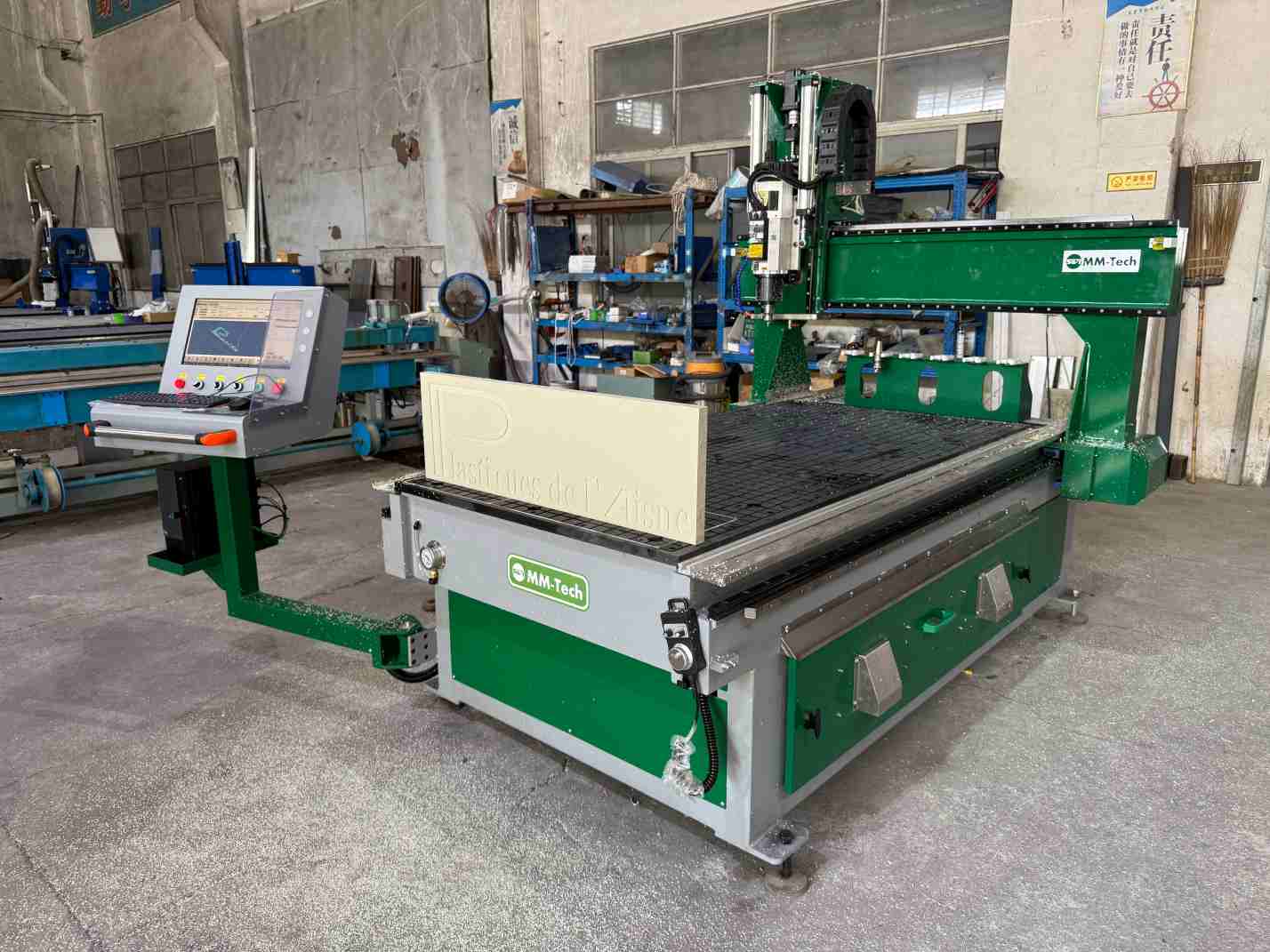
Automation and Productivity
Automation is changing how tanks are made in Europe. Robotic systems and cobots help work faster and more accurately. MM-Tech’s Plastic Sheet Welding Machine has special features. It can do Welding Line, Circular Welding, and Vertical Welding at 90°. The vertical welding uses 23 pneumatic suckers and a vacuum. This holds the sheets tight and changes for different thicknesses. Workers can weld corners at 90° with good control.
Real-time checks and digital tracking let teams watch every weld. Better planning and control of settings lower mistakes. CNC systems and servo motors help the machine move exactly. The heating plate can move as close as 0.01 mm. Welds look the same and are strong, with a stress of 4–5 MPa. This matches European rules.
More robots and digital tools will be used in the future. The table below shows how automation and welding equipment are growing:
Year | Industrial Robots Installed in Europe | Market Value of Welding Equipment (USD) |
|---|---|---|
2023 | 4.28 million | N/A |
2024 | 85,000 | 12.24 billion |
2031 | N/A | 16.43 billion |
Note: Automation helps make more tanks and keeps quality the same.
Cost and Scalability
Saving money is very important for companies. Automation cuts labor costs and lowers mistakes. MM-Tech’s one-stop solution stops problems with machines not matching. This saves money and makes work faster.
Plastiques de l’Aisne’s factory is big, with 15,000 square meters inside and 30,000 outside. They keep over 12,000 items ready to ship. Fast shipping in 24 to 48 hours helps make more tanks quickly. Having lots of stock and good shipping lets them help customers fast.
Using robots helps make many types of tanks.
Some automation can change for different tank sizes and shapes.
Digital tracking makes it easier to follow rules and keep records.
Tip: Picking new welding machines helps companies grow and save money.
Selecting the Right Welding Machine
Key Features to Consider
Choosing the right Plastic Sheet Welding Machine is important for making safe and strong chemical storage tanks. Start by looking at the tank size. MM-Tech machines can weld sheets from 1500 mm to 8000 mm long. They handle thicknesses from 3.0 mm to 50.0 mm. This range fits most European tank projects.
Check the welding standard. MM-Tech follows the DVS standard, which is trusted in Europe. The machine can do Welding Line, Circular Welding, and Vertical Welding at 90°. For vertical welding, it uses 23 pneumatic suckers and a vacuum system. This holds the sheets steady and adjusts for different thicknesses. It helps make strong 90° corner welds.
Precision matters. The Delta servo motor and TBI lead screw give smooth and exact movement. The heating plate can move with 0.01 mm accuracy. This makes welds even and strong. The weld bead is uniform, and the transverse tensile stress reaches 4–5 MPa.
Tip: Always check if the machine matches your tank size, material, and welding needs.
Matching Equipment to Project Needs
Every project is different. Some tanks need high chemical resistance. Others need special shapes or fast production. MM-Tech and Plastiques de l’Aisne offer a one-stop solution. Their machines work with HDPE and PP, which are common for chemical tanks.
Here is a quick guide:
Project Need | Machine Feature or Support |
|---|---|
Large tanks | Welding length up to 8000 mm |
Thick or thin sheets | Handles 3.0–50.0 mm thickness |
Complex shapes or corners | Vertical welding with 23 pneumatic suckers, vacuum system |
High strength and safety | DVS standard, 4–5 MPa weld strength |
Fast, efficient production | One-stop solution, expert support, rapid shipping |
Plastiques de l’Aisne and MM-Tech help you pick the best machine. Their team gives advice, training, and fast service. They make sure your equipment fits your project and meets European rules.
Note: Expert support helps you avoid mistakes and get the best results for your tanks.
A Plastic Sheet Welding Machine helps make chemical storage tanks safe and strong in Europe. MM-Tech makes advanced machines that follow DVS welding standards. These machines can weld sheets from 1500 mm to 8000 mm long. They also work with sheets that are 3.0 mm to 50.0 mm thick. Some important features are:
The machine can do Welding Line, Circular Welding, and Vertical Welding at 90°.
It uses 23 pneumatic suckers, a vacuum to hold sheets, and can change for different thicknesses by itself.
It has a Delta servo motor, a TBI lead screw, and can move as close as 0.01 mm.
It is smart to pick expert partners like Plastiques de l’Aisne and MM-Tech. They help make tanks that are reliable and efficient.
FAQ
What welding standards does MM-Tech’s machine follow?
MM-Tech’s machine uses the DVS welding standard. This helps tanks pass tough European safety and quality rules.
What are the maximum welding length and thickness?
Specification | Range |
|---|---|
Welding Length | 1500–8000 mm |
Welding Thickness | 3.0–50.0 mm |
Which welding functions are available?
The machine can do three main jobs: Welding Line, Circular Welding, and Vertical Welding at 90°.
How does vertical welding technology improve tank quality?
The machine has 23 pneumatic suckers and a vacuum system. It changes by itself for different sheet thicknesses. This helps weld corners at 90° and makes seams strong.
What makes MM-Tech’s machine a one-stop solution?
MM-Tech’s machine stops problems with equipment not matching. It gives even welds with 4–5 MPa tensile strength. This saves money and helps make tanks faster in Europe.