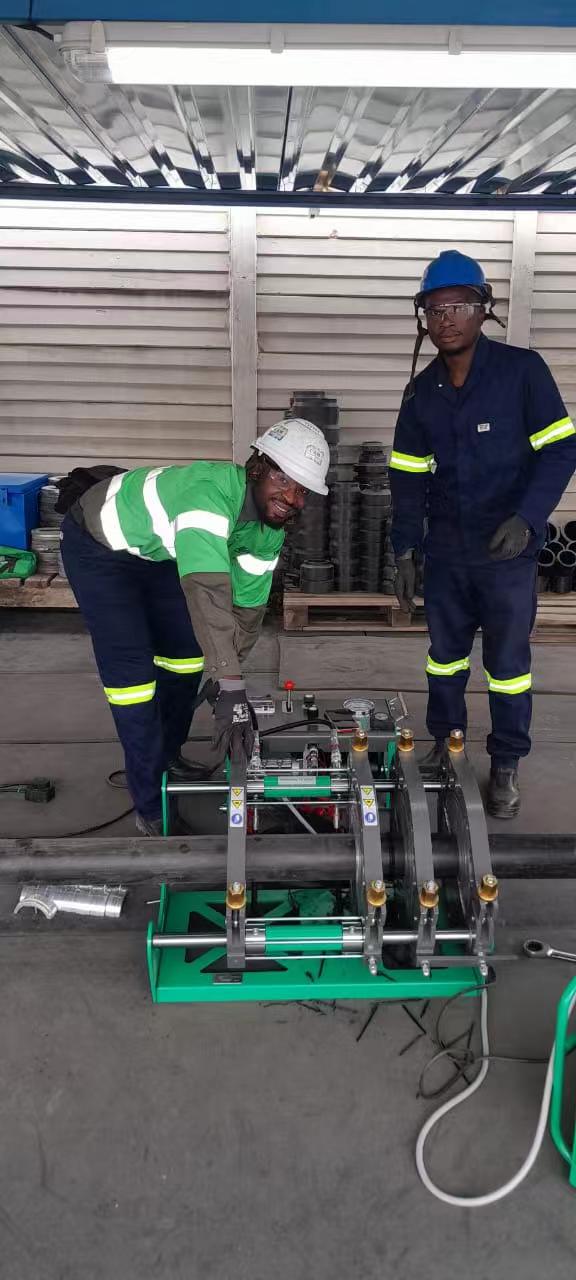
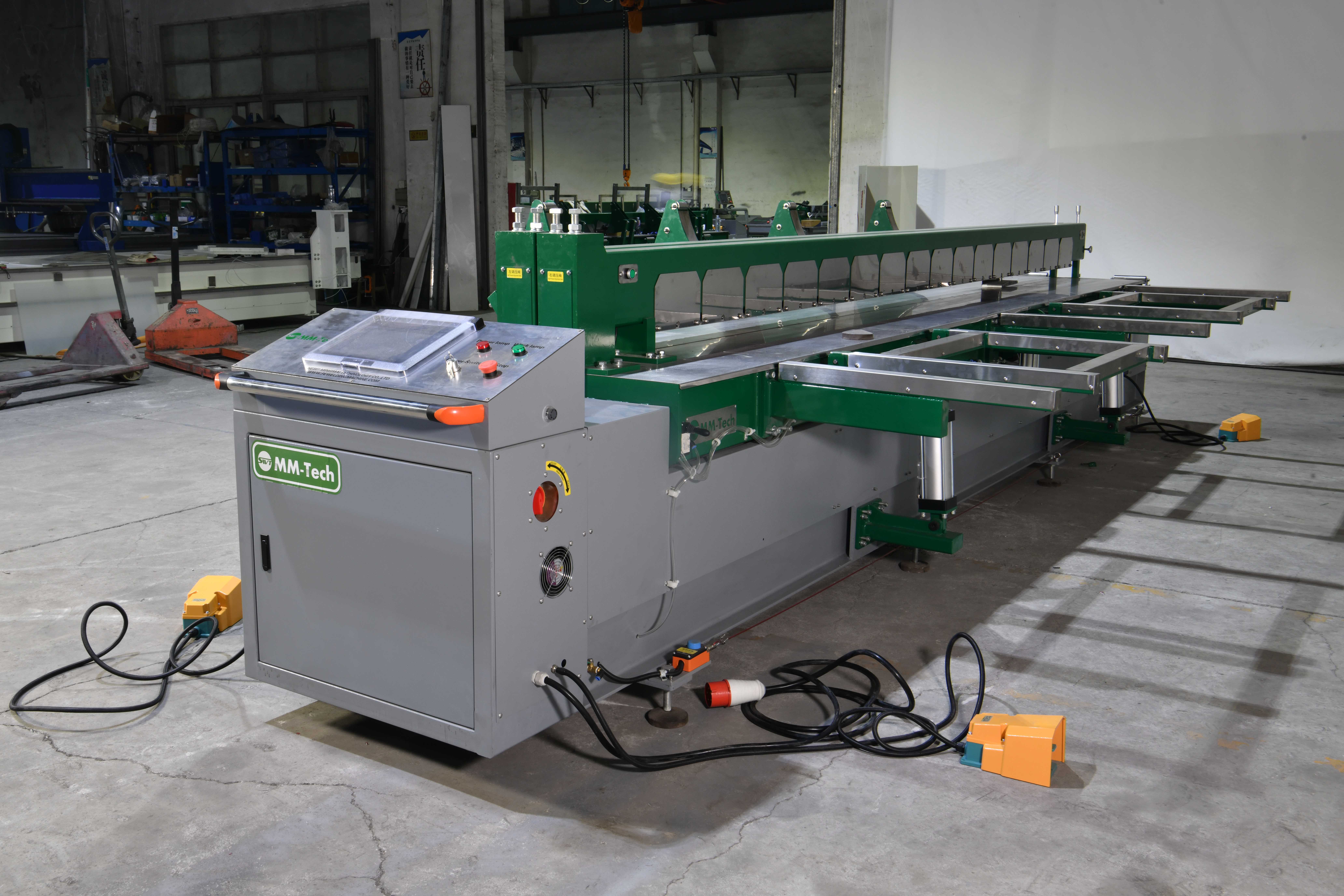
MM-Tech’s sheet butt fusion machines help create PP plating tanks that stand up to demanding industrial environments. Advanced welding technology produces robust, leak-proof seams that support the integrity of each tank. Operators can use this machine to weld a wide range of thermoplastic materials for various applications.
Precision welding ensures repeatable, high-quality seams.
Strong welds maintain structural integrity and prevent leaks.
Logging parameters like pressure and temperature supports compliance with industry standards.
Key Takeaways
MM-Tech’s sheet butt fusion machines create strong, leak-proof seams for PP plating tanks, enhancing their durability.
Advanced welding technology ensures consistent quality, reducing the risk of leaks and structural failures.
Operators can easily use these machines for various thermoplastics, improving efficiency and reducing labor costs.
Choosing the right features for PP plating tanks can enhance safety and simplify maintenance.
Investing in MM-Tech technology supports compliance with industry standards and boosts overall productivity.
PP Plating Tanks Overview
Key Features and Applications
Polypropylene (PP) plating tanks play a vital role in many industrial processes. These tanks hold chemicals for plating, surface treatment, and water purification. Factories use them to store and process liquids that can damage metal or concrete containers. PP plating tanks have a simple box or cylindrical shape. Most tanks are custom-built to fit the needs of each facility.
The structure of a PP plating tank includes thick plastic walls, reinforced corners, and welded seams. Many tanks have special features for safety and performance. For example, some tanks include leak detection ports, integrated heating or cooling systems, and custom fittings for pipes and sensors. Tank level sensors help operators monitor liquid levels and prevent overflows.
Tip: Choosing the right tank features can improve safety and make maintenance easier.
The table below highlights important structural features found in modern PP plating tanks:
Feature | Description |
|---|---|
Custom Fabrication | Tanks are built to specific dimensions and requirements for various processes. |
Wide Range of Materials | Tanks are made from corrosion-resistant plastics like PP, PVC, CPVC, HDPE, and PVDF. |
Precision Engineering | Features include leak-proof performance, proper venting, and considerations for thermal expansion. |
Optional Tank Features | Includes custom fittings, leak detection ports, and integrated heating/cooling options. |
Safety & Secondary Containment | Tank level sensors and leak detection systems ensure safety and compliance with regulations. |
Material Advantages
PP is a popular choice for plating tanks because it resists many harsh chemicals. This plastic does not rust or corrode, even when exposed to acids or bases. PP tanks last longer than metal tanks in chemical environments. The material is lightweight, which makes installation and transport easier.
PP also handles temperature changes well. It does not crack or warp easily. The smooth surface of PP prevents buildup of residues, which helps keep tanks clean. These advantages make PP plating tanks reliable for chemical processing, water treatment, and other demanding applications.
Fabrication Challenges
Traditional Welding Issues
Manufacturers face several obstacles when fabricating PP plating tanks using conventional welding methods. Many traditional techniques rely on manual welding, which can lead to uneven seams and weak joints. Operators often struggle to maintain consistent heat and pressure during the welding process. This inconsistency increases the risk of leaks and structural failures.
Material selection plays a key role in welding behavior. Some plastics require precise temperature control to achieve strong bonds. If the welding process does not match the material’s requirements, the tank may develop weak spots. Handling large thermoplastic sheets adds another layer of complexity. Workers must align and position sheets accurately before welding. Misalignment can cause gaps or overlaps, which compromise the tank’s integrity.
Note: Manual welding methods often lack the precision needed for industrial-grade tanks. Even small errors can lead to costly repairs or replacements.
Common Failure Points
PP plating tanks must withstand harsh chemicals and frequent temperature changes. Weak welds create vulnerabilities that threaten the tank’s performance. Leaks usually occur at the seams, especially where sheets join at corners or edges. Structural rigidity depends on the quality of these welds. Tanks with poor welds may deform or crack under pressure.
The most frequently reported fabrication challenges include:
Material selection affects welding behavior, structural rigidity, and long-term performance.
Handling large thermoplastic sheets complicates positioning and alignment.
Consistent welding quality is crucial to prevent weak joints and leakage risks.
Manufacturers need reliable welding solutions to address these issues. Strong, uniform welds ensure that tanks remain leak-proof and durable. Consistency in welding quality supports compliance with safety standards and extends the lifespan of each tank. Investing in advanced welding technology helps overcome these common failure points and improves overall tank reliability.
Sheet Butt Fusion Machines in Tank Fabrication
Butt Fusion Process
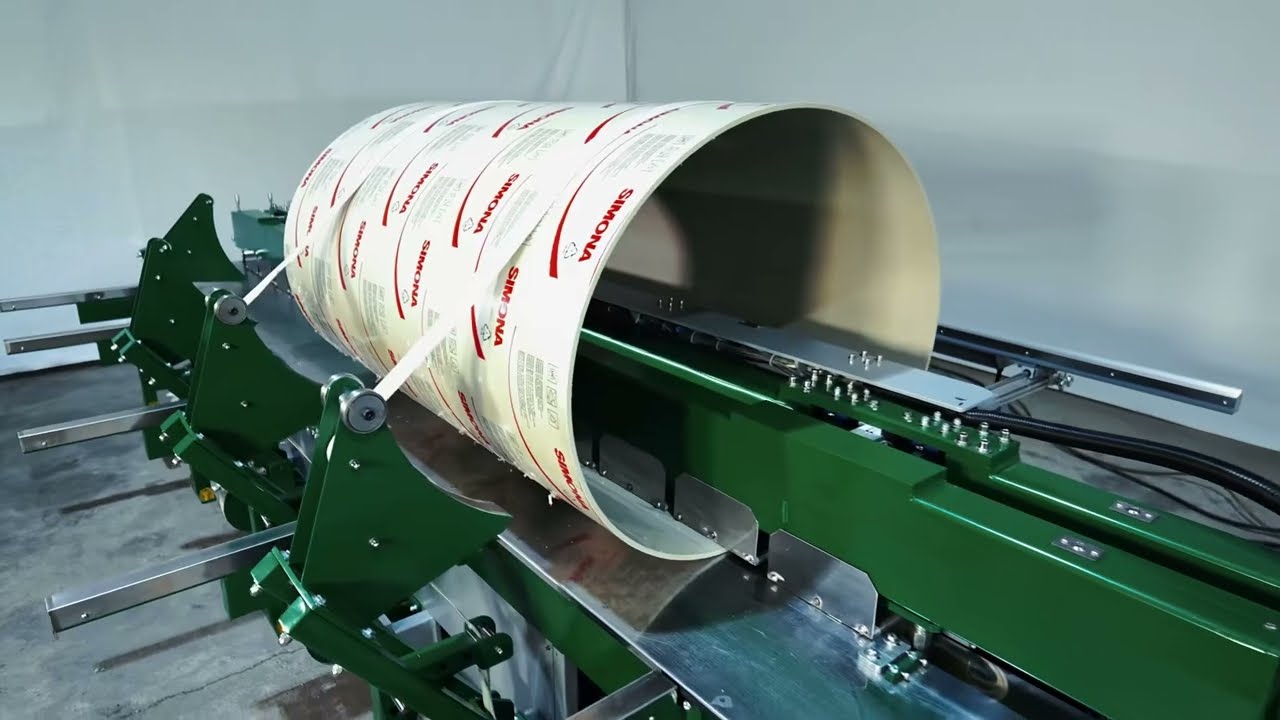
Sheet butt fusion machines use a specialized process to join thermoplastic sheets. The machine heats the edges of two sheets until they reach the ideal temperature for fusion. Operators then press the sheets together, allowing the material to bond and form a seamless joint. This method creates a strong weld that matches the strength of the original sheet.
The butt fusion process works for polypropylene (PP) and other plastics such as PE, PVC, PVDF, PC, ABS, and Acrylic. The machine controls temperature and pressure to ensure consistent results. Operators can weld thick or thin sheets with equal precision. The process eliminates gaps and weak spots, which helps prevent leaks and structural failures in tanks.
Note: Butt fusion welding produces uniform seams that resist chemical attack and mechanical stress.
The table below shows the main steps in the butt fusion process:
Step | Description |
|---|---|
Sheet Preparation | Clean and align the plastic sheets |
Heating | Apply controlled heat to sheet edges |
Fusion | Press sheets together for bonding |
Cooling | Allow weld to solidify and gain strength |
Machine Versatility and Features
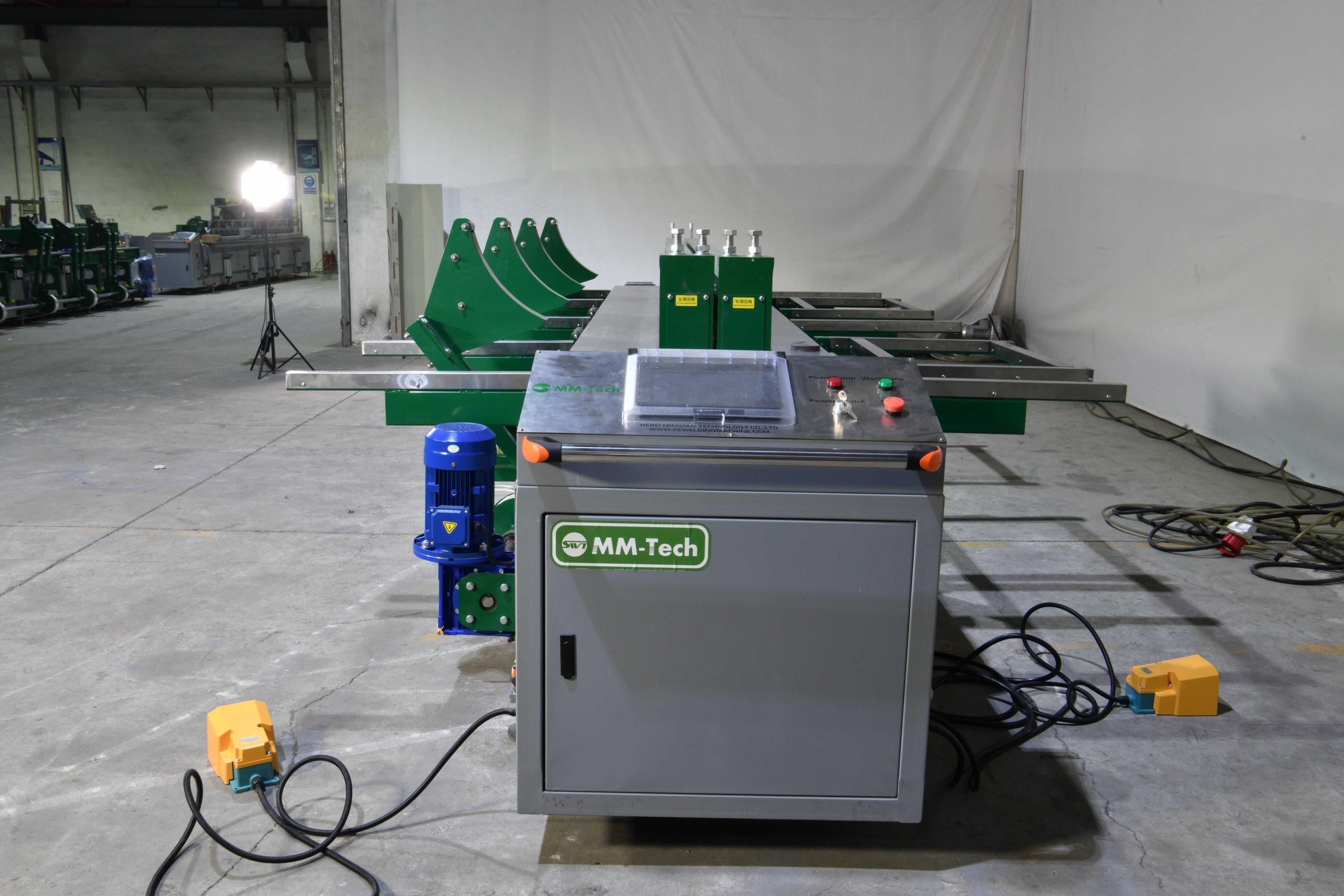
Sheet butt fusion machines offer flexibility for many welding applications. Operators can use these machines for both horizontal and vertical welding. The equipment handles linear welding for continuous joints and circular welding for tanks and cylindrical structures. Vertical welding demonstrates the machine’s stability and precision, even under demanding conditions.
Key features include:
Linear welding for seamless, high-strength continuous joints
Circular welding for tanks, vessels, and cylindrical structures
Vertical welding for stable and precise joints in upright positions
User-friendly controls make operation simple. Most machines require minimal training. Operators can set up the equipment quickly and adjust parameters for different materials. Advanced models include automatic sheet rolling devices, which streamline the welding process and improve efficiency.
Sheet butt fusion machines support a wide range of thermoplastics. Factories can use them for chemical storage tanks, ventilation systems, water treatment systems, and scrubbing towers. The machines deliver consistent weld quality, which helps manufacturers meet industry standards.
Tip: Choosing a machine with automatic features can boost productivity and reduce errors.
The versatility of sheet butt fusion machines makes them a valuable asset for any facility that works with plastic sheets. Their ability to produce strong, leak-proof welds ensures the reliability of PP plating tanks and other industrial products.
Advantages of MM-Tech Welding Technology
Weld Strength and Integrity
MM-Tech welding technology delivers exceptional weld strength. The process forms seamless joints that match or exceed the strength of the original sheet. Tensile destructive testing has shown that welds created with MM-Tech sheet butt fusion machines are stronger than the base material. Electroplating tanks fabricated with this method remain durable and reliable, even under demanding conditions. The technology adheres to the DVS 2207 standard, which ensures quality and reliability in thermoplastic welding.
Tanks built with MM-Tech welding technology maintain structural integrity over time. This reduces the risk of cracks or deformation.
Leak-Proof and Chemical Resistance
Leak prevention is critical for PP plating tanks. MM-Tech welding technology produces uniform, gap-free seams that prevent leaks. Rigorous material compatibility trials using premium PVC-U sheets confirm the leak-proof nature of these tanks. Specialized chemical tanks, such as those fabricated for LYNAS MALAYSIA SDN BHD, underwent testing with sheet thicknesses of 10mm and 20mm. These tests verified the tanks’ resistance to aggressive chemicals.
Seamless construction prevents leaks.
Welds resist chemical attack and thermal stress.
Tanks meet industry standards for safety and performance.
Consistency and Efficiency
Production consistency and efficiency are key benefits of MM-Tech welding technology. The system features stable temperature control, which ensures uniform weld quality. High-precision forming minimizes material waste and shortens production cycles. MM-Tech welding technology reduces manual operation, lowering labor costs and improving productivity.
Benefit | Description |
|---|---|
Consistent Quality | Stable temperature control produces uniform welds |
Reduced Labor | Less manual operation increases efficiency |
Material Savings | Precise forming minimizes waste |
Compliance | Adheres to DVS 2207 standard |
MM-Tech has become a trusted partner for leading European manufacturers. The technology supports the production of high-quality plastic tanks, demonstrating its effectiveness in achieving consistent results. Sheet butt fusion machines offer an efficient all-in-one solution for fabricating PP, PE, and PVC structures.
Real-World Results
Performance Data
Manufacturers often rely on measurable results to evaluate welding technology. MM-Tech sheet butt fusion machines deliver impressive performance data. Weld joints created by these machines consistently show high tensile strength. In many cases, destructive testing reveals that the weld is stronger than the original sheet material. This outcome demonstrates the reliability of the welding process.
Subsequent tensile destructive testing confirmed that the strength of the weld joint actually exceeded that of the base material itself! ⭐
Welded seams remain uniform and free from gaps, which reduces the risk of leaks.
Tanks fabricated with MM-Tech machines pass rigorous chemical resistance tests.
The table below summarizes key performance metrics observed in real-world applications:
Metric | Result |
|---|---|
Weld Strength | Exceeds base material |
Leak Rate | Near zero |
Chemical Resistance | High |
Production Consistency | Excellent |
These results help manufacturers meet industry standards and maintain safe operations.
MM-Tech’s sheet butt fusion machines help manufacturers solve common problems in PP plating tank fabrication. These machines automate the process and create seamless joints. The tanks stay leak-proof and durable, which reduces the need for repairs.
Leak-proof construction supports safe chemical storage
Seamless joints improve tank durability
Automated welding increases efficiency
Contact MM-Tech to learn more or request a demonstration.
FAQ
What materials can MM-Tech sheet butt fusion machines weld?
MM-Tech machines weld many thermoplastics, including PP, PE, PVC, PVDF, PC, ABS, and Acrylic. This versatility supports a wide range of industrial applications.
How does butt fusion welding improve tank strength?
Butt fusion welding creates seamless joints. These joints match or exceed the strength of the original sheet. Tanks resist leaks and deformation, even under stress.
Does MM-Tech provide after-sales support?
Service | Details |
|---|---|
Training | Operator instruction provided |
Technical Support | Fast response to inquiries |
Maintenance | Guidance and spare parts |
MM-Tech supports customers throughout the product’s life.