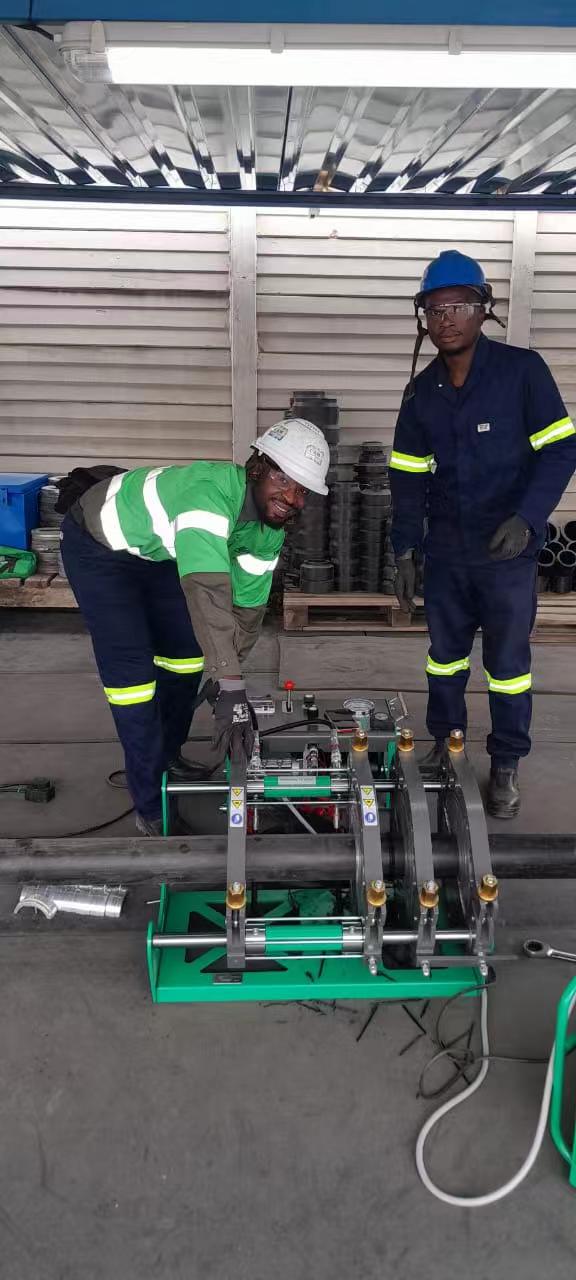
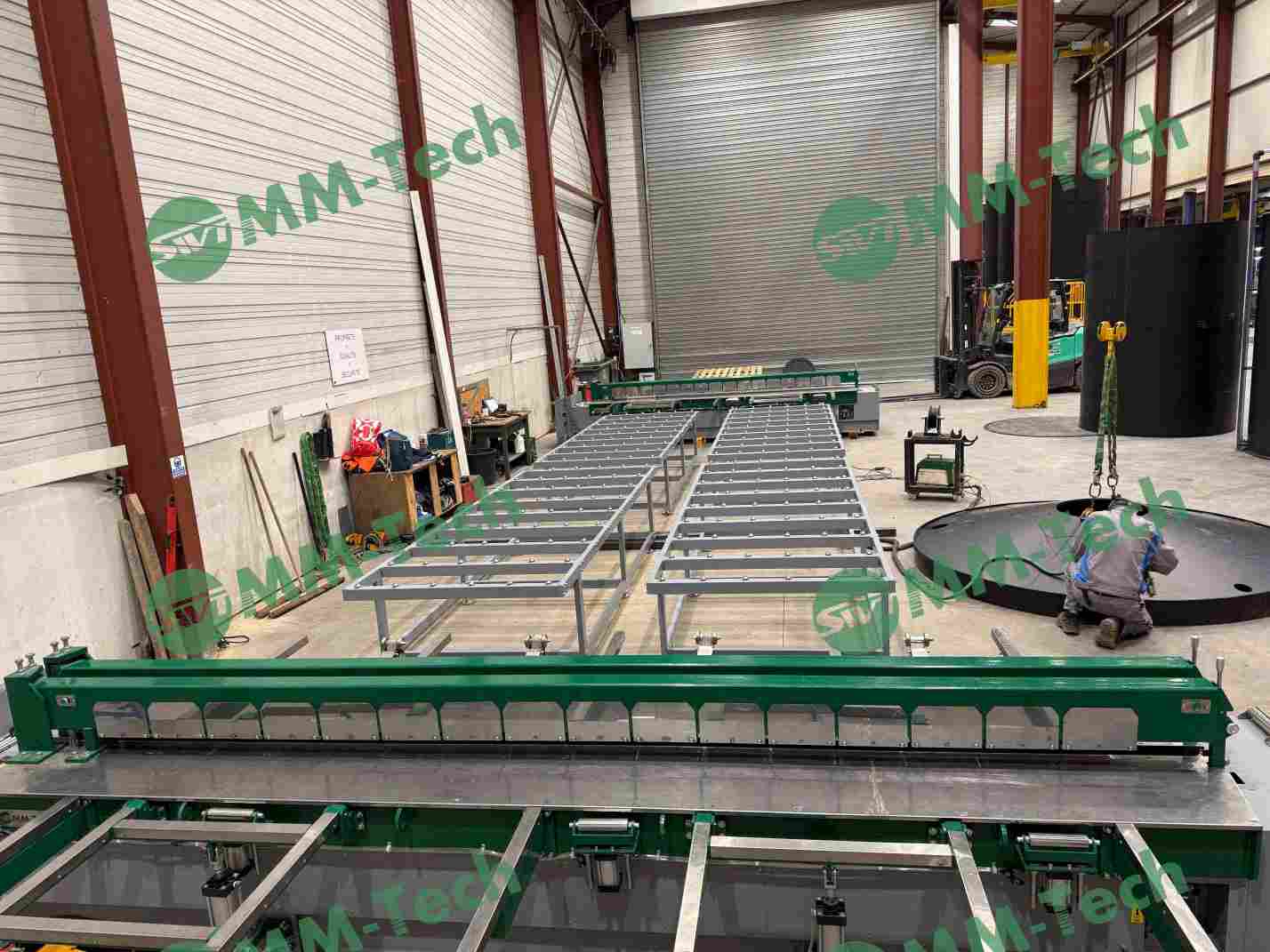
The MM-Tech sheet butt fusion welding machine helps make plastic tanks better. It gives strong welds, works fast, and keeps people safe. It is used for both polyethylene and polypropylene tanks. Many industries need tanks that do not leak and can handle chemicals. These machines use special welding methods to build tanks that last a long time. Welding joins sheets together with no spaces in between. Working fast lets companies finish tanks sooner. Safety is important to protect workers during welding. These machines help build tanks for electroplating and fire safety. The welding machine makes sure tanks are made very well.
Key Takeaways
The MM-Tech sheet butt fusion welding machine makes strong joints for plastic tanks. These joints do not have seams. This helps stop leaks and makes tanks last longer.
Automation in welding helps reduce mistakes made by people. It also makes production faster. The welds are always good quality. Companies can make more tanks in less time.
The machine can weld many materials. It works with polypropylene and polyethylene. This makes it useful for many jobs in factories.
Safety features in the welding machine keep workers safe from harm. This helps make the workplace safer when making tanks.
Using modern welding machines saves money and time. Companies can make more tanks and keep them high quality.
Challenges in Traditional Tank Fabrication
Manual Welding Issues
Many companies still use manual welding for plastic tanks. Workers have to line up sheets by hand. They use simple tools to heat the sheets. This can make seams uneven. Uneven seams can create weak spots in tanks. Weak spots might cause leaks or cracks later. Manual welding makes it hard to keep quality the same. Even skilled workers can make mistakes. They might get tired or lose focus.
Note: Manual welding takes longer because every step needs care and time.
Labor and Quality Concerns
Traditional methods need skilled workers. Workers must learn how to weld plastic sheets right. If there are not enough trained workers, tank quality can drop. Welds that are not consistent can make tanks weaker. This problem gets worse when companies need many tanks fast. Rushing can lead to mistakes. Bad quality can make tanks fail safety checks or leak.
Key concerns in traditional fabrication:
High risk of human error
Hard to keep weld quality the same
More time needed for each tank
More chance of leaks or weak spots
Companies want tanks that last and do not leak. They need a way to make tanks better and faster. Modern machines help by making welds stronger and needing less manual work.
Sheet Butt Fusion Welding Machine Advantages
Automation and Controls
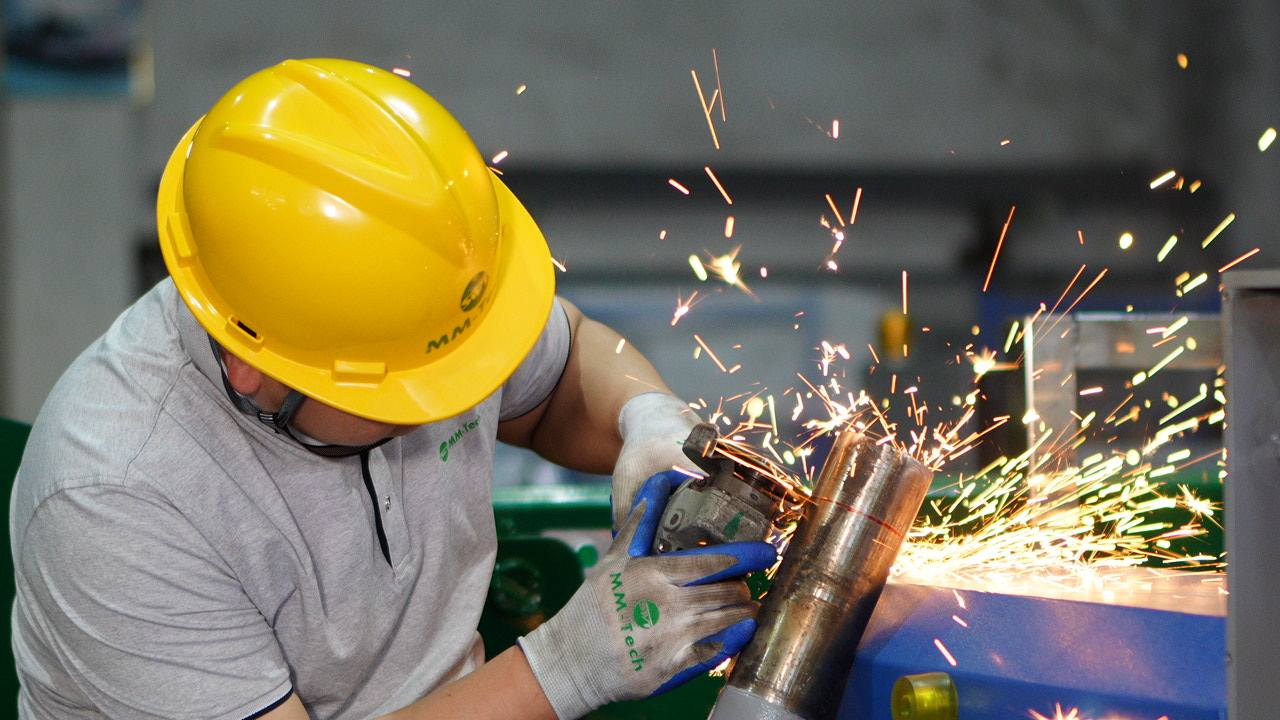
Automation makes tank building easier for companies. The sheet butt fusion welding machine uses automation to help with welding. Operators set controls, and the machine does the work. Siemens controls keep temperature and pressure steady. This helps every weld stay strong and smooth. Automation stops mistakes from tired or distracted workers. The welding machine keeps heat steady, so seams look the same.
Automation lets workers finish tanks faster with fewer mistakes. The welding machine keeps speed and arc length steady. This lowers distortion and helps tanks last longer.
Automation helps welding in many ways:
Welds stay strong and consistent.
Human error is less likely.
Companies can build more tanks quickly.
Workers are safer during welding.
Factories use robots to weld car parts with high quality. Automated systems are good for jobs done over and over, like joining sheets for tanks. Laser welding in products shows how automation can make things look and work better. The sheet butt fusion welding machine uses advanced welding to make seamless joints.
Material Versatility
The sheet butt fusion welding machine works with many materials. It can weld polyethylene and polypropylene sheets. This helps companies build tanks for different jobs. Polypropylene and polyethylene are strong and resist chemicals. The welding machine can handle different sheet thicknesses. It makes tanks for water treatment, mining, and chemical processing.
Material versatility helps tank building:
The welding machine joins many thermoplastics.
Polypropylene and polyethylene tanks resist corrosion.
These tanks are used in tough environments.
The sheet butt fusion welding machine helps companies make tanks that last. Polypropylene and polyethylene tanks do not leak or crack easily. The welding machine uses modern welding to join sheets without gaps. This keeps tanks safe for chemicals and water.
The welding machine works well with polypropylene and polyethylene. This helps companies meet high standards. The welding machine can also join PVC sheets. It is useful for many industries. Stationary sheet butt fusion welding machines help build tanks and pipelines fast and well.
Standards Compliance
Companies must follow rules when making tanks. The sheet butt fusion welding machine helps them meet these rules. Automation makes sure every weld is strong and leak-proof. The welding machine keeps the process steady, so tanks pass safety checks.
Standard | How Welding Machine Helps |
|---|---|
Leak-proof | Automation keeps seams tight |
Chemical resistance | Polypropylene and polyethylene tanks resist acids and alkalis |
Structural integrity | Welding machine gives tanks strong joints |
The sheet butt fusion welding machine helps companies build tanks that meet industry rules. Automation and advanced welding make tanks safe and reliable. The welding machine gives companies confidence their tanks will last and work well.
Weld Quality and Leak Prevention
Seamless Joint Strength
Weld quality is very important for plastic tanks. The sheet butt fusion welding machine makes strong welds. These welds hold tanks together well. The machine uses advanced welding to join polypropylene sheets. It joins them without leaving any gaps. Seamless joints help tanks stop leaks and cracks. Strong welds keep tanks safe when holding chemicals or water.
Manufacturers test seamless joints to check their strength. Leak testing looks for holes or weak spots in welds. Hydrostatic testing fills tanks with water and adds pressure. This checks if welds can hold. Vacuum box testing uses a vacuum and soapy water to find leaks. Visual testing checks the surface for problems. Ultrasonic testing uses sound waves to find hidden defects. Advanced imaging, like millimeter wave testing, finds flaws inside welds. These tests follow standards like ASTM F2164 and ASTM F2786. Weld quality must meet these standards so tanks last.
Testing Method | Description |
|---|---|
Leak Testing | Finds leaks from incomplete fusion, porosity, or cracks. |
Hydrostatic Testing | Fills tanks with water and adds pressure to check for leaks. |
Vacuum Box Testing | Uses a vacuum and soapy water to find leaks from porosity or bad fusion. |
Visual Testing | Checks weld surface for problems. |
Ultrasonic Testing | Uses sound waves to find defects inside. |
Advanced Imaging | Includes millimeter wave testing and Weld Zone Inspection Method (WZIM) to find flaws inside. |
Seamless joints give tanks strong seams. Polypropylene tanks with seamless joints resist corrosion and chemical attack. Strong welds keep tanks leak-proof and reliable.
Inspection and Calibration
Inspection and calibration help keep welds strong. Workers use tools like the MITUTOYO measuring column to check weld size. The MAHR roughness tester checks surface quality. The FARO measuring arm checks three-dimensional welds. ZEISS DuraMax controls small parts. Non-destructive testing finds defects without hurting tanks.
Inspection and calibration steps:
MITUTOYO measuring column checks measurements
MAHR roughness tester checks surface quality
FARO measuring arm checks three-dimensional welds
ZEISS DuraMax checks small parts
Non-destructive testing finds defects
Calibration keeps machines working well. Maintenance follows instructions from the manufacturer. Regular testing checks the heater plate’s surface temperature. Certification by the manufacturer or a third-party group makes sure machines meet standards.
Calibration Procedure | Description |
|---|---|
Maintenance | Equipment must be kept up and tested as told. |
Testing | Regular checks of heater plate surface temperature. |
Certification | Certification by manufacturer or third-party group. |
Inspection and calibration help companies build tanks with strong welds. These steps make sure weld quality stays high and tanks do not leak.
Inspection Technique | Description |
|---|---|
Visual Testing (VT) | Basic check for surface defects. |
Penetrant Testing (PT) | Finds defects that break the surface. |
Radiographic Testing (RT) | Uses X-rays to find flaws inside. |
Ultrasonic Testing (UT) | Finds defects inside with sound waves. |
Leak Tightness Testing (LT) | Checks weld and joint strength. |
Phased Array Ultrasonic Testing (PAUT) finds faults in welded joints. This method finds faults as small as 2% of pipe thickness. Inspection and calibration keep weld quality the same.
Manual vs. Machine Welding
Manual welding often makes uneven welds. Workers can make mistakes or get tired. Tanks made with manual welding have more leaks and cracks. Machine welding makes strong welds with steady heat and pressure. The sheet butt fusion welding machine makes seamless joints and strong welds every time.
Welding Method | Leak Rate Performance |
|---|---|
Friction Stir Welding | |
Traditional Welding | May not always stop leaks |
Solid-State Welding | Stops porosity and cracking issues |
Manual Welding | Often has leaks |
Machine welding gives tanks leak-proof welded joints. Polypropylene tanks made with machines resist leaks and chemical damage. Strong welds from machines help tanks pass safety checks. Companies trust machine welding for quality and reliability.
Tip: Machine welding lowers mistakes and makes welds better. Tanks made with machines last longer and stay leak-proof.
Machine welding makes sure tanks have strong welds and seamless joints. Polypropylene tanks made with machines work better in tough places. Companies use machines to build tanks faster and with higher quality. Machine welding helps make tanks safer.
Safety in Tank Fabrication
Operator Protection
Operators use welding machines every day at work. Safety is very important because workers touch hot surfaces and lift heavy sheets. The sheet butt fusion welding machine has shields and guards. These protect workers’ hands and faces from burns or injuries. Workers wear gloves and goggles to stay safe. Machines have emergency stop buttons. These buttons let workers stop the machine fast if something is wrong. Companies teach workers safety rules. They show how to use machines and spot dangers. Good training helps workers do their jobs safely and make better tanks.
Tip: Workers should check machines before they start. They need to look for loose wires or broken parts.
Machine Safety Features
Modern welding machines have many safety features. Sensors watch the temperature and pressure during welding. If the machine gets too hot, alarms warn the workers. Automatic shut-off stops the machine if there is a problem. Guards cover moving parts so no one gets hurt. Machines have clear displays so workers can see the settings. These features help companies keep tanks safe and lower accidents. Safety features also stop tanks from getting damaged while being made.
Safety features in welding machines:
Emergency stop buttons
Temperature and pressure sensors
Automatic shut-off
Protective guards
Clear displays
Chemical Resistance
Tanks need to stand up to strong chemicals. The sheet butt fusion welding machine makes seamless joints that stop leaks. These joints help tanks stay strong in tough places. Companies say tanks made this way leak less. They spend less money fixing tanks because they last longer. Tanks do not leak even when acids or alkalis touch them. Quality gets better because seamless joints block chemicals from getting through.
Welding Method | Chemical Resistance Properties |
|---|---|
Sheet Butt Fusion Welding | Superior, seamless joints prevent leaks in harsh chemicals |
Traditional Welding Methods | Often results in uneven seams and weak spots leading to leaks |
Companies get these benefits:
Fewer leaks in tanks
Lower repair costs
Tanks stay leak-proof with strong chemicals
Using modern machines makes tanks safer and better. Companies trust these machines to build tanks that last and keep workers safe.
Production Efficiency and Scalability
Faster Tank Construction
Factories use machines to make tanks faster. The sheet butt fusion welding machine helps workers finish tanks quickly. Automation controls the welding steps and keeps welds the same. Workers set up the machine, and it does the welding. This makes the process better and saves time. Fewer mistakes happen because the machine works fast. Companies can make more tanks than with hand welding. Fire truck water tanks need strong welds and quick work. Machines help make these tanks in less time.
Automation lets workers check quality instead of repeating welding.
Large Tank Capability
Machines can work with big panels for tanks. The sheet butt fusion welding machine handles panels up to 6 meters long. Some machines can even handle panels up to 8 meters. This helps companies build bigger tanks for water and electroplating. Bigger panels mean fewer welds and stronger tanks. The table below shows how machines work with large tanks:
Feature | 6m Machine | Extended Capacity (Up to 8m) |
|---|---|---|
Maximum Working Length | Up to 6m | Up to 8m |
Panel Handling | Medium | Large panels |
Number of Weld Beads | More | Reduced |
Efficiency | Moderate | Higher |
Structural Reliability | Good | Improved |
Companies use machines to make tanks that fit what they need. Large tanks need fewer welds, so they are stronger and last longer.
Cost and Time Savings
Machines make welding faster and save money. Companies spend less on workers and repairs. Fewer mistakes mean tanks pass checks faster. Electroplating tanks need careful building. Machines help companies finish on time. Workers fix fewer mistakes, so costs go down. Automation helps companies make more tanks when needed.
Benefits of machine welding:
Tanks are made faster
Fewer mistakes happen
Costs are lower
Production is higher
Companies trust machines to make tanks with strong welds and good quality. Better process efficiency helps factories finish on time and make more tanks.
Industry Applications and Support
Fire Truck Water Tanks
Fire truck water tanks must be strong and work well. Many companies use the sheet butt fusion welding machine to make these tanks. The machine helps build big tanks with fewer seams. Polypropylene tanks made this way are tough and last long. Continuous welding spreads stress evenly across the tank. This lowers leaks and makes the seal better. Workers finish tanks faster because machines do not need much cutting or moving.
Fire water tanks get these benefits:
Fewer seams mean less chance of leaks
Continuous welding makes tanks stronger
Building tanks is faster and easier
Tanks are safe for emergencies
Fire truck water tanks must pass hard safety tests. Polypropylene tanks made with these machines meet all rules. Companies trust these machines to make tanks that last a long time.
Electroplating Tanks
Electroplating tanks hold strong chemicals every day. Makers use sheet butt fusion welding machines to build them. Polypropylene tanks can handle acids and alkalis. Seamless joints stop leaks and keep chemicals inside. Smooth welds stop mixing and keep workers safe. Strong tanks need less fixing and last longer.
Feature | Benefit |
|---|---|
Seamless joints | Strong and do not leak |
Smooth welds | Stop chemicals from mixing and keep it safe |
Durability | Tanks need fewer repairs and last longer |
Polypropylene tanks made with these machines are high quality. Companies use these tanks for safe and good electroplating.
MM-Tech Support and Warranty
MM-Tech gives good help to companies using their machines. They teach workers how to use and fix the machines. The warranty covers important parts and keeps machines working well. Polypropylene tanks made with MM-Tech machines meet all quality rules. Companies get help with building and welding tanks. MM-Tech helps factories make tanks faster and safer.
MM-Tech support helps companies trust their welding. Good machines and expert help make tanks better and lower downtime.
Experts say the MM-Tech sheet butt fusion welding machine helps make tanks in many ways. The machines help workers finish tanks faster and make fewer mistakes. Welding makes strong joints that do not leak and keep out harsh chemicals. Automation helps workers keep welds good and makes welding safer. The machines can work with thick-walled materials, so tanks last longer and meet tough rules. Companies trust MM-Tech because the welding is reliable and the quality stays the same. They pick these machines for hard jobs and to save money over time.
FAQ
What materials can the MM-Tech Sheet Butt Fusion Welding Machine weld?
The machine can weld polypropylene and polyethylene sheets. It also works with PVC sheets. These materials are strong and do not break easily. They can handle chemicals without getting damaged.
How does automation improve tank fabrication?
Automation helps control the welding steps. It keeps the temperature and pressure the same. Workers can finish tanks faster with fewer errors. This makes the tanks better and safer.
Is the machine safe for operators?
The machine has safety features to protect workers. Shields and emergency stop buttons help stop accidents. Sensors watch for problems during welding. Companies teach workers how to use the machine safely.
Can the machine handle large tank panels?
The machine can work with panels up to 6 meters long. Some machines can handle panels up to 8 meters. This lets companies build bigger tanks for different jobs.
What industries use tanks made with this welding machine?
Many industries use tanks made with this machine. Electroplating, fire safety, water treatment, and mining all need these tanks. The tanks do not leak and can hold strong chemicals.