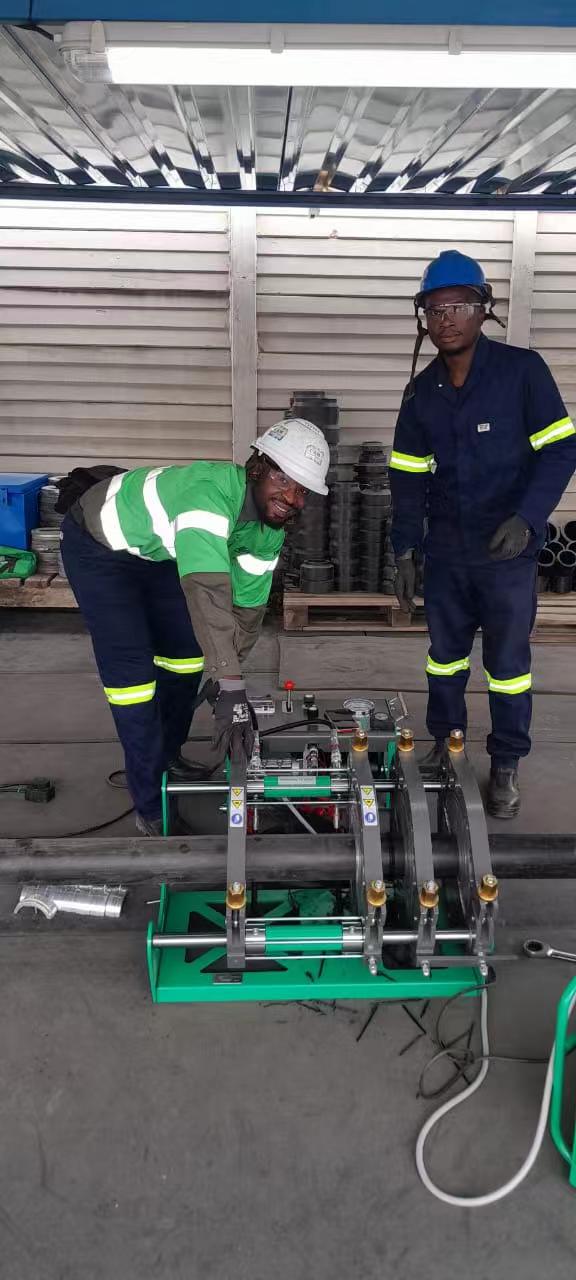
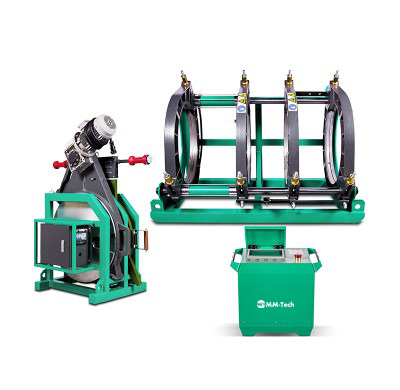
Joint issues contribute to roughly 30% of water main fractures and stand as the primary driver behind infiltration and inflow problems within wastewater networks. In large-scale municipal piping infrastructure, human operational errors during manual fusion—such as improper changeover times, pressure drops, and erratic heating—trigger catastrophic line bursts. Automated CNC technology eliminates this risk. An automatic butt fusion welding machine standardizes heating cycles, interfacial pressure, and digital traceability. Implementing advanced welding technologies ensures strict compliance with DVS 2207, ISO 21307, and ASTM F2620 standards. Deploying a reliable hdpe pipe butt fusion welding machine safeguards municipal infrastructure, while a high-performance butt fusion machine guarantees joint integrity.
Key Takeaways
Automated welding machines remove human error. They prevent pipe bursts and leak issues in city water systems.
Precision computer controls automatically manage heat, time, and pressure. This creates strong pipe joints every single time.
Built-in data loggers save key job details. Inspectors easily verify pipe quality using digital reports.
Automated machines protect thick pipes in harsh weather. They maintain constant pressure to ensure leak-free joints.
Upgrading to automatic welding equipment lowers labor costs. It eliminates expensive repairs and Speeds up project completion.
Municipal Piping Challenges and the Manual Fusion Gap
Demands of Large-Diameter Municipal Piping Networks
Modern municipal infrastructure demands reliable, long-lasting materials to handle expanding urban populations. Today, utility managers choose heavy-duty thermoplastic systems over traditional metals. Recent market trends show a massive global transition toward high-density polyethylene systems for potable water mains, wastewater distribution, and chemical lines. Engineers specify materials like PE100 and PE80 HDPE, MDPE, PP, and PVDF for pipe sizes ranging from 90mm to 630mm.
Market Segment | Primary Choice | Drivers for Adoption |
|---|---|---|
Product Grade | PE100 HDPE | High pressure resistance, superior mechanical strength, long operational life. |
Application | Municipal Water Supply | Strong demand for leak-free public utilities and modernization projects. |
This market shift increases the overall demand for specialized installation tools. An advanced project requires specialized jointing procedures to maintain high quality and environmental safety. Selecting a modern hdpe pipe butt fusion welding machine guarantees that large-scale municipal piping networks resist harsh soil conditions, chemical corrosion, and high internal pressures.
Structural Risks of Operator-Dependent Manual Welding
Manual pipe joining creates severe structural vulnerabilities in heavy-wall pipelines. Human operators often struggle with manual temperature tracking, drag force calculations, and changeover timing during a field project. Insufficient heating causes cold welds, while excessive heating degrades the polymer structure.
Manual welding methods also cause severe physical alignment errors, known as Hi-Lo mismatch. Heavy pipe walls generate intense drag forces that distort flimsy machine frames. Operator fatigue further compromises joint quality over long shifts. In contrast, an automated hdpe pipe butt fusion welding machine eliminates these physical drawbacks.
Human Error Risks: Manual welding relies heavily on operator judgment and continuous training.
Mechanical Failure Risks: Uncalibrated heating plates produce inconsistent welds, increasing future failure rates.
An automated hdpe pipe butt fusion welding machine applies exact hydraulic force throughout every phase. This precision machine maintains ideal interfacial pressure, prevents frame twisting, and eliminates operator dependency. Upgrading to a digital butt fusion machine standardizes site operations without relying solely on manual welder training.
Key Innovations in Automatic Butt Fusion Welding Machine Technology
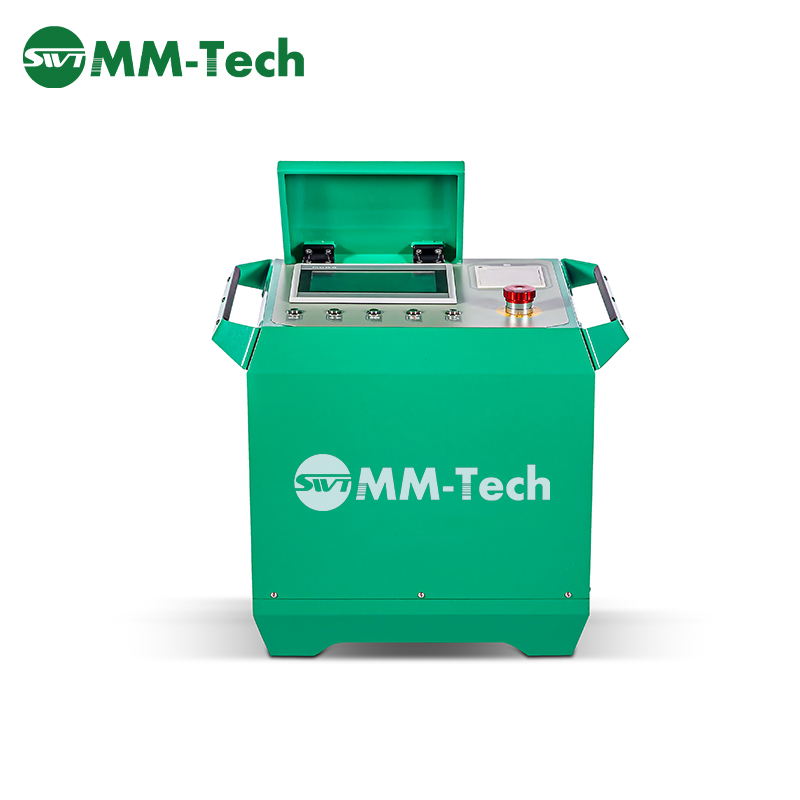
Modern infrastructure engineering relies on advanced welding technologies to upgrade public utility construction. Equipment manufacturers continuously refine mechanical components and digital systems to meet modern municipal requirements. Automation now replaces guesswork during field operations, setting strong trends in pipeline construction.
Key Takeaway: Modern automated fusion equipment replaces manual calculations with closed-loop computer controls, ensuring high-strength pipe joints across demanding municipal applications.
Precision CNC Controls and Automated Heat Plate Release
Advanced fully enclosed hydraulic systems drive the modern cnc automatic butt fusion machine. Engineers fit these power units with IP54-rated PLC touchscreen interfaces. Operators input basic variables like pipe diameter, SDR rating, and polymer material type. The internal system automatically calculates drag pressure, soak depth, heating duration, and pressurization cycles.
[Operator Selects Pipe Parameters] ➔ [PLC Calculates Drag & Pressures] ➔ [Automated Heating & Rapid Release] ➔ [Precision Controlled Cooling]
These technical features protect structural integrity across every joint:
DuPont Teflon Coated Heating Plates: Non-stick surfaces maintain thermal stability and minimize molten plastic buildup.
Italian STUCCHI Quick Couplings: Anti-leak hydraulic connectors prevent oil loss and preserve steady hydraulic pressure.
Automatic Pop-Out Mechanisms: Mechanical retractors extract heat plates rapidly to meet strict DVS 2207 changeover timing windows.
An automated hdpe pipe butt fusion welding machine prevents pressure drops during critical changeover phases. Fast heating plate extraction keeps polymer ends from cooling prematurely before final clamping. High-grade seals maintain continuous clamp pressure throughout the entire crystallization phase. This reliable mechanical performance delivers superior joint strength across every single field weld.
Full-Cycle TTP Data Logging and ISO/ASTM Traceability
Modern high-performance equipment ensures complete joint verification through real-time data collection. An automatic butt fusion welding machine logs critical parameters during every second of the fusion process. Integrated sensors capture real-time Temperature-Time-Pressure (TTP) curves alongside ambient site conditions and technician ID credentials.
Parameter Tracked | System Function | Compliance Benefit |
|---|---|---|
Temperature | Monitors heating plate thermal output | Prevents material degradation |
Time | Tracks heating, changeover, and cooling durations | Complies with international standards |
Pressure | Adjusts drag force and interfacial hydraulic load | Guarantees seamless polymer crystallization |
The internal data logger stores over 2,000 tamper-proof joint reports. Field technicians export these encrypted records via USB in standard PDF or CSV file formats. Independent inspectors verify compliance with ISO 12176-1 and ASTM F3124 auditing frameworks without constant field supervision.
Using an automated hdpe pipe butt fusion welding machine gives utility authorities verifiable proof of structural joint quality. A modern hdpe pipe butt fusion welding machine standardizes site operations across complex pipeline projects. Deploying a modern butt fusion machine eliminates operational errors across critical municipal water networks.
This digital audit trail protects contractors from liability while giving utility managers permanent asset documentation. A high-performance hdpe pipe butt fusion welding machine turns complex field operations into a controllable engineering process. Incorporating a robust butt fusion machine guarantees high joint performance and long pipeline service lives.
Field Case Study: High-Performance Butt Fusion Machines in Extreme Conditions
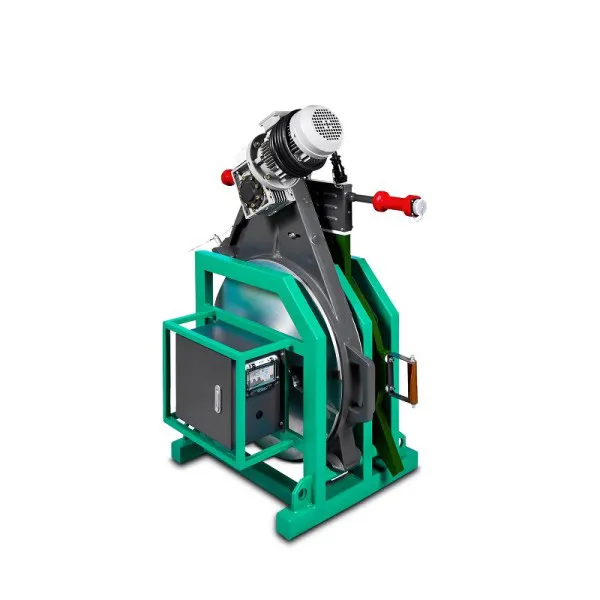
Real-world field applications demonstrate the true value of high-performance butt fusion machines in tough infrastructure construction. A recent oil and gas gathering initiative highlights how automated machinery solves extreme jobsite challenges.
Handling Heavy-Wall SDR11 Pipes in Harsh Environments
An EPC contractor deployed MM-Tech’s SWT-V630A automatic CNC machine in the Eastern Province of Saudi Arabia. This extreme desert project involved constructing a 28-kilometer pipeline under 50°C ambient temperatures. Technicians joined heavy-wall SDR11 hdpe pipe featuring a massive 57.2mm wall thickness.
[50°C Desert Ambient Heat] ➔ [Closed-Loop Hydraulic Sensor System] ➔ [Zero Pressure Drop] ➔ [Deep Wall Crystallization]
Extreme heat and thick pipe walls complicate the fusion welding process. Prolonged cooling cycles often lead to pressure drops and internal vacuum voids. The operator selected material parameters on the smart touchscreen interface. The automated hdpe pipe butt fusion welding machine then executed precise hydraulic control. Its closed-loop system continuously compensated for thermal changes throughout cooling. This closed-loop hydraulic performance guaranteed ideal polymer crystallization deep inside the wall. Furthermore, heavy-duty fusion equipment provided massive clamping force, keeping the heavy HDPE pipe perfectly aligned without frame distortion.
Hydrostatic Testing and Zero-Defect PAUT Audit Results
The advanced hdpe pipe butt fusion welding machine produced flawless joint consistency across the entire pipeline. Automated pressure sensors maintained perfect interfacial force for every single joint. The intelligent system logged temperature and pressure data instantly, creating verifiable digital records for third-party audits.
Field Outcome: The pipeline achieved a 100% first-time pass rate during stringent hydrostatic pressure testing and Phased Array Ultrasonic Testing (PAUT).
Inspection Method | Audit Standard | Field Result |
|---|---|---|
Hydrostatic Test | Saudi Aramco Standards | Zero Leaks |
PAUT Ultrasonic Audit | ISO Quality Compliance | 100% Pass Rate |
The project successfully satisfied rigorous Saudi Aramco quality standards. These zero-defect results prove that an automated hdpe pipe butt fusion welding machine secures structural integrity for every large municipal project. Modern CNC machinery protects contractor performance while advancing municipal infrastructure durability.
Procurement Guide: Selecting an HDPE Pipe Butt Fusion Welding Machine
Municipal infrastructure demand grows rapidly across modern cities. Engineering teams require high-performance equipment to maintain pipeline safety and joint quality. Utility directors must select an advanced automatic butt fusion welding machine based on strict technical standards.
Core Features of High-Performance Butt Fusion Machines
Municipal engineers must specify clear technical requirements when selecting equipment for a major project. Procurement teams prefer high-performance butt fusion machines featuring custom welding solutions and closed-loop cnc automation. A heavy-duty hdpe pipe butt fusion welding machine must include robust hydraulic units and reliable temperature management.
Core Technical Component | Required Specifications & Standards | Functional Purpose & Features |
|---|---|---|
Hydraulic System | • Operating pressure range: 0–160 bar | Manages movement of large-diameter pipes (DN1000+) and maintains continuous interfacial pressure during long cooling phases (>45 min) without continuously running the pump. |
Heating Plate Technology | • Multi-zone electronic temperature control | Eliminates thermal hot/cold spots across large plates (up to DN1600), prevents material adhesion, and minimizes critical changeover time. |
CNC Automation System | • Closed-loop feedback control | Removes operator-dependent error by automatically calculating drag pressure, bead-up height, and cooling time while monitoring real-time pipe displacement. |
Data Logging & Traceability | • Integrated PLC control | Delivers second-by-second cycle logging (bead-up, heat soak, dwell, cooling), enforces workflow locks if parameters fail, and spatial-tags weld locations for pipeline asset management. |
Every modern custom butt fusion welding machine prevents installation errors through digital monitoring. Selecting an automated hdpe pipe butt fusion welding machine guarantees long-term durability for high-density polyethylene piping networks.
Evaluating Total Cost of Ownership and ROI
Infrastructure managers look beyond initial purchase prices when buying a new machine. Upgrading to a modern hdpe pipe butt fusion welding machine drastically reduces field labor expenses. Automated systems shorten overall project timelines and lower site training costs for field operators.
Financial Insight: Modern market trends show that automated machinery lowers long-term maintenance expenses. Automated parameter control reduces weld failures, preventing costly pipeline repairs.
A custom butt fusion welding machine secures public safety while streamlining contractor workflows. Investing in automated machine technology delivers clear financial returns. A top-tier hdpe pipe butt fusion welding machine yields superior fusion performance across every complex municipal pipe project. Suppliers offer custom welding solutions to meet specific job requirements. These units minimize operator training needs while maintaining high pipe joining accuracy across every job site. Utility managers meet rising urban demand by choosing a premium butt fusion machine.
An automatic butt fusion welding machine converts high-risk manual joining into a standardized, digitally verifiable process.
Advanced cnc technology standardizes every fusion cycle to protect critical municipal infrastructure assets. Utilizing an automated hdpe pipe butt fusion welding machine yields massive financial returns through reduced labor costs, zero rework, and strict compliance with international standards. Therefore, municipal engineers and EPC contractors must mandate fully automated, data-logging machinery in technical specifications for every modern pipeline project.
FAQ
What standards govern automated machinery for municipal projects?
International standards like ISO 21307, DVS 2207, and ASTM F2620 set strict parameters. An automated hdpe pipe butt fusion welding machine fulfills these technical requirements. These automated controls protect municipal infrastructure assets against joint failures and ensure reliable operational performance.
How does automated equipment reduce operator training demand?
Automated systems calculate heating duration and hydraulic pressure without manual inputs. Operators need minimal site training to achieve consistent joint quality. Consequently, contractors lower operator training costs while satisfying rising market demand for fast pipeline construction.
Why do heavy-wall HDPE pipe joints require automated pressure control?
Thick hdpe wall structures require exact interfacial force during heating and cooling phases. An automated welding setup maintains continuous hydraulic pressure. This precise control enhances overall system safety across every critical pipe installation.
Can an automated machine log real-time data for field audits?
Yes, modern CNC units feature internal data loggers. The machine records complete temperature, time, and pressure cycles for every hdpe pipe joint. Third-party inspectors review these tamper-proof digital reports to approve project compliance without delay.