You need strong plastic welding machines for fire truck water tanks to ensure reliable performance in demanding conditions. These tanks hold water safely, and fire trucks frequently carry PP and HDPE tanks. Because the water inside sloshes hard while driving, weak joints can cause big dangers if they break.
You must use large sheet butt fusion machines to create exceptionally strong joints on thick plastic plates.
Handheld extrusion welders make corner seams much stronger, helping the tank handle heavy water pressure.
Hot air hand tools hold inner baffle plates tightly using precise tack welds.
Lastly, pipe fusion equipment securely fixes main drain outlets and valves.
Key Takeaways
Sheet butt fusion machines join thick plastic plates together. This creates very strong main tank walls.
Handheld extrusion welders strengthen inside corners. They stop water leaks from sudden movements.
Hot air tools quickly pin inner baffle plates in place. This helps keep parts straight during assembly.
Robot arms make long seam welding automatic. This speeds up production. It also creates better joints.
Primary Plastic Welding Machines for Fire Truck Water Tank Fabrication
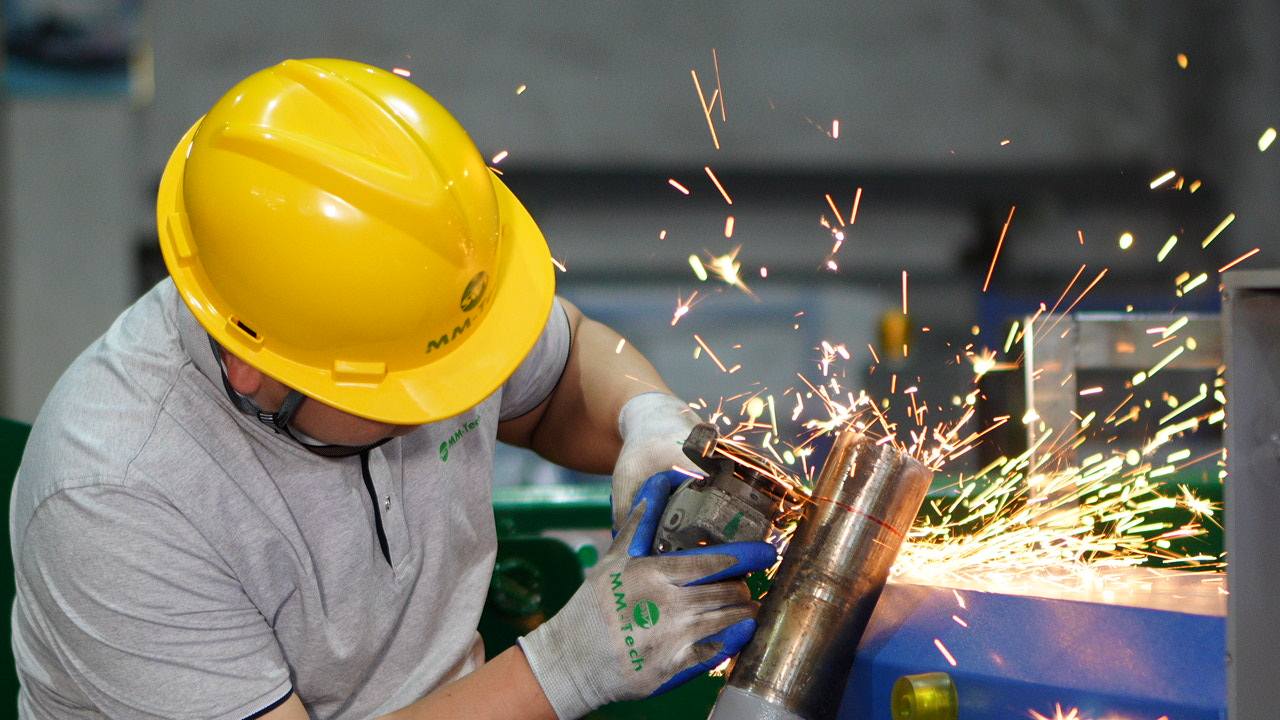
You need great tools to build PP and HDPE tanks. Normal shop tools are not strong enough for mobile trucks. You must use big plastic welding machines. They help build tanks that handle heavy, moving loads.
Large Sheet Butt Fusion Welding Machines
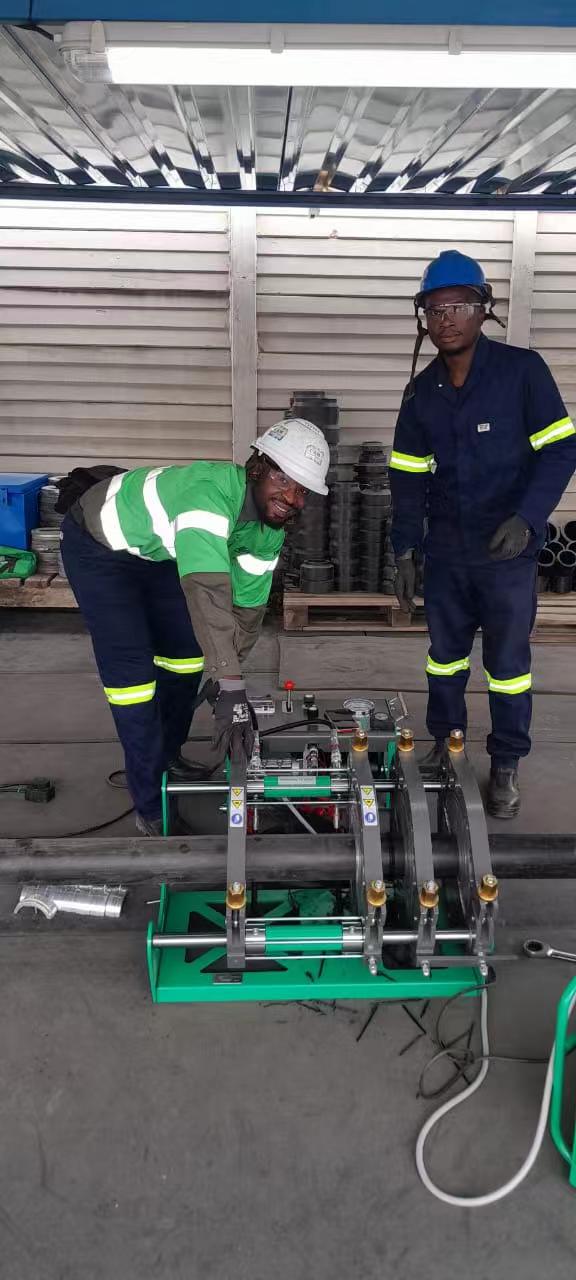
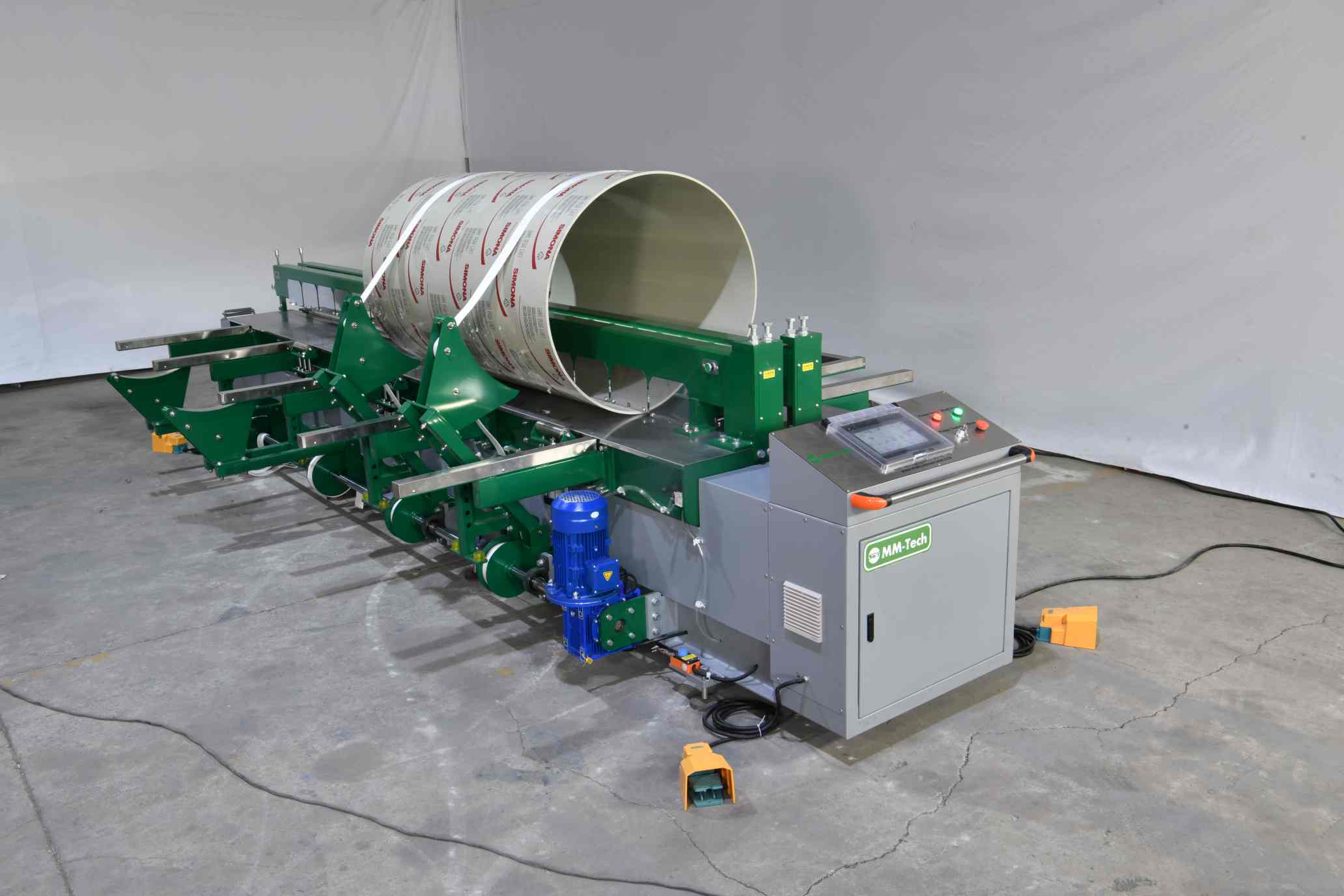
You build the outer tank shell with big butt fusion machines. The MM-Tech 7m sheet butt fusion machine welds long plastic plates. The machine clamps two sheets tight. A hot heater melts the edges to the right temperature. Then, the heater moves away. Hydraulic force presses the soft edges together.
This machine joins plastic without any filler rod. The new joint is as strong as the real plastic. Water sloshes hard when trucks speed to emergencies. These strong joints remove weak spots on long walls. You get reliable, solid joints on thick sheets every time.
Handheld Extrusion Welders for Structural Seams
First, you join flat sheets into big wall panels. Next, you must build the 3D tank box. Heavy-duty handheld extrusion welders help strengthen inside seams and outside corners. A small extrusion welder pulls in plastic rod. It melts the rod inside a warm barrel. A Teflon shoe pushes hot plastic right into the joint.
This process lays thick plastic over main seams. You make strong fillet welds on inside walls and corners. The hot plastic melts deep into the warm base plates. These thick seams stop leaks and absorb violent water shocks. Good plastic welding machines help corner seams resist hard shaking and bending.
Hot Air Hand Welders for Tacking and Baffle Details
You must place inside parts right before making heavy welds. Hot air hand tools give you high control. They help you tack parts and set up baffle plates. Fire truck tanks use inside baffles to stop moving water. You use a light hot air tool to tack baffles, sumps, and drains.
The hot air tool blows fast heat to soften small spots. This quick step holds inside walls tight before main welding. Workers also use hot air tools in tight inner corners. Big extrusion shoes cannot reach those small spaces. Good tacking stops wall shifts during final heavy welding. Precise hot air tools speed up work and keep parts straight.
Advanced Automated Equipment for Tank Production Lines
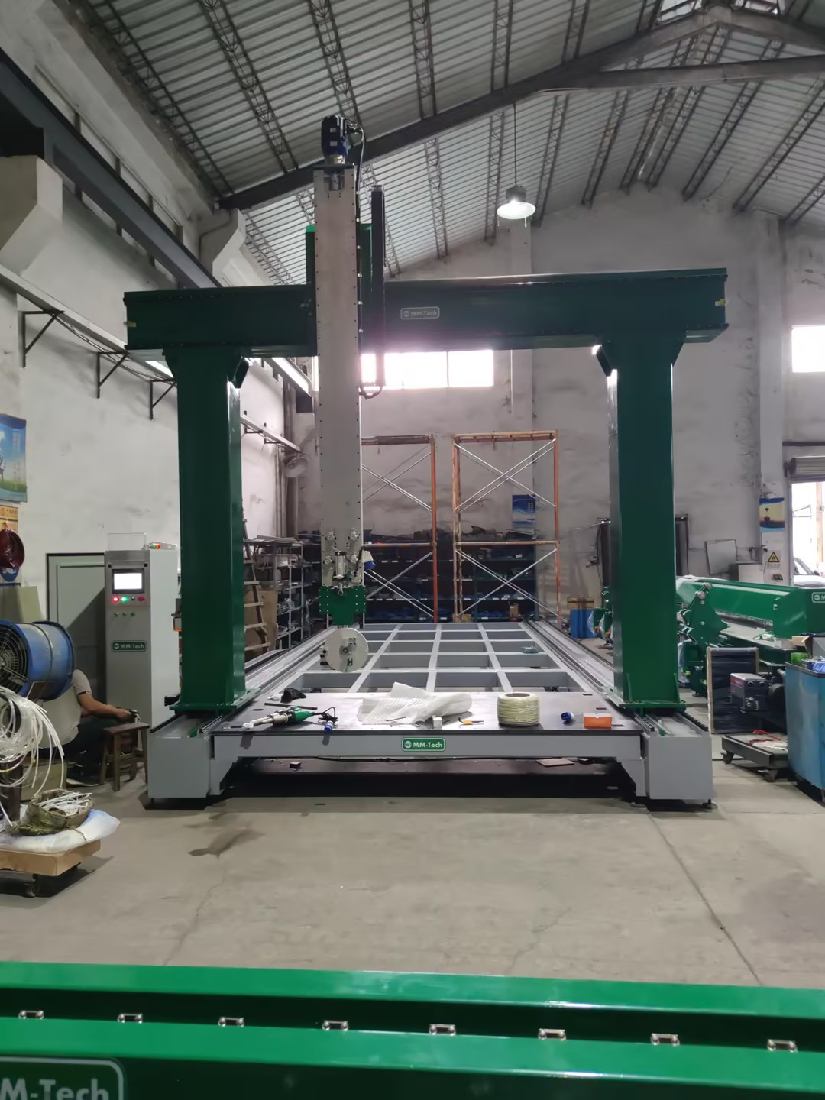
Robotic Arm Extrusion Welding Systems
You use a 6-axis robot arm. It welds long seams on big tanks automatically. The robot moves heavy welding tools with great care. It follows flat sides and outer corners smoothly. This machine stops human fatigue. It speeds up big tank factory work.
The robotic arm moves at a set speed. It pushes down evenly on the plastic seam. Smooth robot motion spreads heat very well. This care stops weak spots from forming. It also stops material stress on the joints. You get super strong seams on thick tanks.
Pipe and Socket Fusion Welding Equipment
Tanks need strong drains, fill ports, and valves. They handle very heavy water flows every day. You use pipe fusion tools on these parts. You join vital pipes with pipe socket welders. These machines heat pipe ends very evenly. They make solid joints without using weak screws.
You use automatic flange machines for heavy valves. This extra gear joins pipe parts to walls. These fused pipe joints are extremely tough. They handle violent water shocks and engine shakes. They also take high pump pressure without leaks.
Sheet Preparation and Finishing Machinery
Good prep work helps you make better tanks. You use a CNC router to cut sheets. It cuts thick plastic to exact size limits. Smooth sheet edges make your welds much better. A sheet bender folds wide plastic plates directly. This folding removes many corner weld joints completely.
An automatic bead peeler cleans up rough seams. It strips away extra plastic from flat joints. Smooth surfaces help you place inner baffle plates. Clean panels help you build better water tanks. Proper prep work makes every weld last longer.
Technical Criteria for Choosing Tank Welding Machinery
High Extrusion Output and Heating Capacity
Pick plastic welding machines with high output volumes. Thick plates need fast melted filler rod flow. High extrusion output prevents cold joints easily. It fills deep grooves without stopping material flow. It keeps the feeding process quick and smooth.
High heating capacity ensures deep heat penetration. It works well on heavy PP-C and HDPE sheets. Preheat air blowers must warm cold sheets first. They warm base surfaces before molten plastic arrives. Good heat creates strong bonds across thick baffles.
Digital Temperature Controls for PP and PE
Use precise digital temperature controllers for PP and PE. Overheating damages polymer chains inside structural seams. It creates dangerous weak spots very quickly. Modern digital systems monitor heating elements constantly. They maintain strict temperature limits during daily work.
Clear digital displays help operators check melt conditions. Operators can see precise temperatures instantly. Smart control units stop sudden temperature drops. They prevent weak joints during continuous work. Good heat control ensures maximum joint strength.
Structural Compatibility with Heavy Plastic Sheets
Machinery must hold heavy, thick plastic sheets firmly. It stops plates from flexing or shifting. Steel clamping beds lock massive wall panels tightly. They keep panels in perfect alignment always. Hydraulic clamps keep long sheets completely flat. This stops uneven gaps along main weld seams.
Heavy machine frames prevent harmful physical deflection. They protect long joint lines during processing. Rigid support structures absorb severe mechanical stress. They handle high-pressure pressing steps with ease. Solid construction gives uniform pressure everywhere. It protects thick tank walls for many years.
Building leak-proof tanks needs a full line of tools. Special machinery ensures super strong joints for tough emergencies.
You must use four main tools on your line:
Sheet butt fusion welders for seamless main joints
Handheld extrusion tools for strong structural corners
Robotic arm systems for automated seam welding
Fitting fusion equipment for safe pipe outlets
Exact temperature control stops bad material damage. Trusty plastic welding machines for fire truck water tank manufacturing build long-lasting strength. These advanced tools keep your fire trucks safe during big water sloshes.
FAQ
Why should you choose PP-C or HDPE for fire truck tanks?
PP-C and HDPE resist hard impacts very well. They never rust over time. These light plastics handle big moving water surges. They work well during high-speed drives. They also lower total truck weight. Metal tanks are much heavier.
When do you use a sheet butt fusion machine instead of an extrusion welder?
Use sheet butt fusion machines on flat plates first. They build smooth main joints without filler rod. Use handheld extrusion welders later on. They push thick filler rod onto 3D corners. They also strengthen inner wall joints.
How do internal baffles protect fire truck water tanks from damage?
Baffles stop sudden water sloshing inside tanks. They protect tanks while you drive fast. First, tack baffles using hot air tools. Then, do your final heavy welding. This good design stops strong water shocks. It protects outer welds from breaking.
Can robotic arm systems replace manual extrusion welding completely?
Robot arms weld long outer seams fast. They work with very high accuracy. Still, you need handheld extrusion welders. Hot air tools are also required. Skilled workers weld tight inner corners by hand. They also fix custom fittings manually.