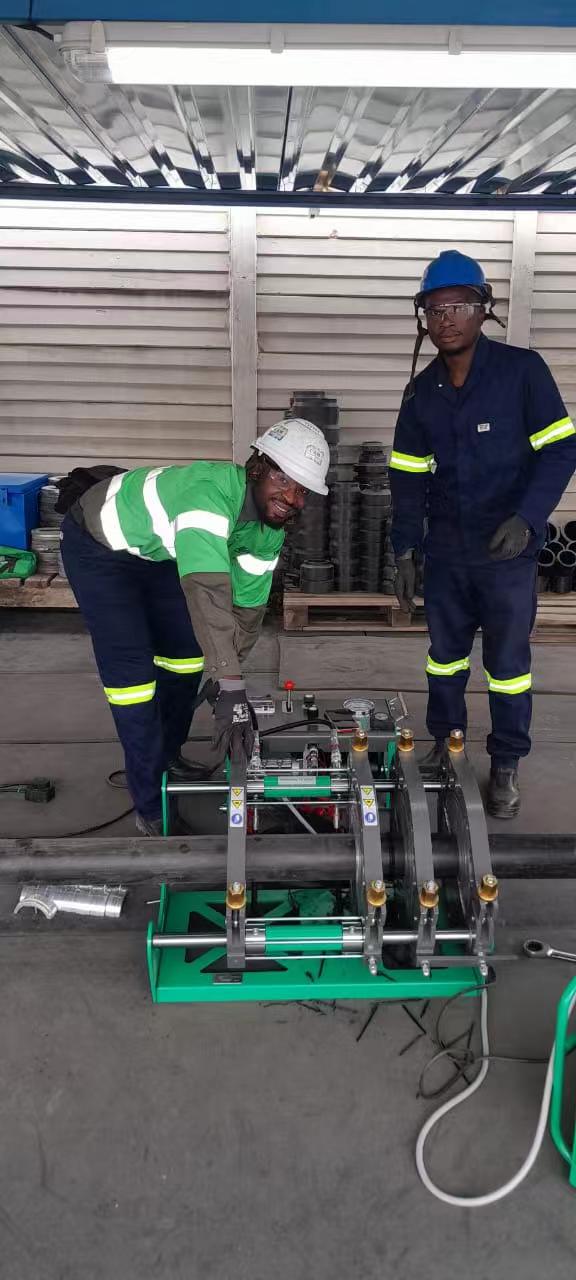
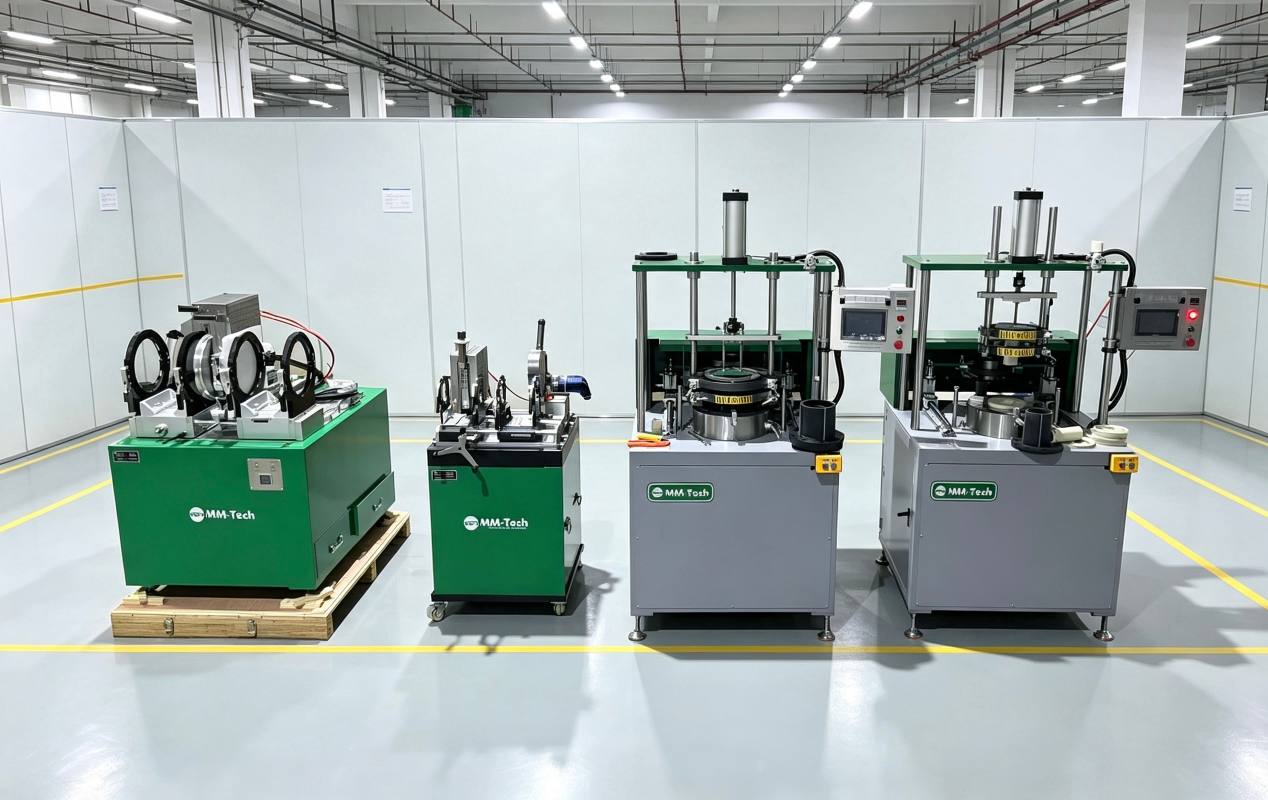
The IRW-110 infrared welding machine joins high-purity plastic pipes in food and drink factories. This special tool connects PVDF, PFA, PPH, PP, and ECTFE materials with great accuracy. Modern production lines must stay completely clean while moving liquids every day. Heat rays warm the pipe ends without touching a heater plate directly. This smart touch-free method stops surface dirt completely. The steady heat creates smooth joints that remove places where bacteria can hide inside main pipes. The infrared heating system provides efficient and uniform heat transfer, helping operators achieve stable welding results. Factory leaders trust IR welding technology for strong and lasting connections.
Key Takeaways
Heating without touching stops surface dirt and prevents dangerous bacteria from growing inside clean food factory pipes.
Smart infrared controls cut pipe heating times by up to 45% compared to basic hot plate tools.
The IRW-110 machine connects tough thermoplastics like PVDF, PFA, PPH, PP, and ECTFE with remarkable precision.
Smooth inside seams make Clean-In-Place washing easier and help keep safe liquids moving constantly through factory pipes.
The manual pressure control system allows operators to apply appropriate fusion pressure during the welding process.
Piping Demands for High-Purity Fluid Systems
Food and Beverage Sanitary Standards
Food factories must follow strict rules to keep everything completely clean. Groups like 3-A Sanitary Standards and EHEDG create these clear processing rules. These standards require safe materials and smooth inner surfaces on all equipment. Factories move liquid ingredients through special clean pipe lines designed to drain completely without trapping liquid. Sloped piping helps wash away cleaning fluids after every maintenance cycle. Plant managers must remove dead ends where liquid can sit still in transport pipes. This careful design stops trapped liquids from gathering and keeps every liquid path safe.
Smooth surfaces stop bacteria from sticking to the inside of processing equipment. Standards set clear limits on how rough pipe interiors can be. Smooth pipes prevent dangerous germs from forming sticky layers inside these systems. They allow Clean-In-Place systems to wash pipes without leaving harsh chemicals behind. Smooth finishes help these cleaning systems remove pathogens and keep products completely safe.
Ra (µm) | Ra (µin) | Typical Applications |
|---|---|---|
0.8 | 32 | Craft brewing, wineries, general food processing |
0.5 | 20 | Dairy product contact lines, flavor handling |
0.38 | 15 | Bioprocess, pharmaceutical, aseptic service |
Limitations of Conventional Joining Methods
Old mechanical parts often create tiny cracks that rust and leak. Threaded parts trap food scraps inside processing pipes over long periods. Metal fasteners can loosen when hot cleaning water expands the pipes. Workers who join plastic pipes with socket fusion face big strength problems. Socket fusion leaves large plastic lumps inside the melted plastic pipes. These internal bumps create quiet areas where bacteria can easily multiply.
Hot plate tools also cause real quality problems in clean processing lines. The heater plate touches the plastic pipe ends during normal contact heating. Dirty heater plates push outside dust right into the melted plastic. Basic hot plate joining leaves extra plastic inside the liquid path. Big internal lumps mess up the smooth flow inside these processing pipes. These bad joints increase organic waste and loose particles inside utility lines. These uneven shapes block smooth fluid flow and make cleaning much harder.
Fundamentals of Non-Contact IR Welding
Infrared Thermal Radiation Principles
Modern infrared welding uses clean heat energy to melt plastic pipes safely. The special infrared heater stays a short distance from the pipe ends during the heating process. Warm heat waves move across this small air gap right into the plastic material. This touch-free welding method stops hot metal plates from ever touching the plastic pipes. Because of this, outside dirt cannot enter the warm melt area at all. Workers get smooth, clean pipe ends without any plastic sticking to the tools. This smart process supports very clean liquid piping systems.
The heating system uses warm radiant energy to heat plastic pipes evenly. This steady heat stops hot spots and keeps the plastic from burning during long heating cycles. Warm energy moves through high-purity plastics like PVDF and PFA very easily. This balanced energy transfer creates a great melt layer across both pipe ends. Workers get fast heating times while keeping the strong plastic structure safe. Carefully managed IR welding gives great heat accuracy for every single joint. Steady heat output ensures strong and clean pipe connections.
Eliminating Weld Bead Traps and Contamination
Old pipe joining methods often create big plastic lumps inside melted pipes. These rough inner lumps trap food liquids and help bad bacteria grow fast. Modern IR welding fixes this big problem by using exact heat energy. Radiant heat creates tiny, smooth plastic bumps along the inner joint line. Smart IR welding keeps every inner weld bead small, flat, and neat. These clean joints lower liquid mixing and clear out trapped water spots inside working pipes. Smooth liquid paths keep food systems much safer.
The IR welding process protects liquid safety in busy food factories. Smooth inner joints remove tiny cracks where bad germs can hide and grow. Clean pipe joints let CIP cleaning liquids wash every inner wall easily. Controlled IR welding improves total joint quality across large factory lines. Workers make matching clean welds that meet strict factory safety rules easily. Reliable IR welding keeps food and drinks safe in every facility. Modern food plants get complete cleanliness control in every joint.
F&B Infrastructure Applications
Pure Water and High-Purity Water Pipelines
Food and beverage processing plants rely on super-clean water systems to keep products safe and pure. Facility engineers build pure water loops, process water networks, and ingredient supply lines with advanced thermoplastics. Plant operators install high-purity water pipelines to move purified liquid ingredients between different production areas safely. These distribution networks carry pure process water for washing raw ingredients, mixing batches, and diluting beverages. Keeping processing conditions completely clean remains a top priority for factory operators every day. Non-contact heating technology ensures that high-purity water pipelines stay totally free from micro-particles and outside dirt. Process engineers trust IR welding to join thermoplastic parts in high-purity water pipelines without risking water contamination.
Technicians make clean welds across processing lines by keeping hot heating tools off the plastic pipe ends. The non-contact fusion process provides clear practical benefits for plant water systems:
Non-contact heating keeps water clean during system assembly.
The machine heater never touches the plastic pipes, which keeps finished joints totally free from outside dirt.
Touch-free heating lowers the risk of introducing harmful contamination inside high-purity water pipelines.
Infrared radiation heating creates clean, contamination-free joints that easily meet strict purity rules.
Radiant heat produces cleaner weld areas with less contamination risk than old contact heating methods.
Clean-In-Place Systems and Process Lines
Clean-In-Place systems carry strong sanitizing chemicals to wash processing lines without taking machines apart. Automated CIP units circulate hot caustic washes and strong sanitizers to scrub organic deposits off pipe walls. Thermal rinse cycles push harsh cleaning fluids through processing pipes during daily cleaning tasks. High-performance polymer materials resist nitric and phosphoric acid solutions very effectively. Thermoplastic materials like PVDF, PFA, PPH, PP, and ECTFE provide exceptional chemical resistance and heat endurance.
Field technicians use IR welding to build sturdy process lines that handle harsh chemical washing easily. Standardized joining steps create strong welds that withstand fast temperature changes without cracking. Precision IR welding protects the inner chemical resistance of high-purity plastic piping systems. Smooth joint profiles let cleaning solutions flush food waste away without leaving chemicals behind. Technicians connect straight pipes and pipe fittings together with complete consistency every time.
Modern IR welding technology guarantees strong structural stability across complex chemical distribution lines. Controlled heat energy creates compact joint beads along internal pipe wall surfaces. These smooth inner surfaces prevent fluid turbulence and remove still-water zones during high-speed washing. Plant engineers choose high-purity polymer materials to stop stress cracking in acidic processing environments. Seamless fluid paths reduce maintenance needs across factory utility networks every day. Consistent joint quality protects liquid ingredients from outside dirt during fast packaging operations. Durable welds protect plant equipment from structural leaks and unexpected breakdown problems. Reliable joining methods ensure long-term operational safety in demanding food manufacturing plants.
Technical Profile of the IRW-110 Infrared Welding Machine
High-Performance Polymer Compatibility
Sanitary processing units use the IRW-110 infrared welding machine to join tough fluoropolymer and polyolefin thermoplastics. Plant technicians rely on IR welding while building clean fluid utility networks with plastic pipes. The specialized machine handles fluorinated and olefin polymers like PVDF, PFA, PPH, PP, and ECTFE without touching surfaces. Operators apply IR welding on outer pipe diameters from 20 mm to 110 mm, matching standard 1/2″ to 4″ IPS sizing. High-purity fluid systems need these premium plastic pipes to handle harsh chemical washes and daily high heat. This broad material compatibility helps plant operators unify pipe joining tasks across different liquid transport lines.
Material | Maximum Service Temperature |
|---|---|
PFA | 260°C (500°F) |
PVDF | 150°C (300°F) |
High-purity liquid lines use PFA and PVDF materials because they resist extreme heat and maintain extreme purity. PFA keeps its incredible chemical stability and heat resistance at temperatures reaching 260°C (500°F). PVDF brings excellent mechanical strength while handling constant working temperatures up to 150°C (300°F). Touch-free IR welding protects the clean chemical nature of these polymers during the entire heating step. The IRW-110 infrared welding machine sends steady thermal energy into these advanced plastics without breaking their molecular design. Cleanroom setups require this accurate heat control to protect strict zero-dirt rules across high-purity fluid lines.
Machine Parameters and Construction Specs
The IRW-110 manual welding machine features a tough industrial build made for rough factory conditions. A common 220 VAC power source runs the full system using up to 2050W of power. The unit splits this electrical energy smoothly between two main working parts during joining tasks. A non-contact infrared heater uses a strong 1200W radiant heating element to warm pipe ends evenly. An 850W electric milling cutter powers the mechanical tools that trim pipe faces beforehand. An advanced temperature control system keeps heater plate heat steady within a wide range from 180°C to 600°C. Strong IP65 industrial armor protects inner electrical circuits from factory dust and direct water sprays.
The physical machine frame uses precise engineering parts to line up plastic pipes perfectly before fusion. Technicians clamp clean plastic pipes tightly using heavy-duty adjustable aluminum alloy clamps. Magnetic inner clamps grip thin-walled plastic pipes firmly without crushing or bending the pipe shape. Operators turn manual adjustment tools to align pipe end faces neatly for every diameter size. Built-in pressure controls push with exact physical force throughout the heating and cooling steps. An integrated electric milling cutter trims pipe ends straight to create perfectly flat joints inside the compact welding machine before heating starts.
Modern IR welding jobs need exact step tracking to ensure long-lasting, safe joints. Integrated real-time monitoring tracks working pressures and heater temperatures continuously during every fusion cycle. This automated real-time monitoring helps technicians make identical, high-quality welds across huge industrial plants. Standardized IR welding steps ensure even heat soaking throughout the material. Controlled pressure mechanisms push hot pipe ends together for a permanent bond without creating big internal plastic lumps. Process engineers choose the IRW-110 welding machine to confirm strong joint structure across all important utility piping paths.
Operational Advantages of IR Welding
Precise Alignment and Controlled Fusion
Heavy-duty clamping assemblies provide high structural stability during pipe fusion operations. Adjustable aluminum alloy clamps grip plastic pipes firmly to prevent unwanted movement. Integrated electric milling cutters shave pipe ends smoothly to ensure perfect end-face squareness prior to heating. Proper surface preparation aligns pipe walls cleanly before heating begins. Proper alignment ensures that every single weld meets strict sanitary rules.
Precision mechanical guides control pipe alignment during the joining process. Integrated control mechanisms execute controlled IR welding to produce strong joints across processing lines. Standard welding parameters and mechanical adjustment systems help operators maintain a stable welding process. Operators construct strong and reliable joints because the industrial welding machine maintains consistent clamping pressure. Additionally, completely controlled IR welding prevents internal bead overflow inside the fluid channel.
Reduced Cycle Times and High Repeatability
Radiant infrared energy transfers heat directly into polymer pipe wall structures. The specialized welding machine reduces heating cycle times by up to 45% compared to standard heating plate procedures. Rapid heat absorption shortens cycle times while maintaining full thermal penetration. Field technicians accelerate utility installation projects using modern IR welding techniques.
Repeatability testing demonstrates high consistency across polymer piping materials:
Weld quality testing confirmed that repetition errors remained lower than experimental error margins.
Polypropylene pipe welds confirmed excellent consistency, keeping repetition errors below experimental error limits.
Low temperature IR welding factors achieved results within 4% of standard IR equipment values.
Proper welding procedures and standardized parameters help operators achieve consistent welding quality. Integrated real-time monitoring systems record heating data to preserve consistent weld strength. The robust welding machine utilizes completely controlled IR welding procedures to preserve standard joint factor strength. Technicians perform IR welding to construct smooth, high-purity welds inside processing plants. Operators verify that each finished weld maintains structural integrity. Reliable IR welding generates strong joints that resist thermal stresses. Operators maintain a clean weld area through accurate setup. Plant engineers use standard IR welding controls to produce durable welds across networks. Accurate IR welding routines maintain plant productivity. Process engineers trust non-contact infrared welding to build secure pipelines using precise controlled IR welding methods.
The IRW-110 manual infrared welding machine solves sanitation issues in food plants. This useful tool uses non-contact heating to stop surface dirt completely. Clean heat rays warm high-purity plastic pipes without touching them. This touch-free method creates smooth joints that remove places where bacteria hide. Workers make strong, clean pipe connections faster during daily installation jobs. Modern heat joining gives identical, reliable results on every single joint.
Factory leaders and safety managers should start using clean radiant heating today. Safe infrared joining builds pure liquid pipe systems that meet all safety rules. Plant operators protect food safety by making strong, permanent joints across all utility pipes.
FAQ
How does non-contact heat protect high-purity water pipelines?
Touch-free infrared tools warm plastic pipes with radiant heat instead of direct contact. This smart heating style stops outside dirt from touching the pipe surfaces. Workers build safe water lines that keep clean liquid paths free from bad bacteria and stray particles.
Which polymer materials can technicians join using IR welding?
Workers use IR welding on plastic pipes measuring between 20 mm and 110 mm wide. The tool joins strong materials like PVDF, PFA, PPH, PP, and ECTFE smoothly. It makes strong connections on chemical lines that handle harsh CIP washing liquids daily.
How does the IRW-110 ensure repeatable weld quality?
Built-in tracking systems check heating temps and pipe pressure during every single cycle. This controlled IR welding method gives matching results every time workers run the machine. Users easily make strong joints repeatedly while building clean factory pipe networks.
What operational features improve pipeline installation efficiency?
Quick radiant heat cuts total heating times by up to 45% over old tools. Operators use IR welding to connect plastic water lines much faster on the job. Controlled heat steps create flat inner joints that keep liquids moving smoothly inside pipes.
How do machine controls maintain correct fusion parameters?
Smart internal monitoring checks the heater temps continuously with great accuracy. The machine pushes pipe ends together with steady force to form ultra-clean connections. Operators perform IR welding to make uniform joints that never leave messy plastic lumps inside.