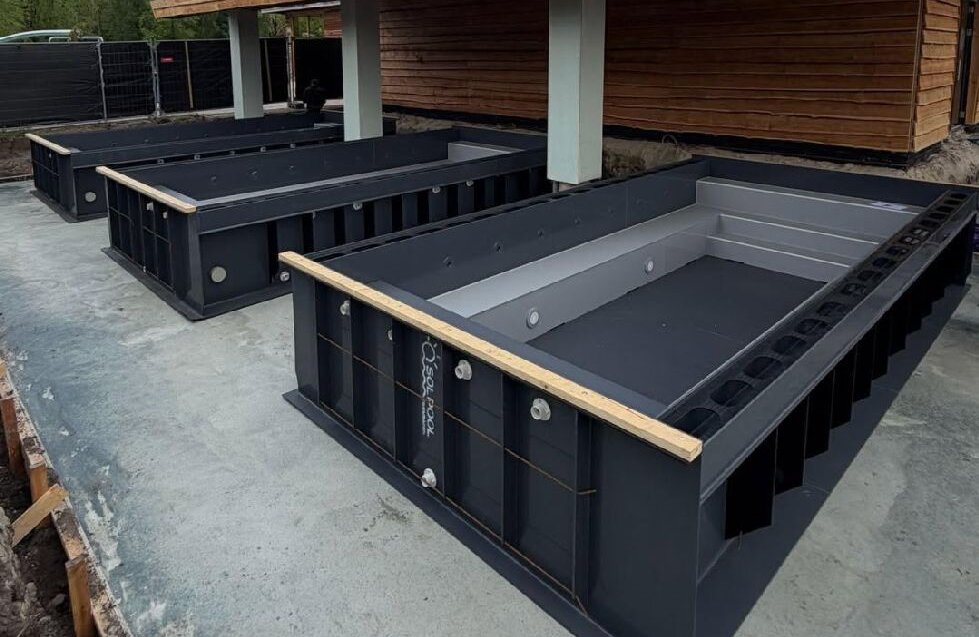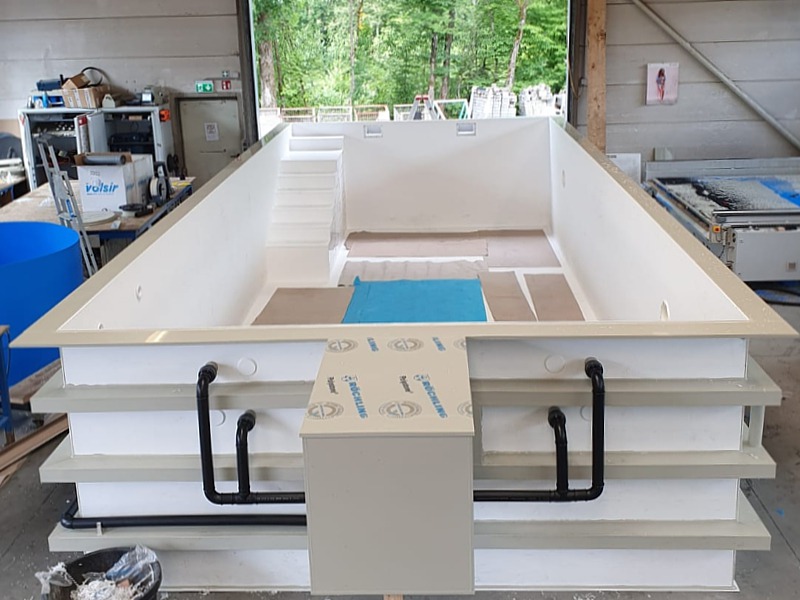
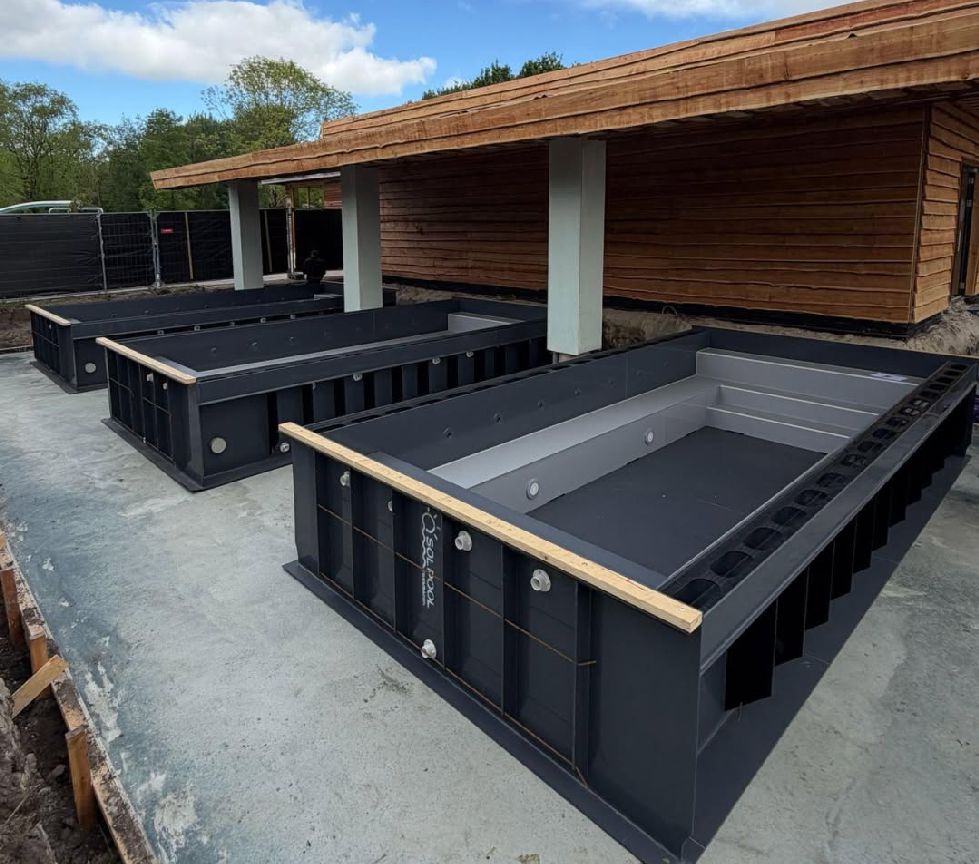
This guide delivers a practical, step-by-step walkthrough for building a plastic swimming pool with MM-Tech plastic swimming pool welding solutions. It addresses the questions that decide whether a build succeeds: which material and thickness to choose, how to weld each joint correctly, how to keep the structure sound, what the project costs, and how to meet local code requirements. Each phase receives clear, actionable instruction. MM-Tech supplies an integrated toolset that covers sheet cutting, fusion welding, and pipe joining. DIY enthusiasts and contractors alike can follow the same sequence, from panel preparation to a tested, watertight pool.
Key Takeaways
Plan your pool carefully. Choose the right plastic material and thickness. Check local building codes and permits before you start.
Follow a clear step-by-step welding process. Cut and shape panels first. Then weld them together using the right MM-Tech machine for each job.
Use the full set of MM-Tech tools for every stage. This covers cutting, welding, and pipe joining. The tools work together for strong, watertight results.
Test every weld and the whole pool for leaks. Fill the pool in stages and watch the water level. Repair any leaks before you finish.
Estimate costs across equipment, materials, fittings, and labor. Choose the pool option that fits your budget and needs. MM-Tech solutions support many pool types.
How to Plan Your Plastic Pool
Choosing Material and Thickness
Material selection sets the durability and weldability of the entire pool. PP, PE, and PVC sheets are common choices. Each plastic welds differently, so match the sheet to the machine before ordering. Röchling Polystone® P PG and PGX panels offer high mechanical strength, reliable weldability, and resistance to chlorine and UV radiation, which suits a pool shell exposed to water and sunlight.
Thickness governs structural integrity. Thin sheets flex under water load and demand more reinforcement. Thicker sheets hold shape better and tolerate deeper sections. Light, strong, cut-to-size weldable panel options fit builds that need fast assembly with less framing. Plan panel dimensions around your cutting equipment. The SWT-XL3000 Automatic Sheet Saw cuts pool panels and reinforcement components to size, and the SWT-YF1530 CNC Router machines contours and openings once the layout is fixed.
Site Layout and Code Compliance
Site preparation starts with the excavation footprint, equipment access, and drainage. Confirm that delivery vehicles and welding machines can reach the pool area. Most municipalities require a building permit for pool construction, and many also require an electrical permit. Submit plans drawn to scale, including the site diagram, pool and equipment layout, piping layout, and equipment specifications.
Check HOA rules and deed restrictions before digging, because some associations prohibit pools or require plan approval. Local ordinances may also set setback distances and pump noise limits. Schedule the final inspection early during peak season.
How to Weld a Plastic Pool Step by Step
Shell Fabrication and Welding Sequence
Fabrication follows a fixed order. Cut the sheets first with the SWT-XL3000 Automatic Sheet Saw. This machine trims pool panels and reinforcement components to the planned dimensions. Next, the SWT-YF1530 CNC Router machines contours and openings, including skimmer ports and light niches. Accurate openings at this stage prevent field corrections later.
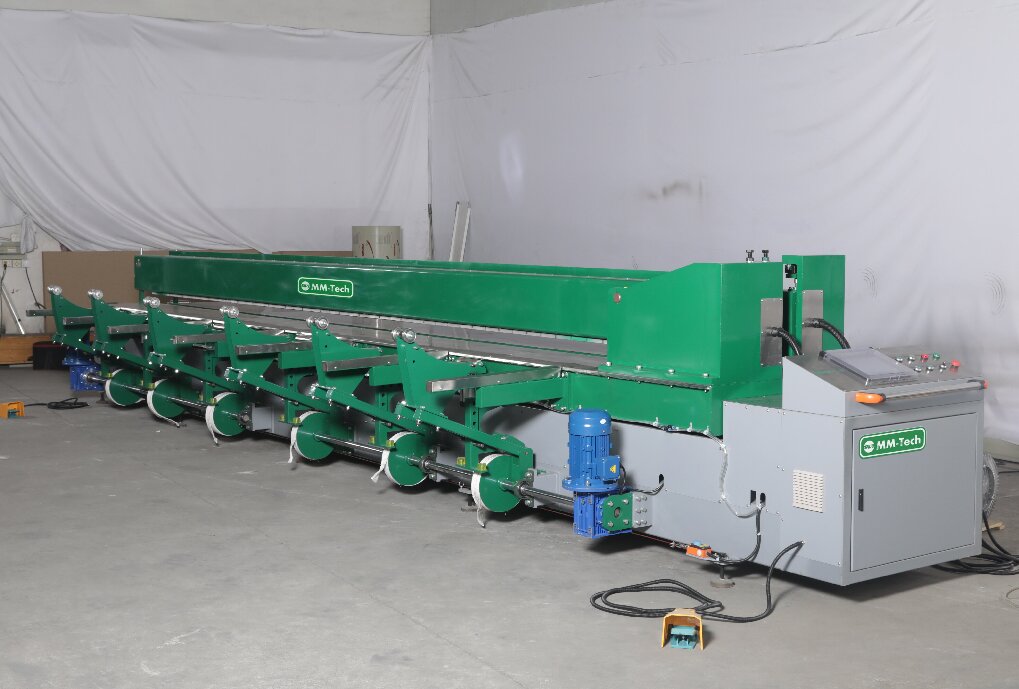
Panel joining comes next. The SWT-PH6000 Sheet Butt Fusion Welding Machine joins plastic sheets into larger panels. It supports horizontal and circular welding plus 90° vertical jointing. Its maximum working length reaches 6,000 mm through a CNC welding system, pneumatic sheet locking clamps, and digital pressure setting.
Formed parts follow the flat panels. The SWT-ZW6000 Sheet Bending Welding Machine produces controlled bends and selected folded components, such as steps and corner returns. Structural welding then locks the shell together. The SWT-NS630A Extrusion Welder welds major panel seams and reinforcement joints. The SWT-NS1600BM Hot Air Welder supports local hot-gas welding and detailed fabrication.
The circulation system needs its own joining step. The SWT-V355 Pipe Butt Fusion Welding Machine joins thermoplastic pipe sections by butt-fusing. The ZDRJ-315 Electrofusion Welding Machine joins pipe sections by electrofusing.
Safety deserves equal attention during every pass:
Wear gloves and safety glasses to prevent burns and injuries, and bring knives, tarps, and tapes to section off work areas.
Conduct regular maintenance on hot air tools for consistent, safe performance.
Employ correct welding techniques to achieve good results while minimizing risk.
Follow manufacturer guidelines for safe operation at all times.
Receive proper training so operators know the tool’s capabilities and limits.
Promote a secure workspace to prevent accidents.
Run practice welds on scrap sheet before full-shell work. Test each machine setting on offcuts, inspect the bead, and adjust pressure or temperature before committing to a seam. These plastic swimming pool welding solutions reward preparation with cleaner joints and fewer repairs.
Fittings, Plumbing, and Finishing
Fit the machined openings with skimmers, returns, and light housings. Seal each penetration with a compatible weld or gasket detail. Pressure-test the pipework before backfilling. Finish the shell surface, install the liner where specified, and complete the deck and barrier. A final fill test confirms watertight integrity before handover.
MM-Tech Plastic Swimming Pool Welding Solutions
Equipment for Every Build Stage
Each machine in the MM-Tech lineup handles a defined production stage. The table below maps every tool to its role.
Machine | Build Stage | Function |
|---|---|---|
SWT-XL3000 Automatic Sheet Saw | Sheet cutting | Cuts pool panels and reinforcement components to size |
SWT-YF1530 CNC Router | CNC machining | Machines skimmer ports, light niches, and shaped edges |
SWT-PH6000 Sheet Butt Fusion Welding Machine | Sheet joining | Joins sheets into larger panels; supports horizontal, circular welding, and 90° vertical jointing |
SWT-ZW6000 Sheet Bending Welding Machine | Sheet bending | Produces controlled bends and folded components |
SWT-NS630A Extrusion Welder | Structural welding | Welds major panel seams and reinforcement joints |
SWT-NS1600BM Hot Air Welder | Detail welding | Supports local hot-gas welding and detailed fabrication |
SWT-V355 Pipe Butt Fusion Welding Machine | Circulation system | Joins thermoplastic pipe sections by butt-fusing |
ZDRJ-315 Electrofusion Welding Machine | Circulation system | Joins thermoplastic pipe sections by electrofusing |
This sequence moves from flat sheet to finished shell without gaps. Each stage prepares the work for the next one.
Material Compatibility and Weld Strength
MM-Tech equipment handles PP, PE, and PVC sheets for swimming pools. Each plastic responds differently to heat and pressure, so match the machine setting to the specific material before production begins. Röchling Polystone® P PG and PGX panels deliver mechanical strength, weldability, and resistance to chlorine and UV radiation. These properties suit a pool shell that faces constant water contact and sunlight.
The integrated workflow pays off in weld consistency. One toolset covers cutting, forming, structural welding, and pipe joining. Operators avoid switching between unrelated systems. That continuity reduces rework and supports watertight pools in various shapes, colors, and sizes. Contractors who standardize on these plastic swimming pool welding solutions gain predictable results across every build.
How to Test Quality and Estimate Costs
Leak Testing and Weld Inspection
Weld quality decides whether the pool holds water. Begin with a visual inspection of every seam. Look for gaps, undercut edges, and uneven bead height. A consistent bead along the full joint signals proper heat and pressure. Mark suspect areas and rework them with the SWT-NS1600BM Hot Air Welder before the shell fills.
Seam checks come next. Run a probe along each joint and listen for voids. Tap the weld with a light hammer and note any hollow sound. Then fill the pool in stages and watch the waterline. Record the level, wait, and measure again. A falling level points to a leak. Trace it to the nearest seam or fitting penetration and repair the spot.
Cost Breakdown and Option Comparison
Budget the project across four categories. Equipment carries the largest share for contractors who build repeatedly. Material cost tracks sheet area and thickness. Fittings and plumbing add skimmers, returns, and pipe. Labor and site work complete the total.
Category | Main Drivers |
|---|---|
Equipment | Machines for cutting, fusion, forming, and pipe joining |
Material | Sheet type, thickness, and total panel area |
Fittings | Skimmers, returns, lights, and pipe |
Labor and site | Excavation, assembly hours, and finishing |
Plastic pool options fit different builds. A welded PP or PE shell suits custom shapes and long service life. Polystone® P PG and PGX panels offer strength and chlorine resistance for demanding sites. A PVC liner over a welded shell fits budget-focused projects with standard dimensions. Each approach works well in its own setting, and the right choice depends on shape, volume, and budget. MM-Tech plastic swimming pool welding solutions support every one of these paths.
The build follows a clear order. Plan the site and select the material first. Fabricate and weld the shell with MM-Tech equipment next. Install fittings and plumbing after that. Test and finish last. These plastic swimming pool welding solutions deliver watertight welds, repairable joints, consistent quality, and controlled costs.
Run a practice weld on scrap sheet before the full shell. Confirm local codes and material thickness before purchasing equipment.
FAQ
Which MM-Tech machines does a plastic pool build require?
Each stage uses a dedicated tool. The SWT-XL3000 Automatic Sheet Saw cuts panels and reinforcement. The SWT-YF1530 CNC Router machines contours and openings. The SWT-PH6000 Sheet Butt Fusion Welding Machine joins sheets into larger panels. The SWT-ZW6000 Sheet Bending Welding Machine forms bends and folded components. The SWT-NS630A Extrusion Welder welds major seams and reinforcement joints. The SWT-NS1600BM Hot Air Welder handles detail work and repairs. The SWT-V355 Pipe Butt Fusion Machine and ZDRJ-315 Electrofusion Welding Machine build the circulation pipework.
Which sheet material suits a welded pool shell?
PP, PE, and PVC sheets are common choices. Röchling Polystone® P PG and PGX panels offer mechanical strength, weldability, and resistance to chlorine and UV radiation. Match the machine setting to the specific plastic, because each material responds differently to heat and pressure.
How do I confirm the shell holds water?
Inspect every seam for gaps and uneven bead height. Probe each joint for voids. Fill the pool in stages, record the waterline, wait, and measure again. A falling level points to a leak. Trace it to the nearest seam or fitting and repair the spot.
Why run practice welds before the full shell?
Scrap sheet lets you test temperature and pressure settings without risking a finished panel. Inspect the bead on each trial pass and adjust before committing to a seam. This step produces cleaner joints and fewer repairs on the actual pool.
Can MM-Tech equipment handle a large pool?
Yes. The SWT-PH6000 Sheet Butt Fusion Welding Machine reaches a maximum working length of 6,000 mm, so wall and floor sections join in manageable passes.