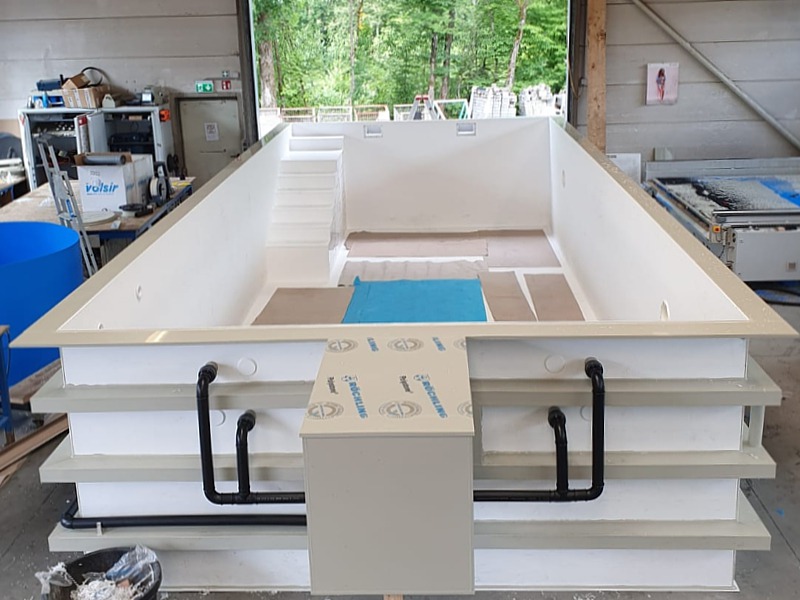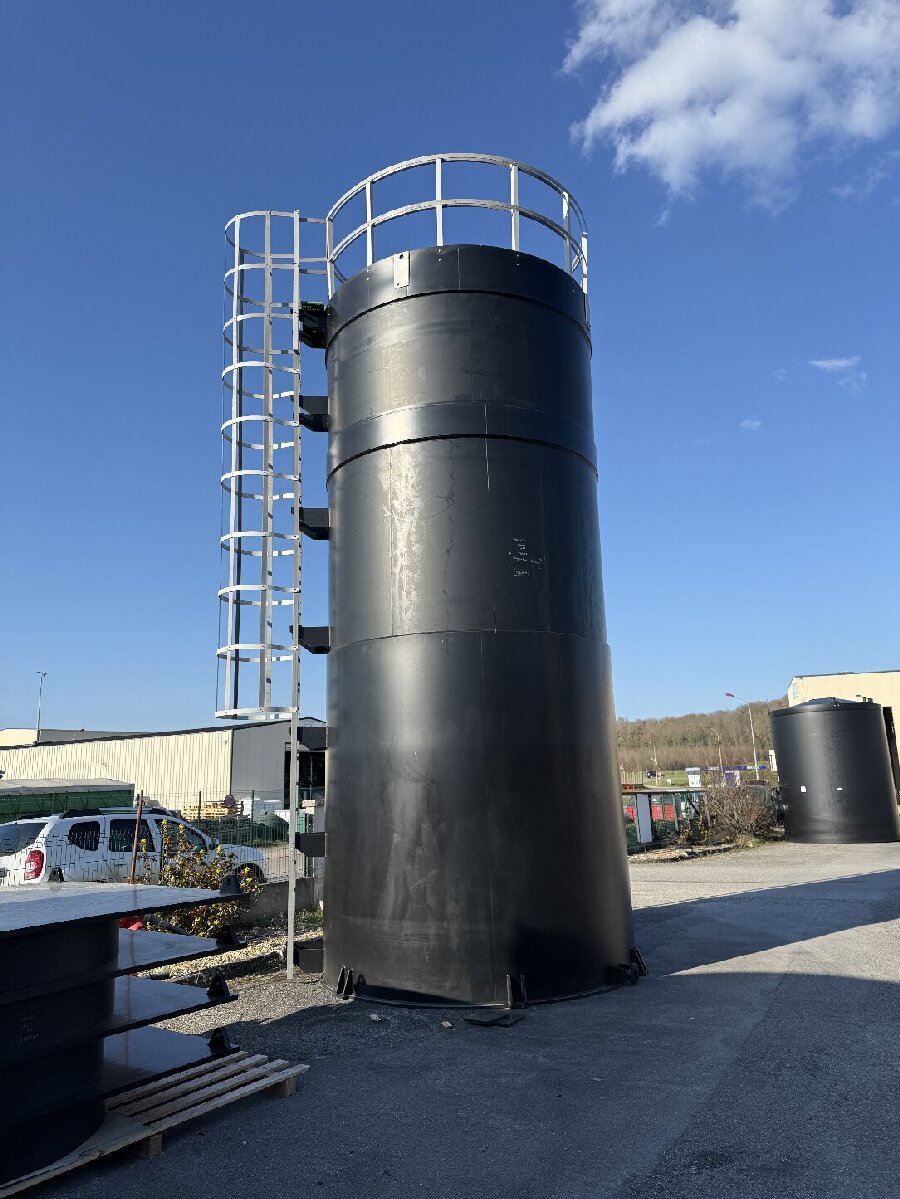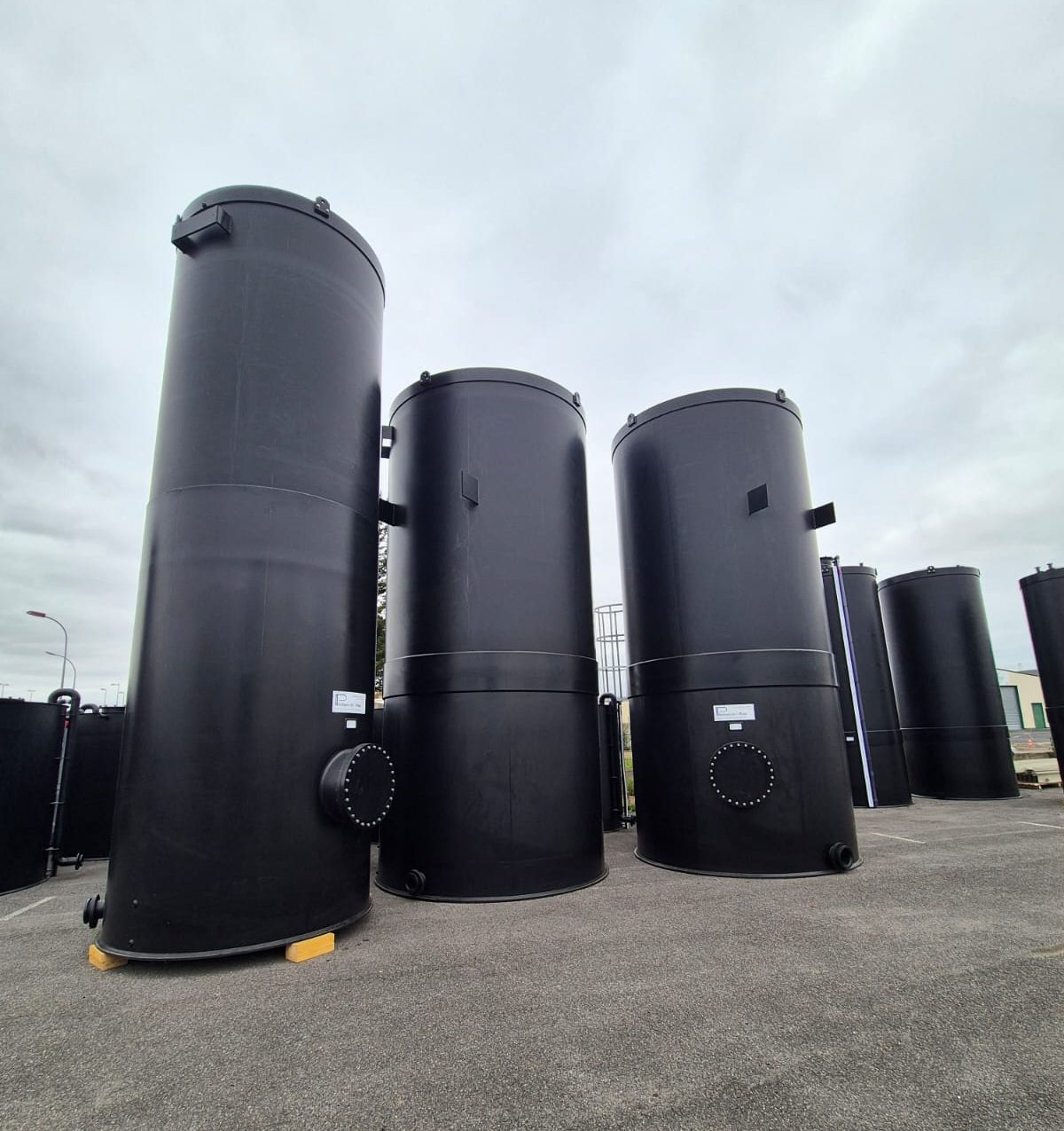
Plastic ventilation duct fabrication follows a defined route. A thermoplastic sheet is selected, cut to size, edge-prepared, formed, welded into duct sections, then inspected and tested.
Each stage feeds the next, so errors carry forward. This guide covers practical details for every step: equipment choices, welding parameters, and proven best practices. Regulatory review comes first, before any cutting begins. That order protects the whole manufacturing sequence and keeps the finished ventilation system compliant.
Key Takeaways
-
Follow six steps in order: review rules, pick material, cut sheet, prepare edges, weld, and check quality.
-
Choose the right plastic: PVC for general fumes, PP for chemicals, PE for humid air, and PVDF for harsh conditions.
-
Cut sheets accurately with saws or CNC routers to ensure clean edges and proper fit.
-
Prepare edges by beveling and cleaning to make strong welds.
-
Use hot gas welding for details, butt welding for long seams, and extrusion welding for structural joints.
-
Inspect dimensions, test for leaks, and check welds to confirm quality.
Plastic Ventilation Duct Fabrication Overview
Six Core Stages
Plastic ventilation duct fabrication runs as one linked sequence:
-
Regulatory review
-
Material selection
-
Cutting
-
Edge preparation
-
Welding
-
Quality control
Each stage feeds the next. The review defines the standard the duct must meet. Material selection matches a sheet to that standard. Cutting and edge preparation shape the sheet for a clean joint. Welding closes the joint, and quality control confirms the result. A weak choice at any point shows up later, so the duct fabrication process rewards order and discipline.
Equipment Across the Workflow
The workflow relies on a small set of core machines. A sheet saw and a CNC Router cut and machine sheets. Bending equipment turns flat sheets into U-shaped or L-shaped sections. Welding tools join the parts, and measuring instruments close the loop.
MM-Tech supplies equipment at each step. The SWT-XL3000 Automatic Sheet Saw cuts sheets to different size, and the SWT-YF1530 CNC Router machines contours and openings. The SWT-ZW3000 Plastic Sheet Bending Welding Machine forms rectangular duct panels, while the SWT-PH3000 Plastic Sheet Butt Welding Machine butt-fuses sheets into large panels and handles horizontal, circular, and 90° vertical jointing. For structural seams, corners, and fittings, the SWT-NS600A Extrusion Welder fits well. The SWT-NS1600A Hot Air Welder suits tack welding and localized detail work, and the SWT-V315 Pipe Butt Fusion Welding Machine joins suitable cylindrical pipe sections.
Workshop Prerequisites
A suitable workshop protects both the product and the people. Good general ventilation clears welding fumes, and local exhaust at the welding station adds a second layer. Operators wear PPE: gloves, eye protection, and respiratory protection where fumes are present.
Sheet storage matters as much as the tools. Keep materials flat, supported, and away from heat and direct sunlight, because warped stock ruins tolerances before fabrication begins. A clean floor and clear walkways reduce damage to finished sections. These basics support every stage of manufacturing and keep ventilation systems reliable in service.
Material Selection for Ventilation Ducts
Common Thermoplastics
Four thermoplastics dominate ductwork. PVC suits general exhaust and fume handling at moderate temperatures. PP fits chemical exhaust in the mid-temperature range and offers a strong cost-to-performance balance for general housings, though mineral fillers are needed where structural rigidity matters. PE works well for humid or condensate-heavy air streams. PVDF serves aggressive chemistry and higher heat, where PVC and PP reach their limits.
Each option has a place. The right choice depends on the duty, not on a ranking. A warm dilute-acid exhaust at 60°C sits comfortably inside the typical PP envelope, while the same medium concentrated and hot moves the choice toward a confirmed grade or PVDF.
Selection Criteria
Material selection criteria start with the medium. Establish the chemical identity and concentration of every component, because strong oxidizers rule out standard PP. Temperature comes next: compare the continuous operating peak, with margin, against the grade ceiling. Load follows, since span, self-weight, and pressure class set wall thickness and derate the temperature ceiling through creep.
|
Medium |
Typical PP behavior |
|---|---|
|
Acids, alkalis and salts (aqueous) |
Generally resistant |
|
Strong oxidizers |
Not suitable — confirm |
|
Many organic solvents |
Partial, media-dependent — confirm |
Fire performance belongs in the same review. Plastics are classified under UL 94, which grades materials from HB through V-2, V-1 and V-0, with V-0 the highest common rating. Standard PP is combustible; flame-retardant grades move up that scale. Long-term creep resistance under thermal cycling also shapes the decision.
A PP duct is the wrong choice when the medium includes strong oxidizers, when sustained service exceeds what the grade can take, when heavy mechanical loads demand a reinforced structure, or when the fire classification is not met.
Sheet Thickness and Sizing
Sheet thickness is a key parameter in every fabrication. Thicker sheet carries larger duct dimensions and higher pressure classes; thinner sheet suits low-pressure work. The correct project question is what temperature, under what load, for what service life. An unpressurized horizontal duct carrying only its own weight can run hotter than the same duct under sustained internal pressure.
Compare grade ceilings before sizing. PVC has a continuous service limit typically about 60°C, PP sits at about 90°C typical, and PVDF is used where chemistry or temperature exceeds PP. These figures guide material selection criteria for ventilation systems, and they keep the fabrication grounded in real service conditions.
Sheet Processing

Sheet processing turns flat stock into duct geometry. Cutting establishes the outline, edge preparation readies the joint, and forming creates the section. These steps decide how well the later welding stage performs.
Cutting Methods and Tolerances
Three cutting routes cover most duct work. Saw cutting handles straight cuts on thick sheet and produces a square edge. CNC routing follows curves, openings, and complex contours from a drawing file. Blade cutting suits thin sheet and quick straight runs.
Cut quality matters more than speed. A ragged edge traps contaminants and widens the joint gap. Tolerances should follow the fabrication drawing, and every cut needs a check against it before the part moves on. The MM-Tech SWT-XL3000 Automatic Sheet Saw cuts sheets into the desired sizes with repeatable square edges. The SWT-YF1530 CNC Router machines contours and openings, which suits branch cutouts and access ports. Together these tools cover the cutting operations in most duct shops.
Edge Preparation
Edge preparation makes a joint weld-ready. The steps follow a fixed order:
-
Determine whether the weld type requires a beveled edge.
-
Bevel the edge with a grinder or table saw where required.
-
Clear dust and dirt from the material.
-
Confirm the parts are dry before welding starts.
Welding Methods for Duct Fabrication

Welding closes the joint that cutting and forming opened. Three methods cover most plastic ventilation duct fabrication work: hot gas welding, butt welding, and extrusion welding. Each suits different joint types and sheet thicknesses. The choice depends on the seam geometry, the material, and the required strength.
Hot Gas Welding
Hot gas welding softens the sheet surface and the filler rod with a stream of heated gas, then presses them together to fuse into one seam. Weldmaster describes the sequence as heat, soften, press with rollers, cool, and a homogeneous bond forms.
Gas quality and temperature control decide seam quality. Corzan states that gas must be free of oil and moisture and supplied at low pressure and high volume. Most shop compressors do not deliver air of that quality, so blowers from hot gas welding equipment makers are the better source. Temperature should be held by regulating power to the heating element, not by varying gas flow.
Speed matters as much as heat. Corzan advises a fairly constant rate once welding begins, because browned or charred edges signal slow travel or overheating. Weldmaster adds that test welds should always run first, with adjustment for ambient conditions to avoid cold welds. The MM-Tech SWT-NS1600A Hot Air Welder fits tack welding and localized detail work, where a controlled, narrow heat zone is useful.
Butt Welding
Butt welding joins two sheet edges directly, without a filler rod. The edges are squared, cleaned, and clamped against a heated plate. The plate softens both faces, then withdraws, and the clamps press the edges together while the melt cools under controlled pressure. Joint preparation follows the edge steps described earlier: a clean and dry face on each side.
Heating plate parameters set the result. Plate temperature, dwell time, and joining pressure must match the sheet material and thickness. Too little heat leaves an under-fused seam; too much heat pushes molten material out of the joint. A uniform clamp force across the full length prevents weak ends that leak under suction. The SWT-PH3000 Plastic Sheet Butt Welding Machine butt-fuses sheets into large panels and handles horizontal, circular, and 90° vertical jointing. The SWT-V315 Pipe Butt Fusion Welding Machine joins suitable cylindrical pipe sections.
Extrusion Welding
Extrusion welding feeds a filler rod through a plasticizing screw and deposits the melt into a prepared joint, with hot air preheating the groove ahead of the bead. Matching the filler rod to the base plastic optimizes chemical and mechanical bonding, according to Hot Air Tools. Common rod diameters are 3.0 mm, 4.0 mm, and 5.0 mm.
-
Preheating temperatures vary by material.
-
Torch angle is usually 45–60° for even deposition.
-
Travel speed should stay steady to avoid overfilling or underfilling.
-
The method fits long structural seams, large-scale fabrication, and repairs that need buildup.
The MM-Tech SWT-NS600A Extrusion Welder suits structural seams, corners, and fittings. These assembly and joining techniques support sealing and airtightness treatment at detail joints, where a small gap can defeat the whole duct.
Quality Control and Testing
Quality control closes the fabrication loop. Inspection confirms that every earlier stage met its target, and it catches problems before the duct leaves the shop.
Dimensional Inspection
Dimensional inspection compares the finished duct against the fabrication drawings. Operators check section length, cross-section dimensions, flange positions, and opening locations. Straightness and squareness matter as much as size, because a twisted section will not mate with its neighbor on site.
Dimensional accuracy depends on the upstream steps. Accurate cutting operations on the SWT-XL3000 Automatic Sheet Saw and the SWT-YF1530 CNC Router give inspection a solid baseline. Tolerances should follow the drawing and the relevant standard, and each duct section needs a recorded check before it moves to testing. A section that fails here returns to fabrication, not to the customer.
Leak Testing
Leak testing verifies airtightness and leakage control. Pressure testing pressurizes a sealed duct section and monitors the decay over a set period. Airflow testing measures leakage at the operating pressure class. Both methods reveal gaps that visual inspection misses, especially at flange joints and branch connections.
Sealing and airtightness treatment at detail joints deserves attention before the test. Extrusion welds from the SWT-NS600A Extrusion Welder and tack welds from the SWT-NS1600A Hot Air Welder seal corners and fittings. A failed leak test usually points back to one of these detail seams, so the fix belongs in fabrication, not in a patch after testing.
Weld Integrity Checks
Weld integrity checks combine three levels of inspection:
|
Check |
Method |
What it finds |
|---|---|---|
|
Visual |
Bead shape, color, and uniformity |
Under-fusion, charring, gaps |
|
Mechanical |
Bend or peel tests on coupons |
Bond strength |
|
Non-destructive |
Ultrasonic or spark testing where specified |
Internal voids and incomplete fusion |
Seam integrity rests on these checks. Welds produced by hot-gas extrusion welding can be visually assessed with reference to DVS 2202 Supplement 5, which describes and evaluates imperfections in thermoplastic joints made using the extrusion welding process.
Quality standards apply throughout fabrication, not only at final inspection. A weld that passes a visual check cannot compensate for a sheet cut outside tolerance or an edge prepared with contaminated surfaces.
The MM-Tech SWT-PH3000 Plastic Sheet Butt Welding Machine and SWT-ZW3000 Plastic Sheet Bending Welding Machine produce the panel seams that these checks evaluate, and the SWT-V315 Pipe Butt Fusion Welding Machine joins cylindrical sections under the same regime. Consistent parameters, recorded at each station, make the final inspection a confirmation rather than a surprise.
Applications and Cost Considerations
Matching Ducts to Applications
Duct selection starts with the duty. HVAC supply and return air suits galvanized sheet metal, which handles high airflow volumes and high-pressure systems well, according to Sammangroup. Chemical exhaust and humid process air favor polymer ductwork, because PVC and PP resist corrosion in wet or corrosive environments, as Dalehcs notes.
|
Key Indicators |
Metal Duct |
Polymer Duct |
|---|---|---|
|
Weight |
Heavier |
Lighter |
|
Static Pressure |
Medium to Higher |
Lower to Medium |
|
Noise Level |
Higher |
Lower |
|
Temperature Range |
Wider range |
Limited |
|
Media Chemical Properties |
Need coating |
Ideal for humid and corrosive media |
|
Durability |
Longer |
Shorter |
Longwellfans reports that polymer duct fans hold chemical stability in acidic vapors and alkaline droplets, avoid rust in coastal or high-humidity workshops, and run quieter than metal units. Polymer materials also damp vibration, which lowers noise at the same rotational speed. Process ventilation in such plants therefore leans toward polymer construction. The fabrication plan should record this match before any drawing is released.
Performance and Compliance
Technical performance sets the boundary. Polymer duct fans suit moderate and low-temperature environments, and components soften once the rated range is exceeded, per Longwellfans. Static pressure stays lower to medium, so long runs with high resistance need careful sizing. Sheet metal covers a wider temperature range and higher pressures.
Regulatory compliance belongs in the same fabrication review. Fire classification, chemical resistance, and leakage limits must be confirmed before cutting begins. Airtightness targets shape the welding plan, and every seam in the finished duct must meet the specified test limit. A fabrication shop that skips this step risks a completed duct that fails acceptance.
Cost Factors
Cost breaks down across material, sheet thickness, and welding method. The plastic option carries different economics. Material cost varies by grade, and thicker sheet for higher pressure classes raises it. Welding method also shifts the total: hot gas welding suits detail work, butt welding handles long panel seams, and extrusion welding adds filler and time on structural joints.
The MM-Tech SWT-NS600A Extrusion Welder and SWT-NS1600A Hot Air Welder cover those joints, while the SWT-PH3000 Plastic Sheet Butt Welding Machine and SWT-ZW3000 Plastic Sheet Bending Welding Machine handle panel forming and the SWT-XL3000 Automatic Sheet Saw and SWT-YF1530 CNC Router prepare the sheet. Sealing detail joints well protects the whole investment. Sound fabrication practice keeps ventilation systems reliable, and consistent fabrication records keep ventilation systems serviceable over their full life.
Plastic ventilation duct fabrication follows one chain. Regulatory review sets the standard. Material selection matches a sheet to that duty. Sheet processing cuts, prepares, and forms the geometry. Welding closes every seam. Quality control confirms the result.
Each fabrication step depends on the ones before it. A weak materials choice undermines a sound weld. Poor edge preparation does the same. Sheet thickness, weld parameters, and sealing of detail joints belong to one continuous fabrication process.
Treat testing as part of fabrication. Consistent parameters and recorded sheet checks produce airtightness in ventilation systems. That discipline is the manufacturing route to reliable plastic ducts, and every sheet and fabrication decision supports it.
FAQ
Which thermoplastic suits chemical exhaust?
PP fits many aqueous acids, alkalis, and salts. PVC handles general fume at moderate temperatures. PVDF serves aggressive chemistry and higher heat. PE works well for humid air streams. Confirm the medium and temperature against the grade ceiling before committing a sheet to fabrication.
How is sheet thickness chosen?
Thickness follows duct size, pressure class, and span. Thicker sheet carries larger dimensions and higher pressure classes. Thinner sheet suits low-pressure work. Temperature and load also matter, because creep resistance under thermal cycling shapes the safe operating envelope for any fabrication project.
What equipment supports each fabrication stage?
The SWT-XL3000 Automatic Sheet Saw cuts sheets to size. The SWT-YF1530 CNC Router machines contours and openings. The SWT-ZW3000 Plastic Sheet Bending Welding Machine forms rectangular duct panels, and the SWT-PH3000 Plastic Sheet Butt Welding Machine butt-fuses sheets into large panels with horizontal, circular, and 90° vertical jointing. The SWT-NS600A Extrusion Welder welds structural seams, corners, and fittings. The SWT-NS1600A Hot Air Welder handles tack welding and detail work. The SWT-V315 Pipe Butt Fusion Welding Machine joins cylindrical pipe sections.
Which welding method fits which joint?
Hot gas welding suits detail work and tack welds. Butt welding handles long, straight panel seams without filler rod. Extrusion welding fits structural seams, corners, and fittings. Each method has a place in fabrication, and the joint geometry decides the choice.
How is duct quality verified?
Dimensional inspection checks the finished duct against fabrication drawings. Leak testing confirms airtightness through pressure or airflow methods. Weld integrity checks combine visual, mechanical, and non-destructive inspection. Quality standards apply throughout fabrication, not only at final inspection.