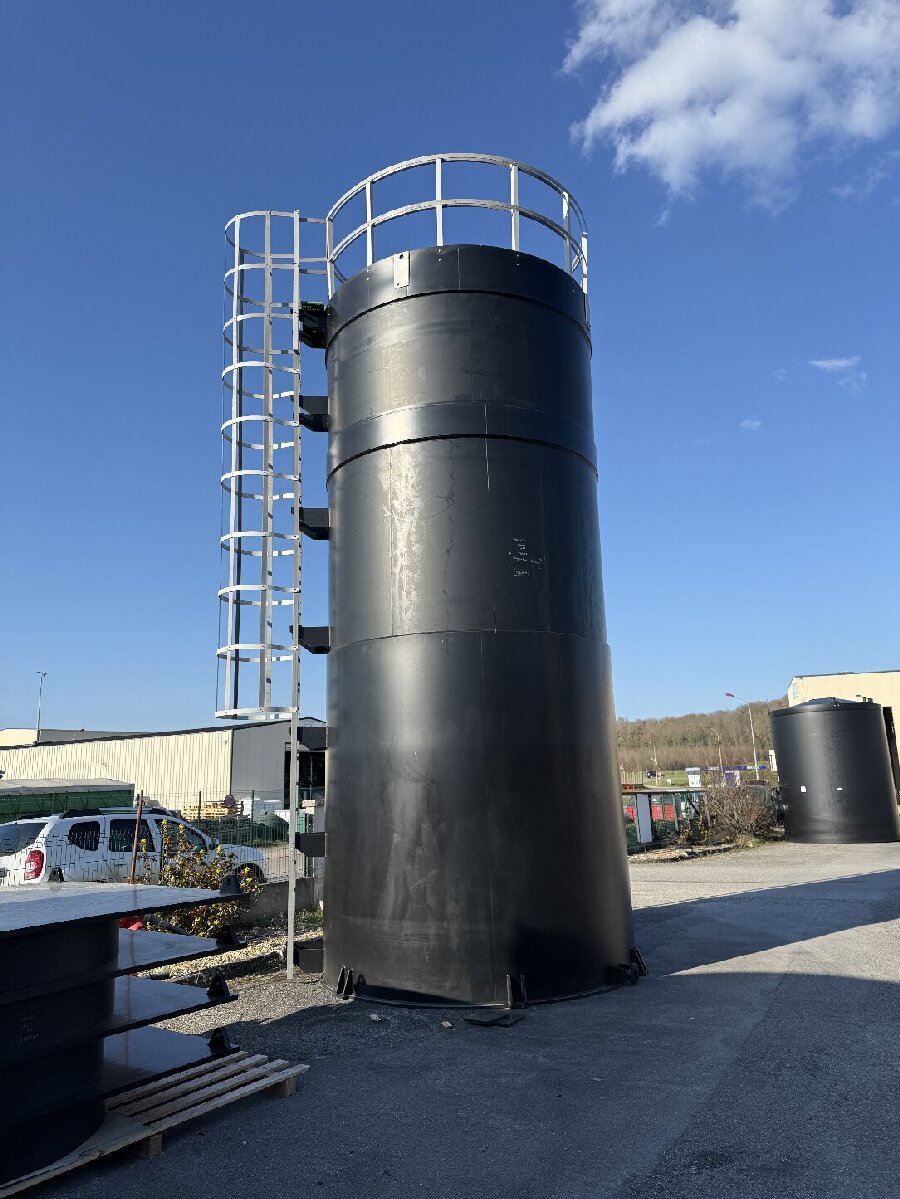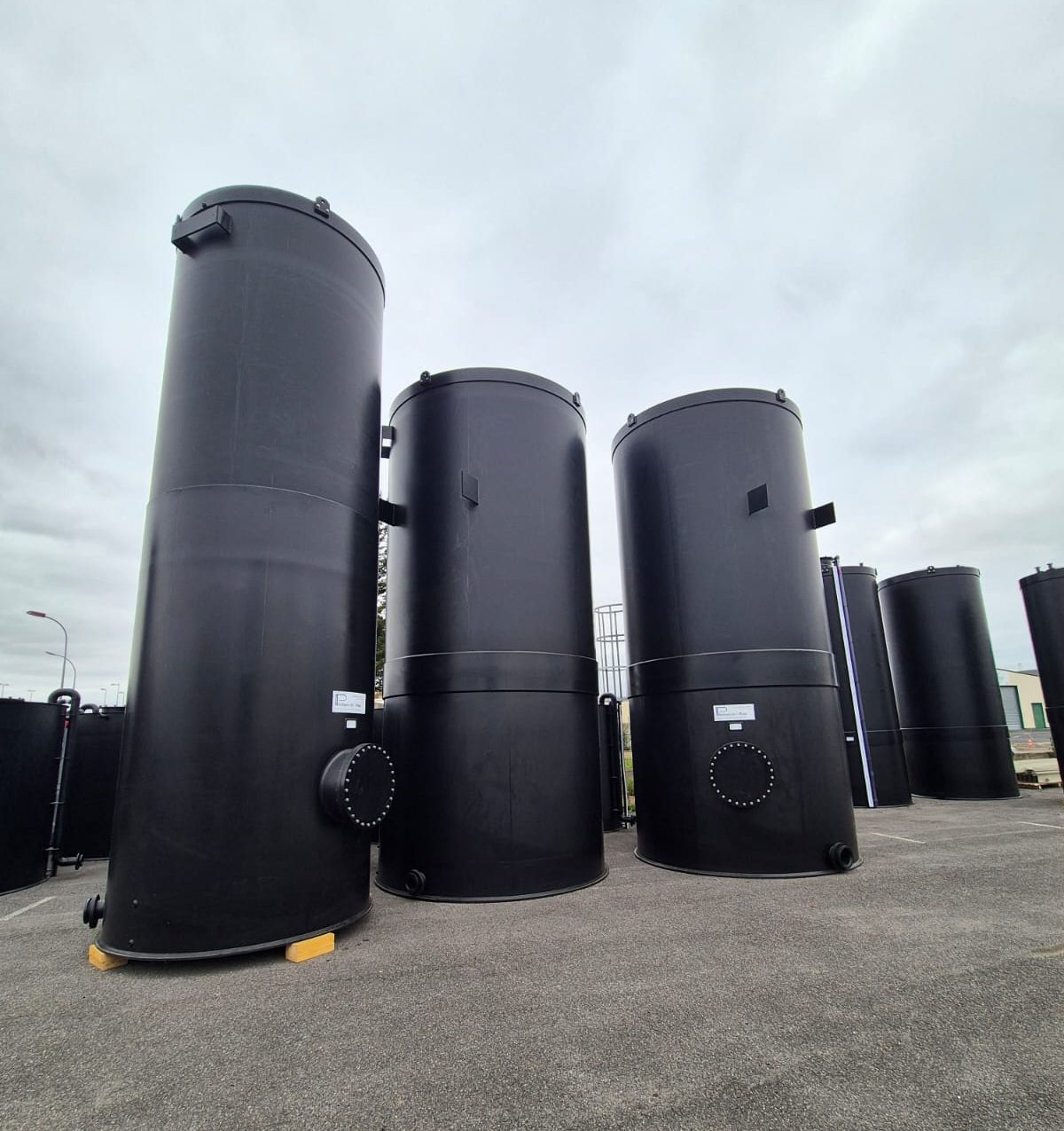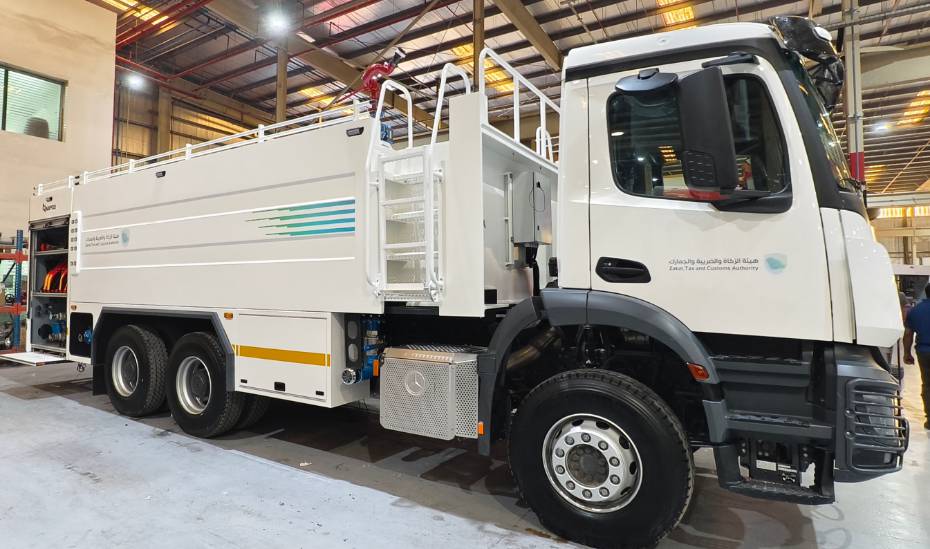
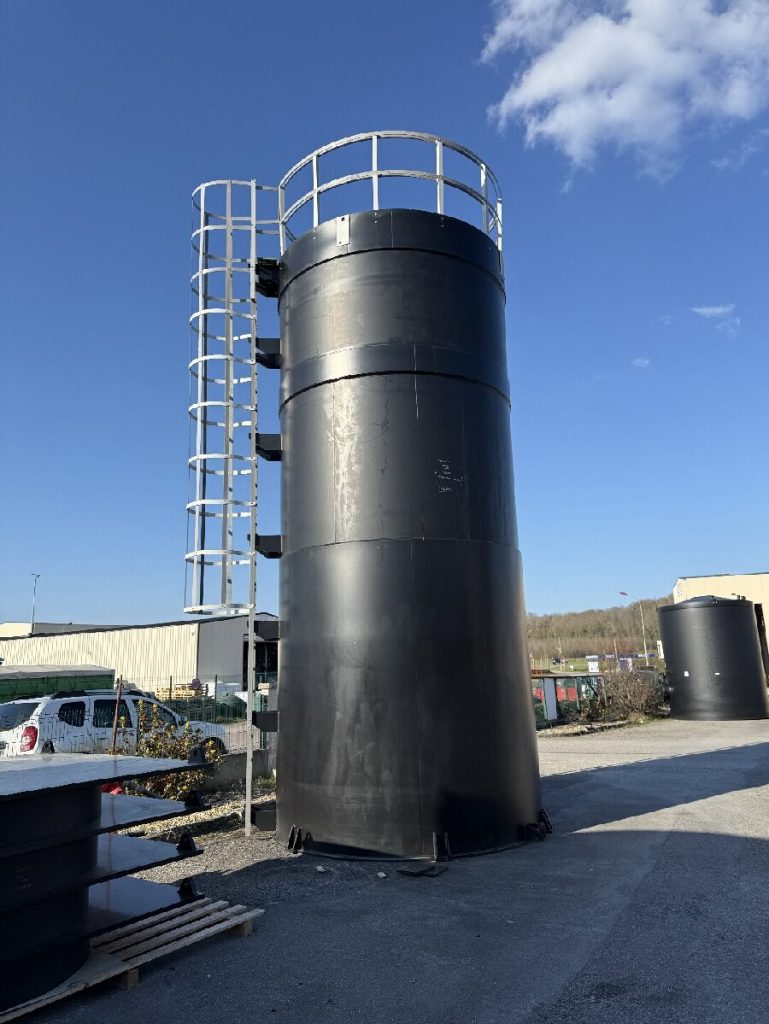
This guide explains how plastic chemical storage tanks are welded, from material choice to a tested, service-ready tank. The decision chain is direct. Chemical compatibility drives material choice. Material drives the welding method. The welding method drives quality and service life.
Welding is the decisive step in the plastic chemical storage tank welding process. Every seam becomes a potential leak path in chemical storage. A sound joint keeps the contents contained. A weak joint shortens the life of any plastic tank. Fabricators therefore treat joint quality as the core of containment safety. Material selection, design, and verification all support that single goal.
Key Takeaways
-
Choose the right plastic material for your chemical storage tank. Match the material to the chemical and temperature.
-
Welding quality is critical. A strong weld prevents leaks and extends tank life.
-
Design the tank properly. Wall thickness and joint locations affect weld strength.
-
Test every tank before use. Visual checks and pressure tests confirm weld quality.
-
Maintain your tank regularly. Inspections and cleaning prevent cracks and failures.
Why Welding Quality Matters
Welding sits at the center of plastic chemical storage tank fabrication. The earlier decision chain ends here: the chosen material sets the welding method, and the method sets the final joint quality. Every panel joint, corner seam, and nozzle connection passes through this stage. The plastic chemical storage tank welding process therefore deserves close attention from the first cut to the final test.
A welded seam is the weakest point in any containment structure. The base sheet carries load as a continuous material. The joint carries the same load through a narrow fused zone. Any void, incomplete fusion, or overheated section creates a leak path. Chemical storage punishes such defects. Aggressive contents find small gaps and widen them over time.
Welding quality also governs service life. A sound joint holds its strength across years of filling, emptying, and temperature change. A marginal joint may pass an initial test and fail later under stress. Fabricators of plastic tanks treat joint integrity as the primary measure of success in chemical storage tank fabrication.
Material Selection
Material choice sets every later step in plastic chemical storage tank fabrication. The stored chemical, its concentration, and the service temperature narrow the field before any welding method enters the discussion.
HDPE, PP, and PVDF Compared
|
Material |
Chemical Resistance |
Typical Service |
|
|---|---|---|---|
|
HDPE |
Limited by temperature for long-term storage |
Resists many common acids, bases, and aqueous solutions; high impact strength at low temperatures |
Ambient storage of common acids and bases |
|
PP |
Good resistance to acids, bases, and many organic solvents |
Hot caustic and heated chemical storage |
|
|
PVDF |
-40°C to 150°C (-40°F to 302°F); melting point 177°C; maximum continuous use 150°C |
Exceptional resistance to halogens and strong oxidizing acids |
Aggressive acids, oxidizers, chlorine and bromine service, high-purity chemicals |
Each option fits a defined service window. HDPE handles ambient duty with common acids and bases. PP moves the same duty into heated service. PVDF covers halogen and strong oxidizer service where chemical resistance and mechanical strength must both hold. Sound chemical storage tank fabrication starts with this match, not with the most expensive sheet on the rack.
Temperature and Chemical Resistance Limits
Concentration changes how aggressive a chemical behaves toward a tank wall. A diluted acid may be harmless to a given plastic. Rising concentration raises chemical activity, accelerates degradation, and increases the risk of permeation through the wall. The material must therefore be rated for the specific concentration, not merely the chemical family.
Temperature drives the same decision. Heat is one of the strongest reasons to move from HDPE to polypropylene, especially for hot caustic and heated storage. Strong oxidizers and concentrated acids may call for PVDF instead. Note the limits of each grade: polypropylene is attacked by strong oxidizing agents and certain concentrated acids, and HDPE is challenged by strong oxidizers, halogens, and aggressive solvents. Verify the chemical, temperature, specific gravity, and code requirements together. That review closes material selection and opens the welding plan for industrial plastic tank fabrication.
Plastic Chemical Storage Tank Fabrication Guide: Design Considerations
This chemical storage tank fabrication guide treats design as the stage that fixes every later weld. Wall thickness, load path, and joint location are decided here. The chemical storage tank fabrication process then executes those decisions.
Wall Thickness and Load Calculations
Wall thickness follows the hoop stress principle. Internal liquid pressure pushes outward on the shell. A tall, small-diameter tank carries higher hoop stress than a wide tank of equal volume, so it needs thicker walls. Bottom pressure equals liquid density times gravity times liquid height. That pressure peaks at the bottom ring, which is why vertical tanks use a stepped profile: thicker in the lower third, thinner near the top.
|
Consideration |
Design Basis |
|---|---|
|
Creep and temperature |
DVS 2205 applies reduction factors for creep, temperature, chemical attack, and weld quality |
|
Thickness verification |
Ultrasonic gauging at defined points, plus hydrostatic and impact testing |
|
Upgrade triggers |
Higher specific gravity, higher temperature, strong oxidizers, or added safety margin |
A PP tank designed at 20°C but operated at 60°C is under-designed. The maximum operating temperature must always reach the manufacturer. External loads also matter: wind, seismic forces, platforms, agitators, and pipe loads. Vacuum risk deserves a check too, since a blocked vent can let atmospheric pressure crush the shell.
Structural Reinforcement and Nozzle Layout
Reinforcement planning belongs in the design phase, not on the shop floor. Stiffeners and supports carry external loads and resist shell deflection. A rectangular tank needs reinforcement along flat panels, where pressure acts without the benefit of curvature. Structural reinforcement planning also covers the cone transition on cone-bottom tanks, which needs thicker sections for load bearing and full drainage.
Nozzle and manway layout constrains welding joint placement. Each penetration creates a fillet weld and a stress concentration. Designers space nozzles away from panel seams and plan reinforcement pads around heavy connections. Pipe and nozzle loads are a common cause of cracks at plastic tank joints, so the layout must account for them early. Modern chemical storage tank fabrication succeeds when these weld locations are fixed before any sheet is cut.
Plastic Chemical Storage Tank Fabrication Process: Step by Step
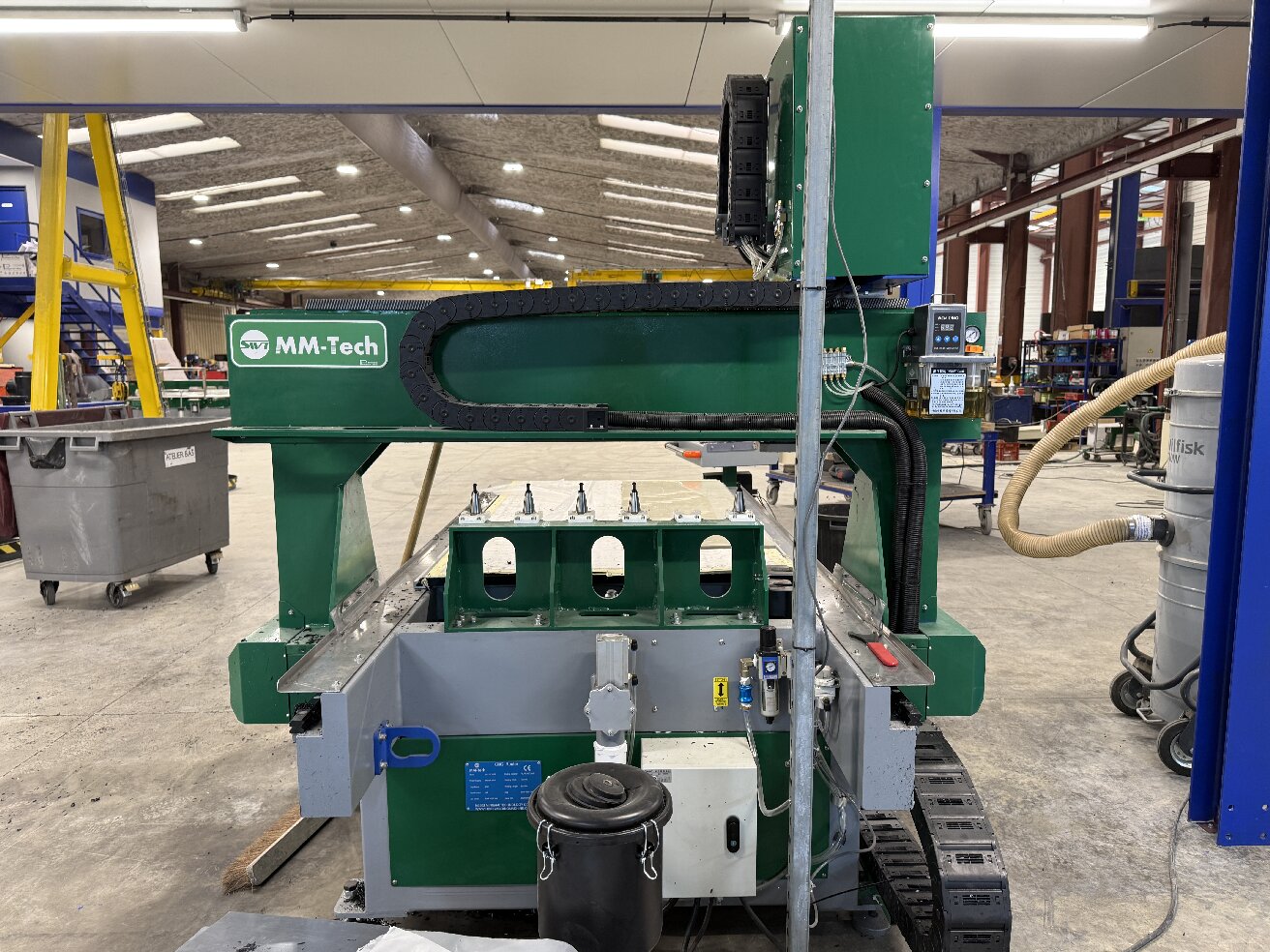
Sheet Cutting, Forming, and Fit-Up
Sheet preparation opens the chemical storage tank fabrication process. Each step below follows the approved drawings.
-
Cut sheets to the required panel, bottom, cover, baffle, and reinforcement dimensions. Inaccurate cutting on long tanks, such as 7 m shells, creates assembly gaps and complicates welding.
-
Prepare weld edges consistently before assembly. Good edge preparation reduces fitting problems and creates suitable conditions for the joint.
-
Machine openings and complex contours to accurate positions, typically with CNC routing.
-
Cut baffles and reinforcement components to drawing dimensions. Incorrect placement affects internal layout and flow management.
-
Assemble the tank body. For cylindrical tanks, plastic sheets are rolled or otherwise formed into curved panels, then joined to form the cylindrical shell. For rectangular tanks, panels are positioned and joined along the specified horizontal seams and 90° corner joints.
-
Fit up baffle plates inside the tank and check alignment before welding. Inspect internal joints before the top cover restricts access.
-
Weld the top cover and fittings last, maintaining alignment and consistent weld quality.
Fit-up tolerances matter throughout. A gap that looks minor at the bench becomes a weak seam under hydrostatic load.
HDPE & PP Tank Welding Process Techniques
The HDPE & PP tank welding process assigns each joint type to a method. Heated tool butt welding for primary seams joins long panel runs and bottom-to-wall connections. The method fuses the full cross-section and generally produces the strongest joint, often equal or superior to the base material. Heater plate stability within ±5°C, consistent fusion pressure, controlled heating time, and a proper cooling phase are the critical parameters.
Extrusion welding covers bottom-to-shell corners, vertical seam strengthening, and nozzle fillets. A filler rod, typically 3 mm or 4 mm, feeds the melt. Output rate, melt temperature, and travel speed stability control quality. The combination of butt welding + extrusion reinforcement suits tanks that face aggressive duty. Hot air welding handles tacking, small seams, and repair. Pipe butt and socket fusion integrate nozzles and piping.
Process temperatures differ by material. HDPE runs at 260–290°C hot air, 220–240°C extrusion melt, and 200–220°C butt fusion heater. PP runs higher at 280–300°C, 240–260°C, and 220–240°C respectively, with a narrower cooling window that demands better fixture stability.
DVS standards, issued by the German Welding Society, set the fabrication benchmark for this work. They guide method selection, temperature and pressure levels, and quality checks such as peel and tensile tests. Fabricators commonly run in-house welder training programs to keep operators aligned with those procedures. This discipline separates reliable plastic chemical storage tank fabrication from assembly that merely looks complete.
Quality Assurance
Weld Inspection and Pressure Testing
Quality assurance begins with a documented inspection plan. The plan defines inspection characteristics, tolerances, and the evidence required, and it is agreed with the customer before production starts. Incoming material and bought-in parts are then checked against specification and dimensions. In-process checks and visual inspection follow during production, and final acceptance closes the loop.
Visual inspection examines every seam for voids, incomplete fusion, and surface defects. Dimensional checks confirm shell geometry, nozzle positions, and joint alignment against the drawings. Weld reinforcement on corners and fillets receives particular attention, since excess or missing reinforcement signals a process problem. DVS standards set the benchmark for these checks, including peel and tensile tests on test welds.
Pressure testing follows inspection. Hydrostatic testing fills the tank with water and holds it under observation, which reveals leaks and confirms structural behavior under load. Pneumatic testing serves where water is impractical. No tank leaves the shop before it passes.
Documentation and Traceability
Records make quality verifiable after the tank ships. Each production weld is tied to its job, with parameters recorded against the applicable welding procedure. The DVS 2207 series defines the process parameters that must be controlled and documented. Batch traceability of sheet, rod, and bought-in parts runs across the whole production process, and results are documented to customer requirements. Regulated industries often make this traceability mandatory.
Controller-based parameter setting supports this discipline. Stored programs let a proven setup for a material and thickness be recalled and repeated exactly. Recorded data also allows later diagnosis of failures from evidence rather than impression. Regular review of weld records spots drift and exceptions, which feeds continuous improvement in plastic chemical storage tank fabrication. Sound chemical storage tank fabrication depends on this loop, and it protects every reinforcement detail planned at the design stage.
Equipment and Methods
Equipment Requirements
A complete equipment set covers the whole workflow, from sheet to tested tank. The SWT-XL5000 Automatic Sheet Saw cuts sheets to the required sizes. The SWT-YF2040 CNC Router machines contours, openings, and programmed features. The SWT-ZW6000 Sheet Bending Welding Machine bends plastic sheet through 0°–95°, which suits rectangular tanks, corners, and formed edges. The SWT-PH6000 Sheet Butt Fusion Welding Machine joins sheets into large panels and handles horizontal, circular welding, and 90° vertical jointing.
The remaining machines close the loop. The EX3 Plus Extrusion Welder runs bottom-to-shell corners, nozzle fillets, and reinforcement joints with matching filler rod. The SWT-NS2000 Hot Air Welder covers tacking, localized joints around nozzles and fittings, and repair welds. The SWT-V315 Pipe Butt Fusion Welding Machine fuses pipes from 90 to 315 mm for filling, discharge, and drainage lines. The ZRJQ-63 Socket Fusion Welding Machine socket-fuses PPR, PE, and PB pipes and fittings from 20 to 63 mm. All units operate in compliance with DVS standards.
Welding Methods Side by Side
Each method fits a defined joint type and thickness range. The table below sets them side by side.
|
Method |
Joint Type |
Thickness Range |
Best Fit |
|---|---|---|---|
|
Butt fusion |
Two prepared faces heated on a plate, then joined under pressure |
Thicker sections |
High-integrity, repeatable seams |
|
Extrusion welding |
Molten material deposited into a preheated seam |
Thicker sheets |
Long structural seams, corners, fillets |
|
Hot air welding |
Heated air softens base and rod, pressed into the joint |
Thin sheet work |
Repairs, detail work, limited access |
Heated tool butt welding suits primary panel seams, where repeatability matters most. Extrusion welding allows larger welds in a single pass and is faster than hot air methods on thick material. Freehand hot air welding is slower, yet versatile for tight spots. Matching the method to the joint keeps the chemical storage tank fabrication process predictable.
Weld Strength and Lifespan
Process Variables That Affect Weld Quality
Joint strength comes from temperature, pressure, timing, and fit-up working together. No single machine setting decides the outcome. Each thermoplastic has a welding window with a lower limit that causes incomplete fusion and an upper limit that degrades the material. Holding plate temperature to about ±5°C keeps the process inside that window and reduces cycle-to-cycle variability.
|
Role in Weld Quality |
Failure if Incorrect |
|
|---|---|---|
|
Heating temperature |
Softens the joint interface so surfaces flow without degrading (e.g., pp at roughly 220–280°C) |
Too low: incomplete fusion. Too high: brittle, discolored joint |
|
Joining pressure |
Presses softened surfaces together so polymer chains diffuse across the interface |
Too little: incomplete contact. Too much: molten material squeezed out |
|
Cooling time under pressure |
Holds joint geometry until the material resolidifies and gains strength |
Insufficient cooling allows movement before strength develops |
|
Contact time |
Ensures heat reaches the interface in thick sections |
Too short: shallow melt layer, partial fusion |
Rod selection and joint preparation complete the picture. A filler rod matched to the base resin protects chemical resistance at corners and fillets. Clean, square edges give the melt a uniform gap to bridge. Thermoplastic welding control depends on uniformity across the seam, especially at the ends, as much as on setpoint accuracy. DVS standards remain the fabrication benchmark for these parameters.
Service Conditions and Maintenance
Chemical exposure and heat drive long-term decline. A resin barrier degrades when the chemistry exceeds its design parameters, and premature liner failure is cited as one of the most common causes. Heat accelerates permeation, and operating above a resin’s heat deflection temperature dramatically shortens service life. AWWA D120-09 caps aboveground FRP service at 180°F (82°C) and underground service at 150°F (66°C).
Maintenance protects the investment. Regular cleaning keeps tanks in good working condition, and inspections catch cracks before failure. Tanks on uneven ground crack more easily, and rigidly attached pipes stress walls that expand when filled. Untreated thermoplastics degrade under UV. Indoor tanks shielded from UV and kept at ambient temperature can last over 30 years. Sound plastic chemical storage tank fabrication and disciplined industrial plastic tank fabrication both depend on this care.
Tank performance rests on a chain of decisions. Correct material selection sets the starting point. Sound design fixes wall thickness and joint locations. Disciplined welding technique then executes the plastic chemical storage tank welding process. Verification confirms the result before release. Each link protects the next, and a weak link limits the whole vessel.
Welding is a system, not a single step. Heating, pressure, and cooling must stay within the window set for the resin. That discipline separates reliable plastic tank fabrication from assembly that only looks complete. The same logic governs industrial plastic tank fabrication at every stage, from sheet cutting to final testing.
Readers should consult DVS standards for their material and thickness, and seek engineering support for specific chemical and temperature requirements. Careful chemical storage tank fabrication and consistent chemical storage tank fabrication both reward this preparation. Proper reinforcement planning and sound reinforcement welds complete the picture for plastic tanks and every plastic tank in chemical service.
FAQ
Which welding method suits primary tank seams?
Butt fusion fits primary seams best. The method heats two prepared faces on a plate and joins them under pressure. It fuses the full cross-section and generally produces the strongest joint. DVS standards set the temperature, pressure, and cooling parameters for each material and thickness.
When should extrusion welding replace hot air welding?
Extrusion welding fits long structural seams, corners, and nozzle fillets on thicker sheet. A filler rod feeds molten material into the preheated joint. Hot air welding remains the better choice for tacking, repairs, and tight access. Matching the method to the joint keeps plastic tank fabrication predictable.
How is a finished chemical storage tank verified before shipment?
Verification follows a documented inspection plan. Operators check every seam visually for voids and incomplete fusion, then confirm dimensions against the drawings. Hydrostatic testing holds the filled tank under observation. Weld records and material batch traceability accompany the unit at release.
What determines the choice between HDPE, PP, and PVDF?
Chemical compatibility and service temperature decide the match. HDPE handles ambient duty with common acids and bases. PP extends the same duty into heated service. PVDF covers halogens and strong oxidizing acids. This match opens every chemical storage tank fabrication project, and plastic tank fabrication planning follows from it.