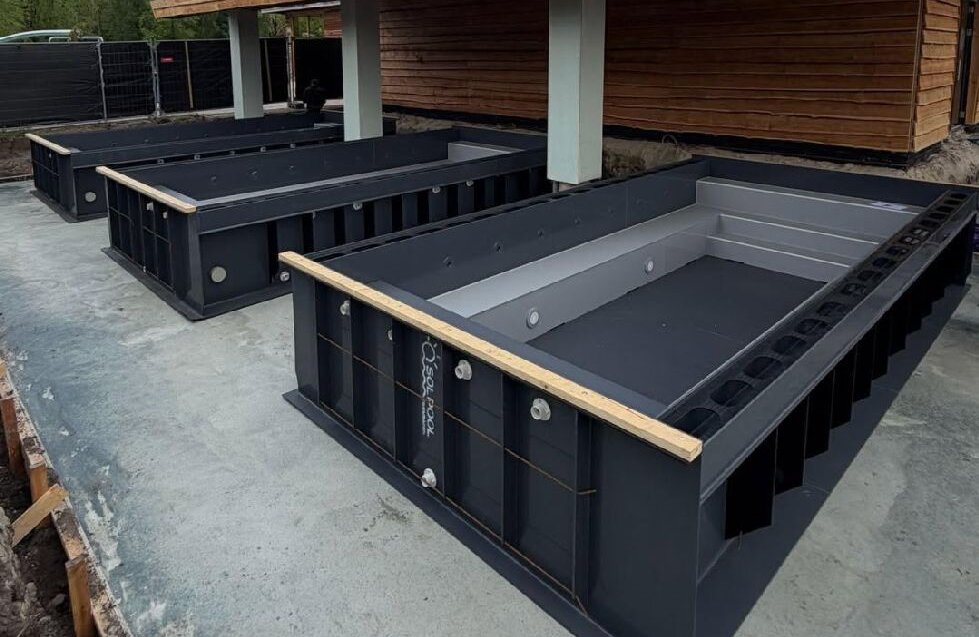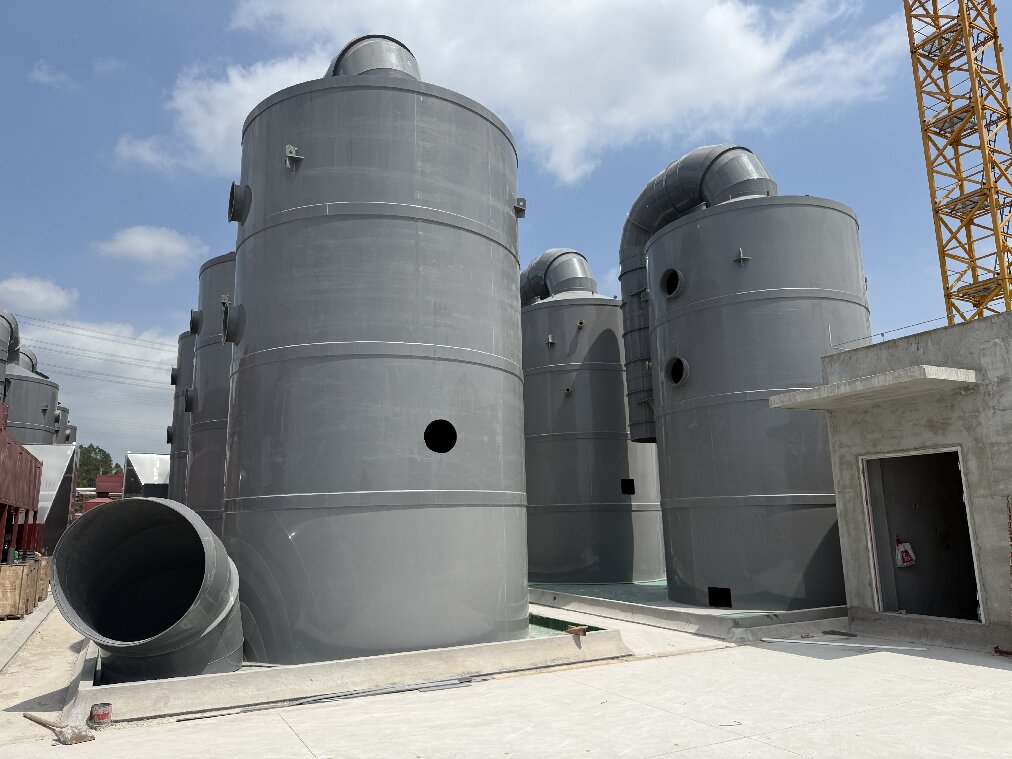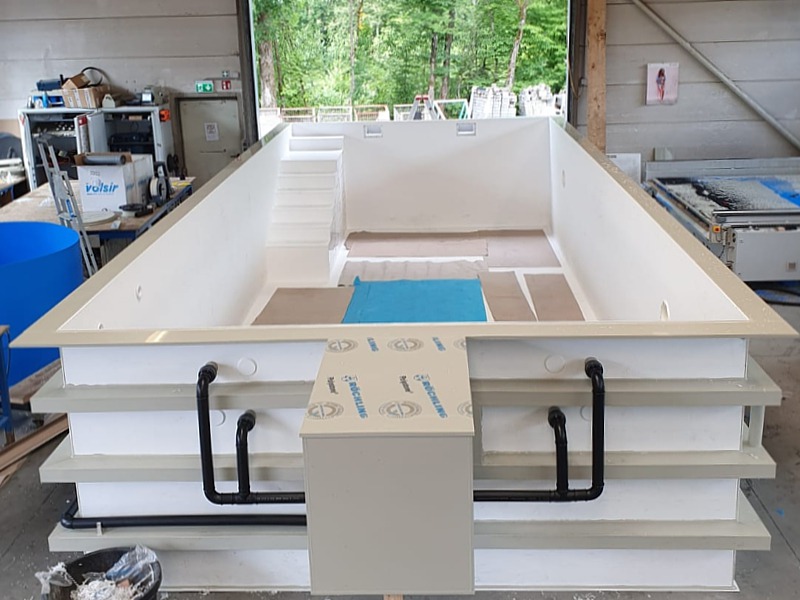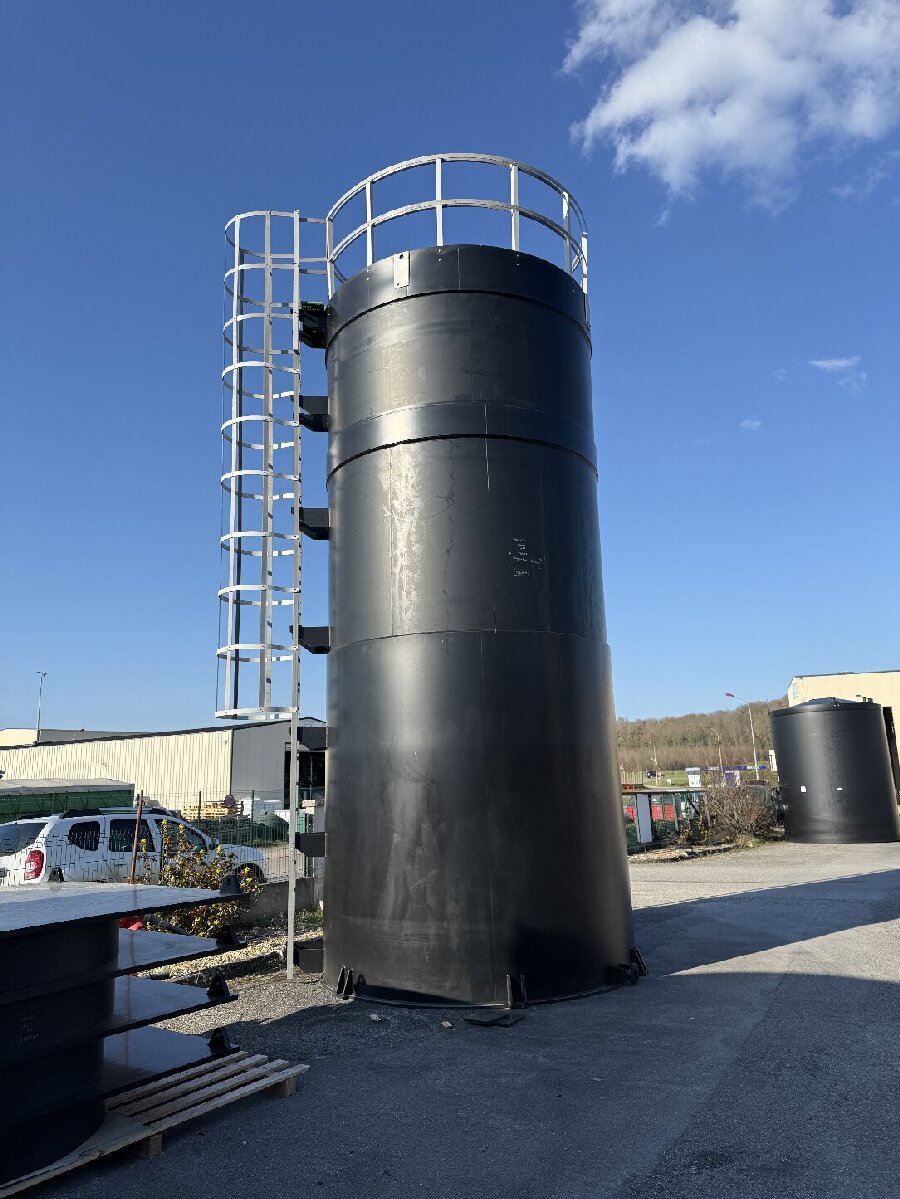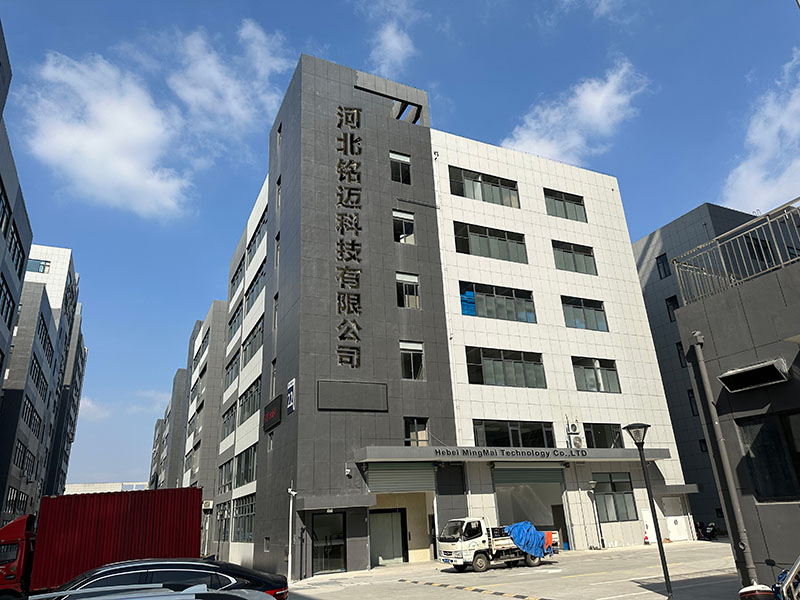
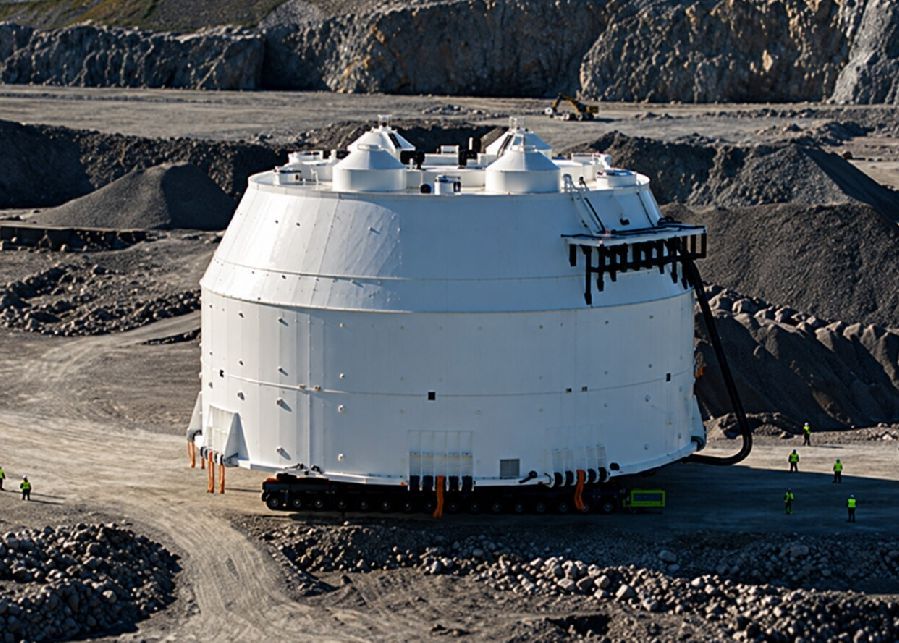
Fabricating an aquaculture tank from PE sheets means choosing the right PE grade and thickness, preparing and cutting sheets, welding watertight seams, and leak-testing before stocking fish. The full aquaculture tank fabrication path runs from material selection through sheet preparation, welding, testing, and design to efficient batch production. This guide serves both single-tank builds and repeatable multi-tank production for farms and fabrication shops. PE and PP stock feed the same workflow, and each stage depends on the one before it. Accurate panel alignment and controlled welding decide whether the finished tank holds water reliably.
Key Takeaways
-
Choose non-toxic PE or PP sheets with the right thickness for your tank design.
-
Cut sheets cleanly and machine precise joints to ensure strong welds.
-
Weld all seams watertight using controlled machine settings and follow standards.
-
Test every tank with a full water-fill leak test before use.
-
Standardize production steps to build multiple tanks consistently and control costs.
Aquaculture Tank Fabrication and Industry Overview
Defining Aquaculture Tank Fabrication
Aquaculture tank fabrication is the manufacture of watertight thermoplastic vessels for farming, holding, and processing fish, shrimp, shellfish, and algae. The product range covers rearing tanks, fish-farm reservoirs, filtration and holding tanks. Shops build these vessels from PE or PP sheet grades with documented suitability for the intended water-contact duty. Panels are cut to size, joined by machine butt welding into leak-free walls and bottoms, then finished with fittings, drain ports, overflow weirs, and baffle panels added by extrusion welding.
Three requirements define good work in this field. The material must be non-toxic, and its specific grade must be validated for the target market, since no single universal fish-safe certification exists for plastics. Every panel seam must be watertight along its full length. Welding must be repeatable and machine-controlled, so a shop produces many tanks of equal quality rather than one good tank and a run of leakers. For fabrication shops, tank manufacturers, and farm operators alike, the weld is the quality benchmark.
Why Fabricated Plastic Tanks Are Preferred
Fabricated plastic tanks fit modern aquaculture for several practical reasons:
-
Poly tanks clean more easily than fiberglass or steel, and chemical resistance protects the material from organic solvents, acids, and bases.
-
Polypropylene is chemically inert and approved for food contact by the FDA under 21 CFR 177.1520. It also contains no PFCs, PFAs, or related compounds.
-
Poly resists moisture and vapors, the leading causes of corrosion, and it is lightweight enough to move and transport.
-
Custom fabrication allows flexible sizing and shapes without molds.
A Global Seafood Alliance trial found that U-shaped plastic tanks cost less to purchase, install, and clean than flat-bottom concrete tanks of similar volume. Recirculating aquaculture systems depend heavily on this material choice, because RAS supports broodstock and fingerling production with strict hygiene demands. Galvanized, PVC-lined, and geomembrane options each serve specific roles; plastic remains a strong fit for large aquaculture tanks where clean water contact and repairable seams matter most.
Raw Material and Sheet Selection
PE Grades and Sheet Thickness
Material choice sets the ceiling on tank life, and it also sets the welding window. Non-toxic HDPE is the default for aquaculture tank fabrication because it holds up in constant water contact and accepts strong welded joints. PP suits tanks that need higher temperature resistance or greater stiffness. Both PE and PP weld reliably with hot air, extrusion, and butt fusion methods, so the grade decision should follow the water chemistry, the cleaning regime, and the expected service life.
Sheet thickness is not a standalone number. It follows the actual tank design: wall height, diameter, support structure, and the length of every joint to be welded. A tall wall with long vertical seams needs more thickness than a shallow trough with short joints, because the weld carries load along its full run. Decide thickness together with the joint layout, then confirm the welding procedure matches that combination. AGRU PE 100-RC sheets are a suitable grade for aquaculture tank fabrication. The grade resists slow crack growth, which matters for tanks under constant hydrostatic load, and it welds consistently with standard PE equipment.
Compliance and Fish-Safety Requirements
Fish safety is a material question before it is a welding question. PE materials are described by plastictanksystem.com as safe for marine life and compliant with food safety standards. The same source notes that breeders must comply with strict standards for animal health and food safety, which is why suppliers provide high-performance plastic solutions for clean, safe, and cost-effective aquafarming. Confirm the specific grade against the target market before cutting any sheet, and keep the mill certificate with the tank records.
Alternative materials each fit specific situations. PVC-coated tarpaulin works well for flexible, lower-cost liners in lined ponds and temporary holding. HDPE geomembrane suits large earthen or concrete basins where a continuous liner is more practical than a rigid wall. Galvanized sheet with a PVC-coated liner fits structural frames that need rigidity, with the liner providing the water-contact surface. Each option has a place; rigid fabricated tanks remain the strong choice where a self-supporting, repairable, watertight vessel is required.
Selection also shapes downstream fabrication. Thick black PE sheets demand more heat input during welding, and thin sheets need lower energy to avoid distortion. Match the welding procedure to the sheet grade and thickness before production begins, and the rest of the build runs predictably.
Sheet Preparation and Processing
Sheet Cutting
Clean edges decide weld quality. A contaminated or ragged edge traps debris and prevents full fusion along the seam. Cutting therefore follows a fixed sequence:
-
Measure and mark panels against the approved tank drawing.
-
Square each panel and trim the edge in one continuous pass.
-
Remove chips and dust from the cut face.
-
Inspect the edge for cracks, scorch marks, or steps before welding.
The SWT-XL5000 Automatic Sheet Saw handles straight cuts on full-size panels with a guided feed. Consistent feed speed produces a square, uniform edge on every sheet, which matters when long seams must align for machine butt welding. Store cut panels flat and protected, because a bent edge will not close cleanly during welding.
Sheet Machining
Joint configuration starts with the tank design. Material grade, sheet thickness, and joint length together determine whether a seam runs as a simple butt, a bent lip, or a reinforced overlap. Long vertical seams on a tall wall call for a joint profile that carries load evenly. Short joints on a shallow trough allow a simpler preparation. Confirm the joint layout before any machining begins, then cut the matching profile.
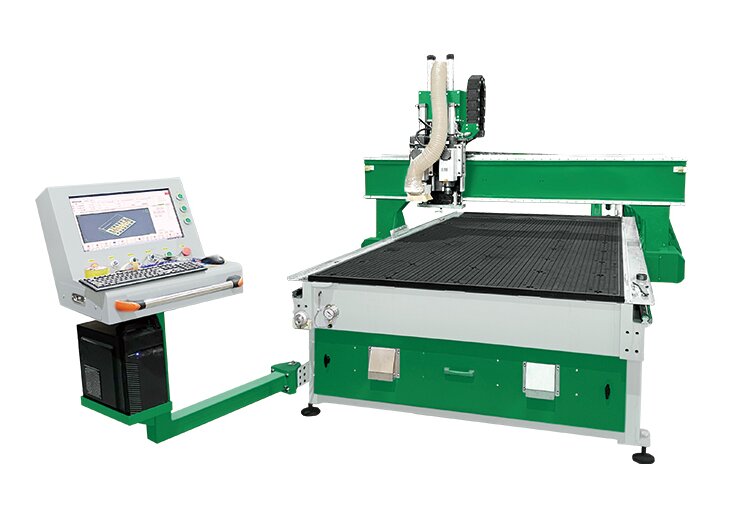
The SWT-YF2040 CNC Router machines precise profiles, cutouts, and fitting openings on PE and PP sheets. Programmed tool paths repeat exactly across panels, so every tank in a batch receives identical preparation. Accurate machining supports watertight fabrication later, because weld gaps stay within the range the welding procedure expects. Reference the tank design, the sheet grade, and the joint length at this stage, and the downstream welding steps run with fewer corrections.
Tank Fabrication and Watertight Welding Solutions
Watertight Weld Requirements and Testing
A watertight weld must be fully fused across the entire seam. A butt weld that is strong in the middle and weak at the ends will weep under sustained head. Uniform heating and uniform clamp pressure across the whole panel prevent this. Even, aligned joint faces matter too, because misalignment creates a stepped or thinned weld that reduces the load-bearing section and can hide a channel. Controlled heating, changeover, and cooling time complete the picture. Watertight fusion depends on the correct temperature, pressure stages, and times for the material and thickness, executed the same way on every seam. Slow cooling prevents voids and shrinkage cracks in thick sheet. Drain ports, overflow weirs, and penetrations are added by extrusion welding, which needs the same care as the panel seams.
Verification is layered, not a single test. The table below summarizes the checks used in aquaculture tank fabrication.
|
Test / check |
What it verifies |
Typical use |
|---|---|---|
|
Visual inspection of every weld |
Bead form, symmetry, alignment, and surface defects against the DVS 2202 series |
Routine, on every main seam and detail joint |
|
Water-fill leak test |
Watertightness of the complete vessel under service-like hydrostatic head |
Final acceptance test, following DVS 2206-2 for unpressurized thermoplastic tanks where applicable |
|
Destructive sample testing |
Actual fusion quality, such as tensile testing per the DVS 2203 series |
Periodic coupons or test welds |
|
Parameter and process records |
That each seam was welded to its documented procedure |
Recorded for main seams and filed with the tank order |
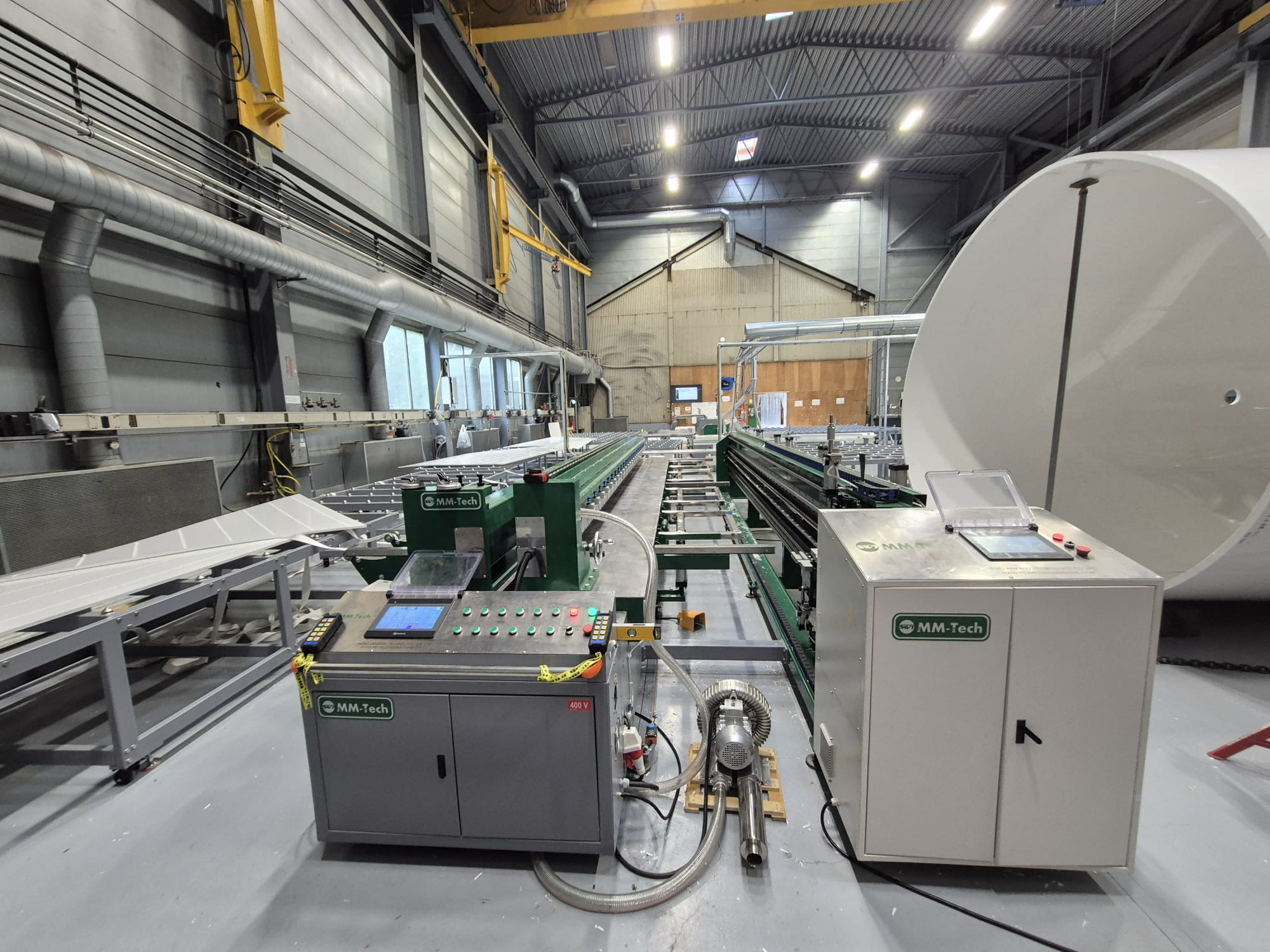
The plastic sheet butt welding process relies on machine control for repeatable results. The SWT-PH6000 Sheet Butt Welding Machine handles large-panel butt fusion and cylindrical fabrication with an automatic sheet rolling device. The SWT-ZW6000 Sheet Bending Welding Machine bends and forms angled sheet components. The SWT-NS610A Extrusion Welder joins tank wall-to-bottom joints, reinforcement seams, and structural connections. The SWT-NS1600S Hot Air Welder covers local hot-air welding and auxiliary assembly. Pipe connection uses the SWT-V630/315H Pipe Butt Fusion Welding Machine, while the SWT-C800 Band Saw and SWT-MA800 CNC Fitting Fabrication Welding Machine cut pipe sections and fabricate elbows, tees, crosses, and wyes.
Batch Production for Multiple Tanks
Repeatable batches turn one good tank into a production run. Standardize the joint layout, welding parameters, and inspection records for each tank size, then repeat them across the batch. Both PE or PP sheet stock feed the same workflow, and PE and PP sheets can both become water tanks through plastic welding techniques, with integrated fixing points, sight gauges, and drain/fill fittings. The SWT-XL5000 Automatic Sheet Saw and SWT-YF2040 CNC Router keep panel preparation identical from tank to tank. Consistent preparation supports consistent weld integrity, and consistent weld integrity supports full-perimeter watertightness on every unit.
Inspection, Design, and MM-Tech Equipment Solutions
Application Value of Fabricated Plastic Tanks
Finished-tank inspection closes the build. Inspectors check every seam against the watertight weld requirements set at the design stage, review the welding records, and confirm the water-fill test result before release. Pureflow Bio notes that pp tanks are welded, chemically inert, food-safe, and easy to modify on site. That combination gives fabricated plastic tanks clear value across hatcheries, RAS facilities, and fingerling production, where defined working volumes and separate operating protocols matter.
Aquaculture-Specific Design Considerations
Aquaculture-specific design considerations start with geometry. A circular tank sets up a gyre, and that rotational flow sweeps solids toward a center drain, according to BTL Liners. Rastech Magazine reports that diameter-to-depth ratios of 4:1 to 6:1 are recommended for good self-cleaning and mixing. Rotational velocity stays species-specific, and inlet jet orientation tunes the current. These choices shape the sheet layout, the joint runs, and the drain positions before any cutting begins.
Efficient Multi-Tank Output and Cost Control
The SWT-PH6000 Sheet Butt Welding Machine suits shops that need steady output across a batch. A production scenario makes the case: one shop standardizes panel preparation, welding parameters, and inspection records for a single tank size, then repeats that sequence across a full order of rearing tanks. Every unit leaves with the same watertight seams and the same documentation.
Cost-effective strategies follow the same logic. Standardize tank sizes, keep PE sheet stock to a few thicknesses, and batch the welding work. Large aquaculture tanks benefit most from this discipline, because long seams reward repeatable machine settings. Build the next aquaculture project with MM-Tech, and pair proven fabrication practice with equipment built for consistent, watertight results.
A reliable tank build follows a fixed path. Select the correct PE grade and thickness for the design, prepare clean sheet edges, complete watertight welding, run a full leak test, and finish with fish-focused design details. Consistency and cost control come from repeatable batch processes and suitable equipment from the MM-Tech lineup. Demand for farmed seafood keeps rising, and well-built PE and PP tanks will stay central to that growth. Manufacturers planning a tank build can contact MM-Tech to match equipment to their aquaculture tank fabrication requirements.
FAQ
Which material suits an aquaculture tank build?
Non-toxic HDPE is the standard choice for constant water contact. PP suits higher-temperature duty or greater stiffness. Both weld reliably with hot air, extrusion, and butt fusion. Confirm the grade against the target market before cutting any sheet.
What welding standard applies to PE tank seam testing?
The DVS 2202 series covers visual assessment of every weld. The DVS 2203 series governs destructive testing of fusion quality. The DVS 2206-2 standard applies to water-fill leak testing of unpressurized thermoplastic tanks. Document each seam against its procedure and file the records with the order.
How is a finished tank checked for leaks?
Inspection is layered. Visual checks confirm bead form and alignment on every seam. A full water-fill test verifies watertightness under service-like head. Periodic destructive coupons confirm actual fusion quality. Parameter records prove each seam followed its documented procedure.
Can one shop produce multiple tanks consistently?
Yes. Standardize the joint layout, welding parameters, and inspection records for each tank size. Repeat that sequence across the batch. Identical panel preparation supports consistent weld integrity, and consistent weld integrity supports full-perimeter watertightness on every unit.
Why does circular geometry matter for plastic tanks?
A circular tank sets up a gyre that sweeps solids toward a center drain. Diameter-to-depth ratios of 4:1 to 6:1 support self-cleaning and mixing. Rotational velocity stays species-specific. These choices shape the sheet layout, joint runs, and drain positions before cutting begins.