Standard butt welding pushes hot heating plates right against the ends of plastic pipes. This direct touching creates tiny dust particles and ruins the clean plastic inside high-purity pipes. You can easily stop these problems by using modern non-contact infrared fusion instead. The IR-110 infrared welding machine offers an exact 20–110 mm option made for strict microelectronics cleanroom rules. Its heat-sending system works within a wide 180–600°C temperature range. Radiant heat warms up the plastic without any actual touching from the heater part. You can safely construct semiconductor high-purity water pipelines, chemical lines, biopharmaceutical networks, and medical laboratory fluid systems. Every single pipe joint reaches steady strength while keeping top cleanliness during the whole process.
Key Takeaways
Special heating elements warm the plastic pipes without touching them, which stops dirty dust from spreading in clean areas.
The IR-110 machine safely connects common pure plastics such as PVDF, PFA, PP, and PE.
Automatic digital controls load proven settings and maintain accurate heat levels on their own.
A built-in printer creates quick receipts to prove great quality during project reviews.
Non-Contact Fusion Principles for the Infrared Welding Machine
Radiant Heating Mechanics
You can easily build strong plastic joints without touching the pipe ends directly to hot metals. An infrared welding machine relies on non-contact thermal radiation to send electromagnetic heat straight into the thermoplastic material. Inside the pipe, this absorbed energy quickly changes into warm heat that softens the outer surface. The plastic takes in heat quickly without needing any physical force during the warming phase.
This non-contact welding process relies on targeted heat emission to prep the pipe ends. You can adjust the thermal output through precise temperature control from 180°C to 600°C. Lower heat levels keep delicate plastic materials safe from sudden damage. Higher settings handle heavy-duty engineering plastics with great ease. The system manages the energy flow so the plastic softens evenly over the whole surface.
Reducing Contamination Risk Through Non-Contact Heating
Standard hot-plate tools must touch plastic pipe faces directly while heating them up. That contact causes melted plastic to stick onto the hot metal heater plates. Sticking causes burning, damaged plastic, and unwanted dust inside sensitive cleanrooms. You can stop these waste problems simply by keeping the heater plate away from the pipe end. Warmth moves across the open air space using pure electromagnetic energy.
This non-contact approach prevents physical wear on the heating elements. You avoid tool scrapings and microscopic dust inside your high-purity fluid lines. Eliminating direct contact prevents resin sticking entirely. The process leaves no chemical residue on the plastic end faces.
Factor | Non-Contact IR Welding | Contact Heating Plates |
|---|---|---|
Heating Method | Radiant energy across an air gap | Direct plate contact against pipe face |
Contamination Risk | Zero particulate shedding from tool surface | High risk of resin buildup and particle generation |
Heat Distribution | Uniform radiation across joint face | Risk of uneven surface drag and hot spots |
You protect ultrapure water loops from micro-particles and chemical contamination. The controlled thermal absorption delivers smooth, clean welds every single time. Operators achieve repeatable joints without risking plastic burn marks or cleanroom air quality.
High-Purity Materials and Flexible Joint ConfigurationsFusion Across Advanced Thermoplastics
You can make strong joints using top high-purity plastic materials. Computer chip factories use plastics like PVDF, PFA, PP, and PE for clean fluid pipes. Pure PVDF keeps metal pollution below one part per billion. This purity protects liquid inside semiconductor high-purity water pipelines. PVDF resists hot acids such as hydrofluoric acid and sulfuric acid during everyday use. Pure PVDF also meets SEMI F57 rules for moving liquids.
Material | Long-Term Temperature Resistance | Hydrofluoric Acid Resistance | Concentrated Sulfuric Acid Resistance |
|---|---|---|---|
PVDF | 120°C | Yes | No |
PFA | 260°C | Yes | Yes |
PP-R | 95°C | No | No |
UHMWPE | 80°C | No | No |
PFA takes high heat up to 260°C and resists strong sulfuric acid. Super-smooth inner walls on PFA parts stop tiny bits from sticking inside your pipe line. You can pick PP-R or PE plastics for cheaper lines that do not carry harsh chemicals. Infrared heat melts these plastics evenly without touch heating. This step stops chemical dirt while building strong pipe systems.
Pipe-to-Pipe, Pipe-to-Fitting, and Fitting-to-Fitting Welding
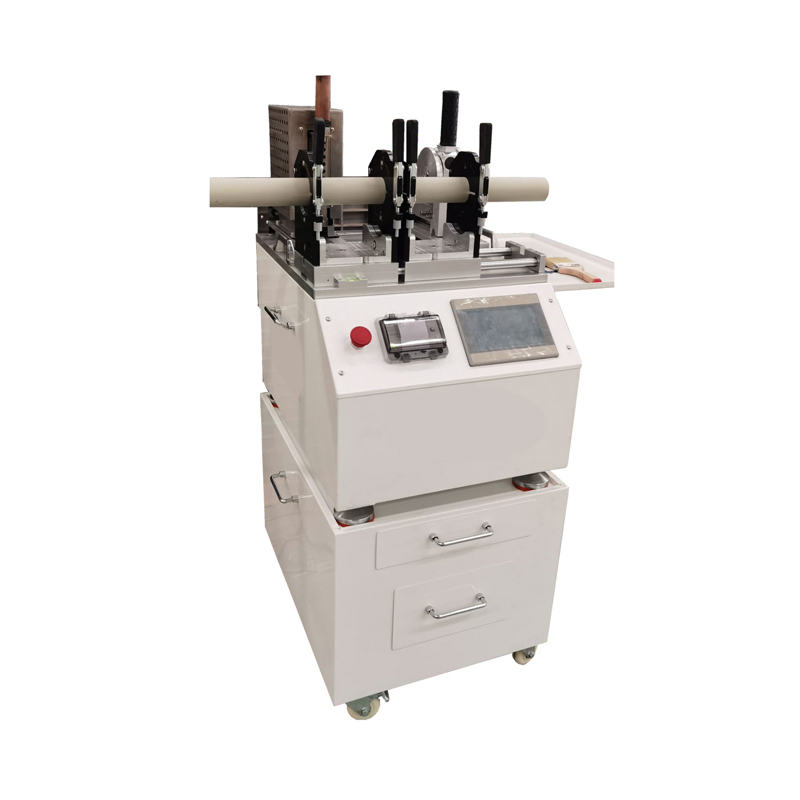
The IR-110 welding tool links straight pipes and complex parts with ease. You can build exact pipe-to-pipe, pipe-to-fitting, and fitting-to-fitting connections. Controlled heat radiation warms both matching ends evenly before squeezing. This method makes clean joints without leaving rough drags or extra plastic waste. You keep exact part alignment across every joint on big construction jobs.
Line up straight pipe to straight pipe
Join a pipe to a molded fitting
Attach a fitting to a fitting for tight spaces
This tool works on outer pipe sizes from 20 mm up to 110 mm (1″ to 4″ IPS). Workers swap magnetic inner grips fast for sizes from 20 mm to 90 mm. You can add extra inch-sized inner grips for inch-based projects. Tight clamping holds parts still during the melting step. This strong grip makes solid joints inside high-purity water lines every time.
Automated System Controls and Machine Architecture
Standard and Custom Parameter Management
You can control your fusion process using the digital touch interface on the IR-110 unit. The system software stores verified welding recipes for common high-purity materials. You simply select standard settings for your plastic pipe size and wall thickness.
Preset parameters load correct temperatures and timing automatically.
Custom input modes allow you to enter unique settings for specific pipe brands.
Continuous heater adjustments keep heating levels steady without thermal shocks.
This automatic control delivers repeatable parameter execution across hundreds of identical pipe joints. You avoid manual setup errors because the system saves your qualified settings for future work. The flexible interface easily adapts to new project rules or specialized piping materials.
Hardware Execution and Traceability Printing
The control system runs your chosen welding recipe with total precision. Internal sensors deliver real-time monitoring of heating plate temperatures across the entire 180°C to 600°C range. The software adjusts radiant heat transfer instantly to protect your plastic pipe from overheating.
Process Element | Control Function | Quality Outcome |
|---|---|---|
Thermal Control | Real-time monitoring of heater plate output | Protects resin from thermal degradation |
Join Execution | Real-time monitoring of process timing | Guarantees consistent fusion strength |
Documentation | Instant parameter printing after fusion | Supplies complete audit traceability |
An integrated printer outputs a physical record immediately after each weld finishes. This receipt logs essential data including heating times, temperatures, welder identifiers, and job numbers.
Recorded parameter printouts provide documented proof that your fusion work meets strict SEMI F57 cleanliness and ISO 9001 quality audit standards.
You can attach these printed records directly to your project quality control files. Third-party inspectors inspect these records to verify proper procedure execution on your semiconductor ultrapure water lines. This simple step gives site managers total confidence during final system acceptance testing. Using an advanced infrared welding machine ensures your high-purity fluid network stays completely clean and compliant.
System Technical Specifications and Practical Operation
Clamp Mechanics and Manual Tool Drives
You can run this infrared welding tool with full control using simple parts. The unit uses standard 220 VAC electricity at 50/60 Hz. It draws up to 2050 W of power. That power splits into 1200 W for the heater and 850 W for the trimming blade. The tough body weighs 80 kg. It has an IP65 rating to keep out water and dust in busy work areas.
Component | Technical Specification | Operational Purpose |
|---|---|---|
Power Supply | 220 VAC (50/60 Hz) | Drives internal control systems |
Max Power Consumption | 2050 W (1200 W Heater / 850 W Cutter) | Supplies energy for heating and milling |
Unit Weight | 80 kg | Provides frame stability during operation |
Protection Rating | IP65 | Shield components from dust and water |
Fast-locking clamps help you lock plastic pipes into place quickly. The base frame holds large 110 mm pipes. You can swap magnetic inserts in seconds to fit 20 mm through 90 mm pipes. Workers turn hand cranks to move the trimming cutter when smoothing pipe ends. You also slide the heater element in and out by hand. This manual setup gives clear feel while staying simpler than complex CNC machines.
Semiconductor UPW Project Case Model
You can build clean PVDF water pipes in computer chip factories quickly and smoothly. First, place the pipe into the magnetic clamp and lock it tight. Use the hand tool to trim the plastic ends smooth. Next, the heater warms the pipe ends across an open air gap. Live controls check the temperature so the plastic melts evenly without any metal touching it. This contactless heating keeps bad dust out of your clean fluid pipes.
Pull back the heater plate and press the pipe ends together to form a tight seal. Built-in sensors track your heating times so every weld turns out strong. Print a job summary right away to prove your work meets build codes.
Third-party inspectors review your printed weld maps and material certifications to verify compliance with ASME B31.3 process piping standards.
Using this advanced infrared welding machine helps your job pass cleanroom tests easily while building pure water lines fast.
The IR-110 infrared welding machine offers clean heat joining for pure plastic pipes. You can run standard or custom setting plans with total ease. Quick magnetic clamps help speed up your assembly work. The built-in printer makes instant audit papers for clean water lines. This modern tool makes clean welds and strong joints while cutting down repair work over long jobs.
Service Aspect | Coverage Guarantee |
|---|---|
Warranty Period | 2 years (covers operating, pressure, and heating systems) |
Spare Parts Supply | Guaranteed for at least 10 years |
You gain long-term operational confidence. Contact MM-Tech today for complete equipment details, custom clamp choices, and expert support.
FAQ
How does the IR-110 eliminate contamination during thermoplastic welding?
This machine uses warm radiant energy to soften pipe tips without touching any metal plates. By avoiding direct contact, you stop melted plastic from sticking, burning, or creating unwanted dust inside your clean piping. This clean heating method keeps harmful tiny particles out of ultrapure water lines used in microchip factories.
Which thermoplastic materials can you join with the IR-110 machine?
You can easily fuse top industrial plastics such as PVDF, PFA, PP, and PE. The system manages internal heater levels from 180°C up to 600°C for safe melting. Users make strong, neat pipe joints on plastic sizes between 20 mm and 110 mm.
How do you record welding parameters for quality control audits?
A built-in printer creates a paper receipt right after your joint cools down. This ticket gives written proof of exact warming times and heat levels for inspection records. Internal monitoring tools track temperature shifts live to help you meet strict job standards.
What is the difference between the IR-110 and the IR-110 CNC?
The standard IR-110 relies on digital program settings while you move the trimmer and heater plate by hand. Operators slide the prep tools into position manually before fusing the plastic. Upgrading to the IR-110 CNC gives you a fully automated motor system that shifts the heater plate by itself.