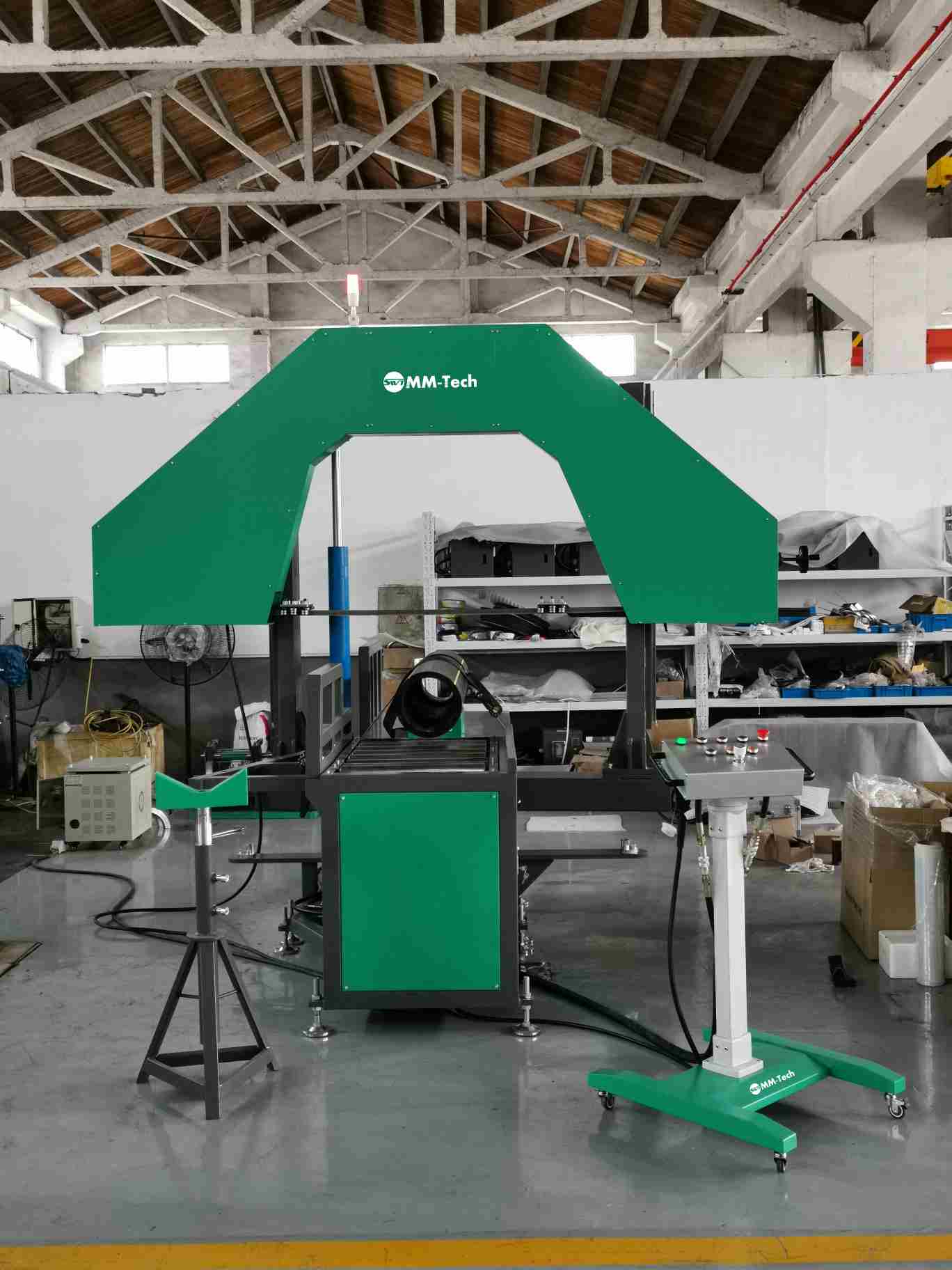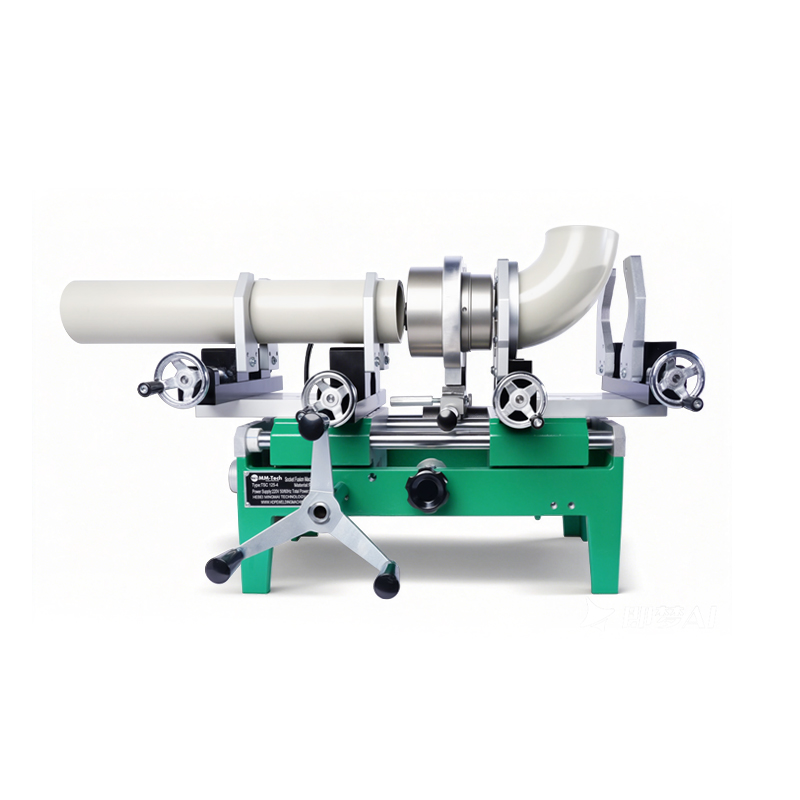
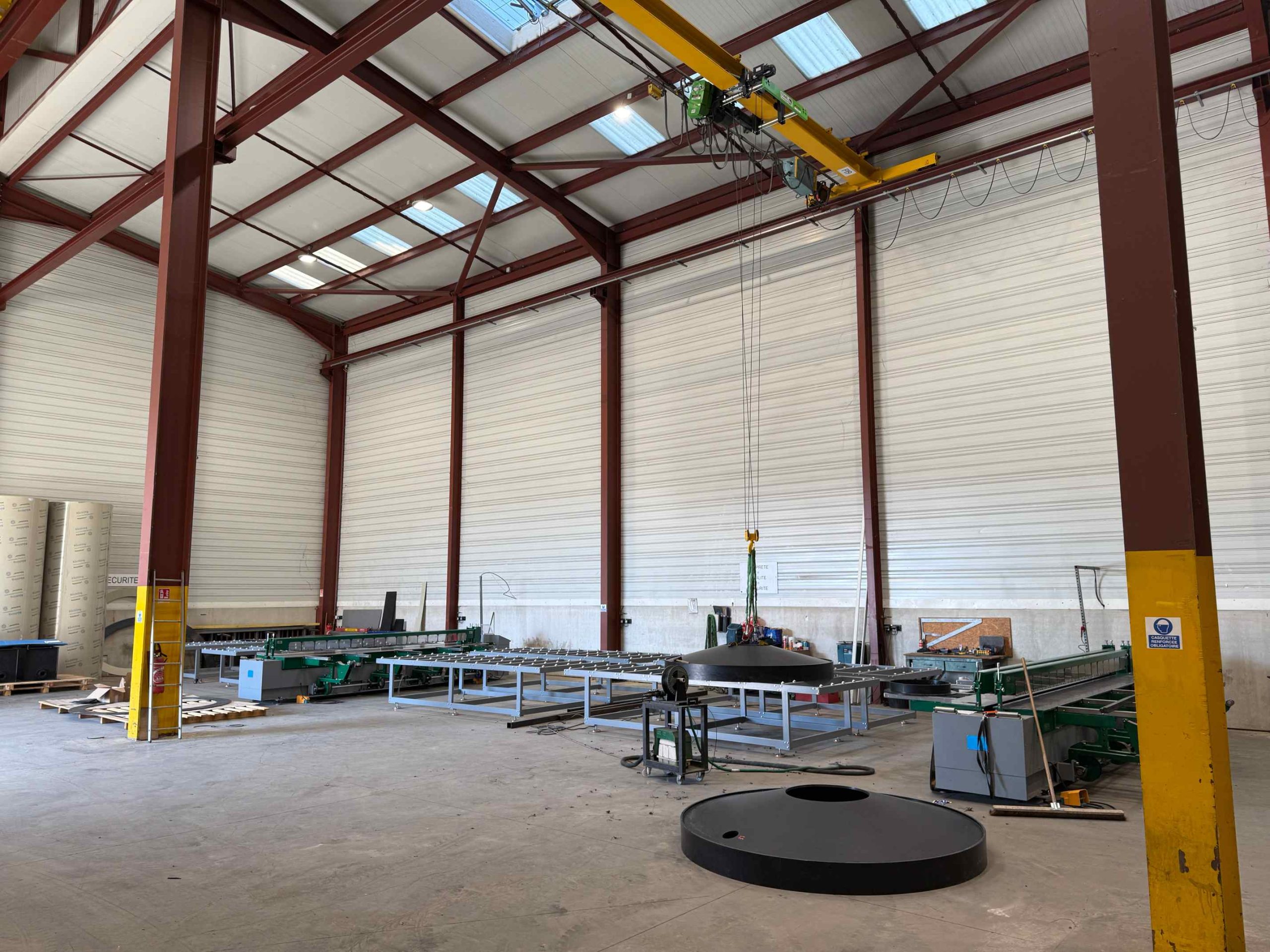
Making chemical storage tanks from polypropylene sheets is very difficult. Manual welding of 3–15 mm PP sheets often fails to keep quality, speed, or safety steady. Plastic Sheet Butt Fusion Welding, circular welding, and 90° vertical welding each need great care. So plastic tank making requires automation. A line of Plastic Sheet Butt Fusion Welding machines improves efficiency and output, helping large polypropylene tanks meet European standards.
Key Takeaways
Automated butt fusion welding makes strong, leak-proof joints for chemical tanks.
Two welding machines share the job and increase how fast and how well we produce.
PLC controls make sure every weld meets tough European rules like DVS 2207.
Why Automate PP Tank Fabrication with Plastic Sheet Butt Fusion Welding?
Making a polypropylene tank by hand with extrusion welding gives uneven results. Operator tiredness often changes weld quality. Plastic sheet butt fusion welding fixes these problems. This method makes molecular bonds between sheets. Leak-proof joints match the base material strength. For a storage tank holding harsh fluids, reliability matters. Butt fusion welding removes filler rod issues. Automation controls every setting exactly.
Standard PP sheet sizes limit how much they can cover. Large polypropylene tanks need many sheets joined together. One plastic sheet welding machine may not cover all work for large chemical storage tanks well. It is suggested using sheet butt fusion welding machines set up as a line. These machines handle different joint types. This split improves workflow efficiency and cuts cycle time.
Advantages of Butt Fusion for HDPE and PP
PP and HDPE resist corrosion from many chemicals. These traits make them perfect for polypropylene storage tanks. The fusion method must keep this toughness. Extrusion welding adds separate filler material. That can create weak points. Butt fusion welding avoids this. The fusion makes a bond as strong as the sheet. For leak-proof and strong tanks, this method is a must. Quality and durability benefits come directly from the fusion process. Plastic tank making with sheet butt fusion welding machines gives consistent results.
Meeting European Standards: DVS
European standards set strict rules for polypropylene tanks. European inspectors want documented proof of welding quality for chemical storage tanks. Hand welding struggles to meet these demands. Automation solves this problem. Programmable plastic sheet butt fusion welding machines store exact settings. The system controls heating temperature, melt pressure, and cooling time. Every weld follows the same pattern. This repeatable process guarantees welding compliance. Auditors get clear proof of quality. Production can grow with better efficiency.
The Two-Machine Automated Welding Line Explained
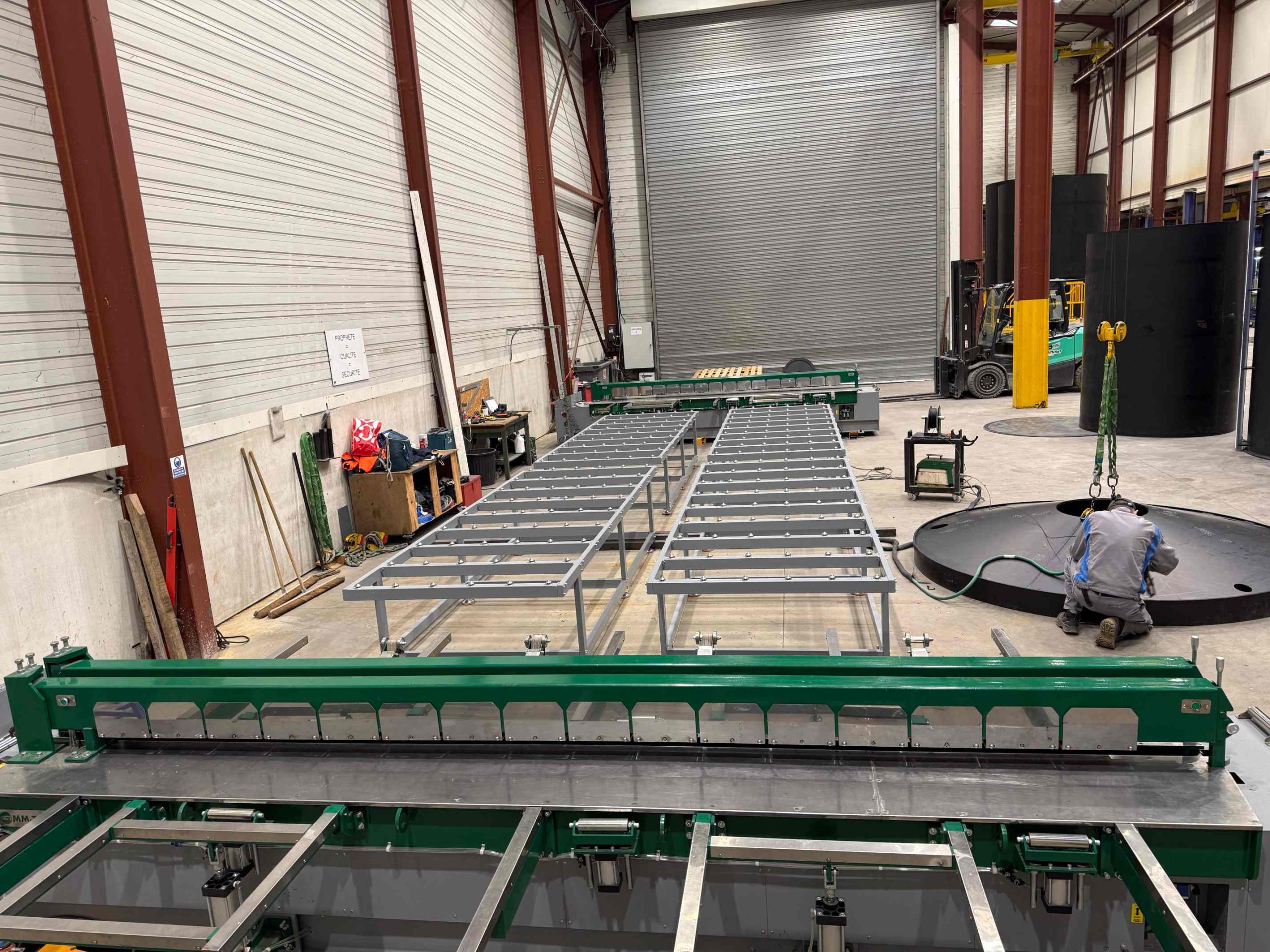
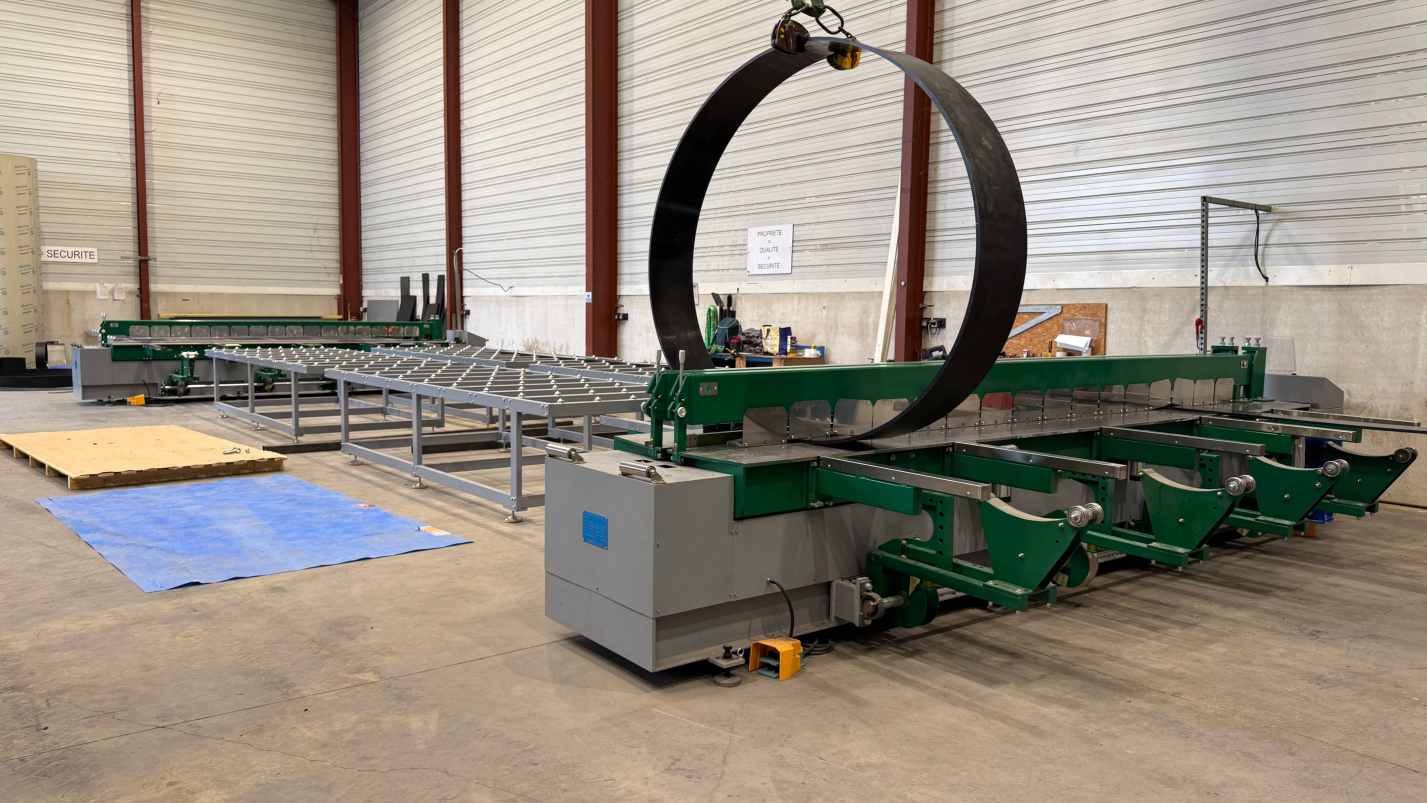
One plastic sheet welding machine can’t handle every seam on a big tank. Longitudinal seams go straight along the sheet. Circular seams connect the shell to the bottom and top. A line of machines fixes this problem. Machine 1 does sheet butt fusion welding for flat panels. Machine 2 does circular welding and 90° vertical welding. This split keeps both machines working and cuts idle time.
Welding Function | Machine 1 | Machine 2 |
|---|---|---|
Sheet butt fusion | Yes | No |
Circular welding | No | Yes |
90° vertical welding | No | Yes |
Example: Fabricating a Ø2,000 mm PP Tank
Think about a polypropylene tank made from sheets. The workflow goes like this:
Operators load PP sheets onto Machine 1 for butt fusion into bigger panels.
Machine 1 joins sheets into long sections for the tank shell.
Workers roll the fused panels into a cylinder.
Machine 2 does circular welding to attach the bottom and top.
Machine 2 finishes 90° vertical welding where it’s needed.
This setup saves hours compared to doing it by hand. The automation in welding keeps every seam the same. For chemical storage tanks, that sameness protects against leaks.
How PLC-Controlled Automation Works
PLC controls run both sheet butt fusion welding machines. The operator types in the sheet thickness and material type. Then the system sets heating temperature, melt pressure, and cooling time. Every weld follows the same recipe. This accuracy gives strong, leak-proof joints on every tank.
Automation in welding takes operator tiredness out of the picture. The PLC logs each weld for audit compliance. Factories can also add automated ultrasonic inspection after welding. This step checks for flaws inside without cutting the tank. PLC control plus ultrasonic testing gives full quality assurance.
A line of sheet butt fusion welding machines working together boost efficiency across the shop. The setup handles polypropylene tanks and HDPE tanks just as easily. For fabricators looking for advanced welding technology, this line is a complete solution. The automation also helps with growth. A shop can add more tanks to its schedule without adding welders.
Improving Efficiency and Selecting the Right Plastic Sheet Welding Machine
Boosting Production Efficiency with Automation
An automated line changes how much it costs to make tanks. Automation cuts out wait time between welding steps. One machine handles plastic sheet butt fusion welding for flat panels. Another machine takes over circular and 90° vertical welding. This split keeps both machines working. Shops get better production speed and lower labor costs. One operator can run both machines through PLC controls. Skilled welders become supervisors, not manual workers. The line can also grow easily. A shop can add more tanks without hiring more welders. For chemical tanks, this growth protects profit margins. The gains in speed and output add up each shift.
Key Features to Look for in a Welding Machine
Buyers should pick a machine that fits the job. The SWT-PH1500 is a good example. It welds PE, PP, PVDF, PVC, and ABS sheets. For PE, PP, and PVDF, the thickness can be 3 to 15 mm. It can weld up to 1500 mm wide. The unit runs on 230 V at 50/60 Hz and draws 3 kW. It needs compressed air at 4–8 bar. The maximum heating temperature hits 260 °C.
Specification | Value |
|---|---|
Model | SWT-PH 1500 |
Maximum Welding Width | 1500 mm |
Maximum Welding Thickness | 15 mm |
Applicable Materials | PE, PP, PVDF, PVC, ABS etc. |
Thickness Range for PE / PP / PVDF | 3–15 mm |
Power Supply | 230 V, 50/60 Hz |
Power Consumption | 3 kW |
Compressed Air Connection | 4–8 bar |
Max. Heating Temperature | 260 °C |
CNC precision makes a good machine better than an average one. A CNC-guided plastic sheet welding machine keeps the torch path steady. Every weld gets the same heat and pressure. This consistency improves welding quality for every tank. Shops that weld polypropylene tanks and HDPE tanks need this repeatability. Advanced welding technology also works for PVDF for special chemical jobs. The right plastic sheet welding machine gives strong, high-quality welds on every seam. Sheet butt fusion welding machines working together give the best results. These solutions work well for polypropylene and PP tanks.
Sheet butt fusion welding machines improve quality and speed. Automation simplifies following applicable standards. These machines weld polypropylene (PP) tanks and chemical storage tanks. Sheet butt fusion welding machines save time on welding. Automated tank welding boosts efficiency, output, durability, and safety. Welding solutions for tanks are worth the investment.
FAQ
Why do fabricators need two sheet butt fusion welding machines instead of one?
One machine can’t handle every seam on big tanks. Two sheet butt fusion welding machines split the work. Machine 1 joins flat sheets. Machine 2 handles circular and 90° vertical welding. This setup keeps production moving.
How does automation improve welding quality on polypropylene tanks?
PLC controls set heating temperature, pressure, and cooling time for every weld. The system repeats the same recipe each cycle. This consistency removes operator error. Polypropylene tanks get leak-proof joints that meet relevant standards.
What should buyers check before choosing a plastic sheet welding machine?
Buyers should match the machine to sheet thickness and material. The SWT-PH1500 welds PE, PP, and PVDF sheets from 3 to 15 mm. CNC precision keeps the torch path steady. This gives strong welds on every chemical tank.