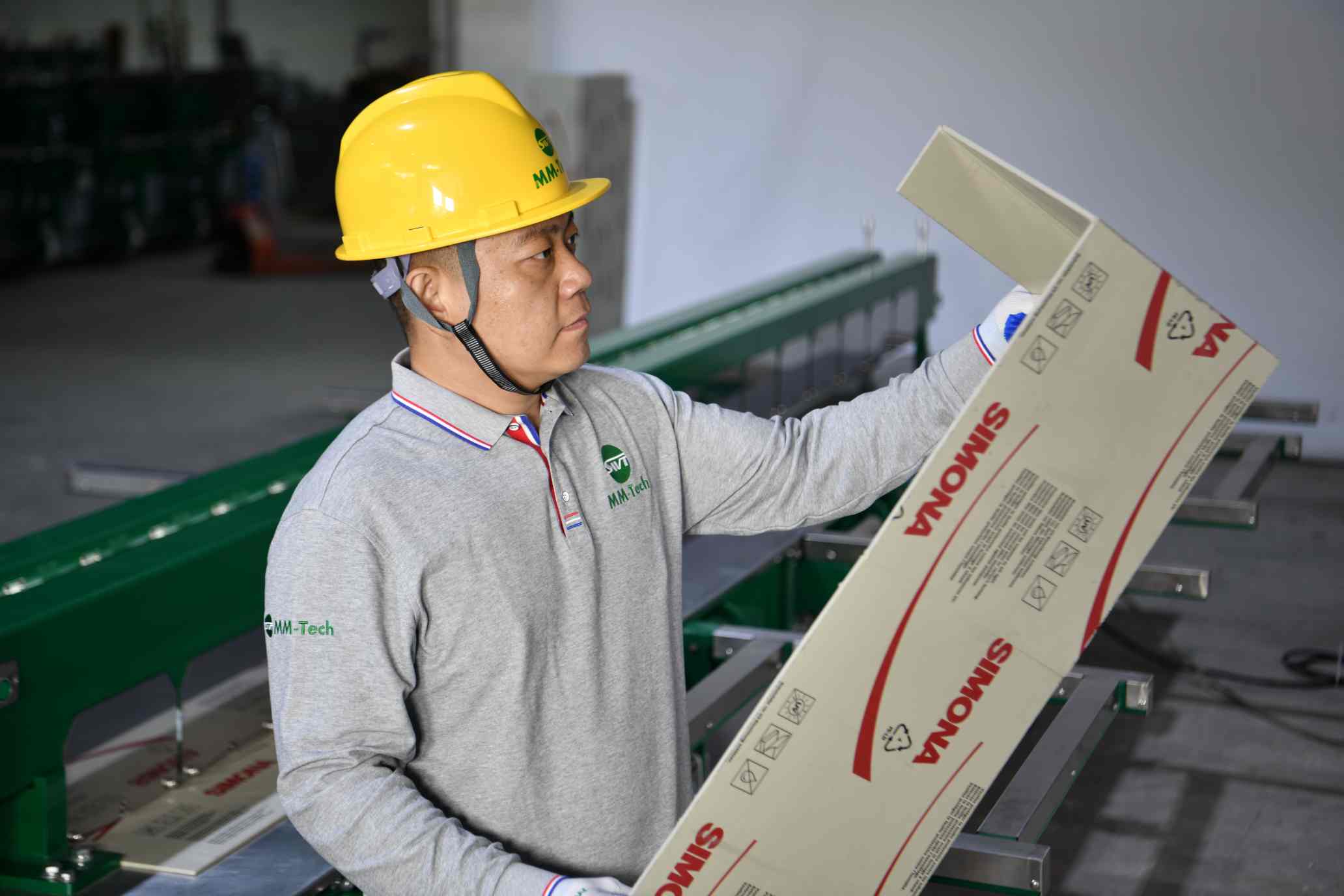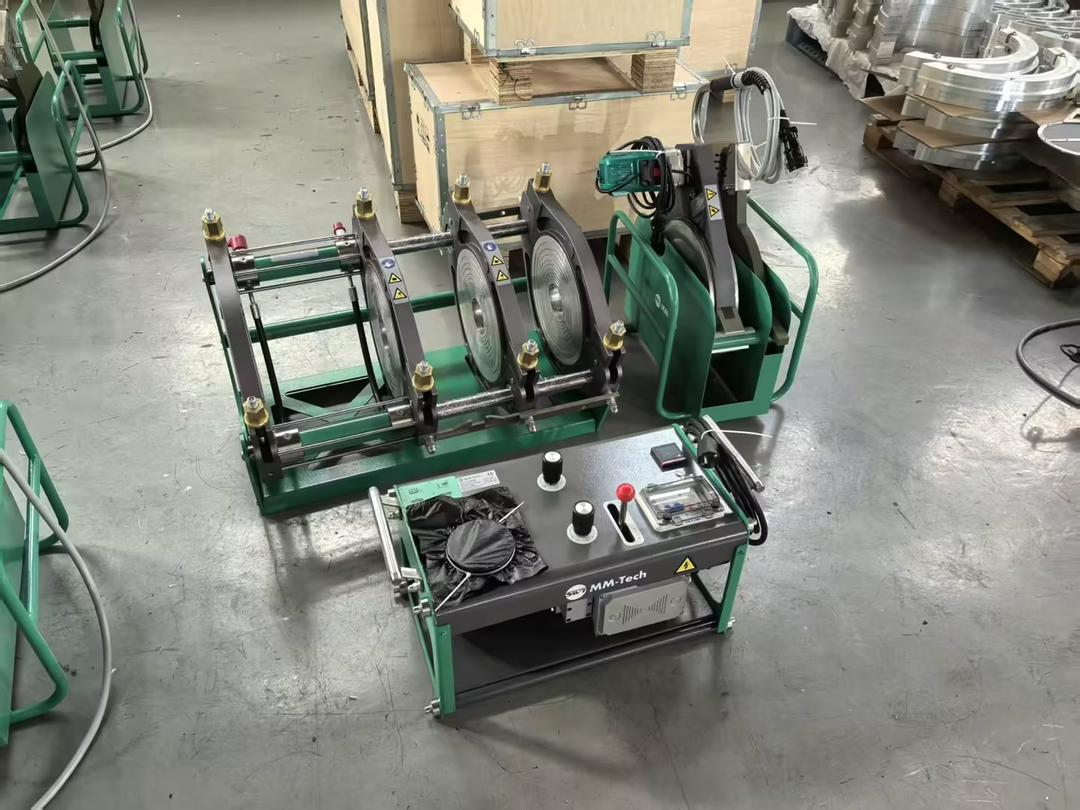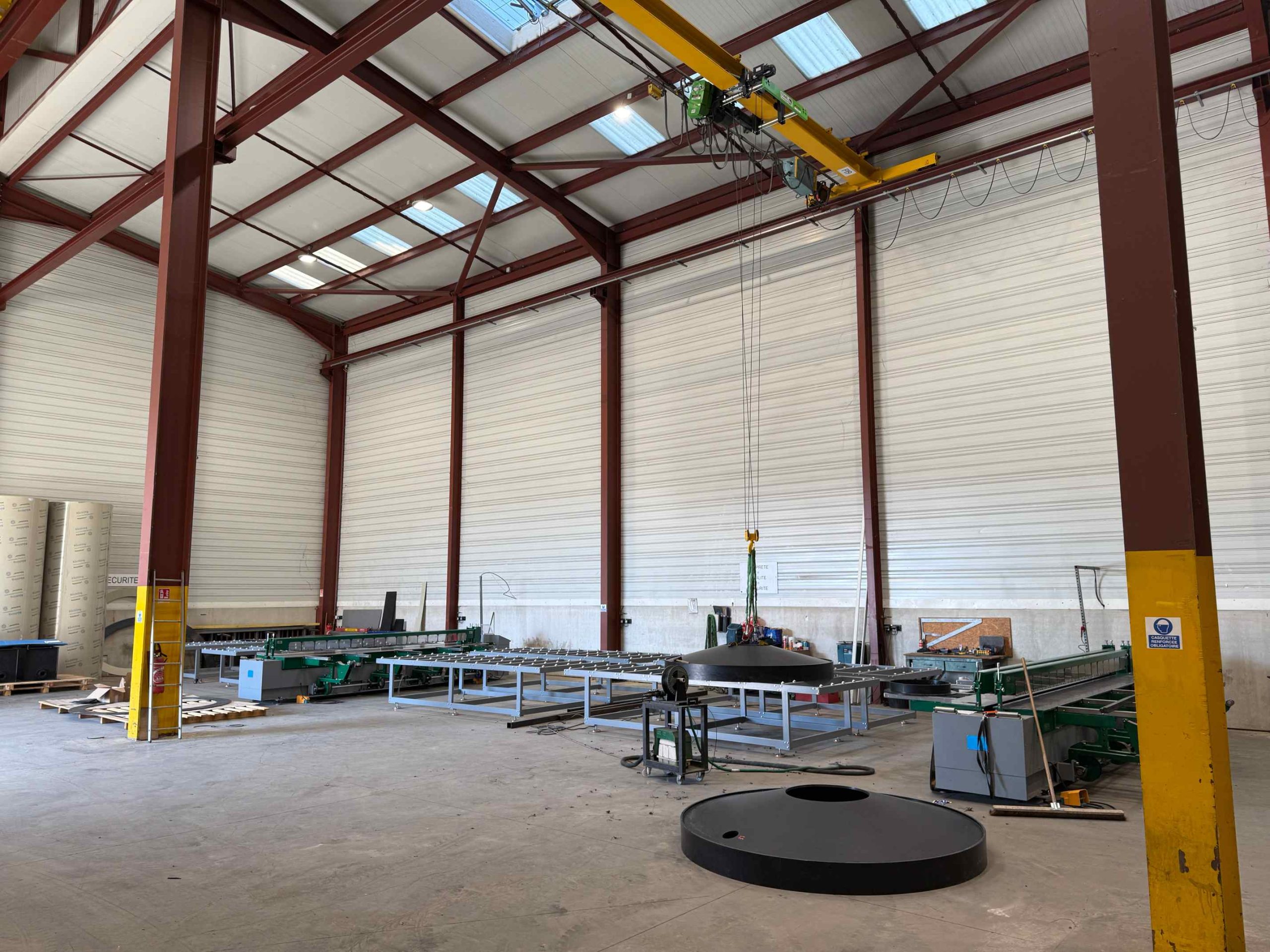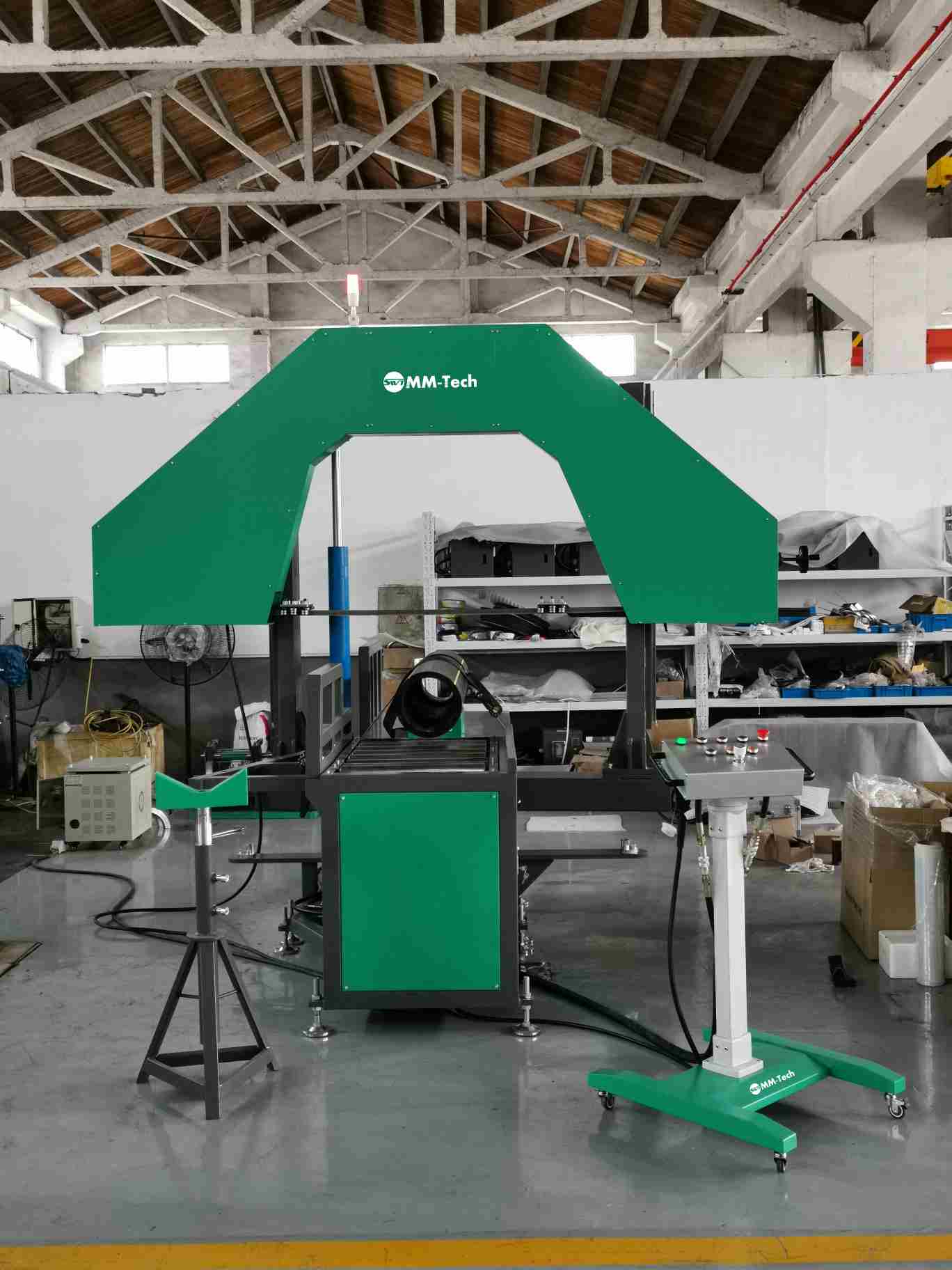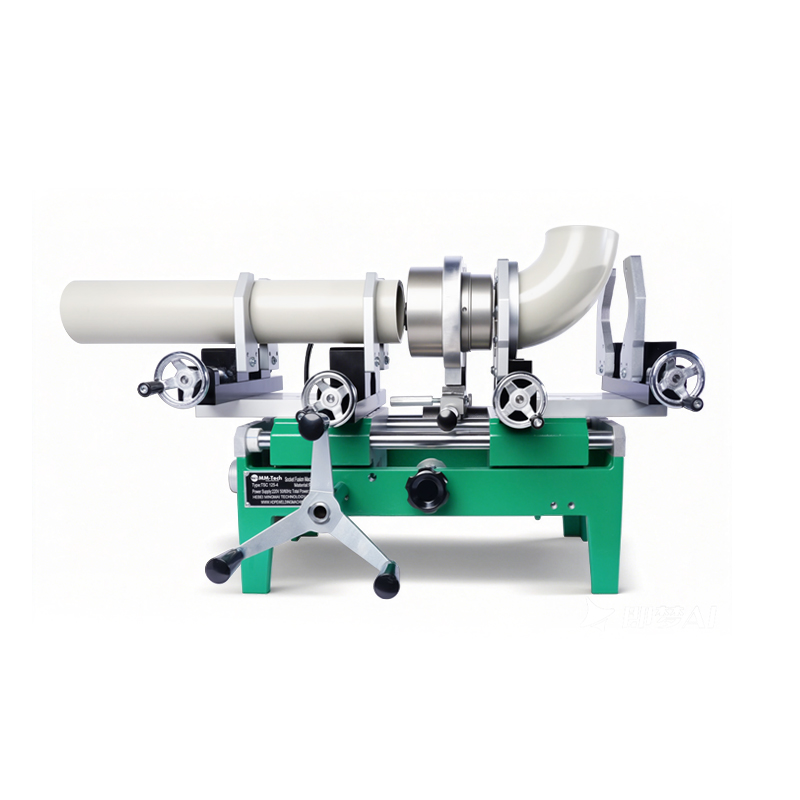
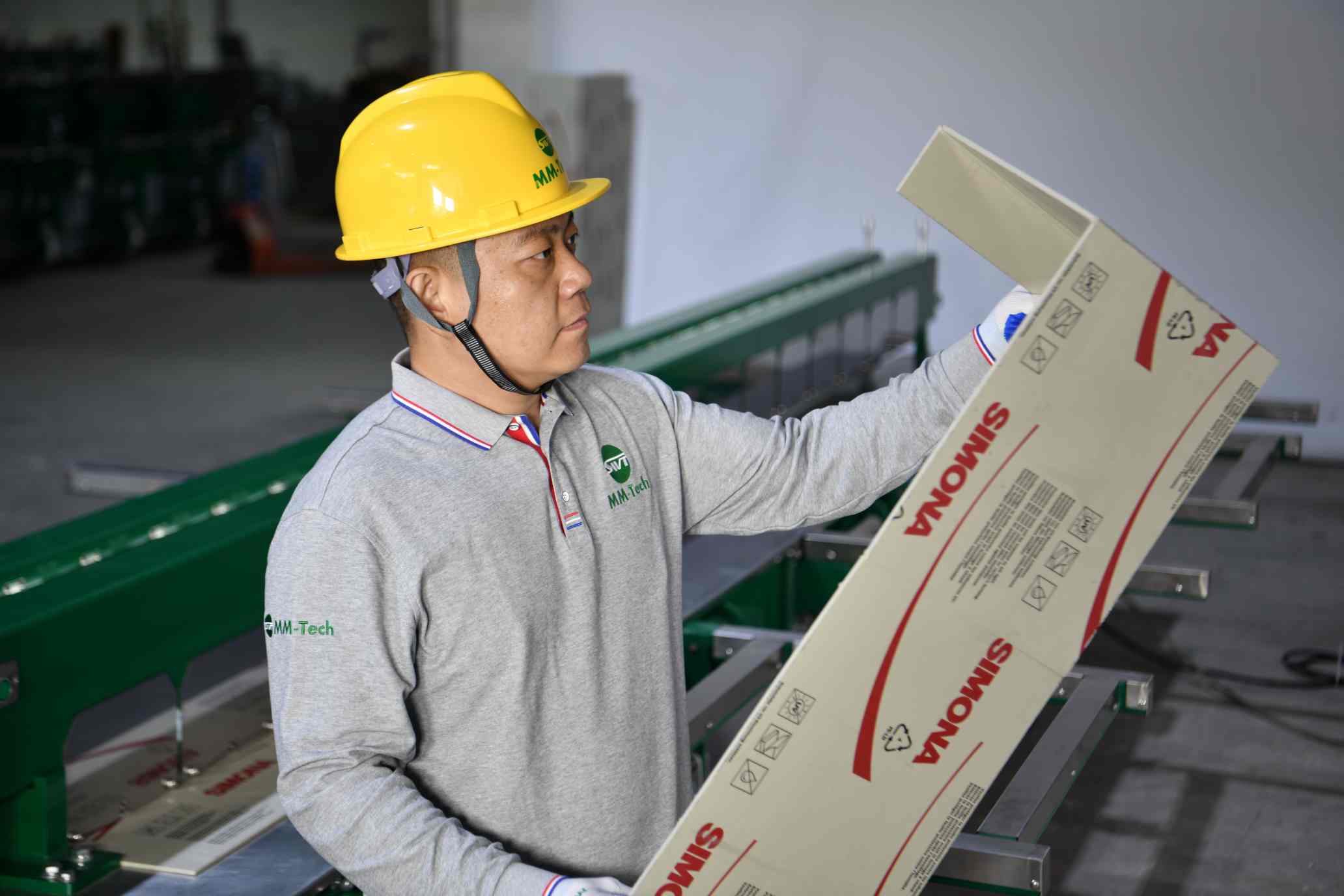
A plastic sheet bending welding machine is essential in plastic fabrication because it unites bending and welding in one efficient process. This single machine delivers precision and speed that separate tools cannot match. One machine performs two critical functions. It cuts handling time, improves joint quality, and enables consistent results across complex fabrications.
The combined process reduces labour and floor space. Operators achieve high precision with every sheet bending task. The machine handles various material types with repeatable accuracy. For any plastic fabrication workflow, this dual-function equipment removes bottlenecks and raises output quality.
Key Takeaways
The machine combines bending and welding in one step. This saves time and reduces production costs.
The weld seam becomes stronger than the plastic sheet. This ensures reliable joints for tanks and ducts.
Operators can bend various plastics like HDPE and PVC. The machine handles sheets from 3 to 25 millimetres thick.
The machine delivers precise angles and repeatable results. A digital control system makes operation simple.
Core Functions of a Plastic Sheet Bending Welding Machine
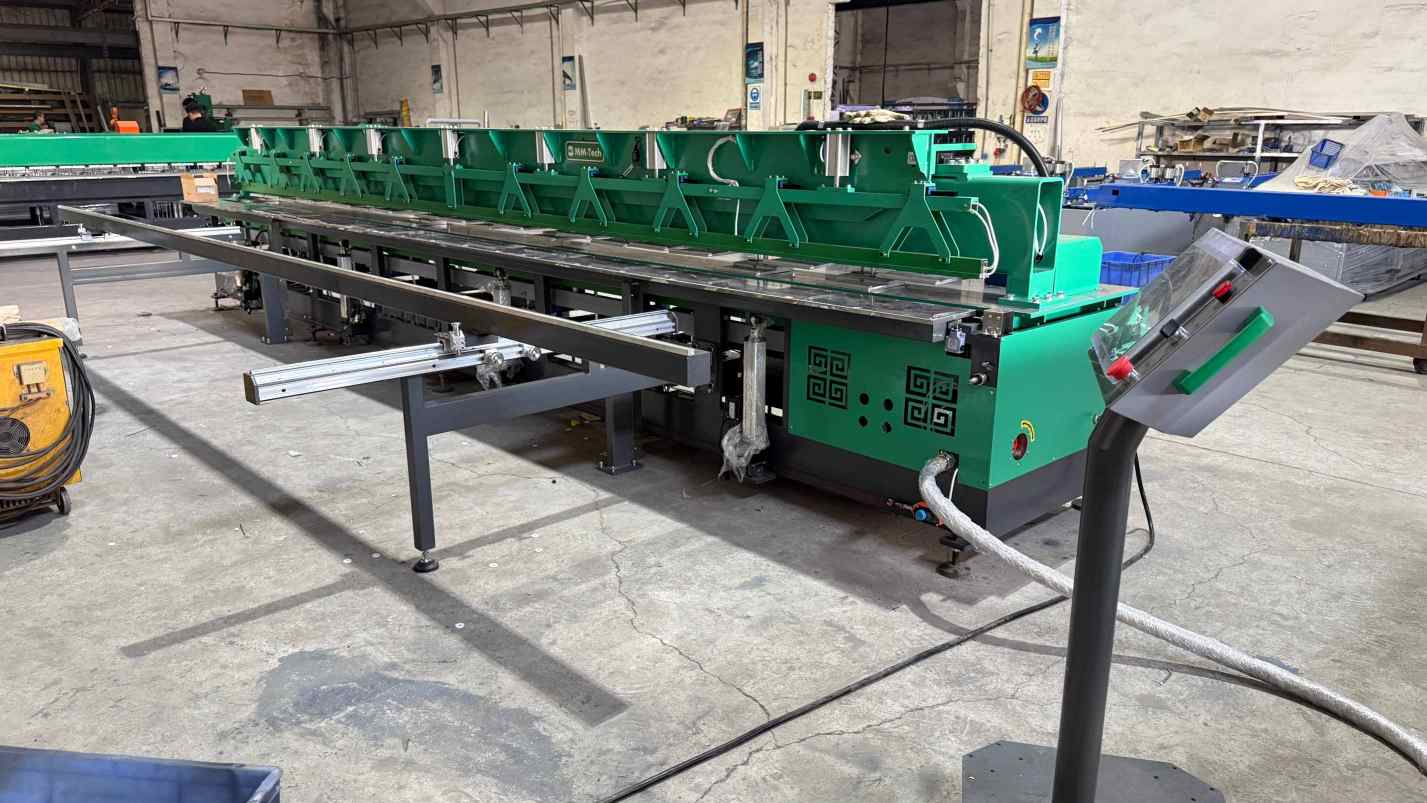
The MM-Tech SWT-ZW6000 stands as a representative model in this equipment category. This plastic sheet bending welding machine combines dual welding and bending functions in one unit. Fabricators value this design because it handles multiple tasks without requiring separate equipment.
Bending Capability and Angle Control
The machine uses a V-shaped heating knife and a lower heating plate. These components work together to deliver uniform heating across the plastic sheet bending surface. Even heat distribution allows the operator to achieve precise bending angles with every cycle.
Dual-zone heating with independent control gives operators fine command over temperature management. This feature matters because different materials respond differently to thermal input. An operator can adjust each zone separately to match the specific requirements of the job.
The bending angle range spans 2 to 100 degrees. This wide range covers most fabrication needs. The bending length is generous, accommodating large-scale projects. Typical adjustable angles include 5°, 30°, 45°, 90°, and up to 95° for specific applications. These settings give operators flexibility when shaping a plastic sheet for tanks, ducts, or structural components.
Welding Mechanism and Joint Quality
The welding function supports both horizontal welds and round (rolling) welds. For round or rolling welds, the minimum circular size is 500 mm. Larger circular diameters face no restriction. This capability allows fabricators to produce cylindrical shapes and curved assemblies with consistent joint quality.
The machine operates with robust welding standards that meet quality benchmarks. This compliance ensures that every weld meets recognised quality benchmarks. The welding mechanism delivers strong, reliable joints that hold up under demanding conditions.
Operators complete every function in a straightforward procedure. The control system and interface make the bending procedure straightforward. This design reduces training time and minimises operator error. The heating machine maintains stable temperatures throughout the process, which supports repeatable outcomes.
The combination of bending and welding in one machine eliminates the need for two separate units. This integration lowers production costs and saves time. Most consumable parts are designed for quick replacement, which keeps downtime to a minimum. A quality guarantee covers free replacement for parts that break under normal operating conditions.
The machine operates on standard industrial voltage and frequency. Power consumption and current ratings support stable performance. The required air pressure is within typical industrial ranges. These parameters ensure stable performance across various production environments.
Fabricators achieve high precision with every sheet bending task. The machine handles common thermoplastic materials with equal reliability. This versatility makes it suitable for chemical processing, water treatment, and general industrial manufacturing. The equipment produces tanks, ducts, and structural components with excellent appearance and strong angles.
Operational Advantages in Sheet Bending and Welding
Efficiency Through Combined Processes
The machine unites two operations in one step. This integration lowers production costs and saves time. Operators no longer need two separate machines for forming and joining. A plastic sheet bending welding machine such as the SWT-ZW6000 handles both tasks without material transfer between stations. The plastic sheet bending process flows smoothly from start to finish. In plastic fabrication, this streamlined workflow reduces lead times considerably.
Ease of maintenance adds another efficiency advantage. Most consumable parts are designed for quick replacement. This design keeps downtime to a minimum. The quality guarantee provides additional value. Free replacement covers any part that breaks under normal operating conditions. This guarantee reduces long-term costs for the user.
Precision and Repeatability
The machine delivers consistent precision on every job. This repeatability ensures each output matches the next with high accuracy. Proper machine calibration maintains dimensional consistency across production runs. The dual-zone heating system allows fine control of key parameters. These settings support repeatability across all production cycles. The repeatability reduces waste and rework in high-volume fabrication.
The benefits of bending plastic sheet with this controlled system include fewer rejects and stronger final products. Each material type receives appropriate thermal treatment. This material flows evenly under controlled conditions. This precision holds through every repeated cycle. The machine achieves dimensional consistency across every job. Operators choose the right material for each application to maximise weld strength.
The machine complies with robust welding standards. This compliance confirms the precision of its weld joints. Operators trust the repeatability of every weld. The machine maintains precision consistently from one cycle to the next.
Weld Strength and Structural Integrity
Test Results on Weld Seam Strength
Independent testing confirms a critical fact about this plastic sheet bending welding machine. The strength of the weld seam exceeds the strength of the plastic sheet itself. This result means the joined area does not become the weak point in a finished assembly. The weld holds firm even when the surrounding material faces stress.
This outcome stems from controlled heating and consistent pressure during the welding cycle. The machine maintains stable temperatures across the joint surface. Proper heat penetration allows the plastic molecules to fuse completely. The resulting bond achieves a level of integrity that matches or surpasses the base sheet.
The machine operates under robust welding standards. These standards govern hot gas and hot plate welding procedures for thermoplastics. Compliance ensures that every weld meets recognised quality benchmarks. Fabricators gain confidence knowing their output follows established industry protocols.
Implications for Load-Bearing Fabrications
Weld strength above the base material matters greatly for tanks, ducts, and structural components. These products carry weight, resist pressure, and endure mechanical loads. A weak weld would fail under such demands. A weld stronger than the sheet eliminates that risk.
Consider a chemical storage tank. The tank walls must hold liquid under constant pressure. Any seam weaker than the wall would leak or rupture. This machine produces seams that match the wall strength. The tank performs reliably over its service life.
Ductwork faces similar demands. Air pressure and vibration stress every joint. A weld that exceeds sheet strength resists these forces without cracking. The duct maintains its shape and function across years of operation.
Structural components often bear heavy loads. Support brackets, reinforcement panels, and mounting frames all rely on strong joints. The machine delivers welds that carry these loads without deformation. Engineers can design with confidence because the weld does not limit performance.
The machine also complies with robust design standards. These standards provide guidelines for designing welded plastic components. Compliance means the equipment supports proper joint design from the start. Fabricators can follow these guidelines to optimise structural performance.
The combination of high weld strength and compliance delivers real benefits. Products last longer in demanding environments. Maintenance costs drop because failures become rare. Safety improves because structural integrity holds under load.
The machine achieves this strength through precise control of key parameters. Temperature, pressure, and timing all influence weld quality. The control system manages these variables with high precision. The result is a repeatable, reliable weld every time.
Material selection also affects weld strength. The machine handles common thermoplastic materials with equal reliability. Each material requires specific thermal treatment. The dual-zone heating system allows operators to match settings to the material. This flexibility ensures optimal weld quality across all compatible plastics.
The dimensional consistency of the weld seam further supports structural integrity. A uniform seam distributes stress evenly. Uneven seams create stress concentrations that lead to failure. The machine produces consistent seams that avoid this problem.
Fabricators value this level of performance. The machine delivers welds that exceed sheet strength. It meets rigorous standards. It handles multiple materials with precision. These qualities make it indispensable for any fabrication project that demands structural reliability.
Material Type and Thickness Compatibility
Suitable Thermoplastics and Thickness Ranges
The machine handles common thermoplastic materials. Each material type brings distinct properties to a fabrication project. Operators select the right material for each job based on these characteristics.
The sheet thickness capacity covers a wide range, spanning thin panels and heavy-gauge stock. Material type and thickness both influence how the sheet responds to thermal input. Every plastic has a specific softening temperature. Controlled heating keeps the sheet within the appropriate temperature window. The dual-zone system allows independent adjustment for precise results. These parameters ensure that each material reaches the correct state for bending and welding.
Applications Across Industry Sectors
Chemical processing relies on this equipment for tanks, ducts, and piping systems. Water treatment plants use it to build clarifiers, settling tanks, and aeration ducts. General industrial manufacturing employs these machines for custom enclosures, fume hoods, and structural components. Each sector demands different material properties and thicknesses. The machine adapts to all of them.
Thermoplastic fabrication benefits from the precision this equipment delivers. The machine is suitable for plastic sheet bending across all four material types. It produces tanks, ducts, and structural components with excellent appearance and strong angles. The equipment complies with robust welding standards. This compliance ensures that every joint meets recognised quality benchmarks. Fabricators achieve consistent results whether they are shaping a thin panel or a thick tank wall. The combination of material flexibility and thickness range makes this machine a versatile tool for any workshop.
Key Features That Drive Essentiality
Design Elements for Usability and Safety
The machine includes device clamps for rolling operations. Foot pedals allow operators to control the process hands-free. Quick buttons for clamps speed up setup between jobs. A wireless remote control handles belt adjustment without leaving the operator station. These design choices reduce physical strain and improve workplace safety.
Water circulation cooling maintains even product temperatures during operation. This system prevents overheating at the weld zone. Operators can adjust temperature settings to match each material type. Stable thermal conditions support consistent plastic sheet bending results. The cooling system also protects the machine from heat damage during extended production runs.
Integration with Modern Fabrication Workflows
CNC automatic plastic sheet welding and bending machines support automated production lines. These machines reduce manual intervention and increase output volume. The SWT-ZW6000 operates on standard industrial voltage and frequency. Power consumption and current ratings support stable performance. The required air pressure is within typical industrial ranges. These parameters ensure stable performance across various production environments.
The equipment complies with robust welding standards. This compliance allows seamless integration into quality-controlled fabrication workflows. Operators achieve high precision with every sheet bending task. The machine handles multiple plastic types with equal reliability. Consistent repeatability across production cycles reduces waste and rework. These features make the equipment indispensable for modern fabrication facilities. The combination of automated controls and reliable repeatability supports high-volume production. Fabricators gain a tool that adapts to evolving industry demands.
The plastic sheet bending welding machine combines bending and welding into one efficient process. This dual function saves time, reduces costs, and delivers consistent precision. The weld seam proves stronger than the plastic sheet itself. These qualities make the equipment indispensable for fabrication. It improves productivity, raises quality, and ensures structural reliability. The machine complies with robust welding standards. Operators trust the repeatable results for tanks, ducts, and structural components. Each material type receives proper thermal treatment for optimal outcomes.
Fabricators rely on this equipment for demanding projects. The machine handles plastic sheet bending with speed and accuracy. It remains a vital tool for modern fabrication workflows. As industry demands grow, this technology will continue to support efficient, high-quality production.
FAQ
What materials can this machine process?
The machine handles common thermoplastic materials. Each material type requires specific thermal treatment. The dual-zone heating system allows operators to match settings to the plastic. Sheet thickness covers a wide range, spanning thin panels and heavy-gauge stock.
What are the bending capabilities?
The machine bends sheets from 2 to 100 degrees. The bending length is generous. A V-shaped heating knife and lower heating plate deliver uniform heat. This setup supports precise sheet bending angles. Typical adjustable angles include 5°, 30°, 45°, 90°, and up to 95° for specific applications. Operators achieve consistent results across large-scale projects.
How strong is the weld seam?
Independent testing confirms that the weld seam is stronger than the plastic sheet itself. This result means the joint does not become the weak point. The machine complies with robust welding standards. Fabricators trust the weld for tanks, ducts, and load-bearing components.
What are the power and air requirements?
The machine operates on standard industrial voltage and frequency. Power consumption and current ratings support stable performance. The required air pressure is within typical industrial ranges. These parameters ensure stable performance across production environments.
How does the machine support precision and repeatability?
The control system and interface manage key parameters. Dual-zone heating gives independent temperature control. This precision supports repeatable outcomes across every cycle. Operators complete each function in a straightforward procedure. The design reduces training time and minimises error.