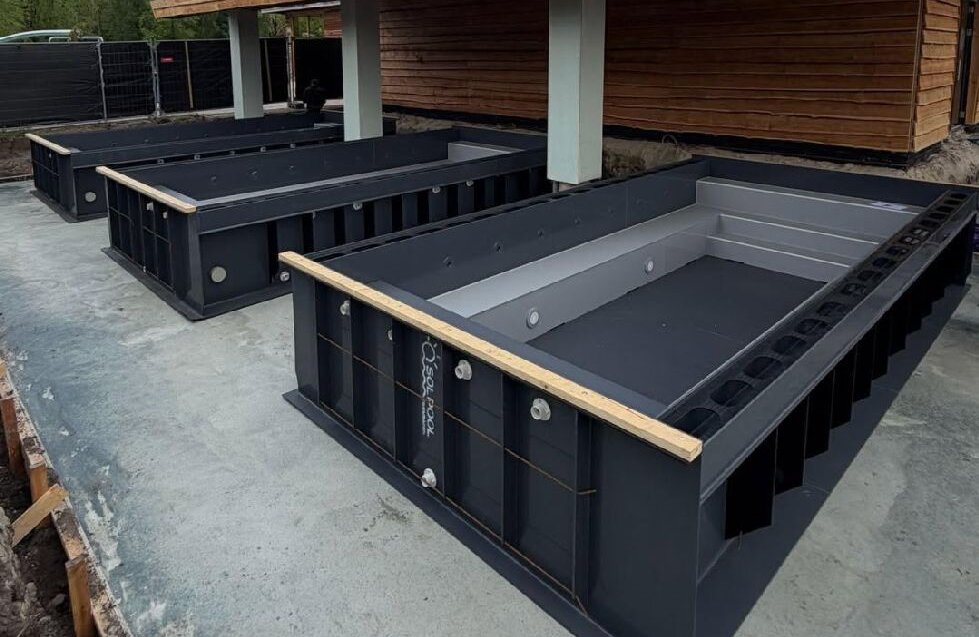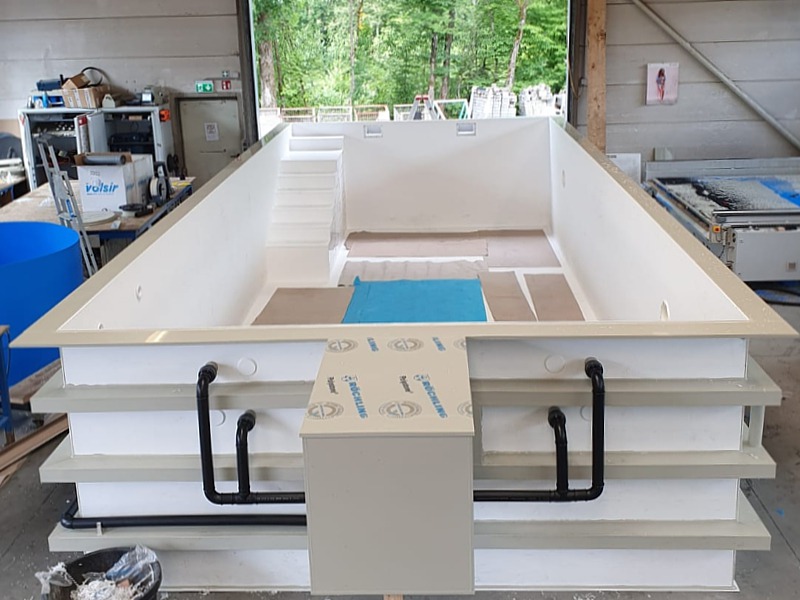
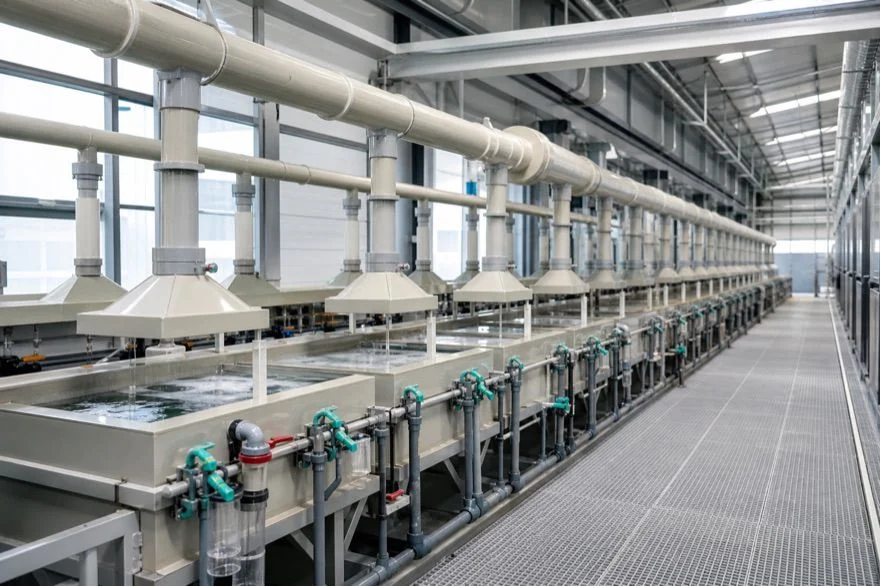
A leak-proof, chemically resistant, durable electroplating tank depends on four controlled steps: material selection, sheet processing, component welding, and quality inspection. Each step demands equipment matched to the task. Reliability comes from that match.
Welding deserves the closest attention. Seam quality decides whether the tank stays leak-proof under continuous chemical service. MM-Tech welding machines cover butt fusion, extrusion, and hot air processes, so every joint in plastic electroplating tank fabrication uses the right technique. This guide shows how to plan each stage and select the equipment that keeps results consistent.
Key Takeaways
-
Choose the right plastic material for your tank based on the chemicals and temperature it will handle.
-
Cut and machine plastic sheets accurately to ensure clean edges and proper fit for welding.
-
Use the correct welding technique for each joint: butt fusion welding for panel joining, extrusion welding for main structural seams and reinforcing ribs, and hot air welding for auxiliary joints and detailed connections.
-
Control welding parameters like temperature and pressure to create strong, leak-proof seams.
-
Inspect the tank visually, dimensionally, and with leak tests to confirm quality.
-
MM-Tech offers a full range of machines for every step of tank fabrication, from cutting to welding.
-
Follow DVS 2207 standards and keep records to ensure traceability and reliability.
Tank Reliability Requirements
An electroplating tank works under constant chemical attack and structural load. Three requirements define a reliable build: chemical compatibility, mechanical strength, and weld seam integrity. Every later decision — sheet grade, cutting method, welding process — is measured against these three criteria. Welding carries particular weight. A tank is only as leak-proof as its weakest joint, so the welding plan deserves scrutiny from the first design meeting.
Chemical Compatibility
Electroplating baths expose tank walls to strong acids, alkalis, and metallic salts. Steptsl notes that tanks must resist corrosion from these media, and that high-quality polymer linings or reinforced materials extend service life under continuous use. Compatibility is process-specific. Each plating line uses its own chemical composition, and the tank material must match that bath to prevent contamination and damage.
Material choice follows from the bath chemistry. Polypropylene offers lightweight, corrosion-resistant performance at an affordable cost. PVC suits acidic solutions well. Both grades appear in tank fabrication, and the right selection depends on the specific electrolyte and operating temperature. A material that ignores the bath chemistry will fail early, regardless of how well it is welded.
Mechanical Strength
A filled tank carries substantial weight, and the walls must hold their shape without bowing. Structural rigidity depends on sheet thickness, reinforcement design, and joint quality. Side walls resist hydrostatic pressure. Bottoms carry the full liquid load. Partitions and ribs divide compartments and stiffen large spans.
Welded connections transfer these loads between panels. Weak joints concentrate stress and invite cracking under thermal cycling. Mechanical strength therefore depends on welding as much as on material.
Weld Seam Integrity
Leak-proof welds are the decisive reliability requirement. A single incomplete fusion line can release electrolyte onto the floor or contaminate the bath. Seam quality depends on edge preparation, welding technique, and equipment control. Butt fusion creates homogeneous joints between panels. Extrusion welding fills seams and bonds reinforcement. Hot air welding supports auxiliary joints and detailed connections.
MM-Tech equipment supports each of these techniques with process control built for thermoplastic welding. The result is a tank shell with continuous, verifiable seams rather than patchwork joints. These three requirements — chemistry, strength, and seam integrity — now guide material selection, sheet processing, and every welding step that follows.
Material Selection for Plastic Electroplating Tanks
Comparing PP-H, PVC, and PVDF
Röchling Polystone® P homopolymer grey (PP-H) is the recommended sheet grade for electroplating tanks. The homopolymer structure gives a uniform, low-stress sheet with consistent weld behavior. Grey pigment aids visual inspection of seams and surfaces. PP-H also welds cleanly with butt fusion and extrusion processes, which supports reliable plastic electroplating tank fabrication with MM-Tech equipment.
Each thermoplastic fits a different service window. Temperature range is the clearest divider, as the table below shows.
|
Material |
Operating/Service Temperature Range |
|---|---|
|
PP-H |
Up to 100°C |
|
PVC |
Up to 60°C |
|
PVDF |
-5°F (-20°C) to 220°F (104°C) |
PP-H covers 0 °C to +100 °C according to Nirmalapumps, which suits most heated plating baths. PVC serves acidic solutions well at moderate temperatures. PVDF handles the widest range, per EPP Composites, and suits aggressive baths or elevated service temperatures. All three grades perform well inside their own limits. The bath chemistry and operating temperature decide the match.
Sheet Thickness and Sizing
Wall and bottom thickness follow the tank depth, the liquid load, and the reinforcement plan. Deeper tanks and wider spans call for heavier sheet and closer rib spacing. Bottoms usually carry more thickness than side walls because they bear the full weight of the bath. Size sheets to minimize offcuts and to keep panel joints on straight, weldable lines.
Incoming inspection protects every later step. Check sheet thickness at several points, confirm the grade marking, and look for surface scratches, voids, or discoloration. Store sheets flat and clean before cutting. Sound stock gives the welding equipment a stable base, and stable input keeps seam quality predictable.
Plastic Sheet Processing
Sheet processing turns stock panels into accurately sized parts with clean weld edges. Cutting, machining, and edge preparation each feed the welding stage. A dimensional error here becomes a seam defect later. Process control at this stage protects the reliability of the finished tank.
Sheet Cutting
The SWT-XL3000 Semi-Automatic Sheet Saw cuts plastic sheets to size with straight, square edges. Square cuts matter for butt fusion. A panel edge that runs true gives the welding machine a uniform gap and consistent melt across the joint. Operators set the cut length from the tank drawing, load the sheet, and let the saw carriage travel through the material. The result is a panel ready for the next operation without rework.
Cut planning supports weld quality as well. Panels should be sized so that joints fall on straight lines and away from high-stress corners. Consistent cut dimensions also let panels align during assembly, which reduces fit-up stress on the weld. Good cutting practice therefore begins the chain of reliable plastic electroplating tank fabrication.
CNC Machining
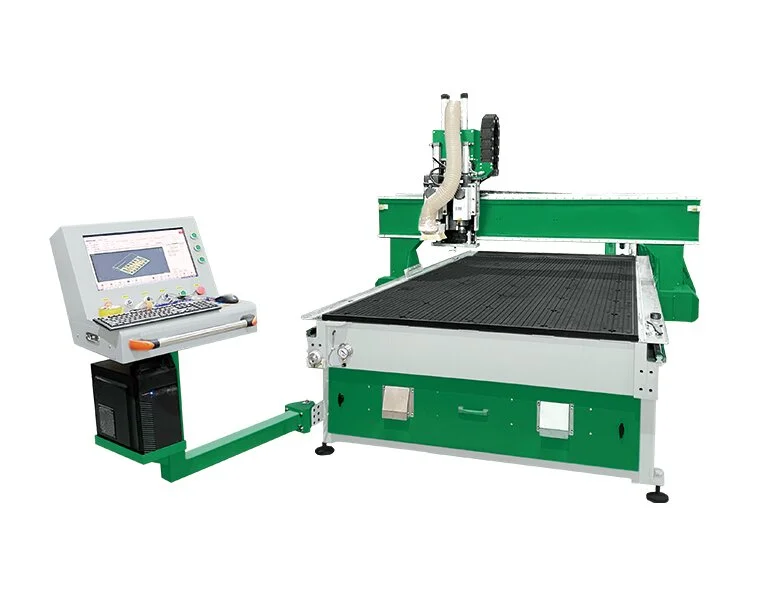
The SWT-YF1530 CNC Router machines openings, grooves, slots, and shaped components. Tank shells need drain ports, overflow openings, optional sensor bosses, and lifting points. The router cuts these features to the drawing, so flanges and fittings seat correctly. Grooves for reinforcement ribs also come from this machine, which keeps rib spacing uniform along the wall.
Machined features interact with welding. An opening cut to size accepts a flange with a close fit, and a close fit produces a sound weld around the joint. Shaped components such as corner gussets and baffle plates also come off the router. Accurate machining reduces hand fitting and keeps weld gaps within the range the welding equipment expects.
Edge Preparation
Edge preparation creates the joint geometry that butt fusion depends on. Panel edges must be square, clean, and free of contamination before the heating plate touches them. Wiped edges present uniform material to the heater.
Clean edges produce homogeneous welds. Contaminants such as dust, oil, or moisture burn into the seam and weaken the bond. Prepared edges also align better during clamping, which keeps the melt bead even on both sides of the joint. This step directly protects weld seam integrity, the decisive reliability requirement for any electroplating tank.
Plastic Electroplating Tank Fabrication and Welding
Welding transforms cut and machined sheets into a sealed vessel. The work follows six steps, and each step uses a specific MM-Tech machine. The sequence combines butt fusion, extrusion, and hot air welding. All techniques follow DVS 2207 compliant technology, which keeps seam quality predictable across the whole tank.
Panel Welding and Forming
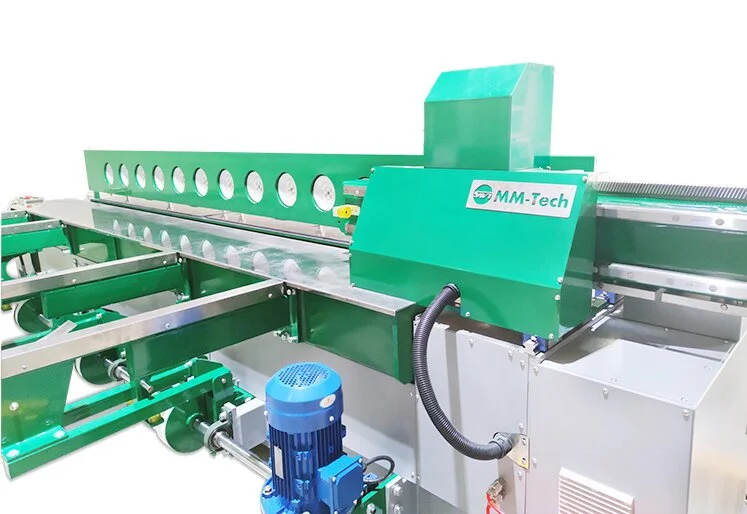
Step one joins large panels for bottoms and side walls. The SWT-PH3000 Plastic Sheet Butt Fusion Machine welds sheet to sheet along long, straight seams. Heated-tool butt welding suits these panel seams, and PP tank bodies reference DVS 2207-11 for this process. Process control decides joint quality. The heater plate should sit within about ±5 °C of the material window, and joining pressure for PP runs near 0.10 N/mm².
Step two bends and forms panel edges with the SWT-ZW3000 Plastic Sheet Bending Welding Machine. Formed edges create corners and return flanges without extra joints. Fewer joints mean fewer potential leak paths.
Assembly and Reinforcement
Step three assembles the bottom and side walls into the main tank shell. The prepared panels are positioned and aligned, with the side walls fitted around the bottom panel. The corner joints and bottom-to-wall connections are then secured by extrusion welding to form a continuous, sealed tank structure. Step four installs partitions and reinforcement ribs with the SWT-NS600A Extrusion Welder. Extrusion welding lays a continuous bead that bonds ribs to the wall and stiffens large spans. Partitions divide compartments and add rigidity at the same time.
This stage carries much of the structural load path. Ribs transfer hydrostatic pressure from the walls into the base. A sound extrusion bead keeps that path continuous. The SWT-NS600A handles these structural connections in one pass, which supports efficient plastic electroplating tank fabrication with MM-Tech equipment.
Interfaces and Pipework
Step five welds rims, flanges, and functional interfaces. The SWT-NS1600S Hot Air Gun provides preliminary fixing and positioning before final welding. The SWT-NS600A Extrusion Welder then completes the seam around each flange and rim. This two-tool approach holds parts in place and builds a full bond around the joint. Drain ports and overflow connections receive the same treatment.
Step six fabricates and connects pipework with the SWT-V315/90H Pipe Butt Fusion Welding Machine. Pipes join to the tank through butt-fused connections that match the shell quality. The machine fuses thermoplastic pipe ends into homogeneous joints, so the piping system carries the same leak-proof standard as the tank body.
The full sequence relies on three welding techniques working together. Butt fusion welding joins plastic sheets to create the main tank panels. Extrusion welding forms structural seams and connects reinforcing ribs, partitions, and flanges. Hot air welding supports auxiliary joints and detailed connections. Each technique covers a job the others cannot do well. This division of labor is the core of reliable plastic electroplating tank fabrication, and MM-Tech equipment supplies a matched machine for every step.
Inspection and Quality Control
Inspection closes the fabrication loop. Each check confirms that earlier welding decisions produced a sound tank. Petron Thermoplast groups the checks into visual, dimensional, and weld inspection categories.
Visual and Dimensional Checks
Visual inspection happens first. Inspectors examine every seam for a uniform weld bead, proper fusion, and surface defects. Petron Thermoplast also lists cracks, voids, undercuts, and incomplete welding as rejection points. These defects often trace back to edge preparation or heater plate control. A seam with an uneven bead signals a problem the welding stage should correct.
Dimensional checks verify the tank against its drawings. Inspectors measure diameter, height, wall thickness, nozzle locations, and reinforcement placement. Petron Thermoplast includes weld dimension verification in the same pass: correct weld size, proper bead profile, and adequate penetration.
Leak and Hydrostatic Testing
Leak testing proves the weld plan works. The tank fills with water, and inspectors watch every seam, flange, and pipe connection for weeping or damp patches. Butt fusion joints, extrusion beads around ribs, and hot air welds at interfaces all receive attention. Any leak points back to a specific welding step, which makes correction straightforward.
Hydrostatic testing adds a structural check. The filled tank stands under load, and inspectors watch for wall deflection or joint movement. Petron Thermoplast describes testing throughout manufacturing to verify weld integrity, dimensional accuracy, structural strength, and leak-proof performance. A tank that passes both tests is ready for service.
Documentation and Traceability
Records tie each tank to its material and its welds. Petron Thermoplast recommends raw material inspection records covering grade verification, sheet thickness measurement, surface quality, Material Test Certificate verification, and batch traceability. Engineering documents include GA drawings, fabrication drawings, nozzle layouts, reinforcement details, and the bill of materials.
Welding records complete the file. Machine settings, operator details, and inspection results should accompany each tank. This documentation supports reliable plastic electroplating tank fabrication and gives the customer a verifiable quality record. Traceability also speeds up any future repair, because the original weld parameters are on file.
MM-Tech Equipment Solutions for Reliable Electroplating Tanks
MM-Tech builds equipment for every stage of plastic electroplating tank fabrication. The lineup covers sheet cutting, CNC machining, panel butt fusion, edge forming, extrusion welding, hot air welding, and pipe joining. Each machine targets one job, and together they form a complete fabrication chain. Welding machines carry the greatest weight in this chain. Seam quality decides tank reliability, and MM-Tech designs its welders around controlled heat, steady pressure, and repeatable joints.
|
Model |
Fabrication Stage |
|---|---|
|
SWT-XL3000 Semi-Automatic Sheet Saw |
Sheet cutting to size |
|
SWT-YF1530 CNC Router |
CNC machining of openings, grooves, slots, shaped parts |
|
SWT-PH3000 Plastic Sheet Butt Fusion Machine |
Butt welding large panels for bottoms and side walls |
|
SWT-ZW3000 Plastic Sheet Bending Welding Machine |
Bending and welding formed plastic sheet components |
|
SWT-NS600A Extrusion Welder |
Extrusion welding of seams, partitions, ribs, flanges |
|
SWT-NS1600S Hot Air Gun |
Preliminary fixing and local hot air welding |
|
SWT-V315/90H Pipe Butt Fusion Welding Machine |
Pipe butt fusion for tank piping systems |
Reliable tank construction rests on four linked stages. Correct material selection matches the sheet grade to the bath chemistry. Accurate sheet processing delivers square edges and close-fitting openings. Controlled welding turns those parts into a sealed vessel. Thorough inspection confirms the result. Welding carries the greatest weight in plastic electroplating tank fabrication. MM-Tech supplies a matched machine for every one of these steps.
Plan the next electroplating tank build with confidence. Contact MM-Tech with the tank dimensions, sheet grade, and piping layout. The team will recommend the right equipment for each fabrication stage.
FAQ
Why does edge preparation matter before butt fusion?
Butt fusion depends on clean, square edges. Contaminants such as dust, oil, or moisture burn into the seam and weaken the bond. Prepared edges align better during clamping, which keeps the melt bead even on both sides.
Which machine handles tank pipework?
The SWT-V315/90H Pipe Butt Fusion Welding Machine joins thermoplastic pipe from 90 to 315 mm. It provides durable fusion joints for pipelines, ensuring reliable and long-lasting connections. Reliable piping keeps the system leak-proof from shell to drain line, matching the standard set by the shell seams.
How is weld quality verified after fabrication?
Visual inspection checks bead uniformity, fusion, and surface defects. Dimensional checks confirm weld size and penetration. Leak and hydrostatic testing then prove the seams hold under load. Any leak points back to a specific welding step, which makes correction straightforward.
What maintenance keeps MM-Tech welders reliable?
Keep heater plates clean and free of polymer residue, since buildup disturbs temperature transfer. Check clamping alignment before each production run. Store machines in a dry environment. These habits protect the repeatable heat and pressure that seam quality depends on.