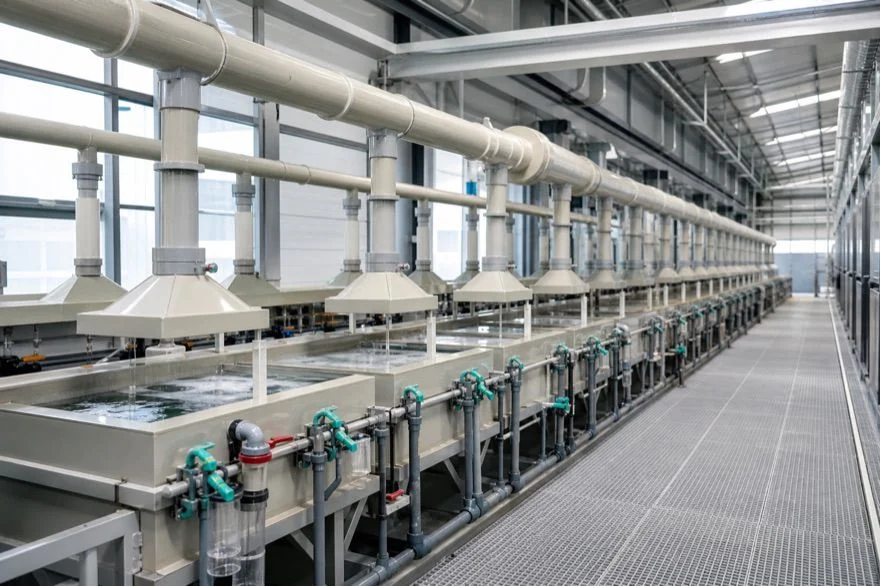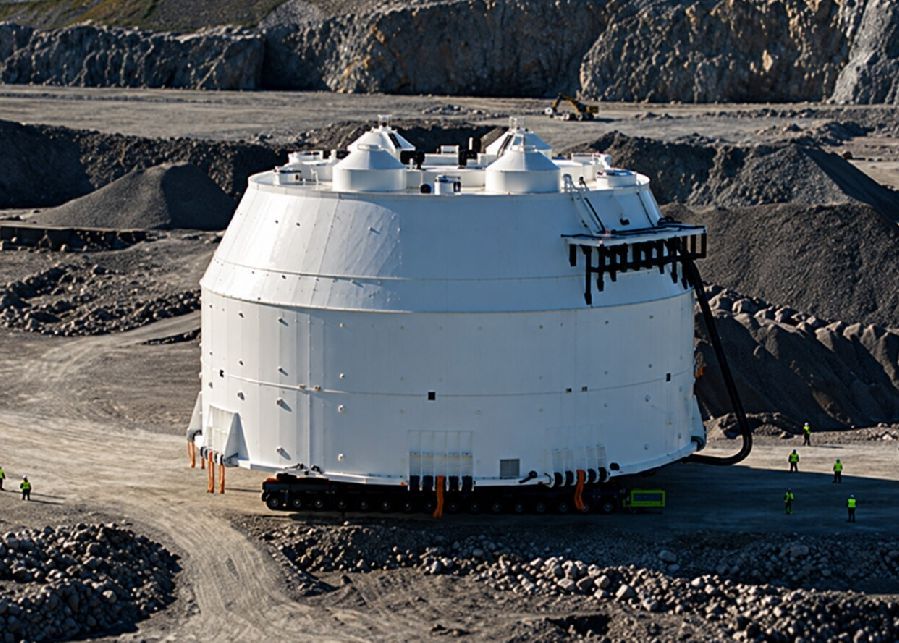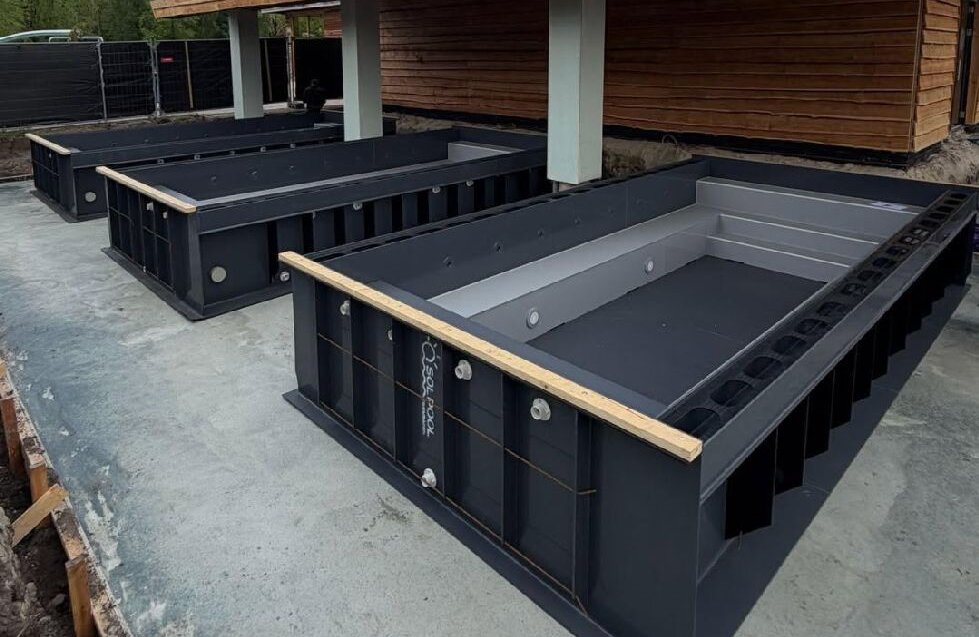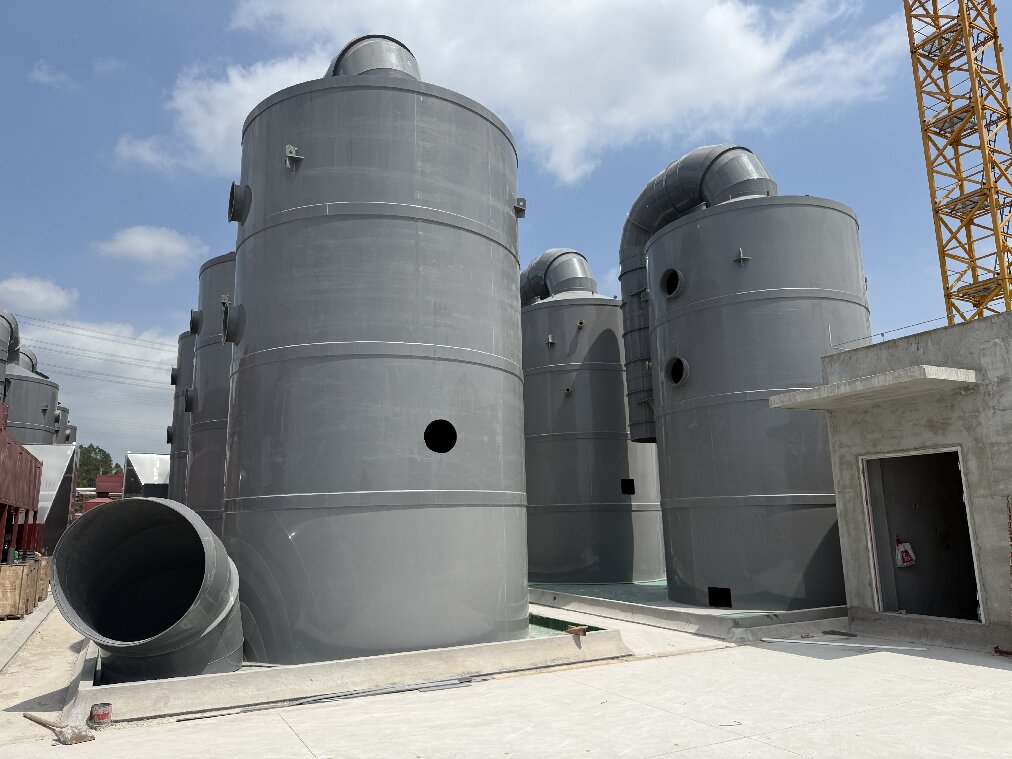
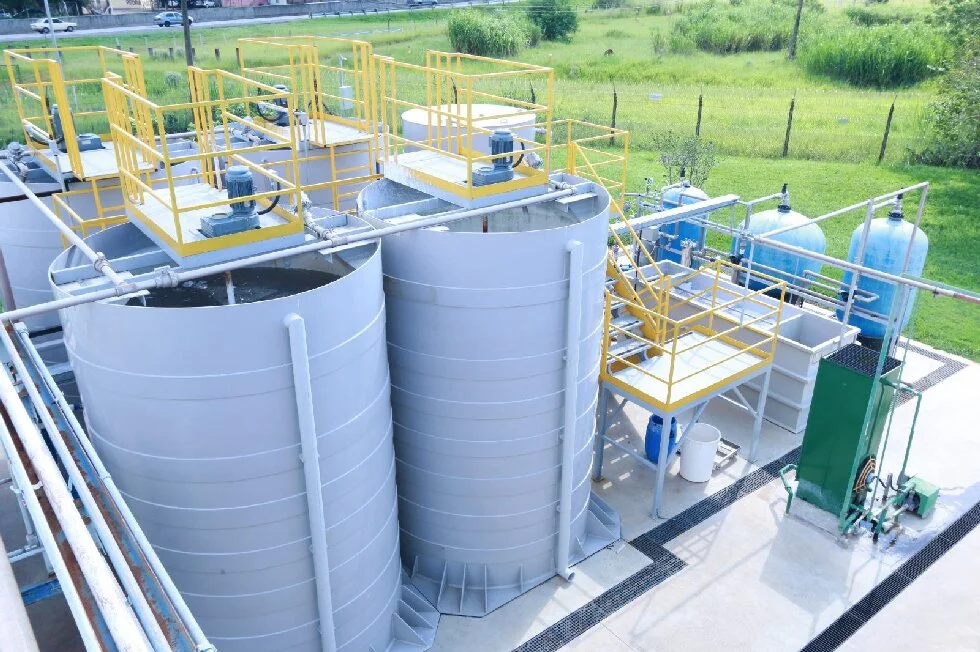
Water treatment system manufacturing follows a fixed sequence. It starts with plastic sheet selection, moves through cutting and CNC machining, then welding and fabrication, and ends with assembly and inspection/testing. Each step sets the conditions for the next one.
Integrated fabrication solutions combine design, prototyping, production, assembly, and testing under one workflow. Consolidating these stages improves consistency across parts and simplifies compliance, because one team controls the records and the tolerances from start to finish.
The core answer is straightforward. Building a treatment system means converting thermoplastic sheet and pipe into leak-tight tanks, partitions, and process lines. Integrated solutions fit at the center of that work, where coordination and repeatability decide the final quality.
Key Takeaways
-
Manufacturing starts with choosing the right plastic sheet for the job.
-
Cutting and CNC machining create precise parts that fit together well.
-
Welding and bending turn panels into strong, leak-tight tanks and pipes.
-
Integrated fabrication keeps design, production, and testing under one team.
-
Inspection and testing ensure the system works and meets local rules.
Plastic Materials for Water Treatment System Manufacturing
Water treatment systems must resist chemicals, fluctuating temperatures, and constant water pressure. Material choice follows directly from these demands. A sheet that performs well in one duty may fail in another, so the specification should match the actual service conditions of each component.
Common Thermoplastics and Sheet Grades
Polyethylene, polypropylene, and PVC are the workhorse thermoplastics in water treatment system manufacturing. Each family offers grades tuned for different chemical and mechanical duties. PE100 HDPE is a common choice for tanks, partitions, and piping because it combines chemical resistance with dependable weldability.
Röchling Polystone® G black B 100 is a fit-for-purpose PE100 HDPE sheet grade. It suits water treatment components that face continuous pressure and chemical exposure. The black pigmentation also supports outdoor service where sunlight is a factor.
Selection Criteria for Plastic Sheets
Six criteria guide sheet selection. Chemical compatibility comes first, because the sheet must tolerate every fluid it contacts. Pressure and temperature ratings follow, since tanks and partitions carry constant load. UV and weather exposure matter for outdoor installations. Weldability determines whether the sheet joins into reliable, leak-tight seams. Sheet thickness availability must match the design loads and the fabrication method. Cost per application closes the list, measured against service life rather than purchase price alone.
Compare candidate materials on technical performance, application fit, regulatory compliance, and cost. A higher-cost sheet can still be the better choice when it extends service life or simplifies fabrication. Document the rationale for each selection, because that record supports later compliance reviews.
Sheet Cutting and CNC Machining
Cutting Methods and Equipment
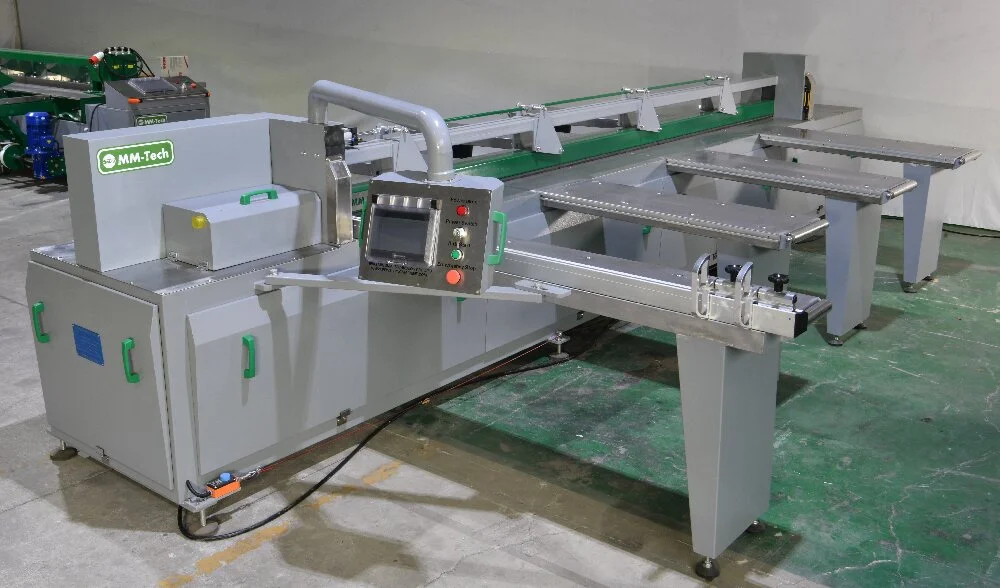
Sheet cutting converts stock panels into tank panels, partitions, and structural components. Accurate cuts establish the starting geometry for every later operation. A panel with a straight, clean edge seats better during fit-up and accepts a more uniform weld bead.
The MM-Tech SWT-XL4000 Semi-Automatic Plastic Sheet Cutting Machine handles this stage. It cuts plastic sheet into the panel sizes a water treatment system requires. Operators set the cut dimensions, and the machine produces repeatable panels for tanks, dividers, and support structures. Repeatable cuts keep a production batch consistent. Consistent panels reduce trimming work at the welding station.
CNC Machining for Precision Components
CNC machining produces the features a plain cut cannot deliver. Openings, contours, flange holes, and custom-shaped components need controlled paths and clean edges. The MM-Tech SWT-YF2040 CNC Engraving Machine performs this work. It machines openings and contours to the drawing, drills flange holes at their marked positions, and shapes custom components for specific system layouts.
Precision at this stage carries directly into fabrication. A flange hole cut to position aligns with its mating part on the first attempt. An opening with a clean contour accepts a fitting without gaps. Both results support a sound weld and lower the risk of leaks during pressure testing. Poor fit-up forces rework, and rework adds cost and delay. Tight machining therefore protects the schedule as much as the quality record.
Cutting and machining together set the fit-up standard for the whole system. The two operations deserve the same drawing review and the same inspection attention as the welding stage.
Fabrication and Welding Processes
Welding Techniques for Plastic Assemblies
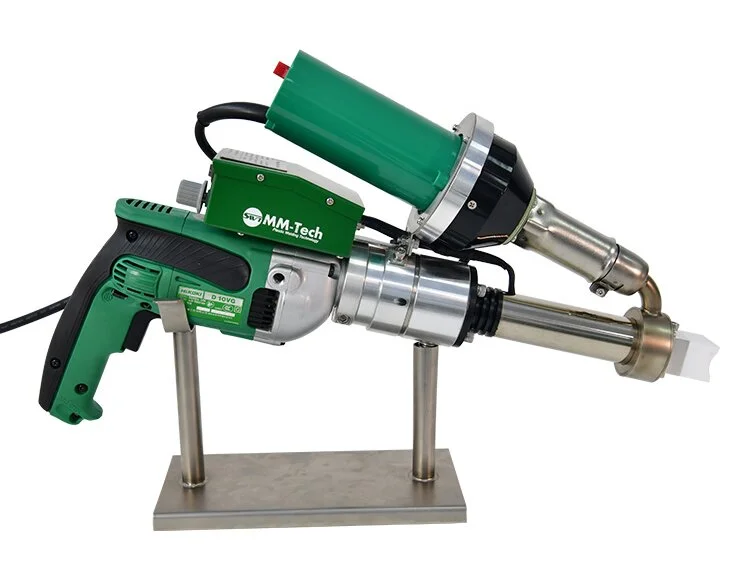
Welding turns cut and machined panels into leak-tight assemblies. The method must match the joint type, the sheet thickness, and the service load. Three techniques cover most water treatment fabrication work.
Butt welding joins plastic sheets into large panels. The MM-Tech SWT-PH5000 Plastic Sheet Butt Welding Machine performs this work. It also supports cylindrical tank rolling and longitudinal welding, where a rolled shell closes along one seam. Large flat panels and tank shells emerge from this stage with a continuous seam. This method fits best where full-penetration joints carry structural and pressure duty.
Extrusion welding fills and bonds the long runs that hold a tank together. Tank walls, bottom joints, partitions, reinforcement ribs, and structural connections all rely on this technique. The MM-Tech SWT-NS600A Extrusion Welder feeds a plastic weld rod into the joint and produces a substantial bead. The method suits heavy sections and high-stress connections. Its output tolerates the constant water pressure a treatment tank sees in daily service.
Hot air welding handles localized work, tacking, and detailed fabrication. The MM-Tech SWT-NS1600S BL Hot Air Gun softens the sheet surface and the filler rod at the joint. Operators use it to position parts before a full weld pass, to close small details, and to reach areas a larger welder cannot access. This method fits best for fit-up, repairs, and fine work rather than long structural seams.
Bending and Pipe Joining Methods
Bending forms folded edges, angled sections, and shaped components. Folded edges stiffen a panel without adding a separate rib. Angled sections create baffles, covers, and transition pieces. The MM-Tech SWT-ZW5000 Plastic Sheet Bending Machine produces these forms with controlled heat and pressure. Bent parts reduce the number of welded joints, and fewer joints mean fewer potential leak paths.
Pipe joining connects the process lines inside and around a treatment system. Water supply, process water, and drainage lines each demand sound joints. Butt fusion joins thermoplastic pipes end to end. The MM-Tech SWT-V315/90H Pipe Butt Fusion Welding Machine heats both pipe faces, presses them together, and forms a homogeneous joint. This method fits best for larger-diameter mains and long runs under pressure.
Socket fusion connects small-diameter thermoplastic pipes and socket fittings. The MM-Tech TSC-90 Bench Socket Fusion Machine heats the pipe end and the fitting socket, then joins them in a controlled bench setup. This method fits best for distribution lines, instrument connections, and fittings where a compact, repeatable joint matters.
Each method has a natural place in the workflow. Butt welding builds the shell, extrusion welding locks the structure, hot air welding finishes the details, bending shapes the components, and pipe fusion completes the process connections. A fabrication plan that assigns each joint to the right method produces consistent quality across the whole system.
Integrated Solutions in Water Treatment System Manufacturing
From Design to Assembly
Integrated fabrication places design, prototyping, production, assembly, and testing under one workflow. A single team receives the process requirements, converts them into drawings, builds a prototype, and carries the approved design into production. The same team then assembles the system and runs the acceptance tests. Nothing hands off to an outside party between stages.
Multi-vendor sourcing splits that chain across separate suppliers. One shop cuts sheet, another welds tanks, and a third handles pipe work. Each supplier works to its own drawing interpretation and its own inspection routine. Integrated fabrication removes those handoffs. Design intent survives from the first sketch to the final pressure test, and one quality record covers the whole build.
This structure matters in water treatment system manufacturing, where a small dimensional drift at the cutting stage can surface as a leak at testing. One workflow catches that drift early, while correction is still inexpensive.
Modular and Skid-Based Fabrication
Modular fabrication builds a system as discrete sections within a common building or skid configuration. A treatment train might combine a tank module, a membrane skid, a chemical dosing frame, and a pipe manifold. Each module uses the process that fits its duty best. The modules then join into one coordinated unit.
A single equipment chain supports this approach. The MM-Tech SWT-XL4000 Semi-Automatic Plastic Sheet Cutting Machine and SWT-YF2040 CNC Engraving Machine prepare panels and features to the same drawing set. The SWT-PH5000 Plastic Sheet Butt Welding Machine forms panels and tank shells. The SWT-ZW5000 Plastic Sheet Bending Machine shapes folded edges and angled sections. The SWT-NS600A Extrusion Welder locks walls, bottoms, partitions, and ribs. The SWT-NS1600S BL Hot Air Gun finishes details and tacking. The SWT-V315/90H Pipe Butt Fusion Welding Machine and TSC-90 Bench Socket Fusion Machine complete the process connections.
One chain means one tolerance standard, one weld procedure set, and one inspection language across every module. Project coordination simplifies as well. Scheduling, drawing revisions, and test reports stay with one team instead of crossing several vendors.
|
Factor |
Integrated fabrication |
Multi-vendor sourcing |
|---|---|---|
|
Technical performance |
One tolerance standard across all parts |
Performance depends on each supplier’s interpretation |
|
Application fit |
Design tuned to the full process train |
Fit assessed module by module |
|
Regulatory compliance |
One documentation trail |
Records gathered from several sources |
|
Cost |
Higher coordination value, fewer rework loops |
Lower entry cost, added coordination effort |
Both routes can deliver a sound system. Integrated fabrication fits projects with tight interfaces and heavy documentation. Multi-vendor sourcing fits simple, well-separated scopes.
Inspection, Quality Control, and Compliance
Inspection and Testing Methods
Inspection begins with dimensional checks. Operators verify panel sizes, opening positions, flange hole spacing, and tank shell roundness against the approved drawings. These checks confirm that cutting and CNC machining held the tolerance the design requires.
Weld inspection follows. Inspectors examine every seam produced by the SWT-PH5000 Plastic Sheet Butt Welding Machine, the SWT-NS600A Extrusion Welder, and the SWT-NS1600S BL Hot Air Gun for bead uniformity, undercut, and incomplete fusion. Nondestructive methods apply where the joint duty justifies them. Hydrostatic and pressure testing then prove the assembly. Tanks and partitions fill with water and hold under load, while pipe joints from the SWT-V315/90H Butt Fusion Welding Machine and TSC-90 Bench Socket Fusion Machine face pressure tests. Any leak sends the part back for repair and retest.
Regulatory Compliance and Documentation
Documentation turns good work into verifiable work. The quality record should carry material certificates for the sheet and pipe, including the Röchling Polystone® G black B 100 grade where specified. Weld records identify the procedure, the operator, and the machine used for each joint. Test reports capture the pressures applied and the results observed. Traceability links each component back to its material batch and its fabrication history.
Compliance requirements vary by application and jurisdiction. A municipal drinking water project, an industrial process water train, and a wastewater reuse system may each fall under different rules. Manufacturers should confirm the applicable standards with their local authority before finalizing a specification. This guide does not assert specific certifications.
A complete inspection chain closes the loop on fabrication. The same MM-Tech equipment that cuts, machines, bends, and welds each component also supports the records that prove its quality. Complete MM-Tech equipment solutions for water treatment system fabrication keep one tolerance standard and one documentation trail from sheet to skid.
Applications and Selection Considerations
Matching Systems to Application Fit
Different treatment duties place different demands on a plastic system. Reverse osmosis for high-purity process water runs at elevated pressure, so tank shells and pipe joints need full-penetration welds. Membrane filtration (MF, UF, NF) tolerates moderate pressure but demands clean internal surfaces. Multi-stage mechanical, chemical, and UV treatment exposes components to a mix of chemicals and temperature swings. Coagulation, flocculation, sedimentation, filtration, and disinfection stages carry their own chemical loads. Closed-loop water reuse and wastewater recycling combine all of these demands in one train.
Contaminant type, pressure, temperature, and chemical exposure drive every material and fabrication choice. Aggressive chemicals call for a compatible sheet grade such as Röchling Polystone® G black B 100. High pressure favors butt-welded shells and fusion-joined pipe. Welding process selection follows the same logic. Extrusion welding suits structural joints and reinforcement ribs, while hot air welding fits details and tacking.
Evaluating Performance, Compliance, and Cost
A four-part framework keeps selection disciplined. Technical performance covers pressure rating, chemical resistance, and weld integrity. Application fit asks whether the system matches the actual duty. Regulatory compliance confirms the documentation trail meets local rules. Total cost adds materials, fabrication, assembly, testing, and maintenance across the service life.
Each manufacturing option fits a particular case. Integrated fabrication suits complex trains with tight interfaces. Multi-vendor sourcing suits simple, well-separated scopes.
The sequence holds steady across every project. Material and sheet selection set the duty rating. Cutting and CNC machining establish fit-up. Welding and fabrication build the leak-tight structure. Integrated assembly joins the modules, and inspection and testing prove the result.
With a comprehensive range of plastic sheet processing and welding machines, MM-Tech supports manufacturers in building plastic tanks, treatment units, and piping systems for a wide range of water treatment applications. From individual fabrication machines to integrated production solutions, MM-Tech helps turn plastic sheet materials into dependable industrial equipment.
Partner with MM-Tech to improve your plastic fabrication capabilities and build efficient, reliable solutions for the water treatment industry.
FAQ
Which machine forms the tank shell in a plastic water treatment system?
The MM-Tech SWT-PH5000 Plastic Sheet Butt Welding Machine joins sheets into large panels. It also supports cylindrical tank rolling and longitudinal welding. The shell emerges with a continuous seam, and that seam carries structural and pressure duty.
Where does extrusion welding fit in the build?
The MM-Tech SWT-NS600A Extrusion Welder bonds tank walls, bottom joints, partitions, reinforcement ribs, and structural connections. It suits heavy sections and high-stress joints. Hot air welding with the SWT-NS1600S BL Hot Air Gun handles tacking and detail work instead.
How are flange holes and openings positioned accurately?
The MM-Tech SWT-YF2040 CNC Engraving Machine machines openings, contours, flange holes, and custom-shaped components to the drawing. Accurate placement lets mating parts align on the first attempt. Good fit-up supports a sound weld and lowers leak risk at testing.
Which methods join the process piping?
Butt fusion with the MM-Tech SWT-V315/90H Butt Fusion Welding Machine suits larger-diameter mains and long runs under pressure. Socket fusion with the TSC-90 Bench Socket Fusion Machine fits small-diameter pipe and fittings. Each method matches a specific line duty.
What should a buyer confirm before finalizing a specification?
Confirm four points: technical performance, application fit, regulatory compliance, and total cost. Compliance rules vary by application and jurisdiction. Verify the applicable standards with the local authority, and request material certificates, weld records, and test reports.